


















Benguet State University (BSU) demonstrates a comprehensive, action-oriented approach to implementing Sustainable Development Goal 15 (Life on Land). In 2025, the University institutionalized policies and executed targeted programs across its research, extension, and administrative functions to protect and restore terrestrial ecosystems, promote biodiversity, and ensure sensitive land stewardship within the Cordillera Administrative Region.
Supporting Land Ecosystems through Education Events about Sustainable Use of Land
Benguet State University supports and organizes events that promote the conservation and sustainable utilization of land, including forests, watersheds, and other natural areas. Through its colleges, offices, and student organizations, the University initiates environmental activities and collaborates with local government units, government agencies, academic institutions, and other organizations in conducting tree-planting activities, forest maintenance, river cleanups, and educational events on sustainable resource management.
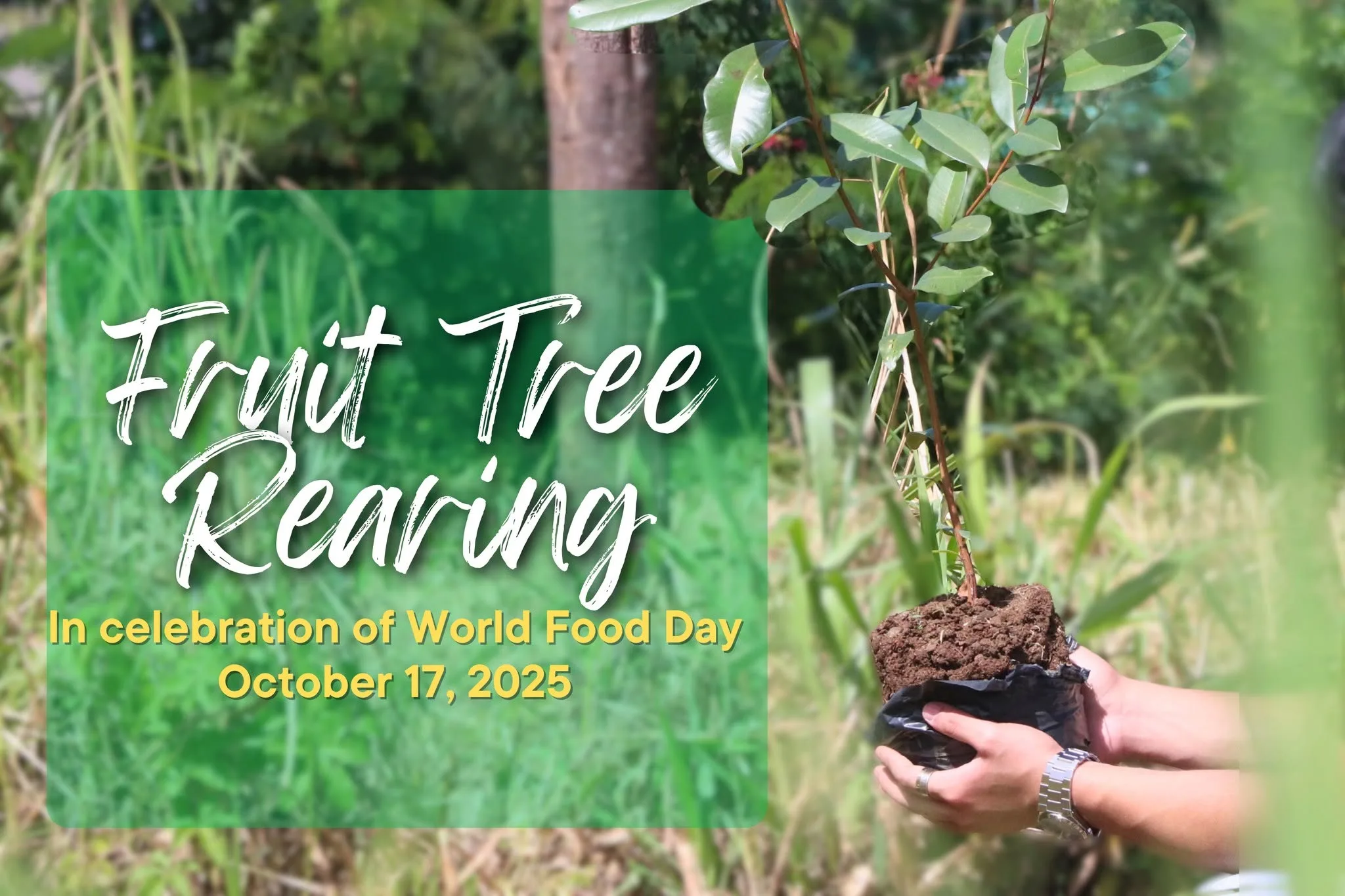
Originally published at (Tree planted! – Fruit Tree Rearing)
The University also organized the Fruit Tree Rearing Activity on October 17, 2025, behind the BSU Administration Building near the Balili River, as part of its International Month celebration and in observance of World Food Day. The activity brought together IRO personnel, two international students from Japan, General Services Office staff, and volunteers from the Bios Logos Society of the College of Natural Sciences. In coordination with the College of Forestry, through IRO Coordinator Mr. Bernard Peter O. Daipan, the group planted 30 fruit trees consisting of Bayabas (Guava), Duhat (Java Plum), Guyabano (Soursop), and Langka (Jackfruit). Participants also committed to regularly caring for the trees as they grow, supporting the establishment and maintenance of fruit-bearing vegetation within the campus.
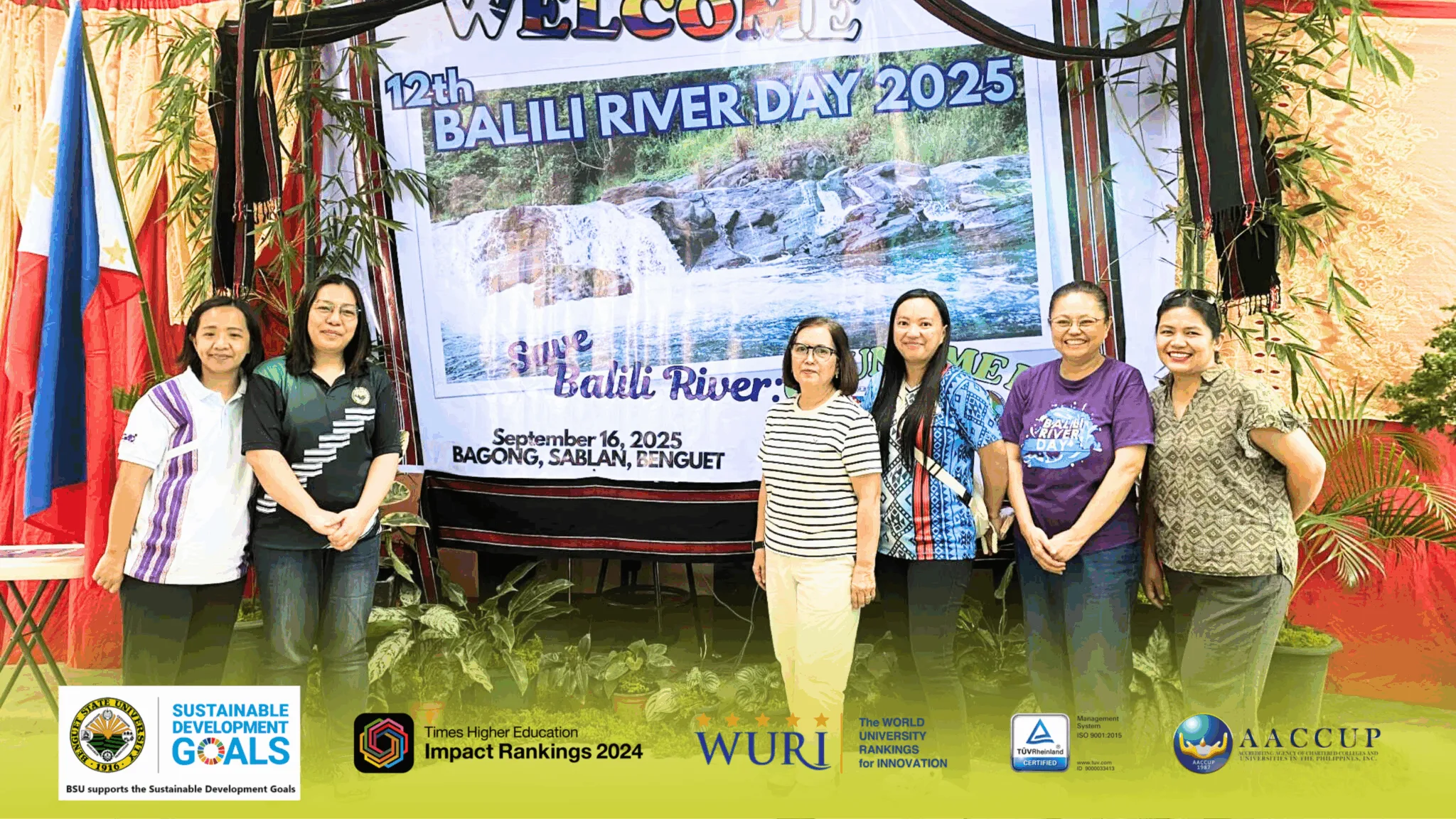
Originally published at (12th Balili River day Celebration)
Another example is the University’s participation in the 12th Balili River Day Celebration on September 16, 2025, in Sablan, Benguet. The celebration included the ceremonial planting of bamboo propagules, highlighting the importance of vegetation establishment and the protection of river and watershed areas. Through its participation, BSU supported collaborative efforts to conserve the Balili River and its surrounding environment.
The University also supports other environmental initiatives, including the Luntiang Marikina: Cordillera Clean Up and Tree Planting Activity 3.0 in Baguio City, as well as cleanup drives along the Balili and Agno Rivers. In addition, BSU organizes and supports learning activities such as the International Seminar on Forest Resources Management and Assessment, which discussed the use of research and technology in forest assessment, valuation, and management.
Through these organized activities and collaborative efforts, BSU encourages participation in environmental conservation and contributes to initiatives that protect natural areas, maintain vegetation, and promote the sustainable utilization of land and forest resources.
Sustainably Farmed Food on Campus
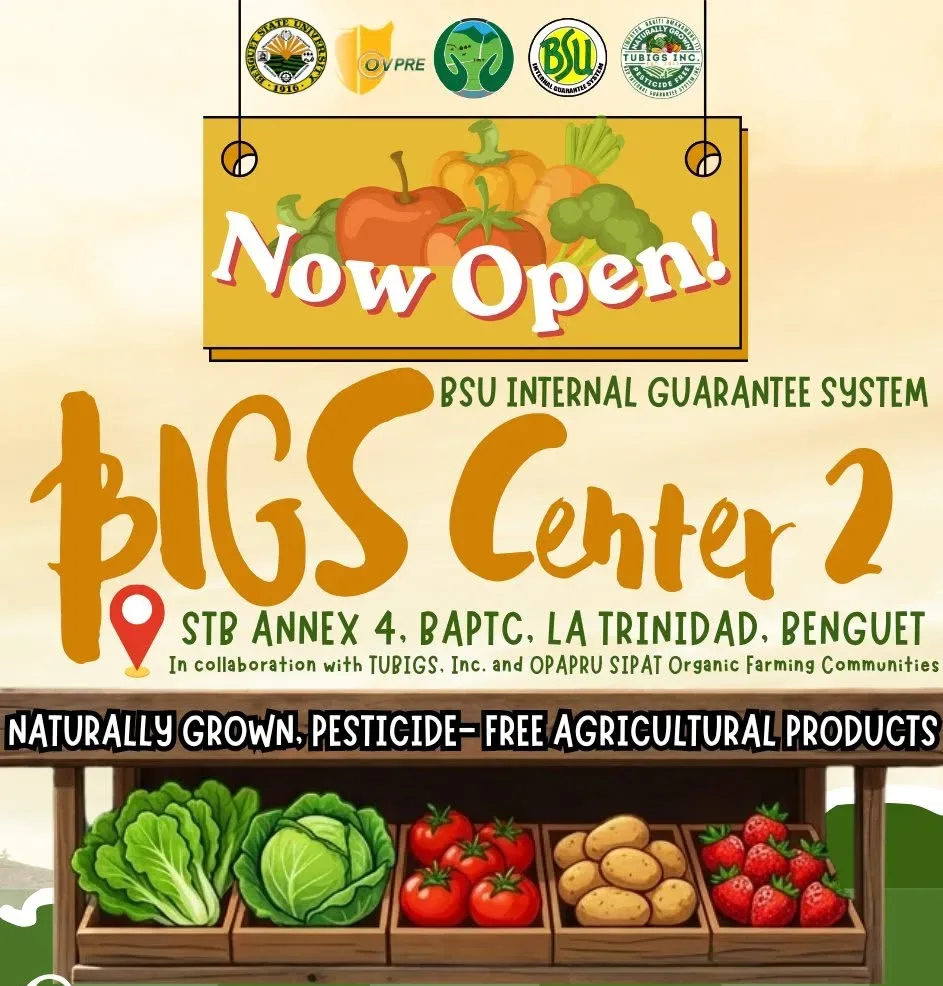
Originally published at (BIGS Center, Now Open!)
Benguet State University promotes sustainable food production through its Benguet State University Internal Guarantee System (BIGS) for Organic Farming, which establishes standards and guidelines for organic agricultural practices. Patterned after the standards of the International Federation of Organic Agriculture Movements (IFOAM), the Philippine National Standards for Organic Agriculture (PNSOA), and the Organic Certification Center of the Philippines (OCCP), BIGS promotes farming methods that prohibit the use of synthetic chemical inputs. It also prohibits the clearing of forests for agricultural production and the burning of grasses and plant debris, except when necessary to manage diseases and pests.
To ensure compliance with these standards, BIGS requires farms applying for membership to undergo inspection by a monitoring team composed of specialists in soil analysis, farm management, pest and disease management, pesticide residue analysis, plant pathology, and crop production. Once accepted, members receive farm codes and commit to following BIGS standards. Farm coordinators and members also monitor participating farms at least once a year. Reports of possible violations are verified by the Office of Extension Services, with sanctions imposed when non-compliance is established.
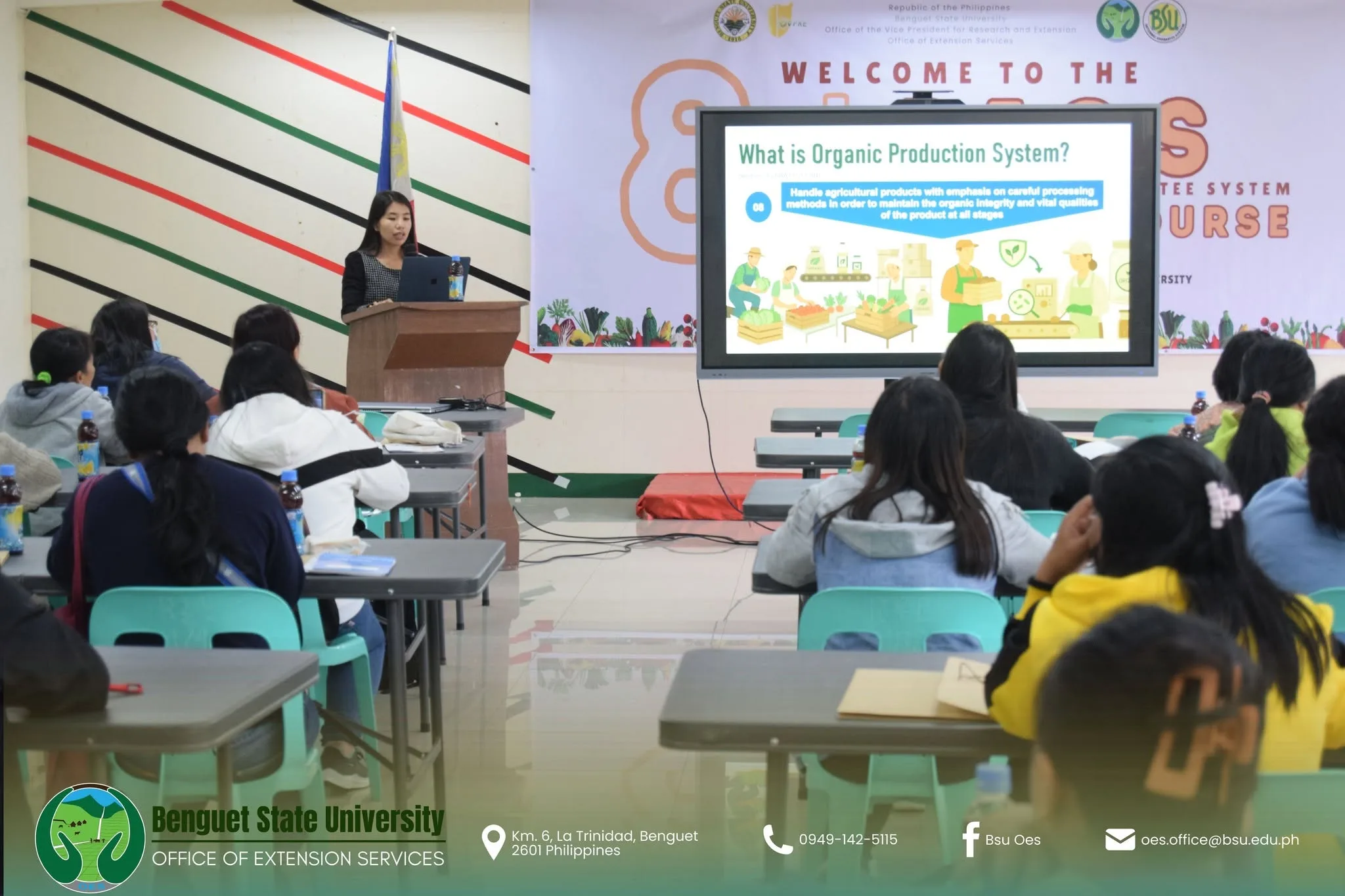
Originally published at (8th BIGS Qualifying Course certifies 34 Farmers)
The University further supports the implementation of BIGS through its five-day BIGS Qualifying Course, which prepares interested farmers to adopt organic farming practices and become members of the system. In 2025, BSU conducted the 8th BIGS Qualifying Course from August 18 to 22, with 34 farmer-participants. The training covered organic agriculture practices, natural farming preparations, farm planning, record-keeping, and farm monitoring and inspection. It also included visits to the BIGS Center, Organic Agriculture Demo Farm, composting area, and BIGS adopters’ farms, allowing participants to observe organic farming practices and learn about the system’s implementation.
In 2022, BSU also initiated efforts to enhance BIGS through the development of the Benguet State University Participatory Guarantee System (BSU-PGS) Manual of Operations. The write-shop held on July 13–14, 2022, brought together the BSU-PGS Core Team and Office of Extension Services personnel to review the proposed manual and align the system with the provisions of Republic Act No. 11511. The proposed manual was intended to strengthen the participation of farmers in organic certification, decision-making, and marketing.
Through BIGS and its continuing organic agriculture initiatives, BSU establishes standards and monitoring mechanisms that promote environmentally responsible farming and the production of safe and nutritious agricultural products.
Maintain and Extend Current Ecosystem’s Biodiversity
Benguet State University undertakes conservation and restoration initiatives to maintain existing ecosystems and support the protection and propagation of biodiversity, particularly through forest management, tree planting, habitat restoration, and the conservation of indigenous plant species. The University maintains approximately 284.8 hectares of forest land and works with local partners to protect forest areas and rehabilitate degraded landscapes.
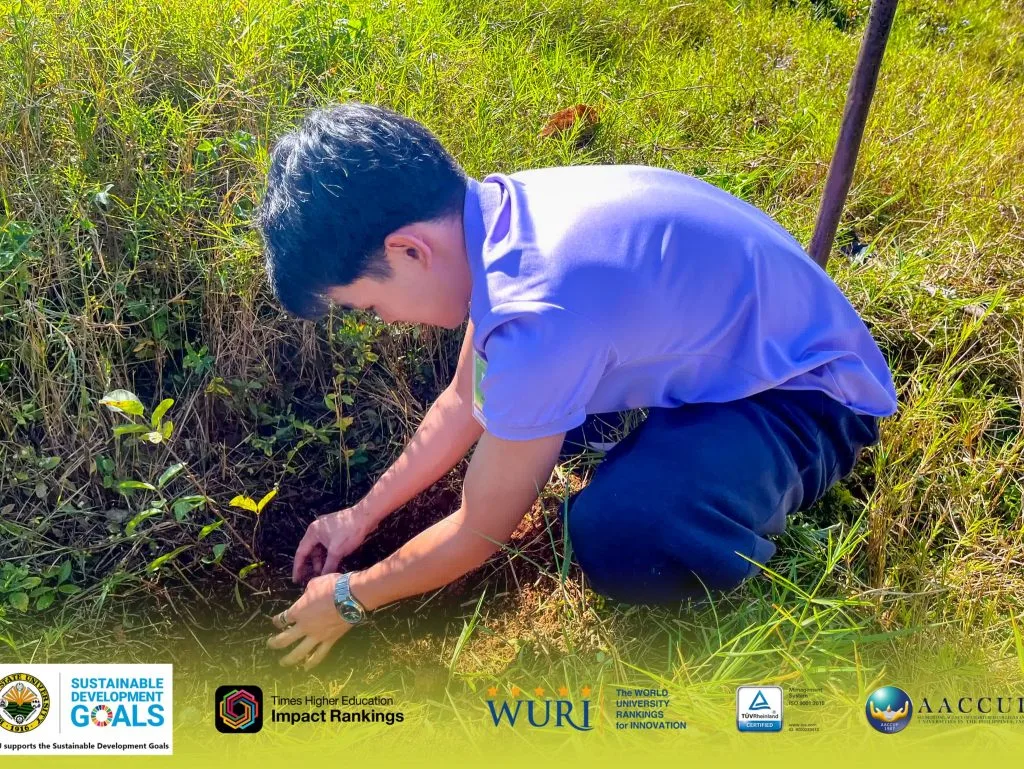
Originally published at (Benguet State University champions climate action, resilience)
From August to November 2025, BSU planted more than 700 tree seedlings within and outside the University campus. The planting materials were sourced from the nurseries of the College of Forestry and the Institute of Highland Farming Systems and Agroforestry (IHFSA). These activities contribute to maintaining vegetation cover and supporting the ecological functions of forest areas.
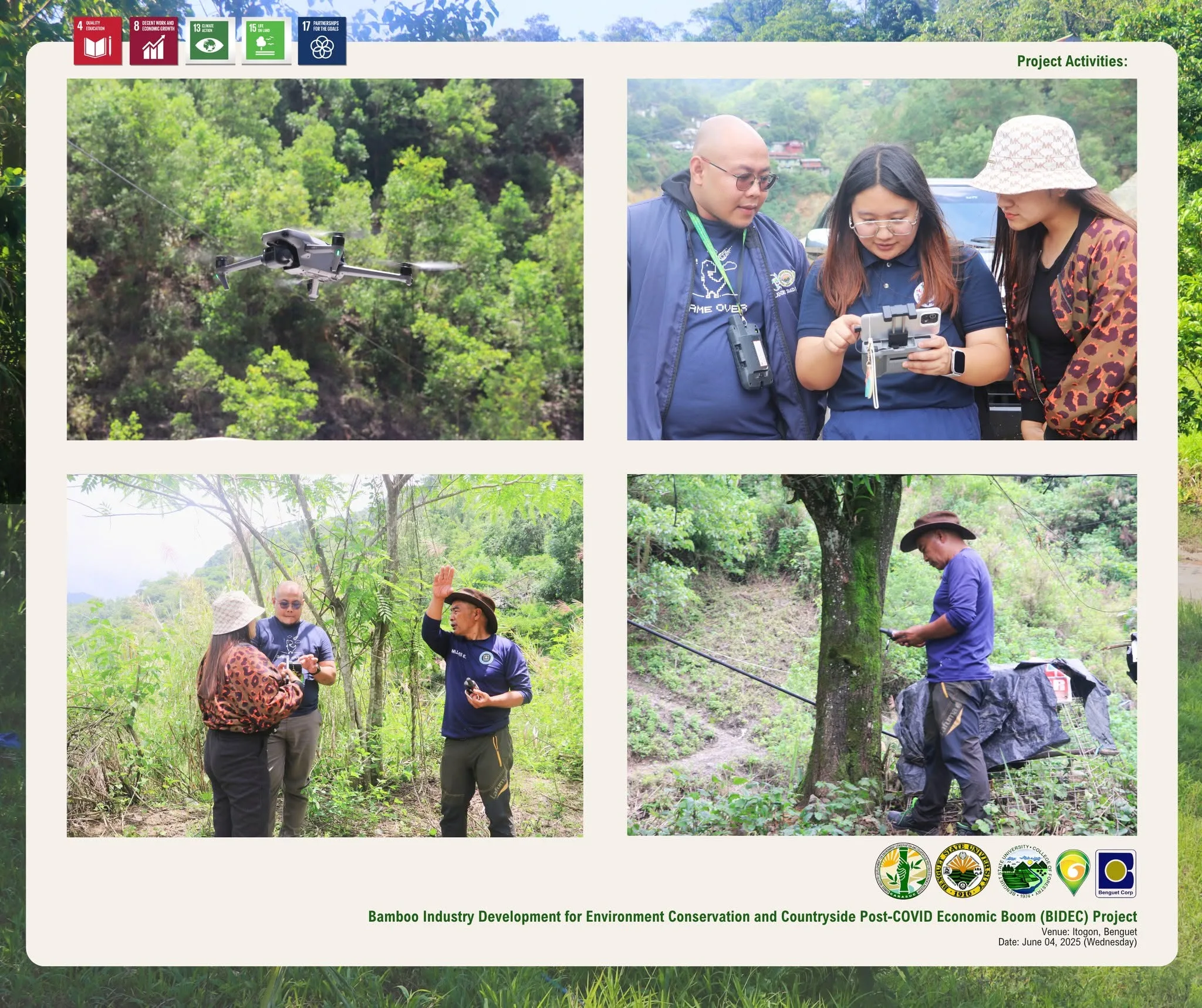
Originally published at (BSU-BIDEC Project Activities, June 405, 2025)
The University also implements the Bamboo Industry Development for Environment Conservation (BIDEC), a research and extension initiative that promotes environmental conservation and the rehabilitation of degraded areas. In 2025, the project established 306 bamboo seedlings within BSU, at a demonstration farm, and in degraded areas associated with Benguet Corporation and Lepanto Consolidated Mining Company. The initiative combines vegetation establishment with the development of bamboo resources for sustainable livelihood opportunities.
BSU further supports the conservation of indigenous plant species through a research project led by Dr. Marissa N. Parao, with funding from the Department of Science and Technology–Philippine Council for Agriculture, Aquatic and Natural Resources Research and Development (DOST-PCAARRD). The project focuses on three native Benguet species: Anes (Fimbribambusa horsfieldii), Banos (Cyrtochloa toppingii), and Ayusip (Vaccinium myrtoides). Its activities include identifying suitable growing areas, developing propagation methods, and establishing a technology and innovation model farm to support their cultivation. These efforts contribute to conserving native plant resources and exploring their use in restoring unproductive agricultural areas.
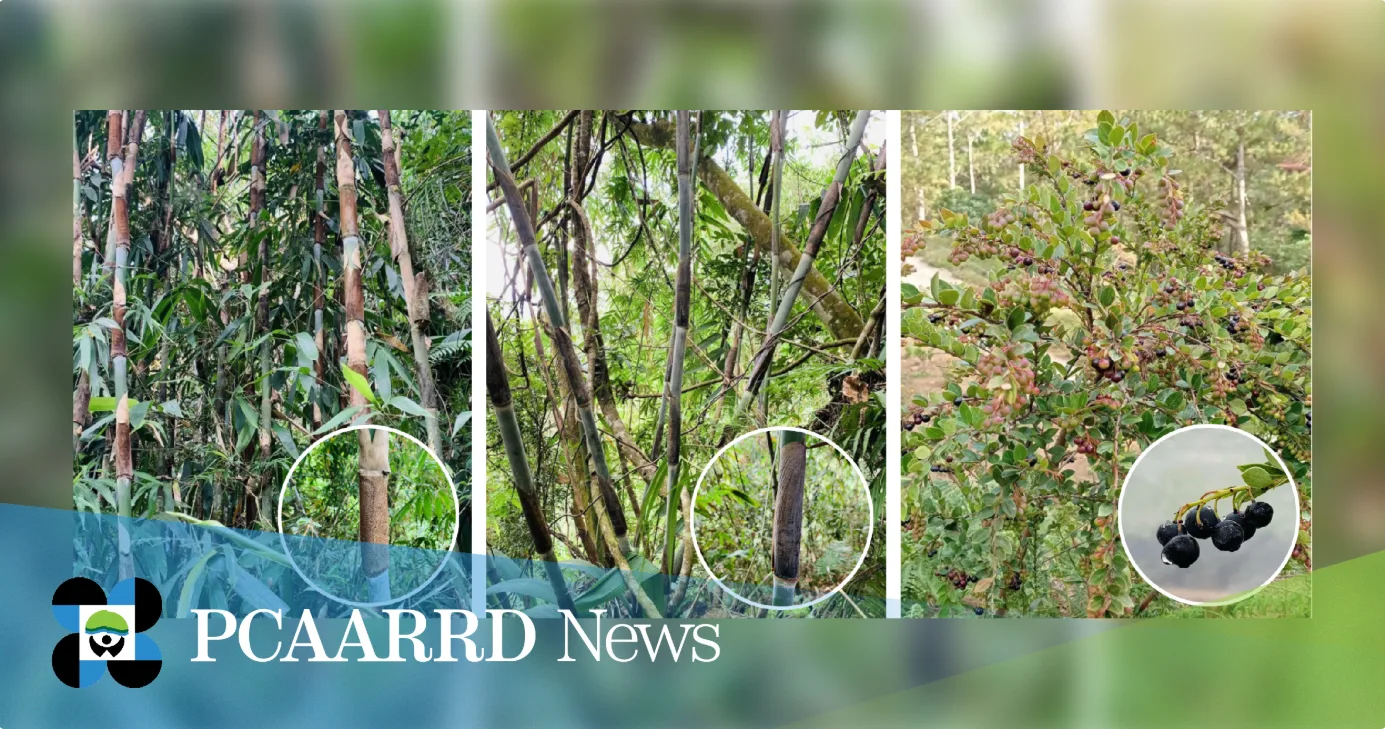
More details at (Conservation efforts for Benguet native bamboo and blueberry in full swing)
Another initiative is the Forest Landscape Restoration Project, which develops and tests production technologies that can support forest restoration in Benguet. Through this project, the University explores approaches that connect the sustainable production of raw materials with the restoration objectives of the local forest landscape.
Through its Adopt-a-Forest Program, BSU also collaborates with the Local Government Unit of La Trinidad in the conservation of four communal forests: Alapang, Alno, Puguis, and Shilan. This partnership supports the continued protection and maintenance of these forest areas.
Through these initiatives, BSU works to maintain existing forest ecosystems, restore degraded areas, and conserve indigenous plant species. These efforts contribute to protecting natural habitats and sustaining the biodiversity of Benguet.
Educational Programmes on Ecosystems
Benguet State University provides educational activities and learning opportunities that promote awareness and understanding of natural ecosystems, particularly plant diversity, forest conservation, and biodiversity. Through its academic departments, research facilities, and student organizations, the University facilitates activities that introduce participants to local plant species, ecological relationships, and the importance of protecting natural environments.
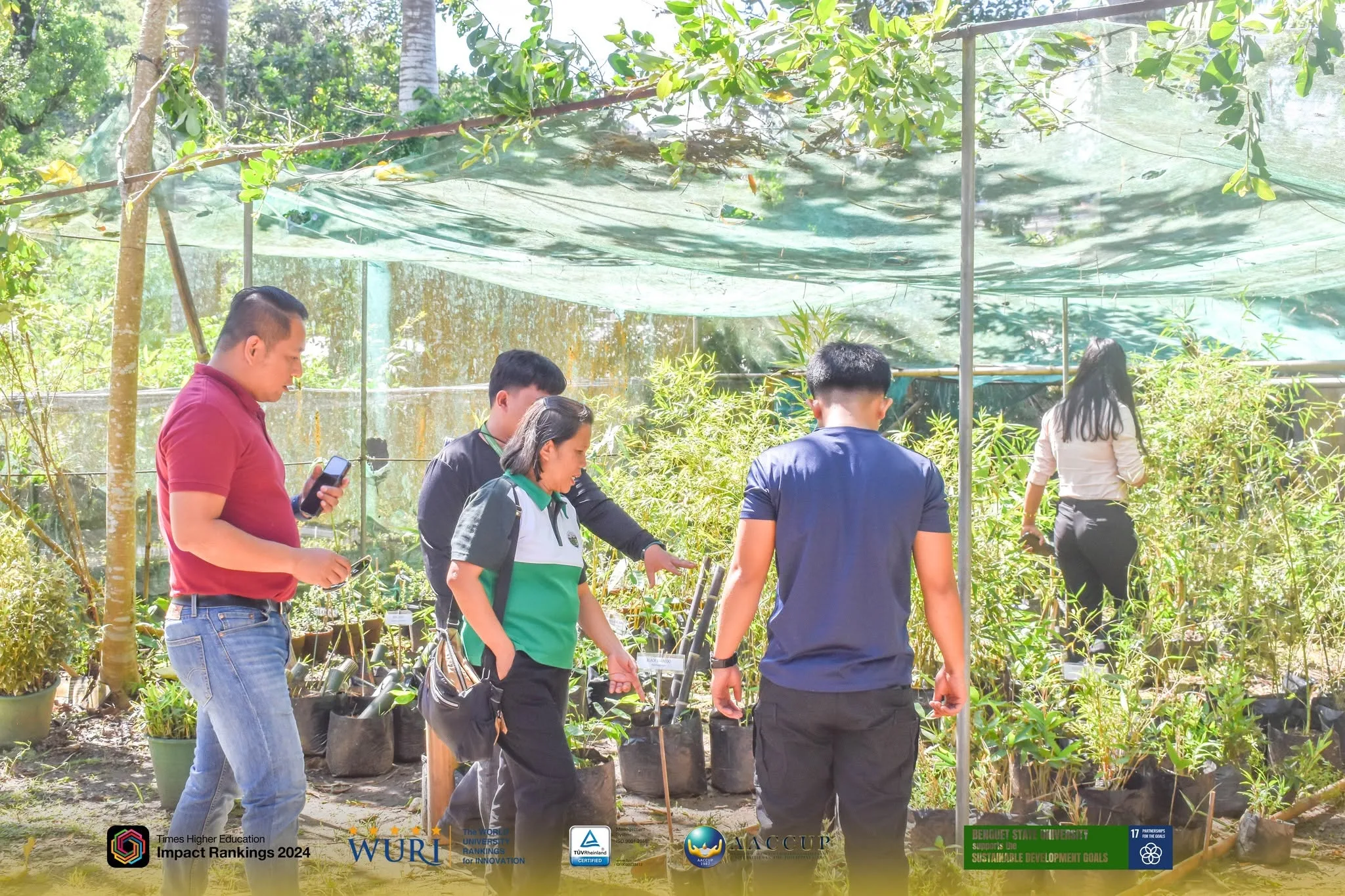
Originally published at (MMSU Exploring Bamboo Diversity and Conservation)
In May 2025, BSU welcomed visitors from Mariano Marcos State University (MMSU) for a learning visit to its Bamboo Nursery and Bambusetum. The visit introduced participants to different bamboo species and their identification, production, and conservation, providing an opportunity to exchange knowledge on bamboo diversity and conservation initiatives.
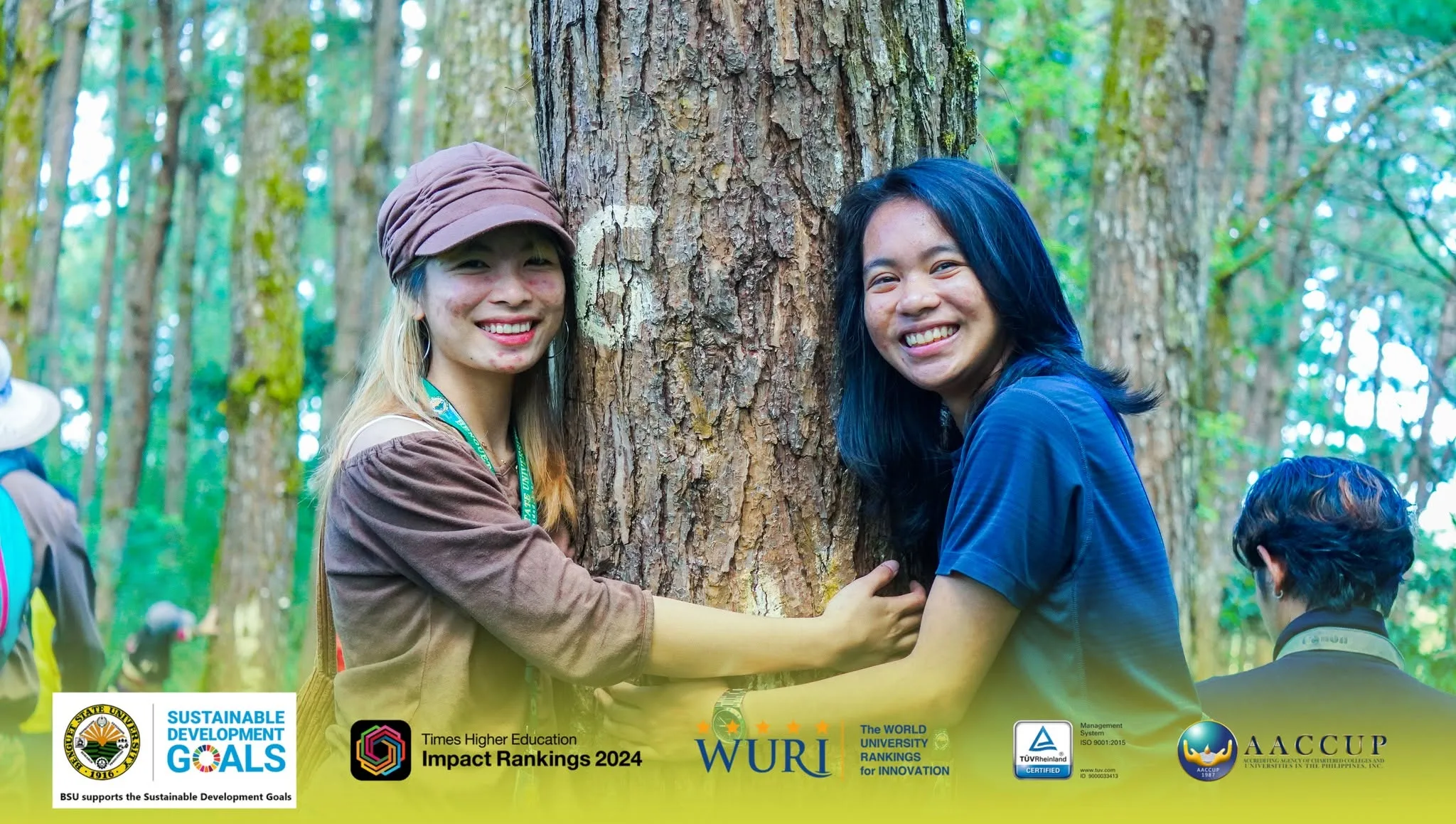
Originally published at (Learning about Local Flora through Guided Nature Walks)
The University also organized forest-based learning activities through the College of Forestry in partnership with the Gender and Development Office. As part of the National Women’s Month Celebration, the activity “Forest Bathing: A Work Break for the Mind and Soul” was held at the BSU Forest Reservation in Longlong, La Trinidad, Benguet. It featured an eco-walk and tree-hugging along the forest trail, followed by a meditation session at Alapo Adventure Camp. The activity aimed to promote the health and well-being of women employees while encouraging appreciation of the remaining forest patches in the locality. A follow-up activity, “Forest Bathing: A Work Break for the Mind and Soul 2.0,” was conducted on September 12, 2025, featuring a guided dendro walk and forest hike that introduced participants to different tree and plant species in the area. Both activities provided opportunities to experience the forest environment and appreciate the importance of local vegetation.
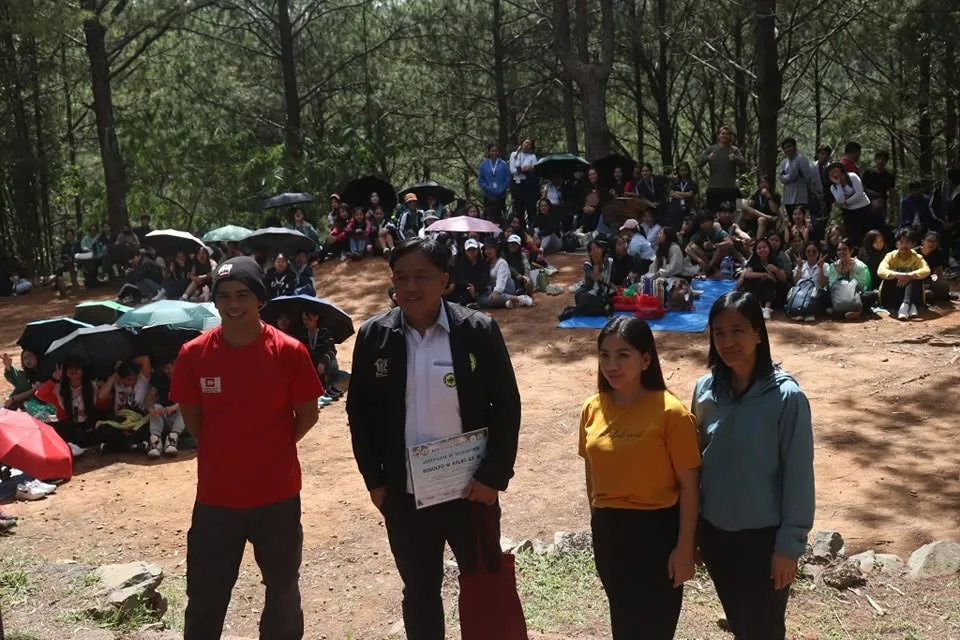
More details at (BSU CNS Biology Week 2025)
In addition, the Bios Logos Society and the Department of Biology of the College of Natural Sciences organized Biology Week 2025, which opened on March 17 at Puguis Communal Forest under the theme “Harnessing Natural Resources for Global Awareness and Sustainability.” The program featured discussions on renewable energy and sustainable resource management, followed by a practical forest maintenance activity facilitated by a forest ranger. Biology faculty members and students participated in establishing a six-meter-wide firebreak to help prevent the spread of wildfires, providing practical experience in forest protection and ecosystem management.
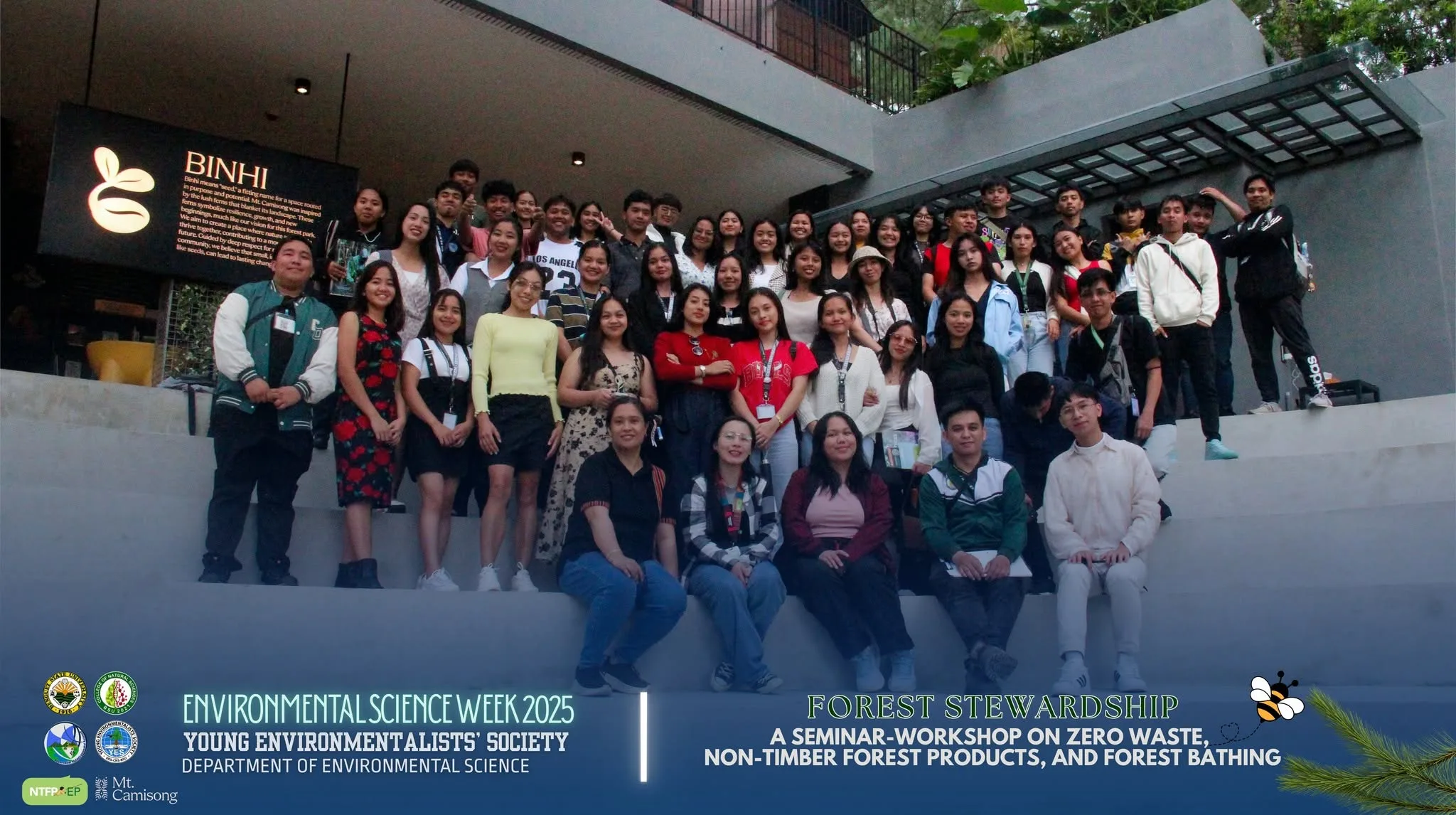
Originally published at (Forest Stewardship seminar-workshop by young Environmentalists’ Society)
In addition, the College of Natural Sciences, through the Young Environmentalists’ Society (YES), also organizes activities that welcome participants from both within and outside the University. One example is the seminar-workshop “Forest Stewardship: A Seminar-Workshop on Zero Waste, Non-Timber Forest Products, and Forest Bathing,” held at Mt. Camisong Forest Park on October 27, 2025. The activity featured discussions on zero-waste practices and the sustainable use of non-timber forest products, along with a guided forest bathing activity. By opening the activity to the public, the organizers provided an opportunity for participants to learn about responsible forest use, environmental stewardship, and the value of natural ecosystems.
Through these activities, BSU provides opportunities for students and visiting academic institutions to learn about plant diversity, natural resource management, and forest conservation. These educational initiatives help strengthen awareness of the importance of understanding and protecting local ecosystems.
Sustainable Management of Land for Agriculture
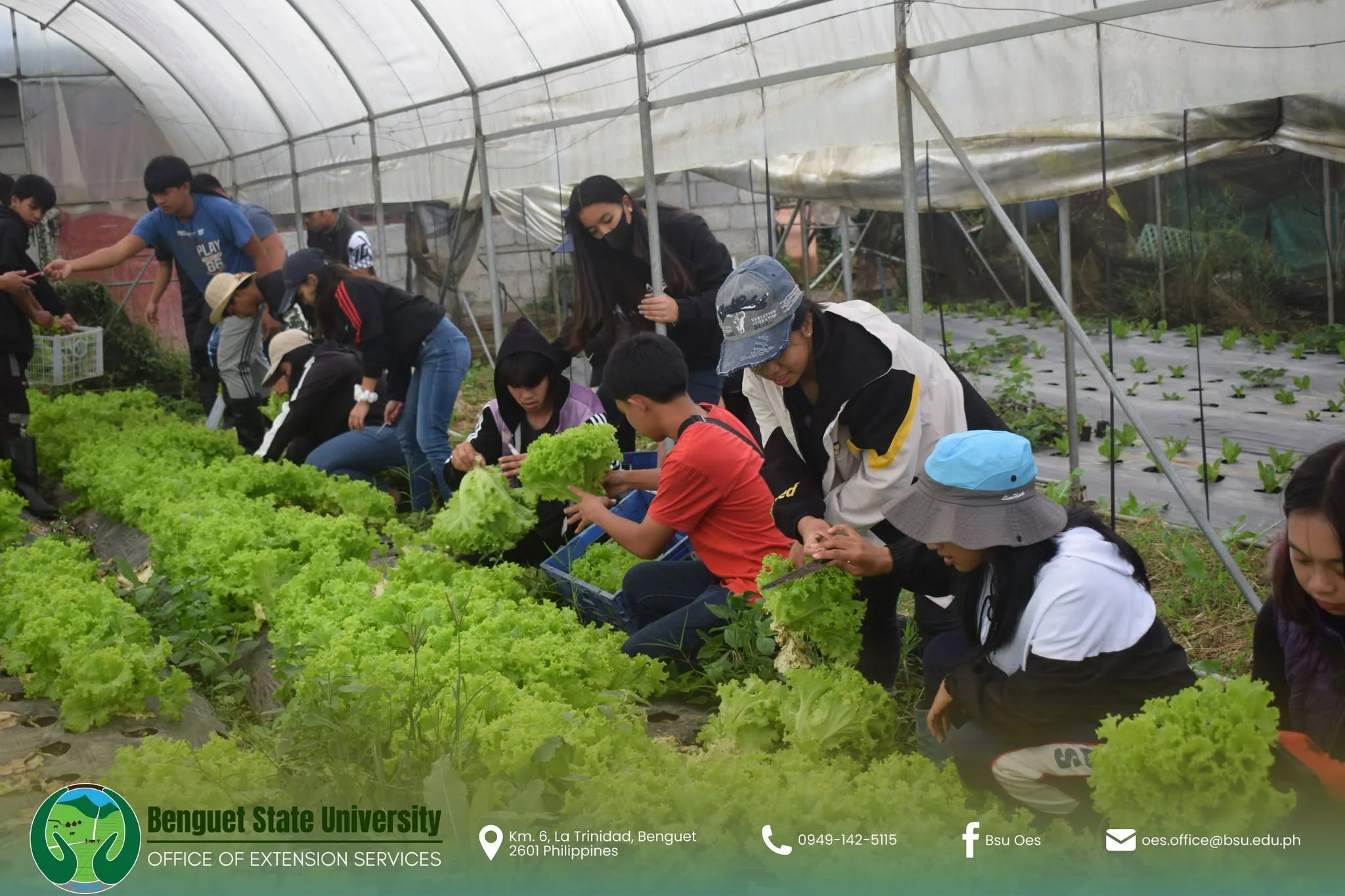
Originally published at (Hands on Training at BSU on Sustainable agriculture)
Benguet State University promotes the sustainable management of agricultural land through educational programs and extension activities led by its Office of Extension Services (OES), which facilitates the delivery of agricultural knowledge and technologies to communities. These initiatives are supported by the Institute of Highland Farming Systems and Agroforestry (IHFSA), which advances sustainable highland farming and agroforestry; the Cordillera Organic Agriculture Research and Development Center (COARDC), which promotes organic farming practices; and the Climate-Smart Agriculture Center (CSAC), which develops and demonstrates climate-smart technologies for improving soil health and agricultural productivity. The Cordillera Regional Apiculture Center (CRAC) also contributes through education on beekeeping and the role of bees in agricultural ecosystems.
One example of these efforts is the Hands-on On-site Skills Training (HOST) in Organic Agriculture, conducted from November 17 to December 15, 2025, at the BSU Demo Farm and partner centers. Through the collaboration of OES, IHFSA, COARDC, CSAC, and CRAC, the program provided 35 senior high school students from Tublay National Trade High School with practical training in organic agriculture, showcasing the students’ dedication to sustainable farming through real-world practice.
The students gained hands-on experience in soil media preparation, land and plot preparation using four-wheel and hand tractors, direct seeding, manual weeding, fertilizer application, and crop cultivation. They also participated in composting activities at COARDC and CSAC, learned about coffee harvesting, grading, pest management, and storage at IHFSA, and visited the apiary at CRAC to understand the role of bees in agricultural sustainability.
Through these collaborative extension activities, BSU shares practical knowledge and skills beyond the University, helping learners understand and apply sustainable practices in soil management, organic farming, agroforestry, and agricultural production.
Sustainable Management of Land for Tourism (Edu Outreach)
Originally published at (BSU IHFSA TARA KAPE)
Benguet State University promotes education and community outreach on sustainable land management through its academic programs, research and extension initiatives. The Institute of Highland Farming Systems and Agroforestry (IHFSA) includes sustainable agroforestry, biodiversity, and ecotourism in its mandate and provides training and extension services to farmers, students, and other stakeholders, while promoting biodiversity conservation and ecotourism in the highlands.
One example was the four-day IHFSA Open House held on September 16–19, 2025, at the Institute’s Bektey facility in Longlong, La Trinidad, Benguet. The Institute highlighted its biodiversity and agritourism initiatives through the relaunching of its biodiversity program. The activity featured discussions on the Natural Museum, which aims to showcase the rich biodiversity of the Cordillera, as well as the insectarium and apiary as components of IHFSA’s agritourism endeavors. Participants also joined a walkthrough of the biodiversity sites, providing an opportunity to learn about the Institute’s conservation initiatives and the area’s natural resources.
The Open House also featured activities related to sustainable agroforestry, including Arabica coffee tree planting, coffee roasting and brewing demonstrations, and coffee appreciation sessions. In addition, IHFSA, in collaboration with the Benguet Ashitaba and Aquilaria Botanicals Agricultural Cooperative (BAAB), conducted a Seminar and Investment Forum on Agarwood, which discussed agarwood cultivation, its botanical characteristics, and the requirements for establishing plantations.
Through these activities, IHFSA connects biodiversity conservation and sustainable agricultural practices with educational experiences that support the development of ecotourism and agritourism in the highlands.
Suppoting Land Ecosystems through Action
Sustainable Use, Conservation, and Restoration of Land
Benguet State University promotes the conservation, restoration, and sustainable use of terrestrial ecosystems through its Land Use Policy, Land Use Development and Infrastructure Plan (LUDIP) 2023–2032, and Climate Action Plan. The University’s Land Use Policy provides for the conservation of approximately 48.96% or 322.66 hectares of its landholdings as forest reserves and watersheds. The LUDIP also recognizes forested and open areas, including watersheds, parks, and other spaces with ecological functions, as designated land-use areas to guide campus development and land management.
The University further supports forest conservation and restoration through its Adopt-a-Forest Program, which covers communal forests in Puguis, Alno, Shilan, and Alapang. Through this initiative, BSU participates in activities that promote forest protection, environmental awareness, and the sustainable management of shared forest areas.
BSU also includes restoration measures in its Climate Action Plan, such as the replacement of exotic trees with fast-growing, climate-resilient native species and the assessment of carbon stock and carbon sequestration in adopted forests. In addition, the Bamboo Industry Development for Environment Conservation (BIDEC) project supports the rehabilitation of mined and degraded areas through bamboo planting, soil conservation, and the establishment of bamboo innovation model farms.
Through these policies, plans, and initiatives, the University works to protect its forest reserves and watersheds, restore degraded areas, and promote the sustainable management of terrestrial ecosystems within and beyond its campuses.
Monitoring IUCN and Other Conservation Species
Benguet State University supports the identification and conservation of local biodiversity through research and initiatives focused on documenting species found within its land reservations and other areas. One example is the study “Flight for Conservation: The Birds of Benguet State University Land Reservations, La Trinidad, Benguet,” which documented 46 bird species, including 44 indigenous and 15 endemic species. The study assessed the conservation status of the recorded species using the IUCN Red List Categories and Criteria and documented their population trends. Its findings provide baseline information on the University’s bird diversity and highlight the importance of sustaining conservation efforts in its land reservations.
The University also continues to strengthen its capacity for biodiversity research through initiatives such as the proposed BSU FLORA project, which aims to catalog endemic and threatened plant species within university forest reservation areas. In addition, the Biodiversity Research Center at the Bokod Campus provides institutional support for research and activities related to biodiversity conservation.
Through these research initiatives and facilities, BSU contributes to the documentation of local species and the generation of information that can guide future biodiversity monitoring and conservation efforts.
Local Biodiversity included in Planning and Development
Benguet State University incorporates environmental considerations into its campus planning and development through its Land Use Development and Infrastructure Plan (LUDIP) 2023–2032. The plan considers the physical and environmental conditions of the University’s landholdings and establishes land-use zones to guide campus development and infrastructure projects.
As part of its land-use classification, the University recognizes forested and open areas, including watersheds, parks, and other spaces with ecological functions. These areas are identified alongside other land-use zones to guide the allocation and development of university spaces. The LUDIP also includes existing and proposed land-use maps and infrastructure plans for the University’s campuses, providing a basis for planning future buildings, facilities, and other land improvements while considering the existing conditions and designated uses of the land.
Through this planning framework, BSU integrates the consideration of ecologically important areas into its long-term campus development and land management.
Alien Species Impact Reduction
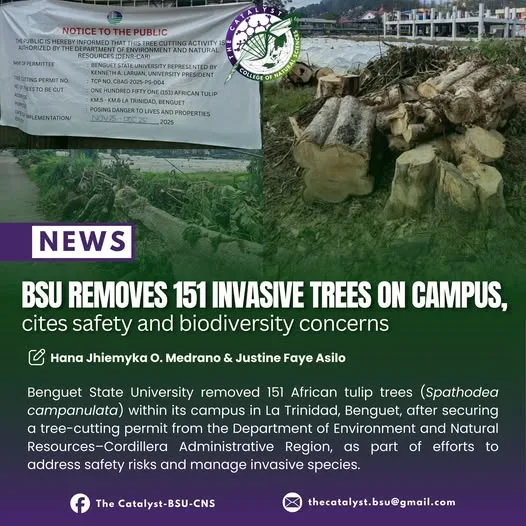
Originally published at (BSU removes 151 invasive trees on Campus)
Benguet State University addresses the impact of alien species through its Climate Action Plan, which identifies the replacement of exotic trees with fast-growing, climate-resilient native trees as one of its planned activities for a Green and Climate Smart University.
As part of this initiative, the University removed 151 African tulip trees (Spathodea campanulata), an exotic and invasive species, from its campus in December 2025, following the issuance of a tree-cutting permit by the Department of Environment and Natural Resources–Cordillera Administrative Region (DENR-CAR). Native to tropical West Africa, the African tulip tree is recognized as an invasive alien plant species in the Philippines. It can spread into disturbed areas and natural habitats, where it may form dense growth and compete with surrounding native vegetation. Its removal was intended to address biodiversity concerns and safety risks, as the tree has brittle wood and branches that are susceptible to breaking during strong winds.
The university is also committed to replacing the removed trees with indigenous and fruit-bearing species, promoting the use and conservation of native vegetation within the campus. This action is also consistent with the University’s Climate Action Plan, which identifies the replacement of exotic trees with fast-growing, climate-resilient native trees as one of its planned activities.
Collaboration for Shared Land Ecosystems
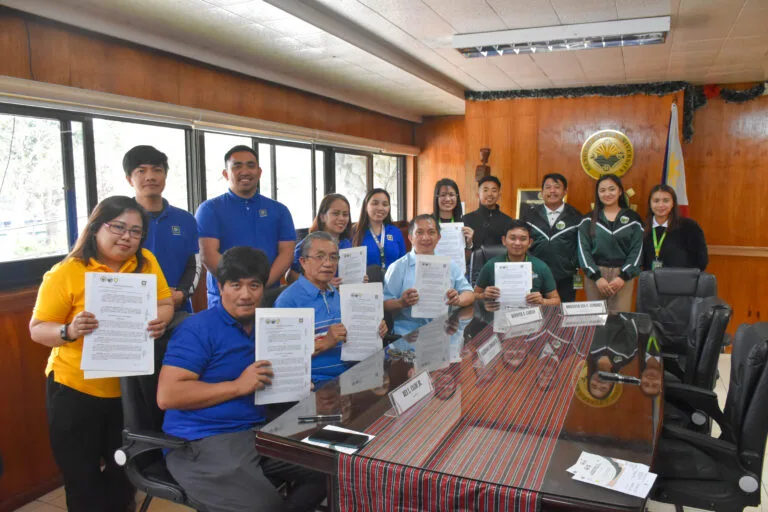
Originally published at (BSU and Benguet Corporation Collaborate to Rehabilitate mine areas, February 24, 2025)
Benguet State University collaborates with local government units, private organizations, barangay communities, and environmental agencies in the conservation, protection, and restoration of shared land ecosystems through formal partnerships and environmental initiatives.
A key initiative is the Bamboo Industry Development for Environment Conservation and Countryside Post-COVID Economic Boom (BIDEC) project, implemented by BSU through its College of Forestry in partnership with Benguet Corporation. The two institutions formalized their collaboration through a Memorandum of Agreement (MOA) signed on February 24, 2025. The partnership aims to promote bamboo production as an approach to environmental conservation and the rehabilitation of degraded mining areas in Antamok and Ucab, Itogon, Benguet.
Under the agreement, BSU-College of Forestry will establish a bamboo innovation model farm featuring giant bamboo, bayog, and kawayan-tinik. Benguet Corporation, on the other hand, commits to the maintenance and protection of the established bamboo farm. Through this shared undertaking, both institutions contribute to forest restoration, soil recovery, and the rehabilitation of degraded lands.
Aside from this partnership, BSU also works with the Local Government Unit of La Trinidad in the conservation of four communal forests: Alapang, Alno, Puguis, and Shilan, through its Adopt-a-Forest Program. These areas serve as sites for conservation, research, and extension activities.
The University also engages local environmental agencies and community stakeholders in forest protection and management. In 2024, the College of Natural Sciences and College of Forestry conducted an activity at Puguis Communal Forest, involving information activities on forest fire prevention and management and the installation of a signboard identifying BSU’s adopted area. The activity was supported by DENR-CAR, the Municipal Environment and Natural Resources Office (MENRO), the Puguis Barangay Council, and the Bureau of Fire Protection – La Trinidad.
Through these partnerships, BSU strengthens collaboration with government and private stakeholders in protecting communal forests, rehabilitating degraded areas, and promoting the sustainable management of shared land ecosystems.
Land Sensitive Waste Disposal
Water Discharge Guidelines and Standards
SUSTAINABILITY AND CONSERVATION PROGRAM
Water is a requirement for life. It is the most essential element for ecosystems to thrive. Humans have founded their civilizations alongside water sources and have since channeled the development of culture, economy and society. The role of water from organismal survival to the homeostasis of the biosphere should not only be overemphasized but protected, nurtured, and secured for incoming generations. Protecting and managing this finite resource ensures that society and environment can co-exist under the banner of sustainable development.
Today, water security is threatened by the impacts of climate change and irresponsible human activities. The challenge to curb these impacts rely on our urgent and dedicated commitment to act and be involved.
Benguet State University has taken on this challenge.
Water Sustainability Programs
- Balili River Rehabilitation Program
The Balili is a very important river system in Benguet. With a length of about 23.8 kilometers, it traverses Baguio city, La Trinidad and Sablan municipalities. According to the Water Body Classification and Usage of Fresh Water by The Department of Environment and Natural Resources (DENR), Balili is classified as a Class C river. This means that the water quality of the river is not fit for drinking and recreation that may involve contact such as swimming and bathing. It is, however, useful for agriculture, irrigation and use for livestock.
The process of rehabilitating a river requires a concerted effort from various sectors such as the Local Government Units (LGUs), the academe, private sectors, local communities, and other stakeholders. Benguet State University (BSU) involves itself on the areas of: Water Quality Management, research, revitalization, extension services, and partnership.
- Water Quality Management and Revitalization (WQMA Action Plan, BRSRC MOA)
In line with the DAO 2013-05 designating Balili River a Water Quality Management Area, an action plan for Balili river was conceptualized and pushed for implementation. The plan identified six objectives to which Benguet State University took lead for the first two objectives, namely:
- To decrease erosion and siltation and improve vegetation along the Balili river.
- In partnership with Watershed and Water Resource Research Center (WWRRC) and Governing Board members in La Trinidad and Sablan, BSU has committed to the following program implementation:
- Tree planting activities
- Inventory of researches done at BSU
- Phytoremediation and related researches
- In partnership with Watershed and Water Resource Research Center (WWRRC) and Governing Board members in La Trinidad and Sablan, BSU has committed to the following program implementation:
- To restore the river biodiversity.
- Biodiversity within the Balili river area has also become a concern as many of the species growing and thriving along and within the river system are indicators of water quality and the overall health of the river. The conduct of a flora and fauna inventory is the initial phase of this program.
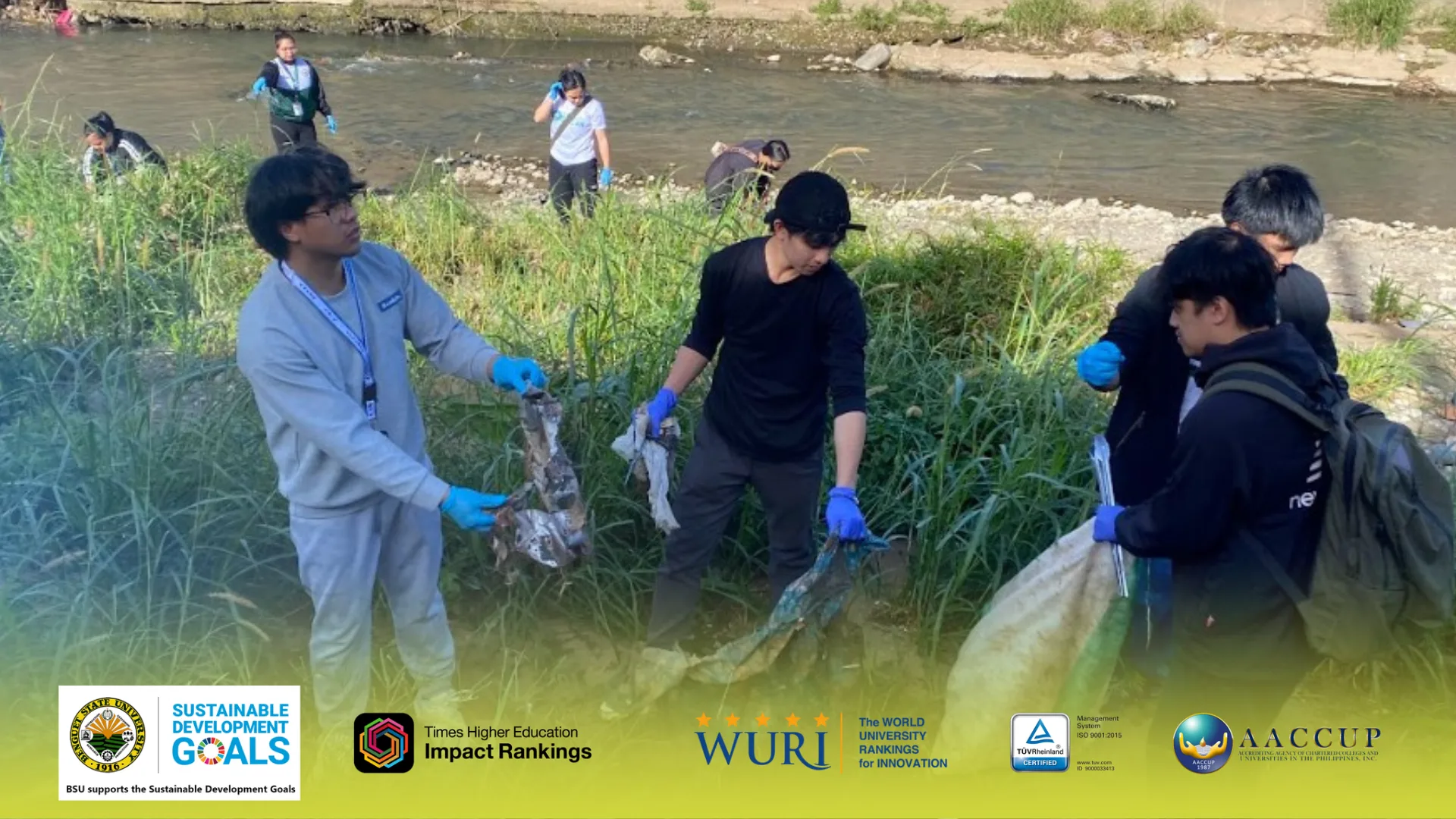
Originally published at (BSU joins Balili River Cleanup Drive)
Researches
The research program for the Balili river is a continuing endeavor for all levels of the academe. In response to already existing programs such the Water Quality Management program, researches are being oriented towards a rehabilitative approach for the Balili river. This development has established a multi-dimensional rehabilitation program by BSU. The program centers on four aspects of sustainable rehabilitation that is applicable not only to the Balili river system but to other bodies of freshwater resources as well. The four main thrusts of the research program for the Balili water resource quality management include the following dimensions:
- Biological dimension
- Chemical dimension
- Mathematical dimension
- Social dimension
Partnership and Consultation
- Extension (BUED Clean-up Drive, Health Impacts)
Extension programs on river clean ups are initiated by the different university student organization in cooperation with faculty and other employees. Aside from river clean ups, information drives are also conducted for social awareness regarding the importance of uncontaminated water resources.
- Partnership and Memberships (BR Action Plan, BRSRC MOA)
Part of the success of the Balili rehabilitation program is the synergy of actors working together. BSU has established memberships to relevant organizations and entered into partnerships with lead agencies and LGUs. These memberships and partnerships extend from student organizations to institutional-level agreements. The commitments forged in these partnerships have been central to the sustained development and implementation of the Balili Rehabilitation and Revitalization programs of the university.
- Adopt an Estero Program
The recognition of the need for the protection, maintenance, and management of tributaries leading to the Balili river has led BSU, the La Trinidad LGU, EMB and DENR to forge partnerships for the “Adopt an Estero” program particularly for the Bolo Creek which is a main tributary of Balili river. BSU as an adopter continues to enhance its programs in line with the success indicators for the water body program.
Policy on Plastic Waste Reduction
Benguet State University implements an institutional policy on plastic waste reduction through Office Memorandum No. 076, Series of 2025, entitled “Compliance to Plastic Waste Reduction in the University,” issued by the Office of the University President on May 7, 2025. The memorandum applies to all students and employees across all BSU campuses and establishes guidelines to reduce the use of single-use plastic bottles, utensils, and bags.
This initiative is likewise grounded in existing national environmental laws and policies, including Republic Act No. 9003 (Ecological Solid Waste Management Act of 2000), which mandates waste avoidance and reduction at source, and Republic Act No. 11898 (Extended Producer Responsibility Act of 2022), which promotes accountability across the plastic lifecycle, along with other relevant environmental regulations enforced by the Department of Environment and Natural Resources (DENR). As an academic institution and a catalyst for social and environmental transformation, the University recognizes its role in leading by example by adopting sustainable practices that minimize environmental impacts and promote environmental awareness among its academic community.
Under the memorandum, the use of single-use plastic bottles, utensils, and bags during university-sponsored meetings, conferences, seminars, and similar activities is prohibited. It also promotes the use of paper food containers, wooden utensils, and reusable water bottles and tumblers. Furthermore, colleges and offices are directed to disseminate information on plastic waste reduction, provide designated areas for waste segregation, and encourage the use of reusable bags.
To ensure implementation, Pollution Control Officers are tasked with monitoring and recording data on the reduction of single-use plastic bottles, utensils, and bags across all university campuses. These measures demonstrate BSU’s institutional commitment to reducing plastic waste and promoting environmentally responsible practices within the university.
Policy on Hazardous Waste Disposal
WASTE MINIMIZATION PROGRAM
The aim of the BSU waste management program is to minimize if not totally have a ‘zero waste’ policy. Minimization in the context of the BSU waste management plan includes the processes of segregation, recycling, re-use, reduction. In order to meet the demands of RA 9003, BSU has taken the following initiatives:
- The creation of a pollution control committee with members from the different colleges and departments (RESPhil-SCENe Membership, EWMP)
- Designation of an accredited Pollution Control Officer by the Environmental Management Bureau (EMB) (PCO Cert of Accre., PCO Designation)
- Adoption of a waste management auditing tool with partner organizations. (REC Members Dir)
- Development and Implementation of a BSU Waste Management Plan. (BSU EWMP)
The Pollution Control Office (PCO) at Benguet State University (BSU) manages environmental compliance, sustainability, and waste management initiatives across the university.
AWARENESS PROGRAM
In order to enjoin all BSU employees and students, awareness and information drive is regularly being conducted through:
- Seminar Workshops
In-Service Education - Student organization activities (Waste minimization, BSU ECO Fashion Show, NSTP Activities)
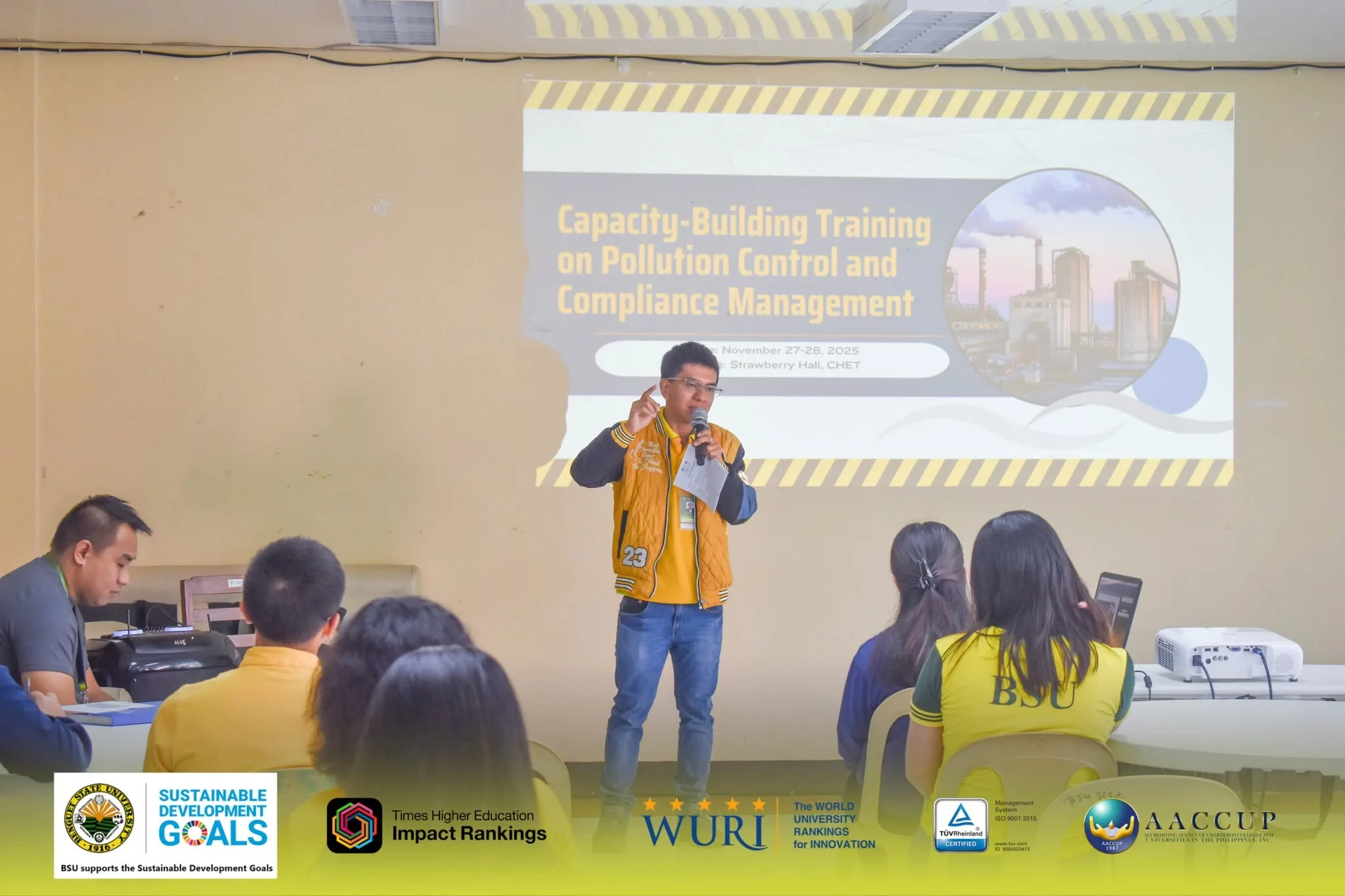
Originally published at (Capacity Building Training on Pollution Control and Compliance Management at Strawberry hall, November 27-28, 2025)
RESEARCH
BSU encourages the integration of waste management research in different programs within the curriculum as part of knowledge production and awareness enhancement. Students as well as faculty are enjoined to conduct studies on waste management as part of the overall waste management program.
- Daan sa Kalinisan Alay ng Kabataan
Healthy Environment for a Healthy Living
EXTENSION PROGRAM
Clean-up drives is an annual staple for the waste management program. It covers various areas within Benguet and involves the participation of students and employees. This aspect of the waste management program intensifies awareness in communities outside the BSU campus, instills a sense of responsibility in students and employees, and encourages civic involvement and volunteerism.
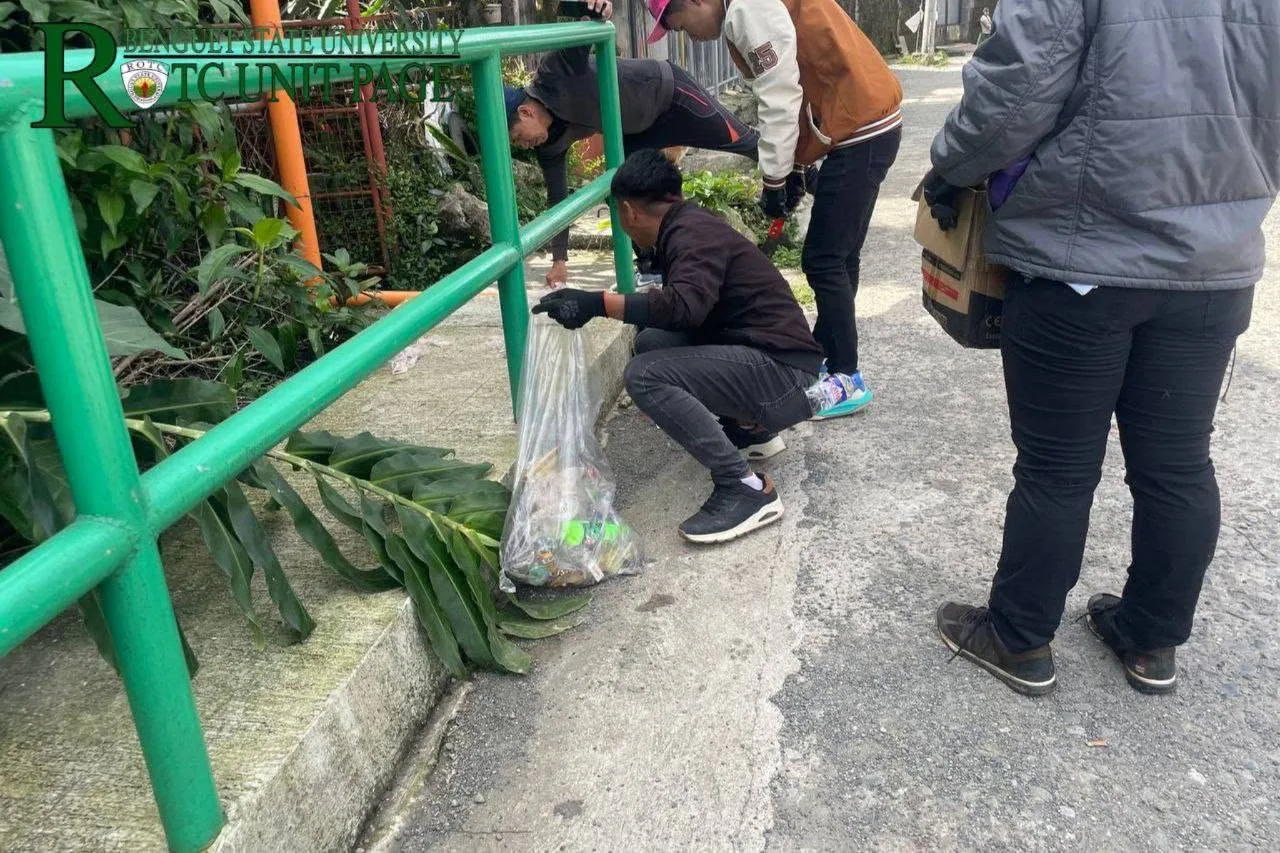
Originally published at (Declogging Activity of BSU Reserve Officer Training Corps Unit at Barangay Balili, November 15, 2025)
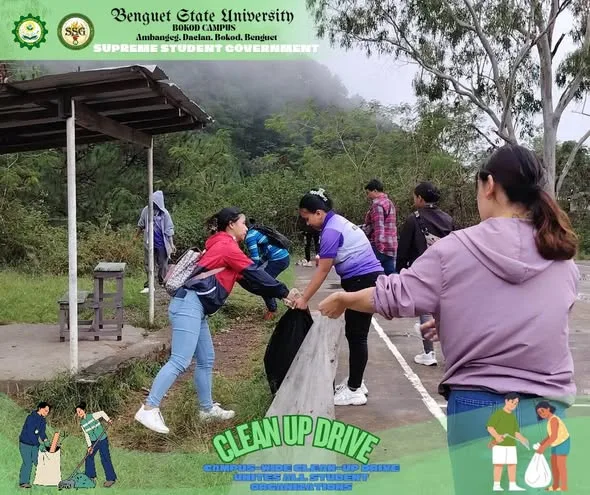
Originally published at (BSU Bokod Campus Clean-Up Drive)
PARTNERSHIP AND CONSULTATION
The continuing partnership with the LGU provides an integrated approach to the solid waste management program within and outside of BSU. The process of consultation between institutions provide a seamless transfer of knowledge that is crucial in the development of policy, project implementation and community development.