


















Benguet State University (BSU) continues to advance its climate action agenda through consistent tracking of low-carbon energy use, environmental education, and collaborative initiatives that support local communities and government units. Guided by the United Nations Sustainable Development Goal 13 (Climate Action), the university integrates research, policy, and practice to mitigate climate impacts and promote sustainability across all operations.
Low-Carbon Energy Use
Academic institutions and colleges are important educators for climate actions and sustainable environmental management but their operations themselves generate CO2 emission that needs proper accounting and reporting. With this, Benguet State University (BSU) tracked the amount of low carbon energy used across its operation from 2023 to 2025.
The university used 1,008.99 MWh or 3,632.36 GJ of electrical energy in 2023 and 1,123 MWh or 4,043 GJ in 2024 while projected to be 1,017 MWh or 3,663 GJ in 2025. The monthly electric consumption varies at 70 – 119 MWh (Figure 1A and Table 1) with generally greater values in January to February then gradually decreases in the succeeding months except in 2024 where the electric consumption spike in August-September. The total electric consumption of the university was equivalent to 954.50 Mg CO2 emission in 2023 that increased to 1062.34 in 2024 but is now projected to decreased to 962.47 this 2025 (Figure 1B). The huge increase in 2024 could be attributed to the increased student intake who had to consume more electricity for their classes, research and extension activities while the projected decrease this year is attributed to the initiatives to save resources and minimize wastage.
Table 1. The Monthly Electric Consumption of Benguet State University (2023-2025):


Figure 1. The electric consumption and the corresponding CO2 emission of Benguet State University (A1 – monthly electric consumption MWh; A2 – monthly corresponding CO2 emission; B – annual electric consumption and CO2 emission from 2023-2025)
Another low carbon energy being used in the university are the solar-powered outdoor lights installed along the campus road and the solar panel in the University Library (Figure 2). The annual total energy generation from the solar lights is estimated at 73 KWh/yr or 0.26 GJ/yr while the 10 solar panel unit in the University Library generates 8.91 MWh or 32.08 GJ/yr. Additionally, the university is located in a highly elevated valley with semi-temperate climate and hence are not using air conditioning units results to saving electricity amounting to 415.8 MWh or 1,496.88 GJ per year.

Figure 2. The low carbon energy being used in Benguet State University
Other (Non-low) Energy Consumptions
The diesel consumption of the university vehicles is mainly for local travel to fulfill its four-fold function namely instruction, research, extension and production. From 2023-2024, the monthly diesel consumption was 1,520 – 9,084 L with higher values in March, October and November and least during December (Figure 3A). The total diesel consumption of the university for year 2023 is 75,137 L, equivalent to 203.50 Mg CO2, 72,828 L or 192.14 Mg CO2 in 2024 and projected to be much lower in 2025 at 21,918 L or 59.36 14 Mg CO2 (Figure 3B). The sharp decrease this 2025 is due to the aggressive moves to cut unnecessary travels of the university vehicles. Additionally, emission from the vehicles and motorcycles of employees and students were estimated at 24,408 L or 66.11 14 Mg CO2 for vehicles and 8,928 L or 24.18 Mg CO2 for motorcycles. In total, the estimated fuel consumption and emission from the university are 55,254.55 L, equivalent to 149.65 Mg CO2 emission in 2025.

Figure 3. The fuel consumption and corresponding CO2 emission of Benguet State University on a monthly basis (A) and yearly basis (B) from 2023-2025. Additionally, the vehicle and motorcycles of employees and students were included in 2025 fuel (Mg) accounting in Fig. 3C.
Another energy consumption of the university is the use of liquid petroleum gas (LPG) in the canteen, bakery and food processing centers being maintained by the university. The total LPG used for year 2023 is 6,335 L which is equivalent to 9.57 Mg CO2 emission (Figure 4) while 5,900 L equivalent to 8.91 Mg CO2 emission in 2024. This decreased to 3,518 L in 2025 equivalent to 5.31 Mg CO2 emission.

Figure 4. The LPG consumption and corresponding emission of Benguet State University from 2023-2025
Amount of Low Carbon Energy Used Across The University
The total energy used by Benguet State University was 6,645.74 GJ in 2023, 8,321.25 GJ in 2024 and 7,280.24 GJ in 205. Out of this, the amount of low carbon energy (electricity, solar panel and energy saved due to non-use of aircon) used was 3,632.30 GJ in 2023, 5,539.88 in 2024 and 5, 159.90 in 2025 contributing to 55%, 67% and 71%, respectively on the total university’s energy use.
Table 2. Amount of low carbon energy used across the university

Local Education Programmes on Climate
Benguet State University provides local education programmes and awareness activities on climate change, environmental risks, and disaster preparedness through academic instruction, research presentations, conferences, and co-curricular activities. These initiatives cover climate change risks and impacts, mitigation, adaptation, disaster risk reduction, environmental protection, and the use of technologies for monitoring environmental conditions.
Originally Published at: (Bridging science, policy and practice: A Look at ICFEC 2025)
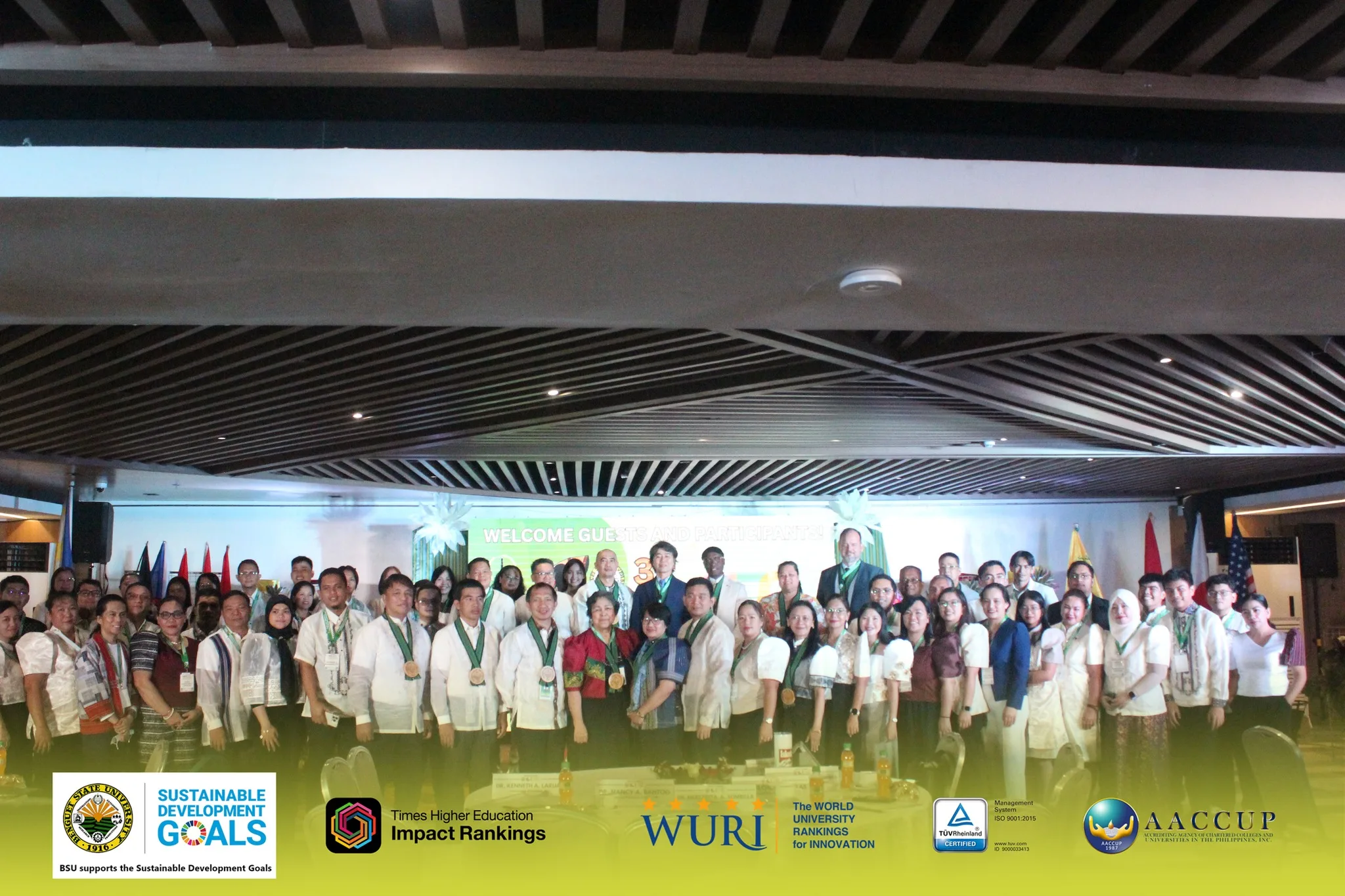
One of the University’s major educational initiatives was the 3rd International Conference on Food, Environment, and Culture (ICFEC 2025), held on November 5–7, 2025, at Hotel Supreme in Baguio City. The conference gathered 134 delegates from different countries under the theme, “Global Conversations and Cooperations on Science, Technology, Innovations, and Culture Towards Sustainable Communities.” Its environmental sessions featured discussions on forest biodiversity and resilience, disaster prevention, forest fire monitoring, and environmental pollution reduction. Among the presentations were the use of Geographic Information Systems (GIS), remote sensing, and artificial intelligence to monitor forest conditions and detect fire damage, as well as approaches to strengthen ecosystem resilience and address environmental hazards. Through the conference, BSU provided a platform for sharing scientific knowledge, research findings, and practical approaches to environmental protection, climate resilience, and sustainable resource management.
Climate-related topics are also integrated into the University’s academic programs. These include the following courses:
| Degree Program | Climate-Related Course |
| Bachelor of Arts in History | Environmental Anthropology with GIS |
| Bachelor of Science in Environmental Science | Disaster Risk Reduction and Management and Climate Action Planning (Lecture and Laboratory) |
| Bachelor of Science in Forestry | Tropical Forestry and Climate Change |
| Master of Science in Environmental Science | Environmental Risk Assessment and Management |
Additionally, climate change and global warming are among the topics discussed in Environmental Science (MST 21), an undergraduate course offered to students from various academic programs across the University, including:
- Bachelor of Elementary Education
- Bachelor of Library and Information Science
- Bachelor of Technology and Livelihood Education
- Bachelor of Physical Education
- Bachelor of Early Childhood Education
- Bachelor of Science in Mathematics
- Bachelor of Secondary Education
- Bachelor of Science in Statistics
- Bachelor of Arts in Filipino Language
- Bachelor of Science in Nutrition and Dietetics
- Bachelor of Science in Tourism Management
- Doctor of Veterinary Medicine
- Bachelor of Public Administration
- Bachelor of Science in Agribusiness
- Bachelor of Science in Information Technology
- Bachelor of Science in Food Technology
- Bachelor of Science in Chemistry
- Bachelor of Science in Biology
Another undergraduate course that covers climate change risks, impacts, mitigation, adaptation, impact reduction, and early warning is the National Service Training Program (NSTP). Offered in compliance with Republic Act No. 9163, the course aims to promote civic consciousness and preparedness among students. A sample NSTP course syllabus is available through the University’s official website.
Beyond classroom instruction, BSU also disseminates information on climate change, global warming, and disaster risk reduction and management through co-curricular activities such as Environmental Science Week and Biology Week. In 2025, these educational initiatives included the Youth Leadership Training organized by the College of Natural Sciences on February 8, which featured discussions on environmental management and youth environmental advocacy, and a February 10 training on the La Trinidad Environment Code and selected local environmental policies and laws. These activities involved resource persons from the local government and the Municipal Environment and Natural Resources Office, helping students understand environmental concerns and their role in addressing them.
Please see pictures here (Biology Week 2025)
Through its academic programs, international knowledge-sharing activities, and co-curricular initiatives, Benguet State University continues to provide opportunities for students and other participants to learn about climate-related challenges, environmental protection, and measures that contribute to community resilience.
Climate Action Plan
Benguet State University has developed and implemented a project-based Climate Action Plan outlining its strategies and commitments toward becoming a Green and Climate Smart University. The plan covers greenhouse gas emission monitoring, carbon stock and sequestration assessment, climate change education, forest conservation, climate-proofing initiatives, and climate-related research. It is made publicly accessible through the University’s official website, while its climate action priorities are carried out through partnerships and extension initiatives involving local government units and communities.
One example is the University’s Adopt-a-Forest Program, implemented in collaboration with the Municipality of La Trinidad. Through this partnership, BSU works with the local government to conserve four remaining communal forests: Alapang, Alno, Puguis, and Shilan. These forests serve as conservation areas as well as research and extension sites for the University. The partnership supports the University’s climate action priorities on forest conservation, carbon sequestration, and the protection of natural resources.
Through its publicly available Climate Action Plan and its collaboration with local government units, BSU communicates and advances its climate action commitments beyond the university campus.
Table 4. BSU’s planned activities towards a green and climate smart university

Co-operative Planning for Climate Change Disasters
Benguet State University participates in collaborative initiatives with government agencies and local government units to strengthen the use of scientific and geospatial information in climate adaptation and disaster risk reduction. Through these engagements, the University contributes to capacity-building efforts that help participating institutions apply geospatial technologies in assessing risks, planning land use, and addressing environmental challenges.
Originally published at (BSU in EU Copernicus Training)
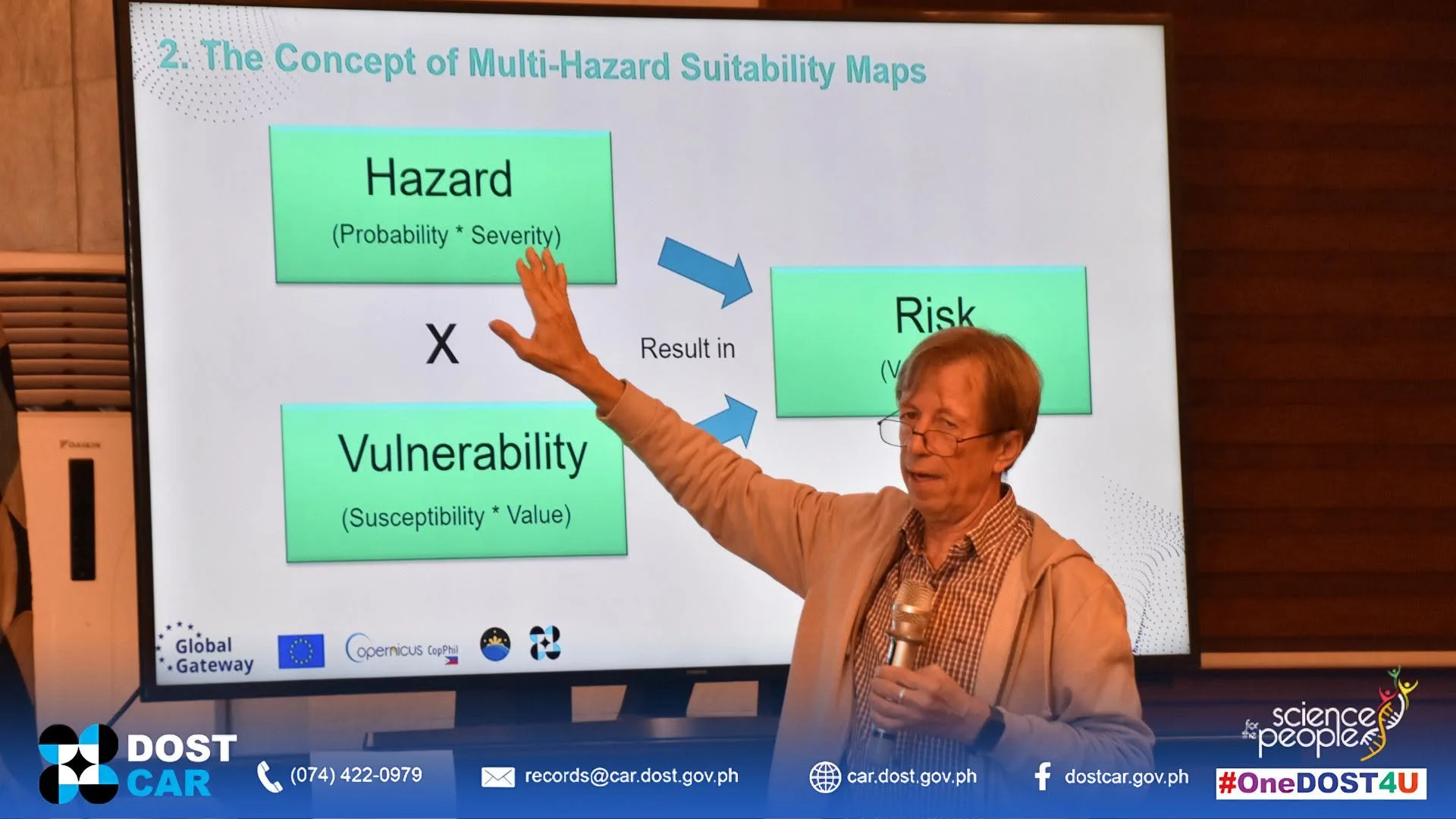
One example was the EU Copernicus Trainings for the Smart and Sustainable Communities Program (SSCP) Partner LGUs and Earth Observation Professionals, held from July 28 to 31, 2025. The four-day training brought together 23 participants from higher education institutions, local government units, and partner government agencies across the Cordillera Administrative Region and Region 1, including Benguet State University. Participants undertook hands-on exercises on Earth Observation, Geographic Information Systems (GIS), and the use of Copernicus satellite data for disaster risk reduction, climate adaptation, land-use planning, and natural resource management. The training also included real-world case studies that demonstrated the application of these technologies to local development concerns.
Through its participation, BSU engaged with local governments, higher education institutions, and government agencies in strengthening technical capacities and promoting the use of geospatial information for climate adaptation and disaster-risk-related planning.
Inform and Support Government

Originally published at (Project SARAI Kordilyera, DOST Staff Boost Skills in Geospatial Tools)
Benguet State University supports government efforts in climate-related disaster risk assessment, monitoring, and preparedness by providing technical expertise and training in geospatial technologies. Through its Center for Geoinformatics, the University works with government agencies to strengthen their capacity to use geographic information, satellite imagery, and spatial analysis in identifying environmental conditions and assessing potential risks.
One example is the collaboration between BSU’s Center for Geoinformatics and the Department of Science and Technology (DOST) through Project SARAI Kordilyera. From February 3 to 6, 2026, the Center conducted a four-day training on Geographic Information Systems (GIS), Remote Sensing (RS), and Google Earth Engine (GEE) for 16 participants from Project SARAI Kordilyera and DOST regional and provincial offices. The training combined lectures and practical exercises on spatial analysis, satellite imagery, agricultural landscape assessment, and the production of geospatial maps and outputs. These technologies allow government personnel to analyze agricultural conditions, land-use patterns, and environmental changes using geospatial information. The training aimed to strengthen their ability to use these tools in agricultural planning and disaster risk reduction. It also enhanced the capacity of DOST regional and provincial offices to provide science-based information and technical support to local governments, farmers, and other stakeholders in their respective areas.
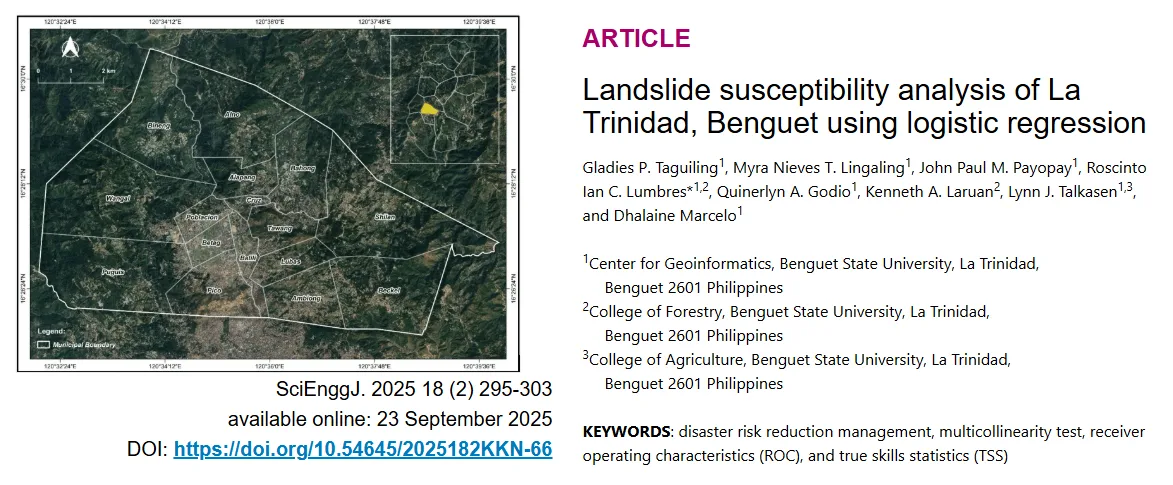
Originally Published at (Landslide Susceptibility Analysis of la Trinidad, Benguet using Logistic Regression)
Through this collaboration, BSU contributes its technical expertise and institutional resources to strengthen the government’s capacity for climate-related risk assessment, agricultural monitoring, and disaster preparedness.
Environmental Education Collaborate with NGOs
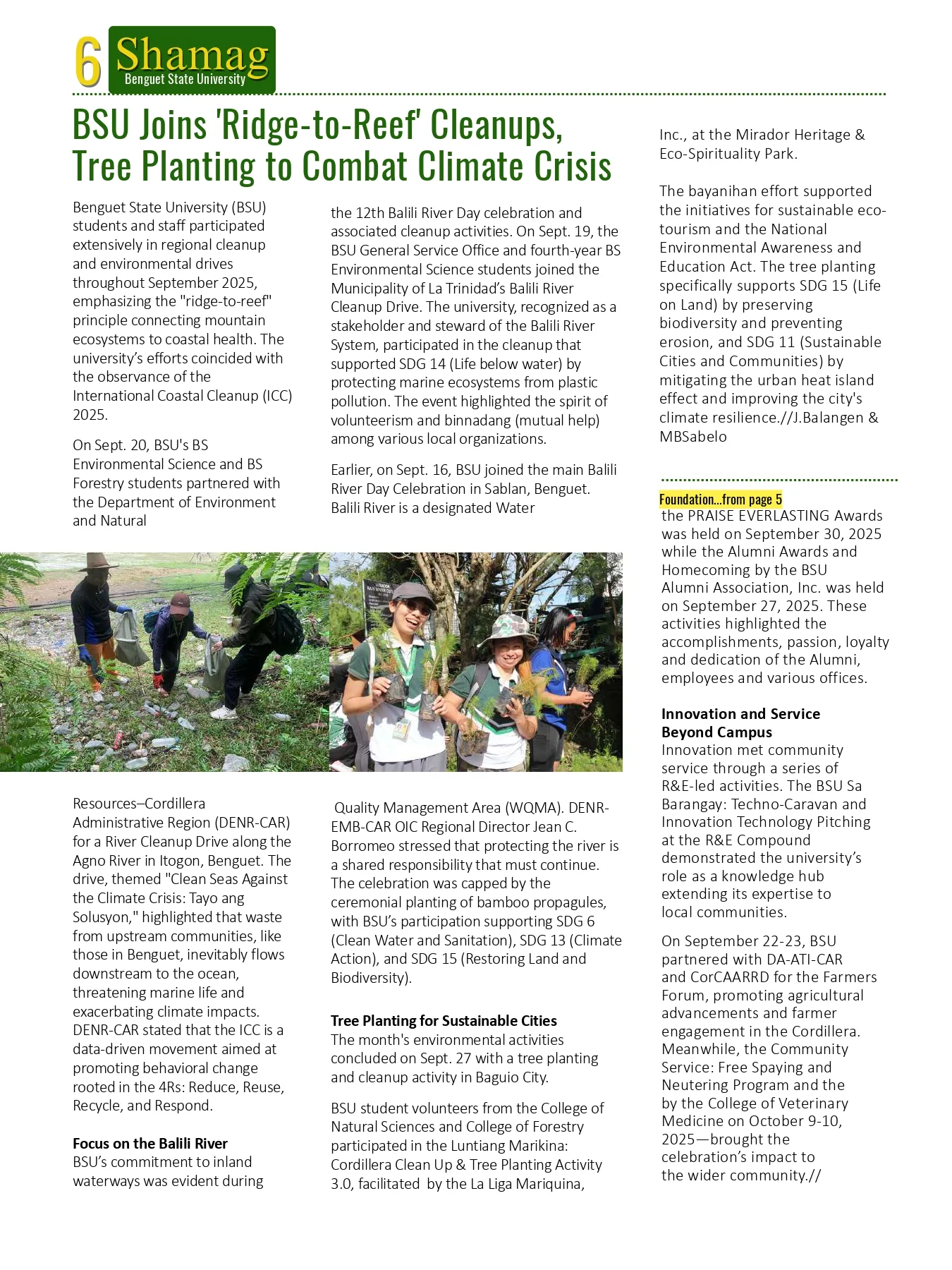
Originally published at (Shamag, Vol. XXVIII, No. 9, September 2025, p. 6, Benguet State University)
Benguet State University collaborates with non-government organizations (NGOs), foundations, farmers’ organizations, and other partners on initiatives that promote environmental protection, sustainable agriculture, and community resilience to climate-related challenges. Through these partnerships, the University participates in activities that help protect natural ecosystems, strengthen local livelihoods, and improve access to essential resources.
One example is BSU’s collaboration with La Liga Mariquina, Inc. through the Luntiang Marikina: Cordillera Clean Up and Tree Planting Activity 3.0, held on September 27, 2025, at Mirador Heritage and Eco-Spirituality Park in Baguio City. Student volunteers from the College of Natural Sciences and College of Forestry joined the cleanup and tree-planting activity, which promoted environmental stewardship, biodiversity conservation, and sustainable ecotourism. This collaboration was part of BSU’s broader participation in the September 2025 Ridge-to-Reef environmental initiatives, which emphasized the connection between upland ecosystems, river systems, and coastal environments. Other activities included the Agno River Cleanup Drive in Itogon on September 20, conducted in partnership with the Department of Environment and Natural Resources–Cordillera Administrative Region, and the Balili River cleanup and bamboo planting activities held in connection with the 12th Balili River Day. These efforts help protect waterways, maintain vegetation cover, and promote community awareness of environmental challenges and climate resilience.
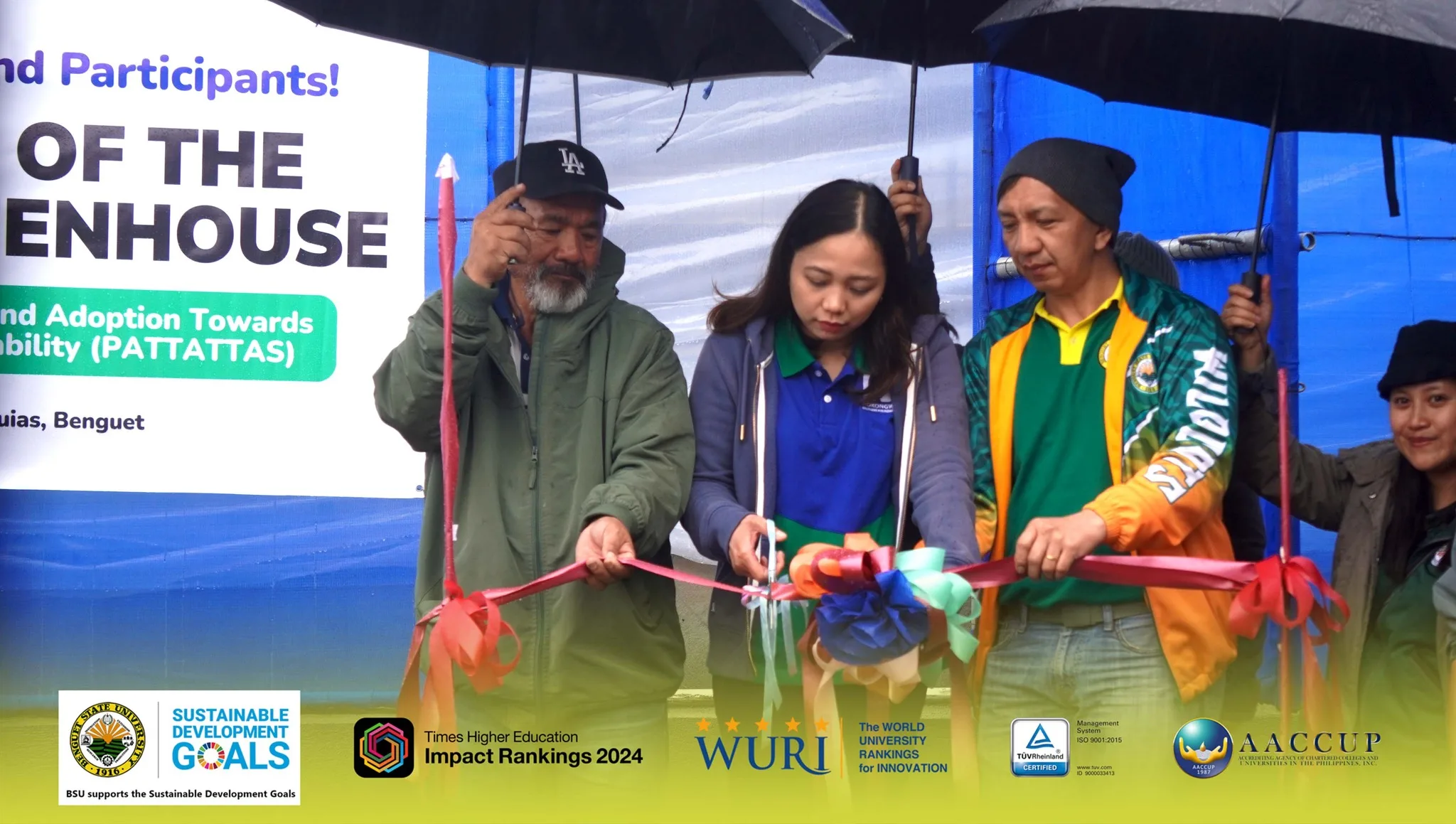
Originally Published at (BSU launches potato project to boost local production)
Another partnership is the Potato Advanced Technologies for Transfer and Adoption Towards Transformation and Agri-preneurial Sustainability (PATTATTAS) project, implemented by BSU in collaboration with the Gokongwei Brothers Foundation, Shang Properties, Kerry Group Philippines Foundation, and the United Potato Producers of Benguet and Mountain Province, Inc. The project was launched in September 2025 with the inauguration of a greenhouse in Natubleng, Buguias, Benguet, the first of three planned facilities in Buguias and Kabayan. It aims to help farmers produce quality potato planting materials locally through improved propagation technologies and greenhouse facilities. Under the partnership, the foundations provide financial and technical support, BSU contributes research expertise, soil testing, land evaluation, and farmer training, while the farmers’ organization assists in identifying suitable sites, selecting farmer leaders, and monitoring project activities. By improving access to quality planting materials and strengthening farmers’ capacity to sustain potato production, the initiative supports agricultural sustainability and local livelihood resilience.
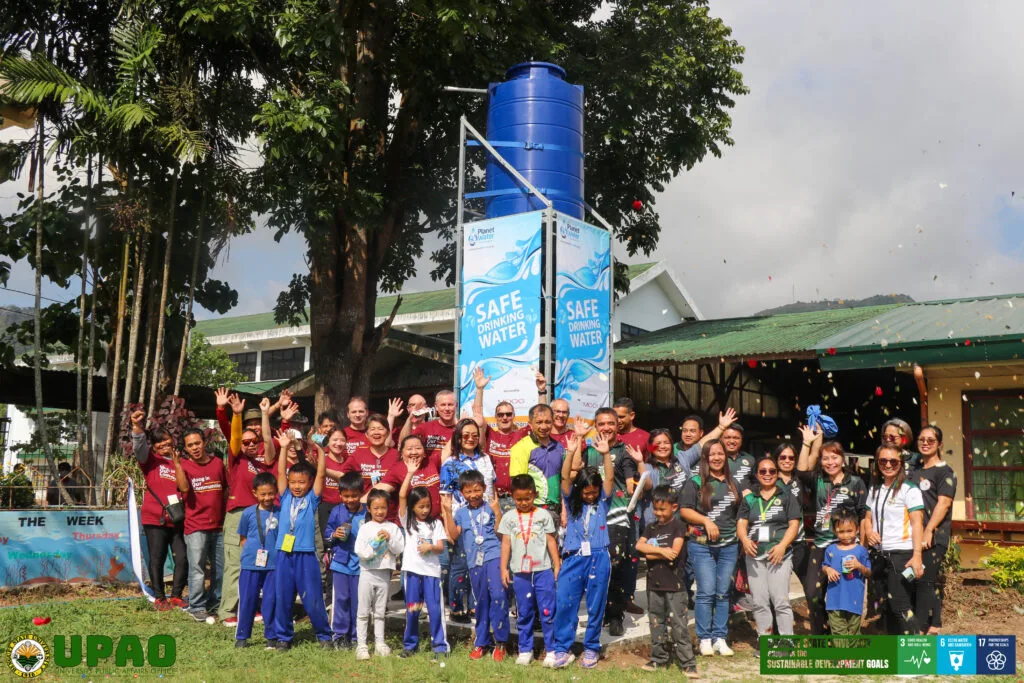
Originally Published at (Moog Controls Corp. and Planet Water Foundation install AquaTower at BSU)
BSU also partnered with the Planet Water Foundation and Moog Controls Corporation for the installation of an AquaTower water tank and filtration system at the BSU Elementary Laboratory School on March 14, 2025. The project provides pupils and the school community with access to clean and safe drinking water, together with handwashing and sanitation facilities. Aside from the installation, the partners conducted educational activities for pupils on hygiene and the importance of clean water. They also demonstrated the operation and maintenance of the AquaTower to school faculty to help ensure its continued use. This initiative supports community access to safe water and strengthens awareness of proper water and hygiene practices.
Commitment to Carbon Neutral University
The Benguet State University, with its four-fold function of instruction, research, extension and production, is committed in making its internal operations conducive for climate action by:
- Calculating greenhouse gas (GHG) emissions from our operations.
- Estimating the carbon stock and carbon sequestration of its land areas and forest reserves.
- Enhancing the carbon sink potential of the university thru adopt-a-forest schemes and research linkages.
BSU’s carbon sink commitment encourages more efficient instruction, research, extension and production operations that help mitigate climate change. It is also consistent with BSU’s strategy of instructing and empowering its students and staff towards awareness and action on limiting and responding to challenges brought by climate change and to ensure that BSU’s projects are environmentally and socially sustainable. This factsheet focuses on the carbon footprint of the BSU’s internal operations.
Calculating our Greenhouse Gas (GHG) Emissions
Direct (Non-Low-Energy) CO2 Emissions. The university maintains a fleet of vehicles mainly for local travel to fulfill its four-fold function, namely instruction, research, extension and production. The total diesel consumption of the university for year 2023 is 75,137 L equivalent to 203.50 Mg CO2, 72,828 L or 192.14 Mg CO2 in 2024 and projected to be much lower in 2025 at 21,918 L or 59.36 14 Mg CO2. In 2025, the emission from the vehicle and motorcycle of employees and students was included estimated at 24,408 L or 66.11 14 Mg CO2 for vehicles and 8,928 L or 24.18 Mg CO2 for motorcycles. In total, the estimated fuel consumption of the university is 55,254.55 L equivalent to 149.65 Mg CO2 emission in 2025.
Another direct CO2 emission of the university is the use of LPG in the canteen, bakery and food processing centers being maintained by the university. The total LPG used for year 2023 is 6,335 L which is equivalent to 9.57 Mg CO2 emission (Figure 10) while 5,900 L equivalent to 8.91 Mg CO2 emission in 2024. This decreased to 3,518 L in 2025 equivalent to 5.31 Mg CO2 emission.

Figure 10. Greenhouse emission from Direct (Non-Low-Energy) CO2 Emissions of Benguet State University
Indirect (Low-Energy) CO2 Emissions. The university used 1,008.99 MWh or 3,632.36 GJ of electrical energy in 2023 and 1,123 MWh or 4,043 GJ in 2024 while projected to be 1,017 MWh or 3,663 GJ in 2025. The monthly electric consumption varies at 70-119 MWh with generally greater values in January to February then gradually decreases in the succeeding months except in 2024 where the electric consumption spiked in August-September. The total electric consumption of the university was equivalent to 954.50 Mg CO2 emission in 2023 that increased to 1062.34 in 2024 but is now projected to decreased to 962.47 this 2025.
Direct (Low-Energy) CO2 Emissions. The university is slowly but steadily going towards low carbon energy sources such as the installation of solar-powered outdoor lights along the campus road and the solar panel in the University Library. The annual total energy generation from the solar lights is estimated at 73 KWh/yr or 0.26 GJ/yr while the 10 solar panel unit in the University Library generates 8.91 MWh or 32.08 GJ/yr. Additionally, the university is located in a highly elevated valley with semi-temperate climate and hence are not using air conditioning units results to saving electricity amounting to 415.8 MWh or 1,496.88 GJ per year.
Calculating the BSU’s Carbon Stock and Carbon Sequestration from Its Forest Reserves
Four major carbon pools were identified to occur in BSU La Trinidad campus namely tree carbon, shrub/ understory, herb and litter and soil carbon. Tree carbon includes both above-ground and below-ground carbon. Combining all the carbon pools, researchers from BSU estimated the total carbon stock (Figure 11) with the lowest values recorded in BSU Main Campus at 20.07 Mg/ha while the forest reserves had 119.96 – 191.19 Mg/ha. The same trend with tree carbon was observed wherein BSU’s Institute of Highland Farming Systems and Agroforestry (IHFSA) forest reserve (upper and middle stations) had significantly highest carbon stock. This is due to the fact that tree carbon contributes 87% of the total carbon pool, followed by soil (7.83%), shrub/ understory (4.75%) and least in herbs and litter (0.08%). Multiplying the carbon stock with the total land area of the sampling stations, the carbon stocks of the different land areas of BSU were determined. BSU’s IHFSA and Climate-Smart Agriculture Center (CSAC) forest reserve recorded the highest carbon stock at 7,075 and 5,690 Mg C. On the other hand, the BSU Main Campus had highest land area but only contributes to 1,685 Mg C which is expected since this area contains the building, open-ground and agricultural areas of the university but with interspersed tree lines. Over-all, the BSU La Trinidad campus had an estimated carbon stock of 15,660.08 Mg C.
The carbon sequestration was estimated from the carbon stock by considering the growth rate of the trees. Following the trend of the carbon stock, the IHFSA and CSAC Forest Reserve recorded the highest carbon sequestration at 1,643 and 1321 Mg CO2/yr. Over-all, the BSU La Trinidad campus had an estimated carbon sequestration of 3,636.26 Mg CO2/yr.
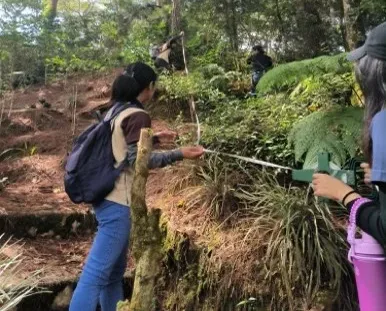


Figure 11. Assessment of carbon stock and carbon sequestration in BSU’s forest reserves
Total CO2 Emissions vis-à-vis CO2 Sequestration in Benguet State University
Over-all, the university’s CO2 emission was estimated at 1,167.57 Mg in 2023, 1,263.39 in 2024 and projected to be at 1,117.43 in 2025. These values are much lower than the 3,636.26 Mg CO2/yr sequestered by its land areas and forest reserves. This shows that the university is more than carbon neutral but is actually carbon sink. The land area of the university, including its forest reserve, is sequestering 2,330 Mg CO2/ year more than the CO2 emission from its operations.

Figure 12. Over-all Carbon Stock and Carbon Sequestration in the Land Areas of Benguet State University (A – total carbon stock (Mg/ha); B – carbon pool contribution; C – total carbon stock (Mg); D – total carbon sequestration (Mg/yr)) Note: Means with the same letter are not significantly different at 0.05 Tukey’s Test

Figure 13. The land area of Benguet State University as a carbon sink
Enhancing BSU’s Carbon Sink Potential thru its Adopt-A-Forest Program
The university further improved the carbon sink potential of its land areas by continuous maintenance of its forest and tree planting activities in its idle land (Figure 14). Also, the university had partnered with different local government units in Benguet for the Adopt-A-Forest Program. These adopted forests serve as research and extension areas for conservation by the university. Currently, the university has active collaboration with La Trinidad LGU for the conservation of the four remaining communal forest namely Alapang, Alno, Puguis and Shilan Communal Forests.


Figure 14. Tree planting and forest maintenance activities being done by BSU to improve its carbon sink potential
As to date, researchers from the university were able to estimate the carbon pool and carbon sequestration potential of the adopted Alapang and Puguis Communal Forest. In Alapang Communal Forest (Figure 15, Table 4), the tree carbon pool contained the highest carbon followed by soil and least in the understory & litter. Pine stations had significantly higher tree carbon (232.75 – 340.93 t/ha) than depressed stations (35.62 – 105.56). Consequently, pine stations have the highest total carbon stock at 249.64 – 353.70 t/ha compared to 49.23 – 118.98 t/ha in the depressed stations. Station 2 had the highest mean carbon stored at 355.70 t/ha-1, followed by Station 1 at 284.31 t/ha-1 and Station 4 at 249.64 t/ha-1. On the other hand, Station 5 had the lowest total carbon stock at 49.23 t/ha-1. Understory & litter carbon ranged from 1.32 – 2.40 t/ha and did not differ significantly between stations. On the other hand, soil carbon ranged from 11.21 – 15.08 t/ha with slightly higher values in pine stations that depressed stations. The carbon stock between the sampling station averaged at 192.54 t/ha and multiplying that with the total area of the forest, the total carbon stock of Alapang Communal Forest was estimated at 6, 931.44 t.
On the other hand, the estimated carbon stock of Puguis Communal Forest (Figure 16, Table 5) had tree containing the highest carbon followed by soil and least in the understory and litter. Station 4 had the significantly highest tree carbon stock at 235.67 t/ha while much lower in Station 3 with 127.46 t/ha, Station 1 with 117.99 t/ha and lowest in Station 2 at 111.25 t/ha-1. Consequently, Station 4 had the highest total carbon pool at 247.57 t/ha while the other stations had 125.05 – 139.16 t/ha. Understory & litter carbon ranged from 1.44 – 2.25 t/ha with higher values in undisturbed stations (1 and 2) but did not differ significantly between stations. On the other hand, soil carbon ranged from 10.05 – 11.60 t/ha and did not differ significantly between stations. Station 4 had the lowest soil carbon while undisturbed stations (1 and 2) had higher values. The carbon stock between the sampling stations averaged at 160.76 t/ha and multiplying that with the total area of the forest, the total carbon stock of Puguis Communal Forest was estimated at 7,716.39 t.
Aside from research studies, the university helps in forest protection and management activities of these forests such as the conduct of tree planting, forest fire establishment, among others. Hence, the carbon stock and sequestration of these two forests could be co-claimed by the university and partner LGU as carbon credits that further strengthen the university’s standing as CARBON SINK.
Carbon Stock of Alapang Communal Forest, La Trinidad, Benguet

Figure 15. Alapang Communal Forest
Table 4. Carbon Stock of Alapang Communal Forest, La Trinidad, Benguet

Note: Means with the same letter in a column are not significantly different at 0.05 Tukey’s Test
Refer to Annex 1 for the Alapang full report.
Carbon Stock of Puguis Communal Forest, La Trinidad, Benguet
Table 5. Carbon Stock of Puguis Communal Forest, La Trinidad, Benguet

Note: Means with the same letter in a column are not significantly different at 0.05 Tukey’s Test

Figure 16. Puguis Communal Forest
Achieve By Date
In 2023, Benguet State University is already a carbon sink, more than just being a carbon neutral. To maintain and possibly enhance its capacity as a carbon neutral and a carbon sink, with its four-fold function of instruction, research, extension and production, commits to: