

















As a premier higher education institution in the Cordillera region, Benguet State University (BSU) contributes significantly to the achievement of Sustainable Development Goal 11 by preserving cultural heritage, promoting arts and culture, supporting inclusive community development, enhancing sustainable mobility, providing affordable housing, and implementing environmentally responsible infrastructure planning. Through its academic, cultural, and extension functions, the University serves not only as a center of learning but also as a steward of heritage, a partner in local development, and a model of sustainable campus management.
Public Access to Historically and Culturally Significant Spaces
The campus of Benguet State University represents more than an educational institution. Recognized as a national, historical, and cultural landmark within the Cordillera region by the NHCP, the university provides public access to significant buildings, natural heritage landscapes, cultural sites, and learning spaces that promote appreciation of local history and indigenous heritage. Students, researchers, tourists, and community members may freely visit designated areas of the campus for educational, cultural, and recreational purposes. These public spaces contribute to preserving community identity while strengthening the connection between the University and society.
Public Access to Knowledge Through the University Library
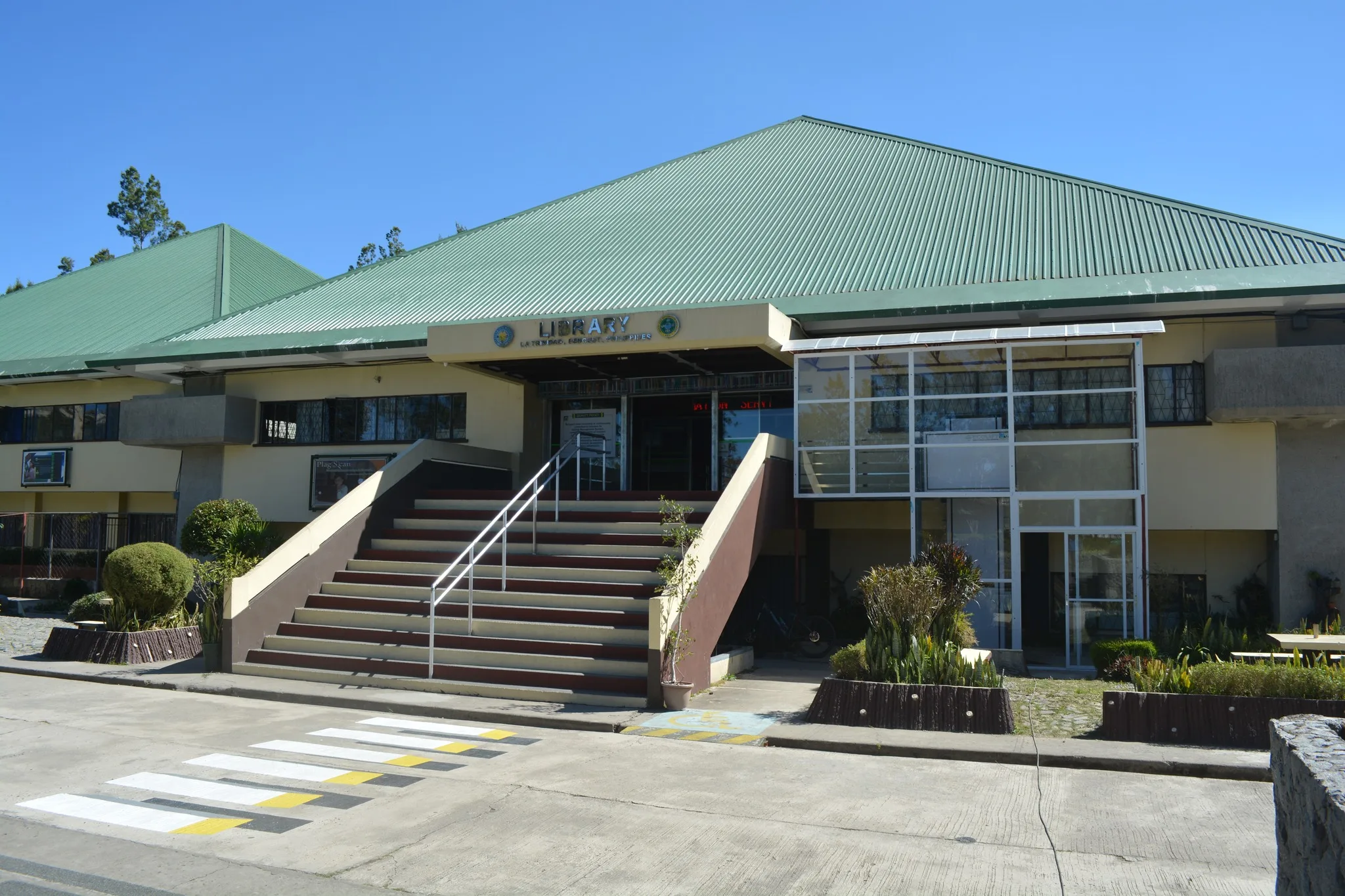
Access to information remains a fundamental component of inclusive and sustainable communities. The BSU Library extends learning opportunities beyond the university population by providing regulated public access to books, publications, and academic resources. While maintaining priority services for students and faculty, the library welcomes external researchers and community members under established guidelines, thereby supporting lifelong learning and knowledge-sharing within the region.
Promoting Public Access to Museums and Cultural Collections
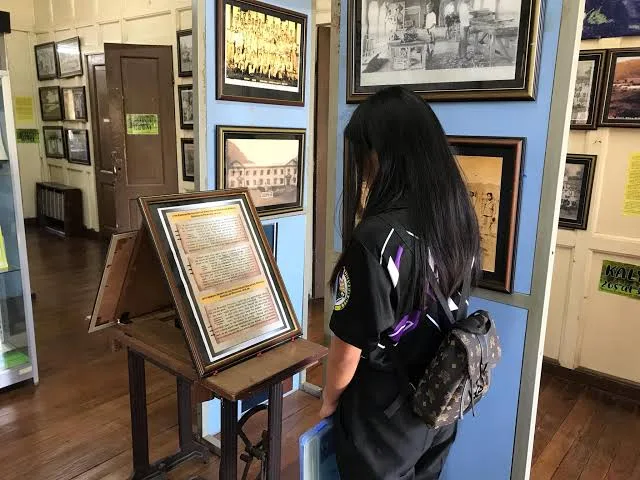
The BSU Museum serves as a living repository of Cordilleran history, indigenous traditions, and cultural heritage. Open to the public free of charge, the museum houses extensive collections of traditional clothing, indigenous artifacts, pottery, jewelry, agricultural tools, and historical memorabilia. Through exhibitions and educational programs, BSU strengthens cultural awareness while ensuring that future generations remain connected to their cultural roots.
Green Spaces for People and Nature
BSU recognizes that sustainable communities require accessible green spaces that support environmental health and community well-being. The campus maintains expansive botanical gardens, lawns, woodland areas, and landscaped spaces that are freely accessible throughout the year. These areas function as venues for recreation, environmental education, biodiversity conservation, and community gatherings. They also serve as living laboratories where students and visitors learn about ecological stewardship and sustainable resource management. Pedestrian, Green Spaces and Brownfield Sites
Sustaining Cordilleran Arts and Cultural Traditions
The Center for Culture and Arts (CCA) plays a central role in preserving and promoting the artistic heritage of the Cordillera. Through its cultural groups and artistic organizations, BSU continuously nurtures talent while ensuring that indigenous and Filipino cultural traditions remain vibrant and relevant.
The University supports numerous performance and cultural groups, including:
- Highland Cultural Dance Troupe (KONTAD)
- Lowland Cultural Dance Troupe (Sinagtala)
- Glee Club
- Dramatic Arts Club
- Marching Band
- Rondalla
- Combo Band
- Visual Arts Groups
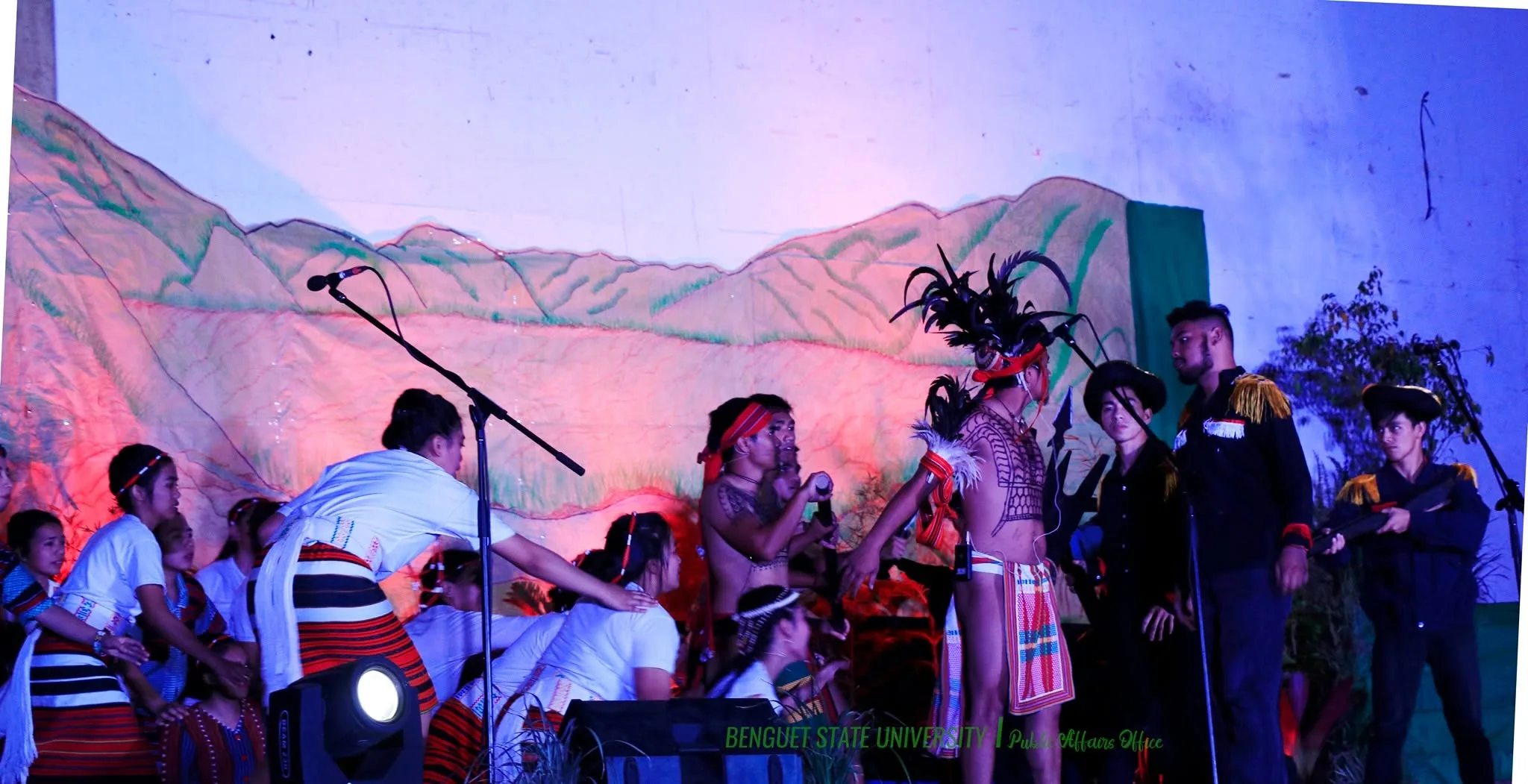
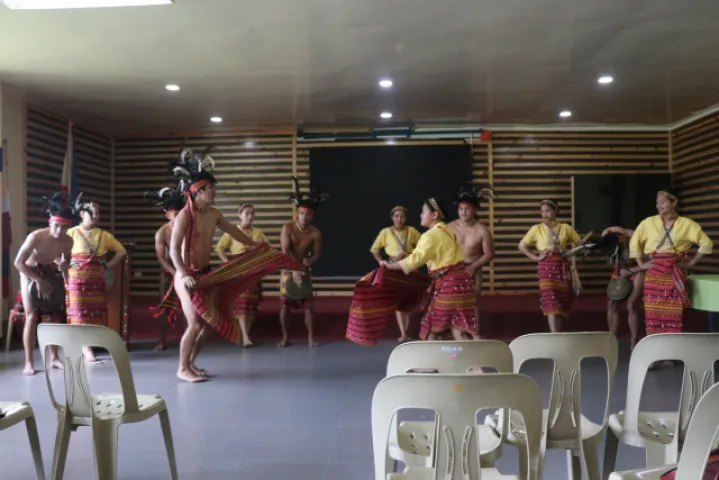
In 2025 alone, the University conducted 332 cultural events and performances, reflecting a strong institutional commitment to public engagement through arts and culture. These activities not only enrich campus life but also provide opportunities for community members to experience and celebrate local cultural expressions.
Preserving Intangible Cultural Heritage
BSU actively contributes to the preservation of indigenous knowledge systems, oral traditions, languages, spirituality, arts, and local wisdom through research and extension initiatives.
A landmark initiative is the Tawid Indigenous Knowledge and Learning Festival 2025, Tawid Indigenous Knowledge and Learning Festival 2025 organized by the Institute of Social Research and Development (ISRD) and the Center for Culture and the Arts in partnership with Partners for Indigenous Knowledge Philippines (PIKP). The festival provided a platform for indigenous communities, researchers, students, educators, and government agencies to document and transmit traditional knowledge through exhibitions, presentations, workshops, cultural performances, and intergenerational dialogue.
By supporting the preservation and transmission of indigenous knowledge systems, BSU ensures that cultural heritage remains a dynamic and living component of sustainable development.
Expenditure on Arts and Heritage
Investing in Culture and Community Identity
BSU demonstrates its commitment to cultural preservation through dedicated investments in artistic development and heritage conservation. Institutional resources support cultural performances, museum operations, heritage activities, exhibitions, and artistic programs that contribute to the cultural vitality of both the University and surrounding communities. In 2025, the university provided the amount of ₱1,477,665 for the Center of Culture and Arts.
These investments underscore the University’s recognition that culture and heritage are critical components of sustainable and inclusive communities.
Sustainable Practices
Sustainable Transportation and Low-Carbon Mobility
BSU actively promotes sustainable transportation through institutional shuttle services and walkability initiatives. Shared transportation is provided for academic fieldwork, training, extension activities, educational trips, and official university functions, minimizing the need for multiple private vehicles.
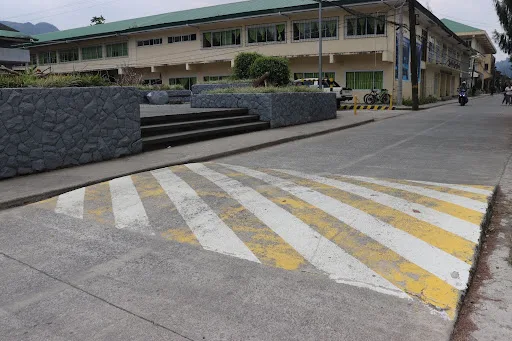
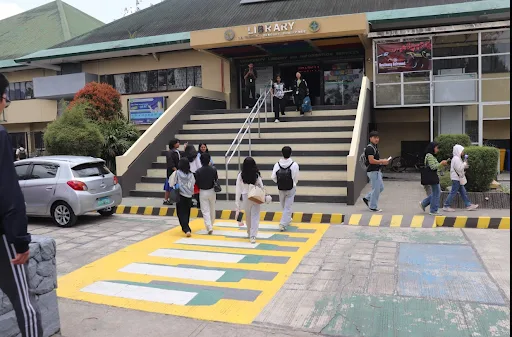
Within campus, walking remains the primary mode of transportation. A network of pedestrian pathways and covered walkways encourages low-carbon mobility while improving safety and accessibility. These initiatives support the University’s broader commitment to reducing transportation-related environmental impacts.
Flexible Work and Learning Arrangements
Recognizing the value of reducing commuting demands while maintaining productivity, BSU allows flexible work arrangements and diverse teaching modalities. Faculty members may implement face-to-face, online, or hybrid instructional approaches, while employees benefit from scheduling flexibility that supports work-life balance.
These measures contribute to reduced travel requirements and demonstrate the University’s responsiveness to evolving workplace and educational practices.
Adoption of a Four-Day Onsite Workweek and Implementation of Energy Conservation Protocols
Providing Affordable Housing
Housing for Employees
BSU provides affordable housing opportunities for university personnel through family housing units and single-occupancy accommodations located within or near campus. This initiative reduces commuting distances, strengthens campus community ties, and supports employee welfare. Housing Policy
Housing for Students
Student housing remains a priority, particularly for learners who come from distant communities. The University offers affordable dormitories for male, female, international, and graduate students, creating supportive living environments that contribute to academic success and student well-being. Student Dormitory Policy
Pedestrian Path Policy on Campus
BSU has intentionally designed its campus environment to prioritize pedestrian safety and mobility. Clearly marked walkways, pedestrian crossings, covered pathways, and designated circulation routes minimize conflicts between pedestrians and vehicles while encouraging safe movement throughout the campus.
This pedestrian-centered approach enhances accessibility, supports active transportation, and contributes to a healthier and more sustainable campus environment.
Working with Local Authorities for Community Development
BSU serves as an active development partner within the Province of Benguet and the Municipality of La Trinidad. Through usufruct agreements and collaborative projects, the University works closely with local government units and national agencies to establish public facilities and strengthen community services.
In 2025, partnerships were undertaken with:
- Local Government Unit of La Trinidad
- Bureau of Fire Protection – CAR
- Department of Education–Benguet
- Bureau of Fisheries and Aquatic Resources (BFAR)
- Department of Science and Technology – PTRI
These collaborations support public service delivery, research outreach, environmental protection, capacity-building, and sustainable regional development.
Building Sustainable Infrastructure
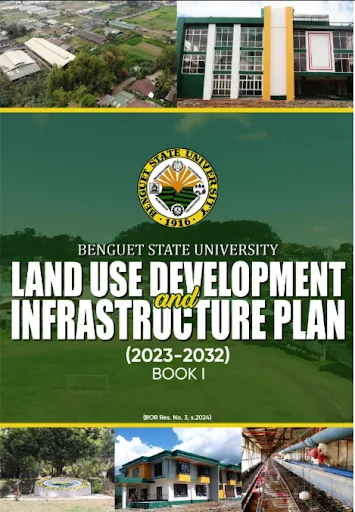
BSU integrates environmental sustainability into infrastructure planning through its Land Use Development and Infrastructure Plan (LUDIP) 2023–2032. New developments and facility improvements incorporate energy-efficient systems, natural ventilation, water-saving technologies, renewable energy applications, sustainable landscaping, rainwater harvesting, and waste management strategies.
These measures ensure that campus growth contributes positively to environmental stewardship and climate resilience while creating healthy and resource-efficient learning environments.
Responsible Land Use and Brownfield Redevelopment
Rather than expanding into undeveloped areas, BSU prioritizes the redevelopment of existing campus sites. The construction of the new College of Arts and Humanities Building demonstrates the University’s commitment to maximizing existing land resources while minimizing environmental disturbance.
This approach reflects sustainable land-use management principles that support efficient campus expansion and responsible urban development.
Through heritage conservation, public access to cultural resources, creative arts programming, indigenous knowledge preservation, sustainable mobility initiatives, affordable housing, pedestrian-friendly planning, local government partnerships, sustainable infrastructure development, and responsible land-use management, Benguet State University demonstrates a comprehensive commitment to Sustainable Development Goal 11: Sustainable Cities and Communities. The University’s initiatives illustrate how higher education institutions can serve as catalysts for cultural preservation, environmental sustainability, social inclusion, and resilient community development.