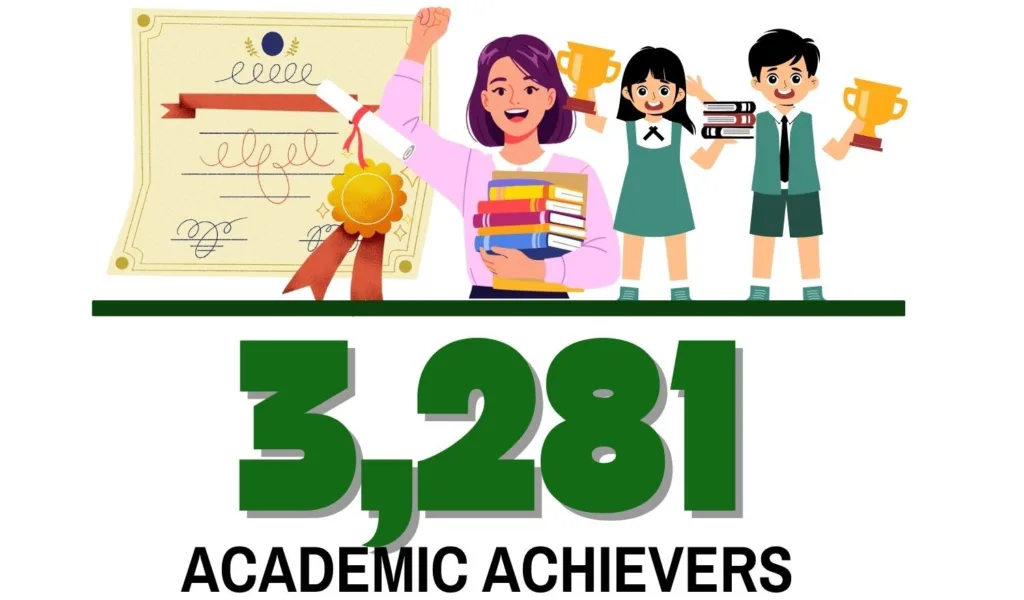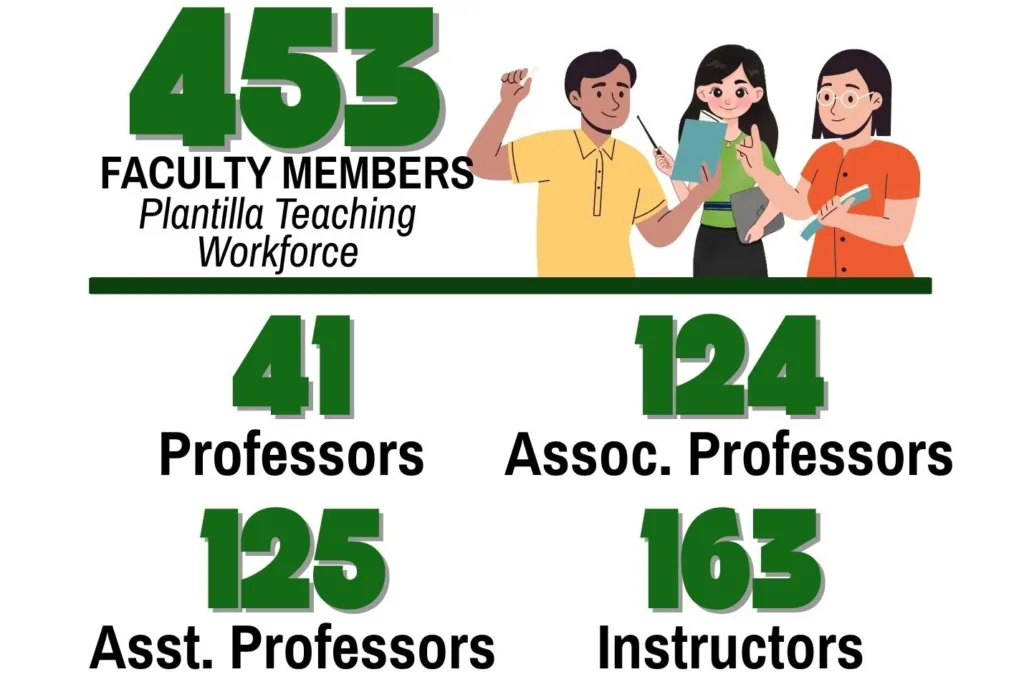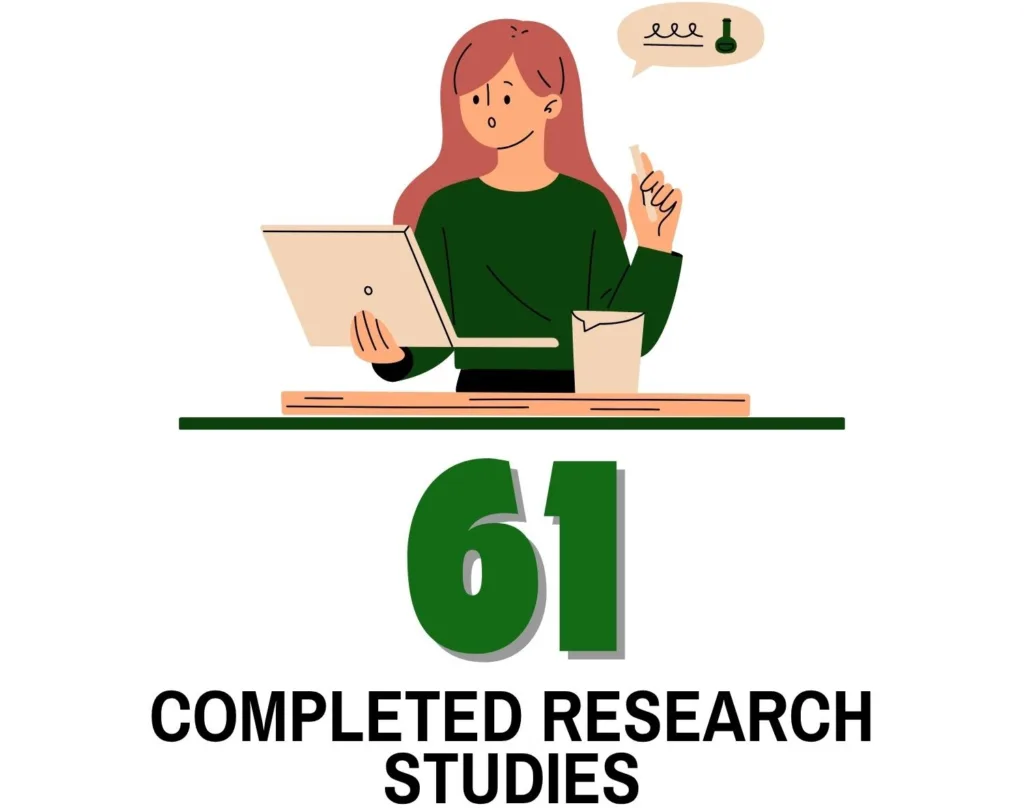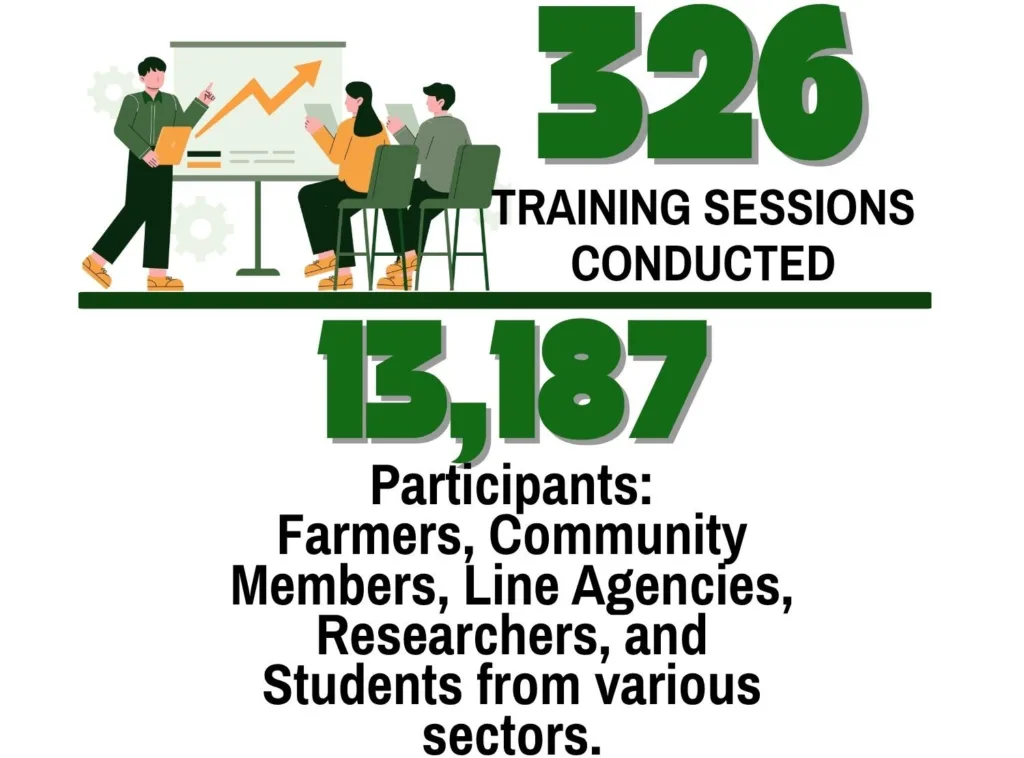
















Benguet State University (BSU) demonstrates its commitment to reducing poverty and promoting equitable access to higher education through a range of policies, programs, and support services designed to assist economically disadvantaged and underrepresented sectors of society. Collectively, these initiatives demonstrate BSU’s holistic approach to poverty reduction through education, student welfare, capacity building, and community empowerment. By expanding access to higher education, supporting vulnerable learners, and strengthening livelihoods in partner communities, the University contributes meaningfully to the achievement of Sustainable Development Goal 1: No Poverty, while advancing inclusive and sustainable development within the region and beyond.
University Anti-poverty Programmes
Scholarships, Financial Assistance, and Student Welfare Support
To alleviate the financial barriers that may hinder access to higher education, Benguet State University (BSU) implements a comprehensive system of scholarships, financial assistance programs, and student support services aimed at promoting educational equity and inclusion. The University operationalizes the provisions of Republic Act No. 10931, otherwise known as the Universal Access to Quality Tertiary Education Act, through the Free Higher Education Program, which grants qualified and admitted students exemption from tuition and other mandatory school fees. A substantial majority of BSU students, particularly those from poor, near-poor, and economically disadvantaged households, benefit from this government-funded initiative. Complementing this program are various government and institutional scholarships, grants-in-aid, student assistantship opportunities, and financial support schemes for graduate students facing economic constraints. BSU likewise provides affordable dormitory accommodations and a range of student welfare services designed to support learners throughout their academic journey. Collectively, these measures enhance access to higher education, strengthen student retention and academic success, and contribute to the advancement of social mobility and inclusive development.
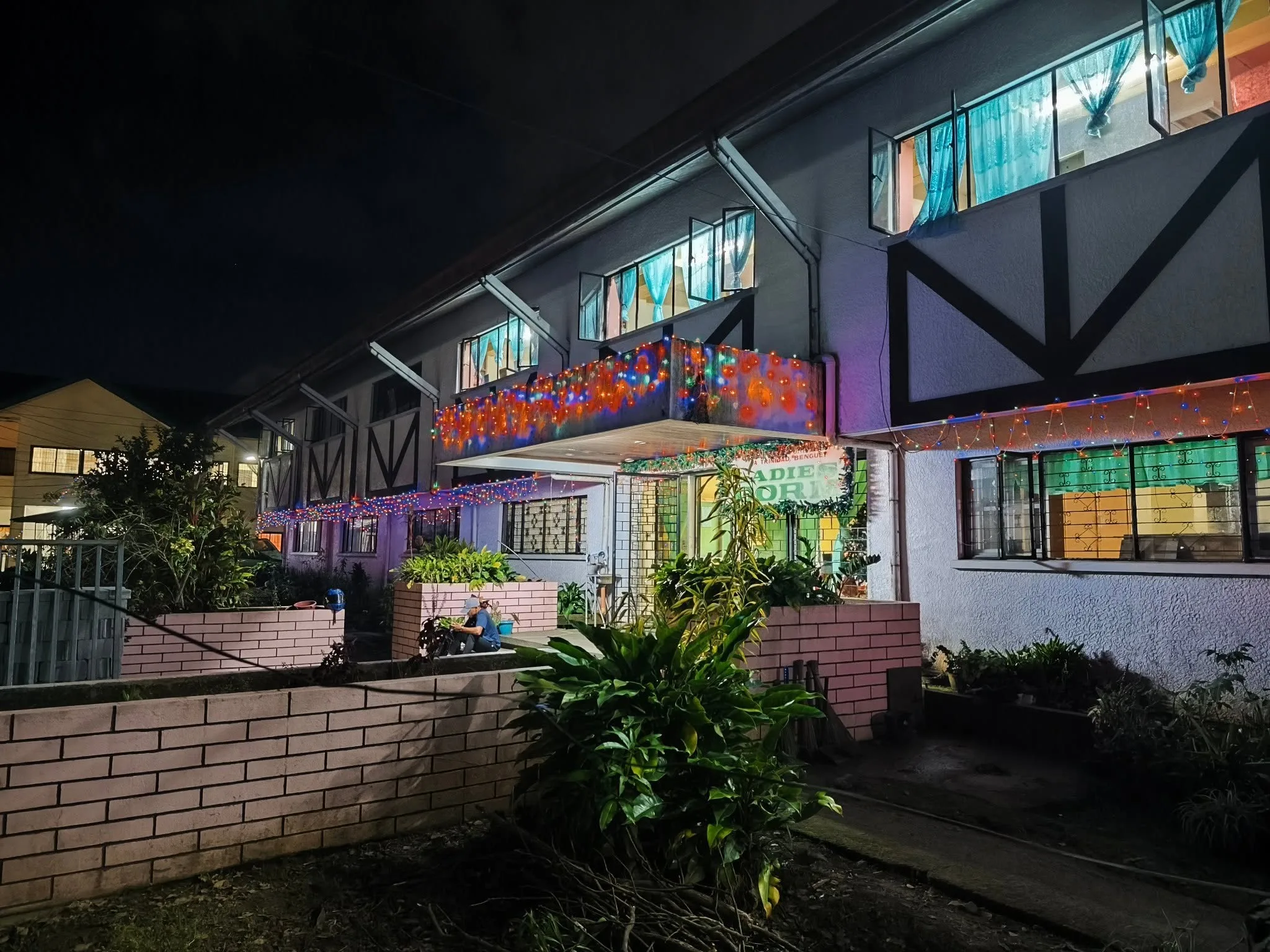
Photo: Benguet State University Ladies Dormitory
Inclusive Student Support through the i.C.A.R.E Hub
The University further strengthens its support for disadvantaged and at-risk students through the i.C.A.R.E. Hub (Inclusive, Compassionate, Accessible, Responsive, and Empowering Hub). The hub serves as a centralized support system that provides psychosocial services, guidance and counseling, referral mechanisms, academic interventions, and other student-centered assistance. By addressing both financial and non-financial barriers to education, the i.C.A.R.E. Hub promotes student well-being, inclusion, and equal opportunity, ensuring that learners from vulnerable sectors receive the support necessary to thrive academically and personally.
Community Anti-poverty Programmes
Local Start-up and Financial Assistance
Benguet State University (BSU), through its University Business Affairs (UBA) and Agri-based Technology Business Incubator initiatives, implements programs that support local entrepreneurship, livelihood generation, and poverty reduction. The University provides business incubation, technical assistance, consultancy services, and entrepreneurial development opportunities for start-ups, farmers, students, alumni, and community members. Through the Farmer Cooperators and Sariling Sikap Programs, BSU grants access to agricultural land and income-generating opportunities for low-income community members and university employees. In 2025, the University partnered with 259 farmer cooperators and 200 Sariling Sikap beneficiaries, promoting sustainable livelihoods and community development. BSU also supports student entrepreneurship by providing business spaces at reduced rental rates and offering hands-on training through income-generating projects. These initiatives enhance income opportunities, build entrepreneurial capacity, create employment, and contribute to improving the socio-economic conditions of underserved sectors.
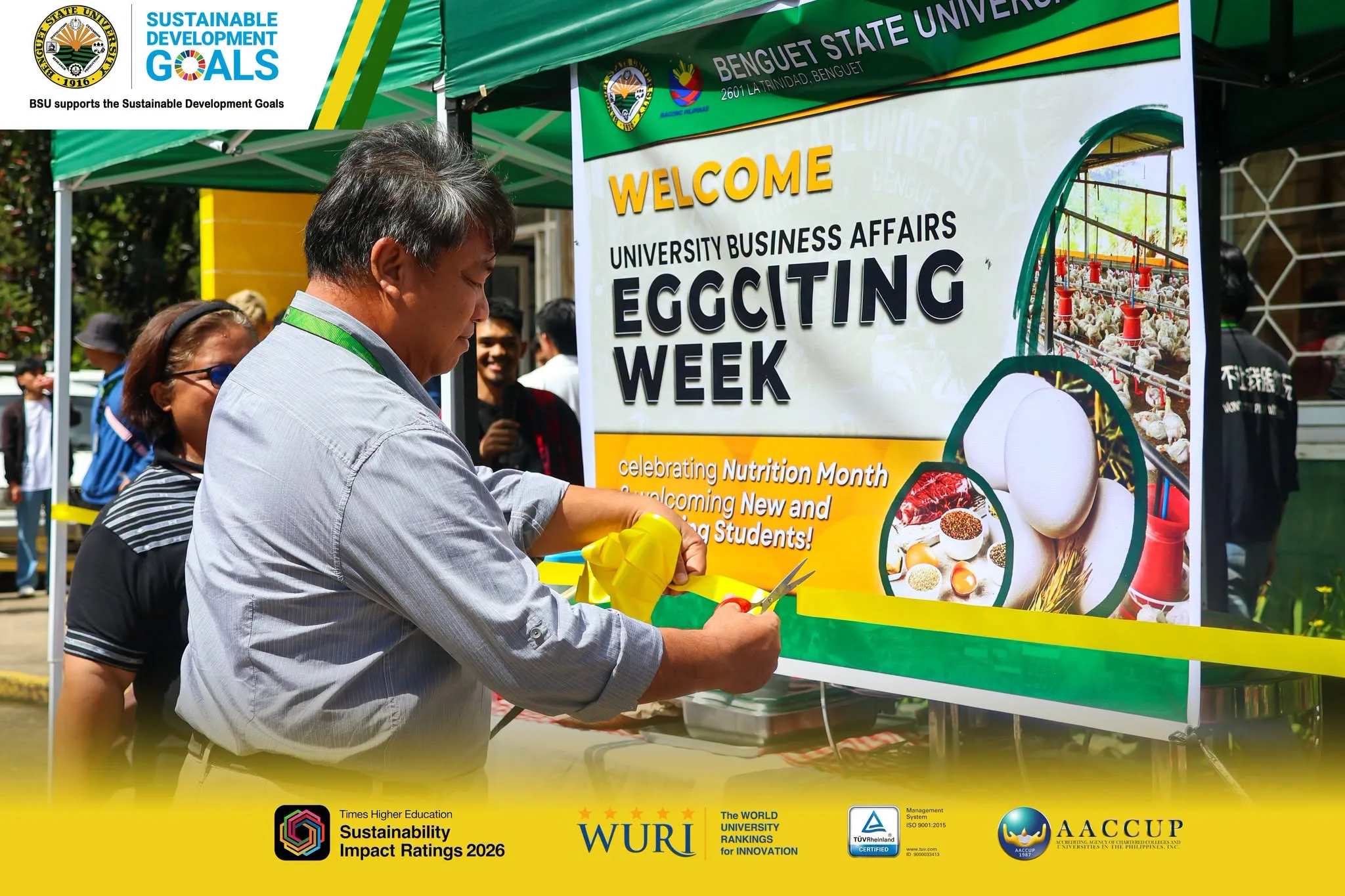
Photo: BSU – University Business Affairs
Community Outreach and Livelihood Development Programs
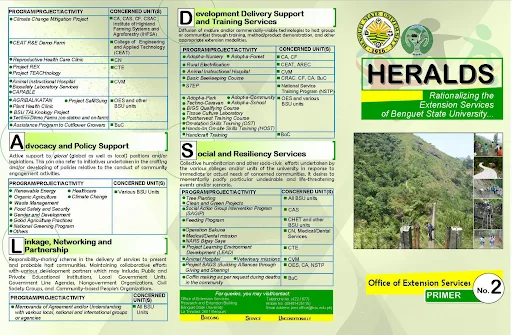
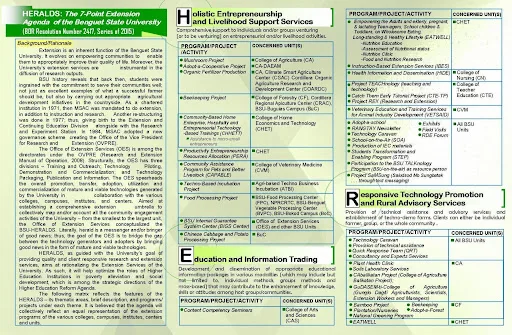
Through its Office of Extension Services, BSU extends its poverty alleviation efforts beyond the campus by implementing community-based extension and livelihood development programs. These initiatives provide training, technology transfer, capacity-building activities, and technical assistance to farmers, rural communities, indigenous peoples, women’s groups, youth organizations, and local entrepreneurs. By enhancing livelihood opportunities, productivity, and entrepreneurship, the University’s extension programs contribute to improving household income and strengthening community resilience, particularly in underserved areas of the Cordillera Administrative Region.
Policy Addressing Poverty
Implementation of the BSU Affirmative Action Agenda
BSU actively implements its Affirmative Action Agenda, which serves as a strategic framework for enhancing access to higher education among students from marginalized, low-income, indigenous, geographically isolated, and other disadvantaged backgrounds. Through this initiative, the University seeks to address barriers to educational participation by prioritizing inclusivity, equal opportunity, and social equity in admissions and student support. The agenda reinforces the University’s commitment to ensuring that quality tertiary education remains accessible to those who are most vulnerable to poverty and social exclusion.