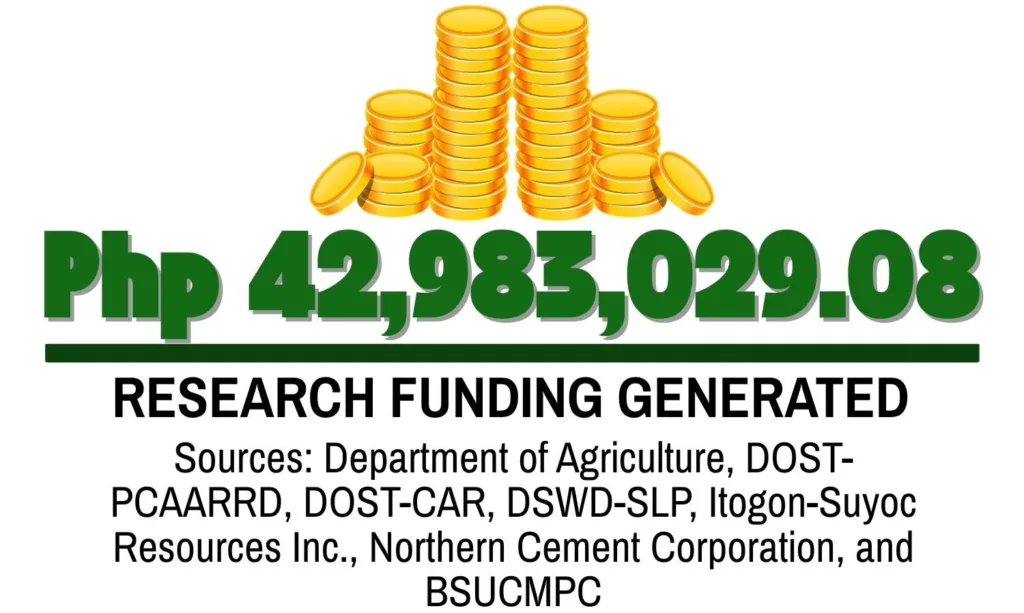



















Benguet State University advances research on sustainable energy and environmental systems through its Climate Action Program and Center for Geoinformatics. Studies such as the “Landslide Susceptibility Analysis of La Trinidad, Benguet Using Logistic Regression” integrate geospatial analysis and environmental modeling, demonstrating BSU’s research capacity in data-driven sustainability and energy-efficient land use. Collaborative projects on carbon stock assessment and low-carbon systems with partner industries further contribute to the university’s research citations and visibility under the clean energy domain.
Institutional Commitment to Energy Efficiency and Clean Energy
Benguet State University (BSU) is committed to promoting affordable, reliable, sustainable, and modern energy through institutional policies, infrastructure planning, energy conservation measures, and climate action initiatives. The university has established an energy management framework through Administrative Memorandum No. 010, s. 2018, which institutionalizes energy conservation practices, systems improvement, and responsible energy use across all campuses. This framework supports continuous monitoring of energy consumption and guides the implementation of energy-saving technologies and operational efficiencies. [bsu.edu.ph], [bsu.international]
As part of its long-term sustainability strategy, BSU implements an Energy Conservation and Efficiency Framework aimed at reducing overall campus energy consumption through infrastructure upgrades, renewable energy adoption, and energy-awareness programs. The university continuously evaluates energy use and upgrades existing facilities through the installation of LED lighting systems, inverter-type equipment, and other energy-efficient technologies. [bsu.edu.ph], [bsu.international]
Energy-Efficient Buildings and Infrastructure
Under the Land Use Development and Infrastructure Plan (LUDIP) 2023–2032, BSU ensures that new construction projects and renovation activities integrate sustainable design principles and energy-efficiency measures. New and retrofitted facilities incorporate natural lighting, passive ventilation systems, and solar energy technologies in accordance with the requirements of the Philippine Green Building Code, which serves as the national standard for sustainable and energy-efficient building design. [bsu.international]
The university’s installation of solar panels at the library and continuing upgrades of older facilities demonstrate its commitment to improving energy performance and reducing dependence on conventional energy sources. These initiatives contribute to lower energy consumption, reduced operational costs, and improved environmental sustainability.
Carbon Management and Emission Reduction
BSU has established a structured approach to carbon management through its Climate Action Plan. The plan incorporates monitoring of greenhouse gas emissions and implementation of strategies that reduce institutional carbon emissions. Carbon reduction measures include optimized electricity consumption, energy-efficiency improvements, promotion of low-carbon mobility, and enhancement of carbon sequestration through campus forestry and reforestation initiatives.
To further reduce emissions associated with transportation, the university implements a Carless Thursday Program and promotes a walkable campus environment, encouraging students, faculty, staff, and visitors to adopt more sustainable modes of mobility. These measures complement the university’s broader efforts to lower its carbon footprint and support climate-resilient development. [bsu.edu.ph]
Energy Monitoring and Reviews
BSU undertakes continuous monitoring of energy consumption as part of its energy management system. Energy conservation initiatives include periodic assessment of existing facilities and replacement of outdated equipment with more efficient alternatives. The university’s ongoing monitoring and infrastructure improvements help identify opportunities for reducing energy wastage and enhancing operational efficiency. [bsu.edu.ph]
Community Education and Capacity Building
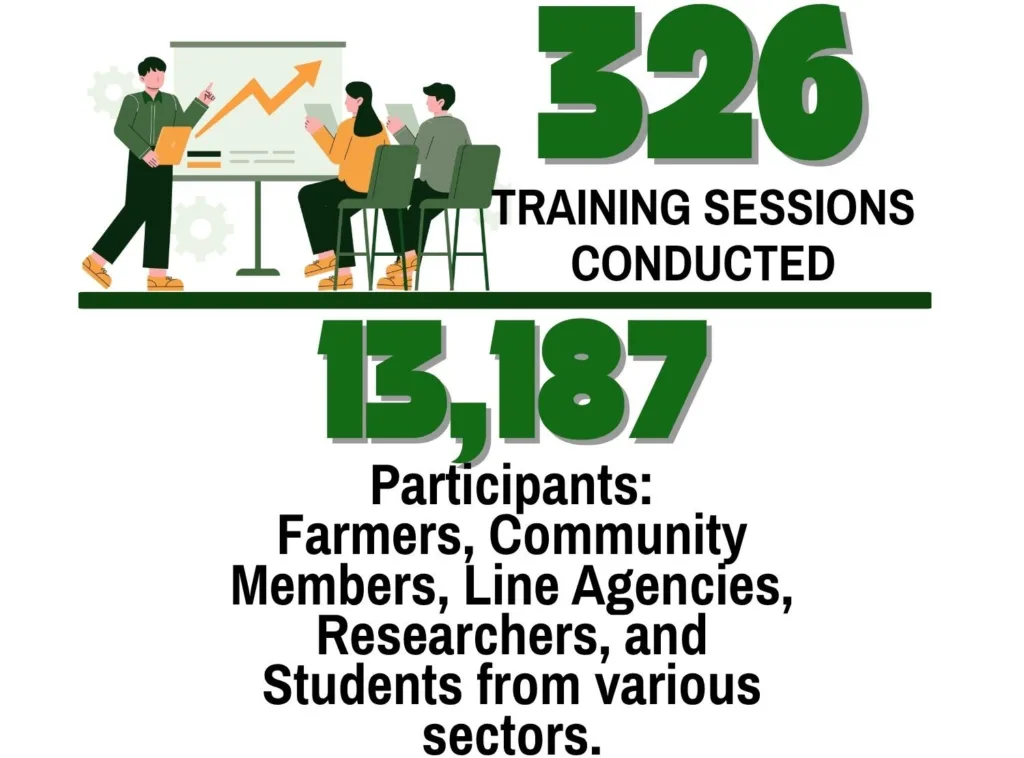
Beyond campus operations, BSU actively engages local communities through extension and outreach programs that promote sustainability, environmental stewardship, and energy awareness. Through the Center for Geoinformatics and various extension initiatives, the university provides training and capacity-building activities focused on environmental management, climate adaptation, geographic information systems, and renewable energy applications. These programs strengthen community understanding of energy efficiency and support the adoption of sustainable practices in local communities. [bsu.international]
Industry Engagement and Technical Support
The university contributes to sustainable development through collaborations with industry and external stakeholders on projects involving environmental sustainability, carbon assessment, and low-carbon systems. These partnerships facilitate the transfer of knowledge and technical expertise that support energy-efficient practices and sustainable resource management beyond the university setting. [bsu.international]
Supporting Sustainable Development Beyond the Campus
Through research, extension, climate action initiatives, and community-based capacity development, BSU promotes the wider adoption of sustainable and energy-conscious practices. The university’s integration of energy efficiency, renewable energy technologies, carbon reduction strategies, and community engagement demonstrates its contribution to achieving the objectives of Sustainable Development Goal 7 and supporting the transition toward a cleaner and more sustainable energy future. [bsu.edu.ph]