
















Benguet State University (BSU) continuously implements water conservation initiatives that promote the efficient use, protection, and sustainable management of water resources across its campuses. Through infrastructure development, water-saving technologies, environmental education, and community partnerships, the university contributes to water security while fostering a culture of environmental responsibility among students, faculty, staff, and stakeholders.
AquaTower Installation and Safe Water Access
One of BSU’s significant water conservation and water security initiatives is the installation of the AquaTower at the Benguet State University Elementary Laboratory School. This project was established through a collaborative partnership among BSU, Moog Controls Corporation, and the Planet Water Foundation to address the need for safe and sustainable access to clean drinking water.
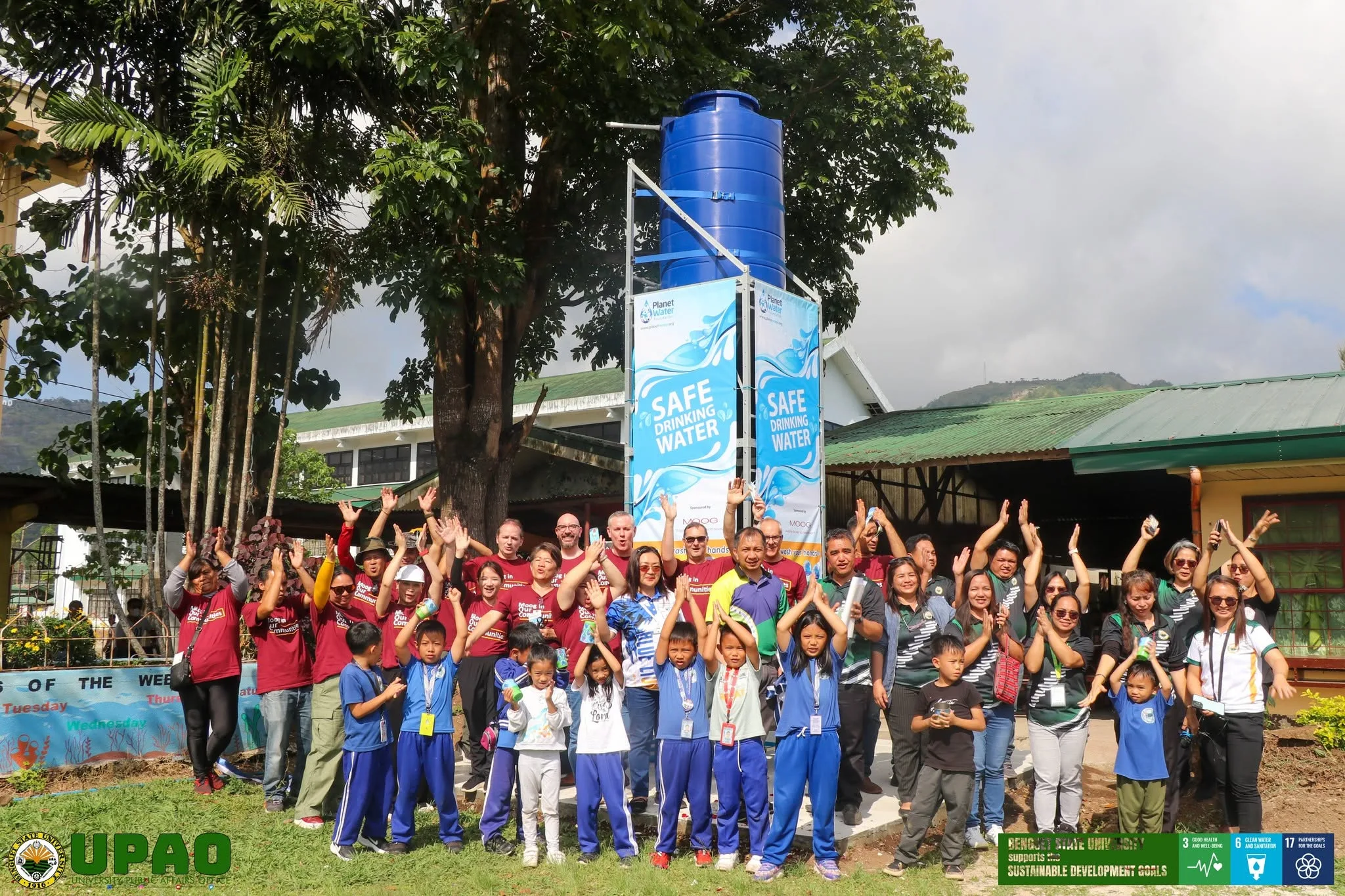
Published originally at (Benguet State University and MOOG)
The AquaTower serves as an atmospheric water generation and filtration system that produces and purifies water for consumption. By providing a reliable source of safe drinking water within the campus, the system reduces dependence on externally supplied bottled water and contributes to the sustainable management of water resources.
In addition to providing clean water, the project incorporates a Hygiene Education Program (Hygienic School Program) that promotes proper hygiene practices among learners, including handwashing, oral health care, and water sanitation awareness. These educational activities strengthen health outcomes while encouraging responsible water use and conservation among students.
To ensure long-term sustainability, university personnel and community members receive training on the operation and maintenance of the system. This capacity-building component helps guarantee the continued functionality and effectiveness of the facility for future generations of learners.
Rainwater Harvesting Initiatives
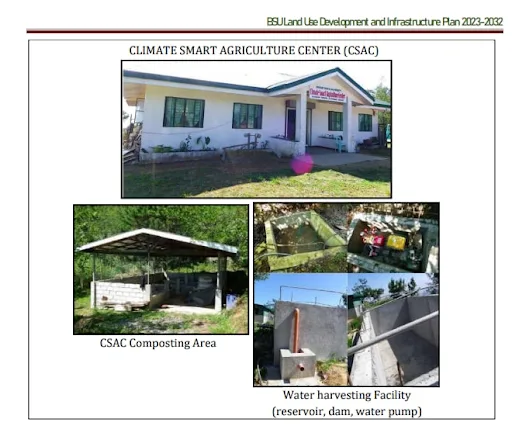
As part of its commitment to sustainable water management, BSU encourages the integration of rainwater harvesting systems in campus facilities wherever feasible. Collected rainwater is utilized for non-potable purposes such as landscape irrigation, gardening activities, cleaning, and toilet flushing, reducing the demand for treated potable water.
By maximizing the use of rainwater resources, the university helps conserve freshwater supplies, reduce operational water consumption, and improve resilience during periods of limited water availability. These initiatives contribute to the efficient utilization of natural resources while supporting campus sustainability goals.
Water Conservation and Responsible Water Use
BSU promotes responsible water consumption through awareness campaigns, environmental education activities, and institutional policies that encourage water-saving practices among members of the university community. Students, faculty, and staff are encouraged to practice efficient water use and participate in initiatives that support the conservation and protection of water resources.
Regular monitoring and maintenance of water distribution systems, plumbing facilities, storage tanks, and related infrastructure are also undertaken to minimize water losses, prevent leakages, and ensure the efficient delivery of water throughout the campus.
Contribution to Sustainable Development
The university’s water conservation initiatives support Sustainable Development Goal (SDG) 6: Clean Water and Sanitation by promoting access to safe water, improving water-use efficiency, and encouraging sustainable water management practices. Furthermore, the integration of environmental education, stakeholder participation, and community engagement strengthens BSU’s contribution to broader sustainability efforts and reinforces its commitment to environmental stewardship.
Through the implementation of projects such as the AquaTower, rainwater harvesting systems, water conservation campaigns, and infrastructure maintenance programs, BSU continues to promote responsible water management and build a more sustainable and water-resilient campus community.