


















Benguet State University (BSU) has deepened its commitment to SDG 16 by implementing extension programs that strengthen justice, inclusion, and institutional trust. Through a range of partnerships, educational services, and awareness-raising campaigns, BSU has worked to ensure that more people have access to justice, participate meaningfully in institutions, and live in safer, more equitable communities.
Elected Representation
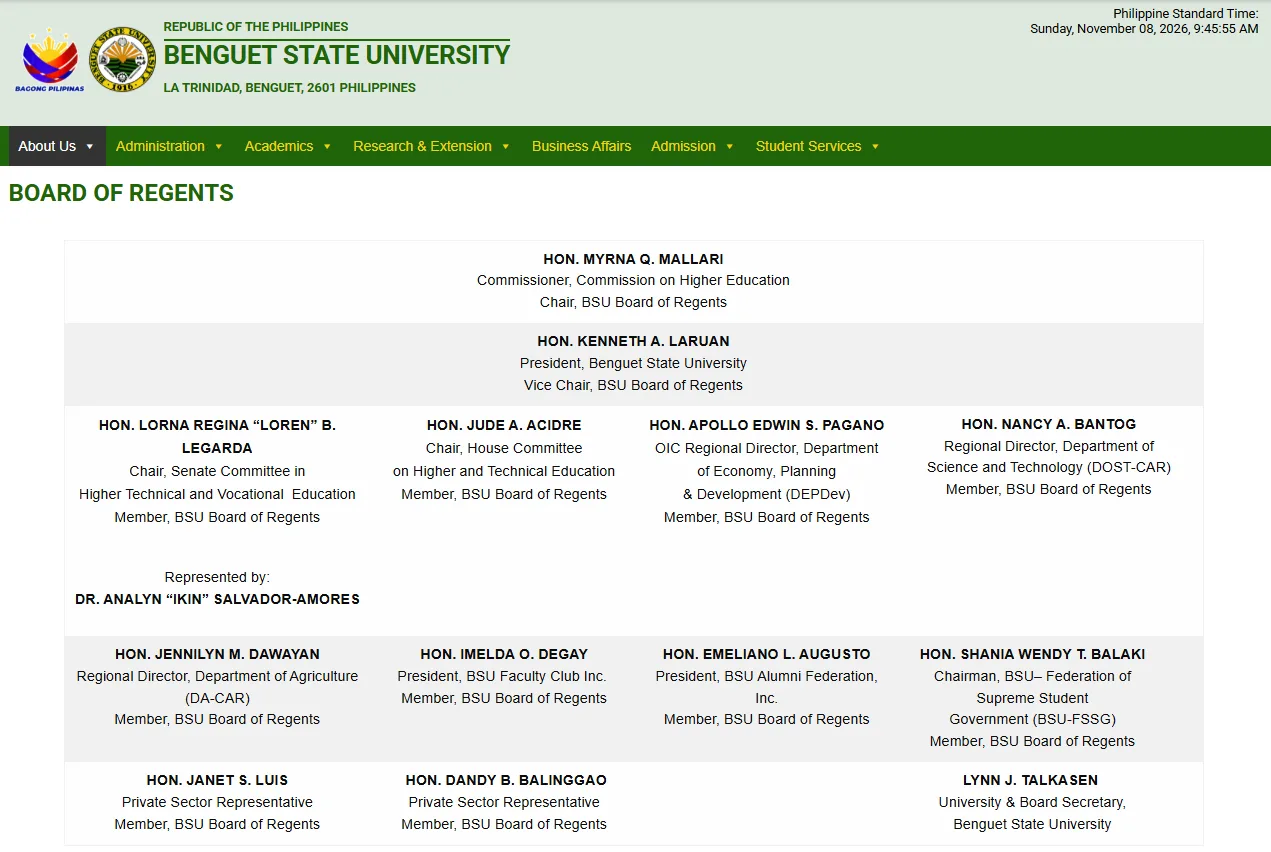
Benguet State University provides representation for the faculty, students, and the broader university community in its highest governing body, the Board of Regents (BOR). The faculty sector is represented by the President of the BSU Faculty Club Inc., while the student sector is represented by the Chairperson of the BSU Federation of Supreme Student Government. The University President, who serves as Vice Chairperson of the BOR, provides institutional leadership and represents the overall interests and concerns of the University, including those of its academic and administrative personnel.
These representatives participate in Board deliberations and decision-making concerning the University’s policies, programs, administration, and institutional development. The University’s Board of Regents composition follows Republic Act No. 8292, or the Higher Education Modernization Act of 1997, which provides for faculty and student representation in the governing boards of state universities and colleges.
Through these representation mechanisms and the University’s institutional leadership, BSU provides channels for faculty, students, and the wider university community to have their interests considered in university-level governance and decision-making.
Student’s Union
Benguet State University recognizes an independent student union through its Supreme Student Government (SSG), which represents the interests, concerns, and advocacies of the student body. Students are also encouraged to establish organizations based on their interests, academic disciplines, and areas of advocacy. To obtain official recognition from the University, these organizations are required to register through the Student Organizations and Activities Unit (SOAU) under the Office of Student Services (OSS).
The University has various Recognized Student Organizations (RSOs) across its campuses, including college-based student governments, academic and professional societies, special interest groups, and other student-led associations. The SOAU facilitates the processing and screening of applications for recognition, monitors organizational activities, coordinates with organization advisers and college deans, and evaluates the performance of recognized organizations.
Among these organizations, the SSG serves as the mother student organization and main umbrella governing body that assists and coordinates with the various RSOs across the University. Its independence is expressly established in Article IV, Section 1 of its Constitution and By-Laws, which states that the SSG shall be “independent, democratic, patriotic and responsive” in securing the rights, interests, and welfare of students. The CBL also establishes its own governing structure, composed of the Executive, Legislative, and Judicial Boards, with powers to manage organizational affairs, formulate student policies, and address student concerns. Its officers are elected by students through secret balloting, providing the student body with a direct role in choosing its representatives.
The SSG also represents students in the University’s Academic and Administrative Councils and coordinates with the Office of Student Services on student matters and concerns. Furthermore, student representation in the University’s highest governing body is provided through the Student Regent, who represents the student body in the Board of Regents.
Through the recognition of the SSG as an independent student union, the University’s support for student-led organizations, and the provision of formal channels for student representation, BSU promotes student participation and involvement in university affairs and decision-making.
Identify and Engage With Local Stakeholders
Benguet State University has established written criteria and procedures for identifying and selecting external stakeholders as partners in its programs, projects, and activities. Through its BSU Criteria in Selecting Local Partners, the University provides a framework for assessing potential partners and determining their suitability for collaboration. This serves as a guide in identifying organizations and institutions whose roles and interests align with the University’s objectives and community engagement initiatives.
The implementation of these criteria is reflected in the University’s approved and confirmed Memoranda of Agreement (MOAs) and Memoranda of Understanding (MOUs) with various external stakeholders. These partnerships involve local government units, barangays, cooperatives, farmers’ organizations, government agencies, and community-based organizations. The agreements formalize the roles and responsibilities of the parties and provide a basis for working together on shared programs and initiatives.
Through its partner-selection criteria and formal partnership agreements, BSU establishes a systematic process for identifying external stakeholders, assessing potential partnerships, and engaging them in collaborative activities that support the University’s institutional goals and community development efforts.
Participatory Bodies For Stakeholder Engagement
Benguet State University promotes participatory governance by providing formal representation for various stakeholders in its highest governing body, the Board of Regents (BOR). The Board includes representatives from government agencies, the private sector, the alumni, faculty, and the student body, allowing different sectors to participate in deliberations and decisions concerning the University’s policies, programs, and institutional development.
Originally published at (215th BSU-BOR Meeting)
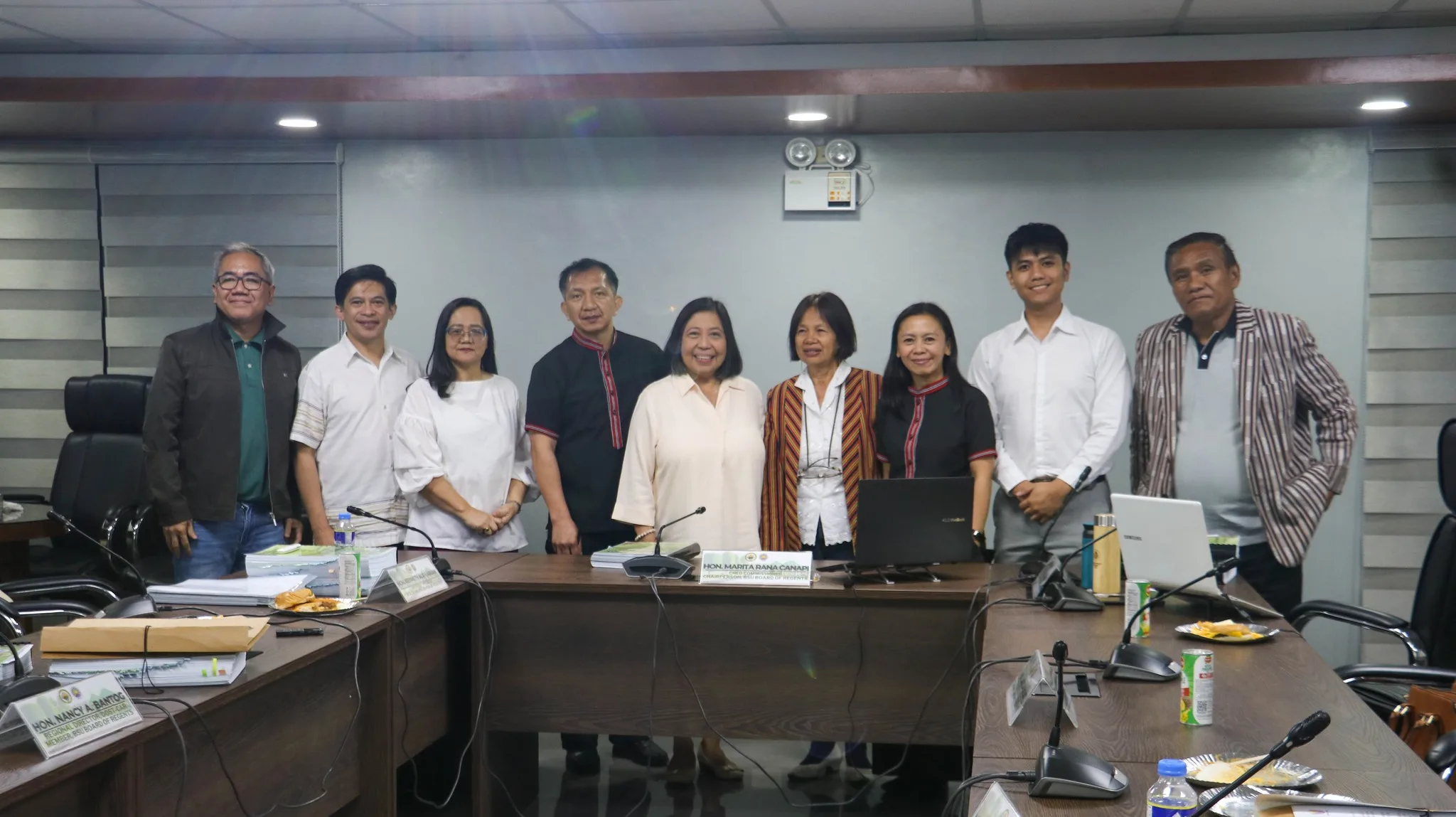
This participation is reflected in the Board’s 2025 meetings. During its 215th Regular Meeting on April 8, 2025, representatives from the Department of Science and Technology–Cordillera Administrative Region (DOST-CAR), National Economic and Development Authority–Cordillera Administrative Region (NEDA-CAR), Department of Agriculture–Cordillera Administrative Region (DA-CAR), private sector, Alumni Association, faculty, and student body participated in discussions on university agreements, scholarships, and institutional policies.
Originally published at (217th BSU-BOR Meeting)
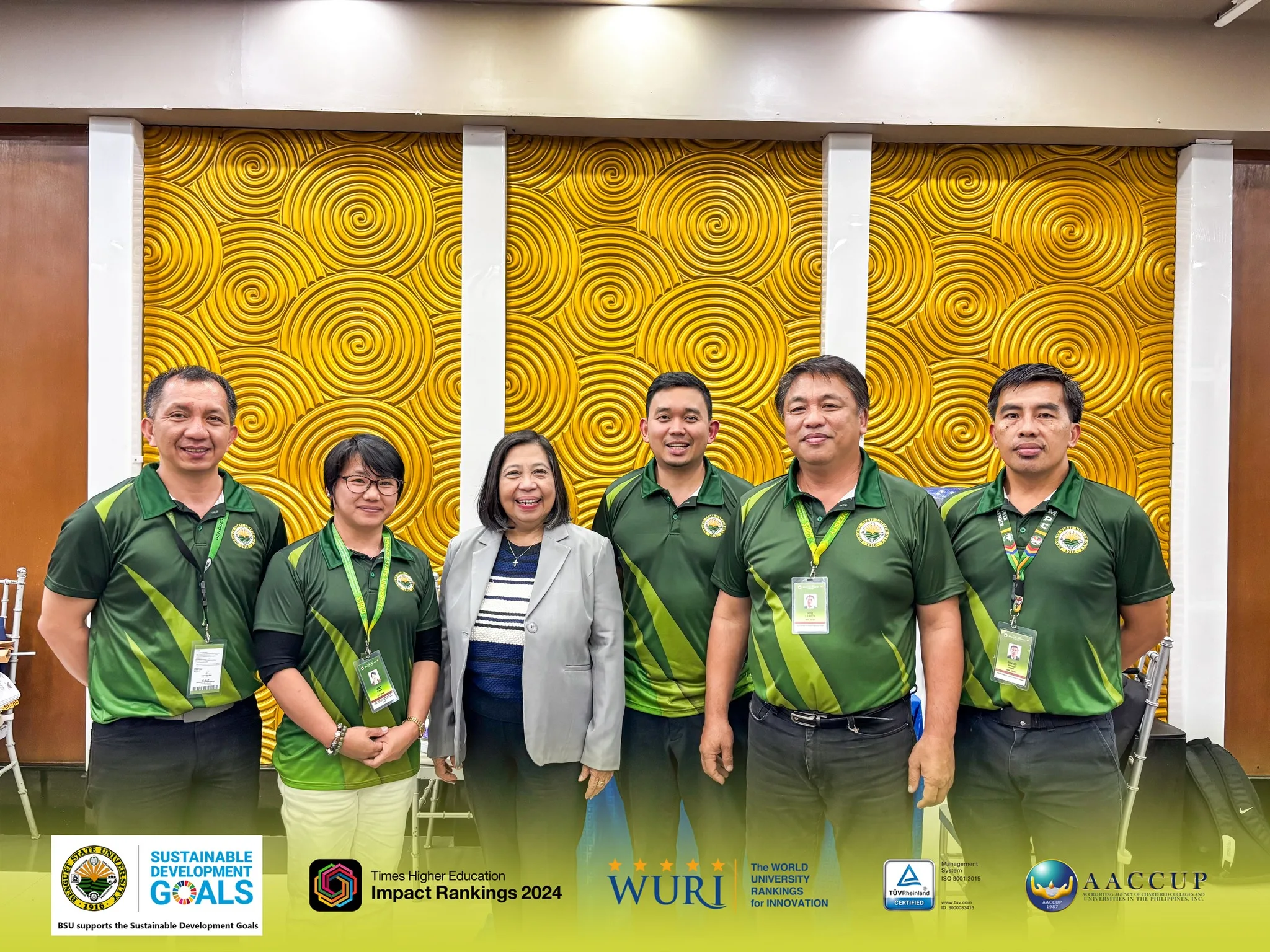
Similarly, during its 217th Regular Meeting on October 14, 2025, representatives from CHED, DA-CAR, DOST-CAR, the private sector, faculty, and student body took part in deliberations and decisions involving the University’s academic programs, administration, research and extension, and business affairs. Through the Board of Regents, BSU provides a formal mechanism for stakeholder representation and participation in university governance, ensuring that perspectives from government, the private sector, alumni, faculty, and students are considered in institutional decision-making.
University Principles on Corruption and Bribery
Benguet State University promotes integrity, transparency, and accountability through its published institutional policies and commitments aimed at preventing graft and corruption and ensuring ethical conduct in public service.
These commitments are reflected in the University’s Citizen’s Charter, which was developed in adherence to Republic Act No. 9485, or the Anti-Red Tape Act, as amended by Republic Act No. 11032, or the Ease of Doing Business and Efficient Government Service Delivery Act of 2018. Guided by a student-first policy, the Charter provides clients with information on how to access university services and guides employees in the efficient delivery of frontline services. It also expresses the University’s commitment to advocating effective government practices for efficient service delivery and the prevention of graft and corruption. Furthermore, it provides mechanisms for public feedback and assistance in filing complaints concerning non-compliance with government service standards.
The University further promotes transparency through its Transparency Seal, which provides public access to annual reports, financial accountability reports, approved budgets, procurement information, and other institutional disclosures. In addition, its Research and Extension Manual of Operations requires university personnel involved in research and extension activities to observe ethical standards and comply with Republic Act No. 6713, or the Code of Conduct and Ethical Standards for Public Officials and Employees.
Through these published commitments and institutional mechanisms, BSU demonstrates its commitment to ethical conduct, the prevention of graft and corruption, transparency, and accountability in its operations.
Academic Freedom Policy
Benguet State University upholds academic freedom as guaranteed by Article XIV, Section 5(2) of the 1987 Philippine Constitution, which states that “Academic freedom shall be enjoyed in all institutions of higher learning.” This is further reinforced by CHED Memorandum Order No. 07, s. 2022, Rule X, Section 26, which provides that “All SUCs shall enjoy academic freedom and institutional autonomy.” Guided by these provisions, BSU recognizes the importance of allowing its faculty members, researchers, and students to pursue academic interests, choose their areas of research, and share knowledge and research findings while observing professional ethics and institutional responsibilities.
This commitment is reflected in the University’s 2019 Student Handbook, which promotes student freedom alongside accountability, and its Research and Extension Manual of Operations (REMO), particularly Chapter 11, Section 1, which emphasizes that “financial rewards, fame and pressure should not erode research integrity, academic freedom and institutional autonomy of the University.” The Manual also recognizes the University’s responsibility to promote research and disseminate research results for the benefit of society.
Furthermore, the REMO provides opportunities for faculty, research and extension personnel, and students to engage in research across various disciplines and recognizes different channels for disseminating research findings, including publications, conferences, symposia, seminars, and other appropriate platforms.
Through these constitutional, regulatory, and institutional provisions, BSU promotes an academic environment that supports independent inquiry, freedom in research, responsible teaching, and the dissemination of knowledge while upholding research integrity, ethical standards, and accountability.
Publish Financial Data
Originally published at (BSU Transparency Seal)
Benguet State University promotes financial transparency and public accountability by publishing its budget documents, financial accountability reports, and financial statements through its official website. These publications provide the public with access to information on the University’s approved budget, financial transactions, expenditures, and utilization of funds.
Through its Transparency Seal, the University makes its Financial Accountability Reports (FARs) available, including quarterly reports on its physical operations, allotments, obligations, balances, and internally generated and business-type income. These reports allow the public to review the University’s budget implementation and financial performance throughout the year. BSU also publishes its financial statements and other financial reports, which provide information on its financial position, financial performance, cash flows, and budget utilization. By making these documents publicly accessible, the University demonstrates its commitment to transparent financial management and accountability in the use of public resources.
Provide Expert Advice to Government
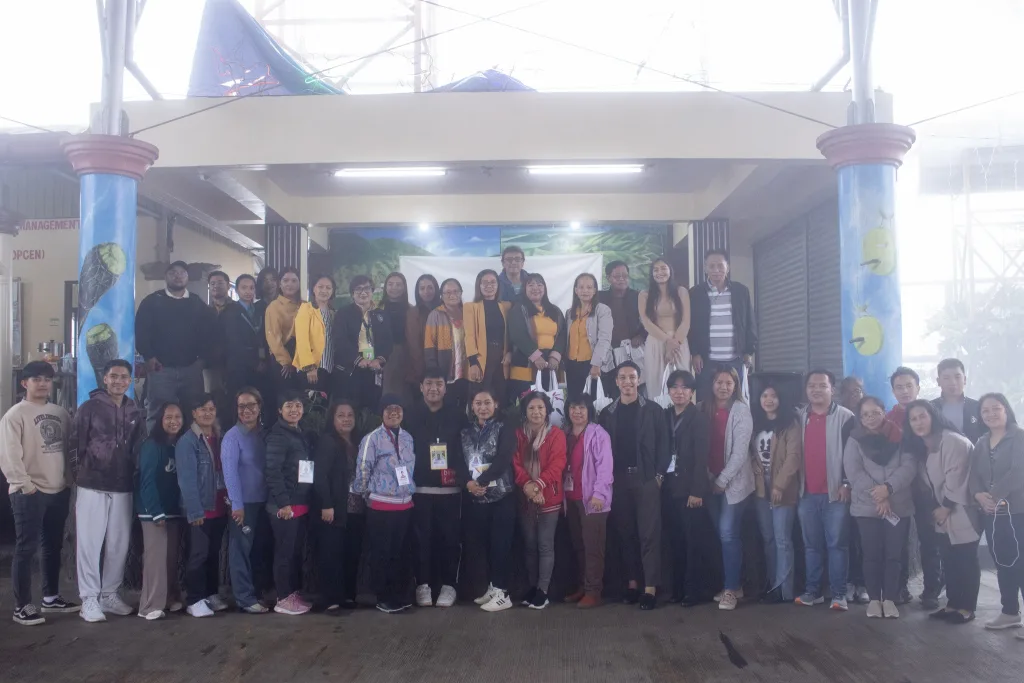
Originally published at (BSU CPAG Extension at Tuba LGU)
Benguet State University shares its academic and professional expertise with local government units and other government agencies through extension activities, technical lectures, and research-based policy recommendations. Through its colleges and research units, the University provides knowledge and guidance on matters related to public administration, local governance, financial management, and other development concerns to support government decision-making.
One example is the extension activity conducted by the College of Public Administration and Governance (CPAG) at the Tuba Local Government Unit on January 16, 2025. The half-day lecture series featured BSU faculty members who shared their expertise on local government financial management and organizational development. Ms. Glorina C. Damong discussed the revenues and expenditures of an LGU, providing municipal personnel with an overview of local government financial operations. Meanwhile, CPAG Dean Dr. Gretchen Gaye C. Ablaza discussed Positive Organizational Behavior, emphasizing the importance of hope, resilience, and optimism in the workplace. The activity was attended by municipal employees and members of the Sangguniang Bayan.
Originally published at (BSU informing Policy and Practice)
The University also provides research-based recommendations to policymakers through its Informing Policy & Practice (IPP) publication series, published by the Institute of Social Research and Development in collaboration with the Research and Extension Publications Office. The series presents research findings, survey results, and policy recommendations on social, economic, and development concerns affecting the Cordillera. Its publications cover topics such as local health ordinances, agricultural policies, education guidelines, and governance, providing decision-makers and policymakers with research-based information that can guide policy formulation and implementation.
Through these initiatives, BSU extends its professional and research expertise beyond the University by providing technical knowledge and evidence-based recommendations that can inform government decisions, policies, and programs.
Policy and Lawmakers Outreach and Education
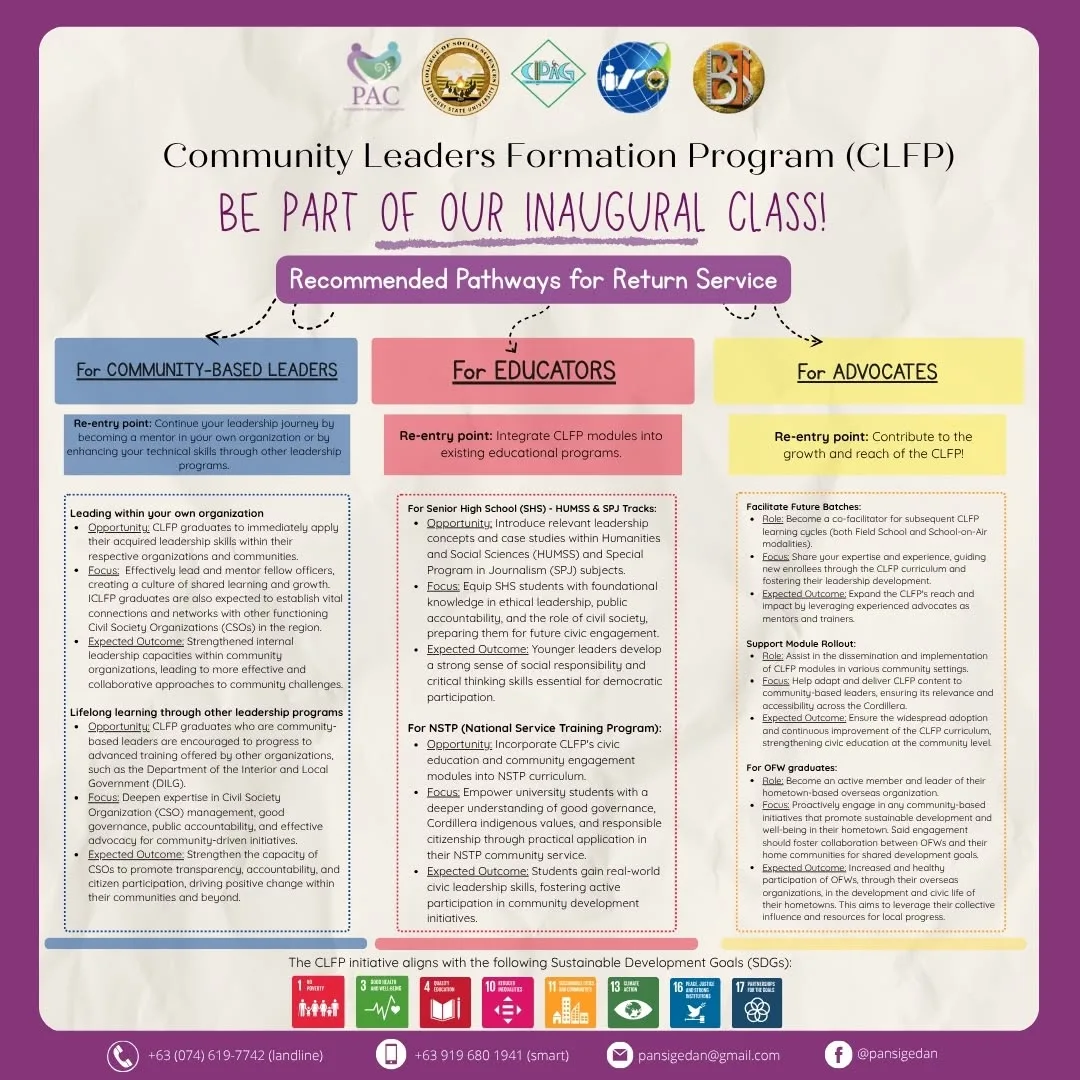
Originally published at (Pansigedan Advocacy Cooperative Community Leaders Formation Program)
Benguet State University contributes to education and capacity-building initiatives for community leaders, local government personnel, and other stakeholders through its participation in the Community Leaders Formation Program (CLFP), a multi-sectoral partnership focused on civic education, leadership development, and good governance.
Launched on August 9, 2025, the CLFP brings together community-based civil society organization officers, local government officials and employees, public school teachers, and advocates for a series of learning sessions aimed at strengthening leadership and governance capabilities. The program draws on the academic expertise and personnel of BSU’s College of Social Sciences, College of Public Administration and Governance, and International Relations Office. These contributions complement the community mobilization efforts of Pansigedan Advocacy Cooperative (PAC) and Benguet Business Society, Inc. (BBSI), alongside the support of individual volunteers and other partners.
The program covers topics such as Philippine democracy, local governance, ethical leadership, public accountability, indigenous socio-political institutions, and the roles and responsibilities of elected officials. It also includes discussions on climate change and the Sustainable Development Goals through its Sustainability Literacy Program. These learning activities provide participants with knowledge and perspectives that they can apply in their respective organizations and communities.
Originally published at (BSU International Relations office at CLFP)
Through this partnership, BSU shares its academic expertise and supports efforts to strengthen the capacity of community leaders and local stakeholders to participate in governance, make informed decisions, and contribute to community development.
Participation in Government Research
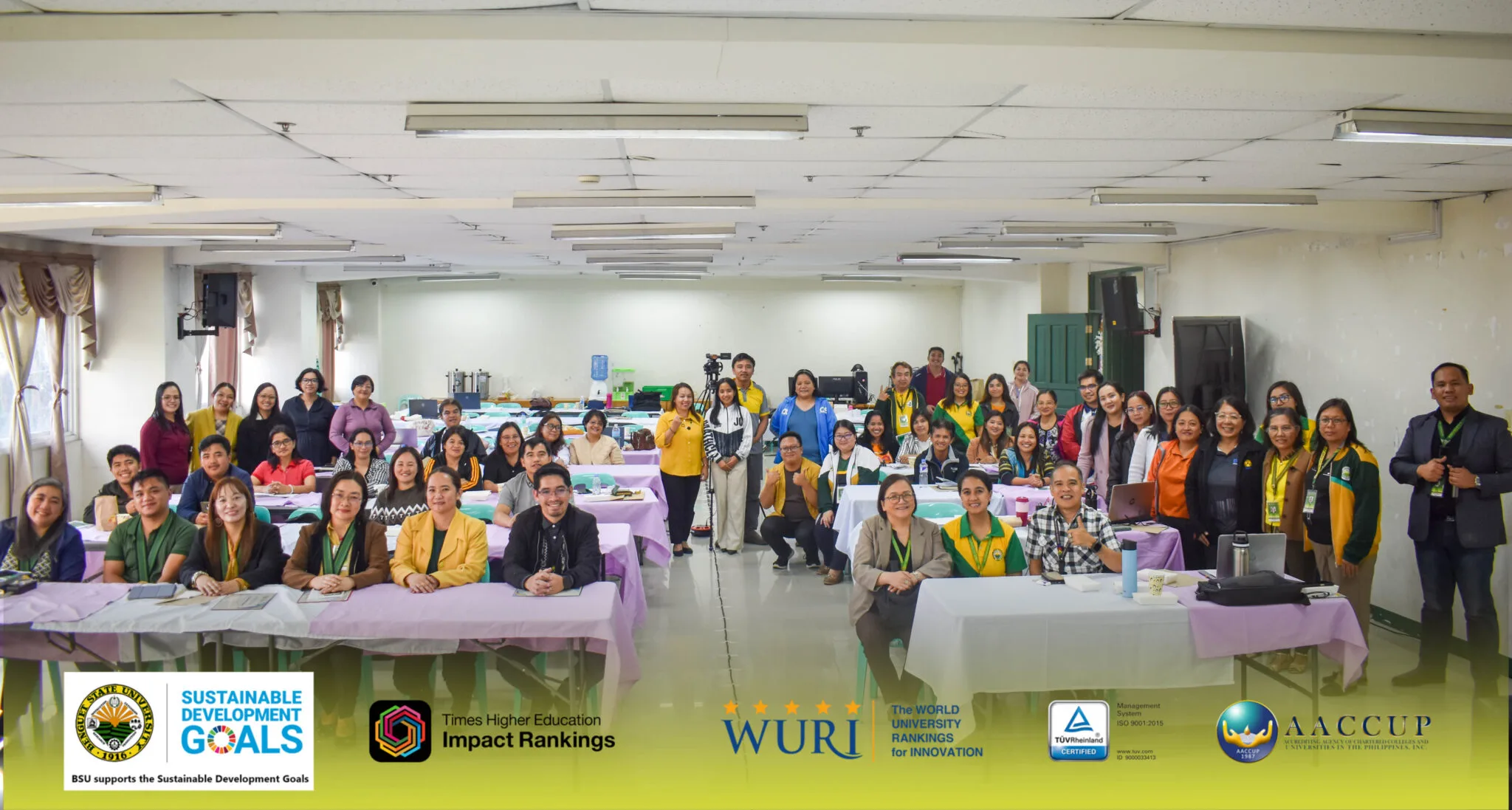
Originally published at (4th Educators’ Forum or “Tongtongan”)
Benguet State University undertakes policy-focused research in collaboration with government agencies and provides platforms where research findings can be discussed, shared, and translated into policy recommendations. Through these collaborations, the University connects researchers with government representatives and other stakeholders to help address sectoral concerns and support evidence-based decision-making.
A key example is the 4th Educators’ Forum or “Tongtongan,” organized by the University’s Center for Educational Research and Innovation (CERI) on November 13–14, 2025. With the theme “Redefining Education: Bridging Innovation, Research, and Policy for Impact,” the forum was conducted in partnership with the College of Teacher Education, Office of Extension Services, Department of Education–Benguet Division, Philippine Association for Teacher Education–CAR, and State Universities and Colleges Teacher Education Association–CAR. It brought together researchers, educators, and policymakers to present and discuss research findings on education-related concerns. The forum also included a workshop on formulating evidence-based policy recommendations and implementation strategies, providing an avenue for research to inform policy and practice.
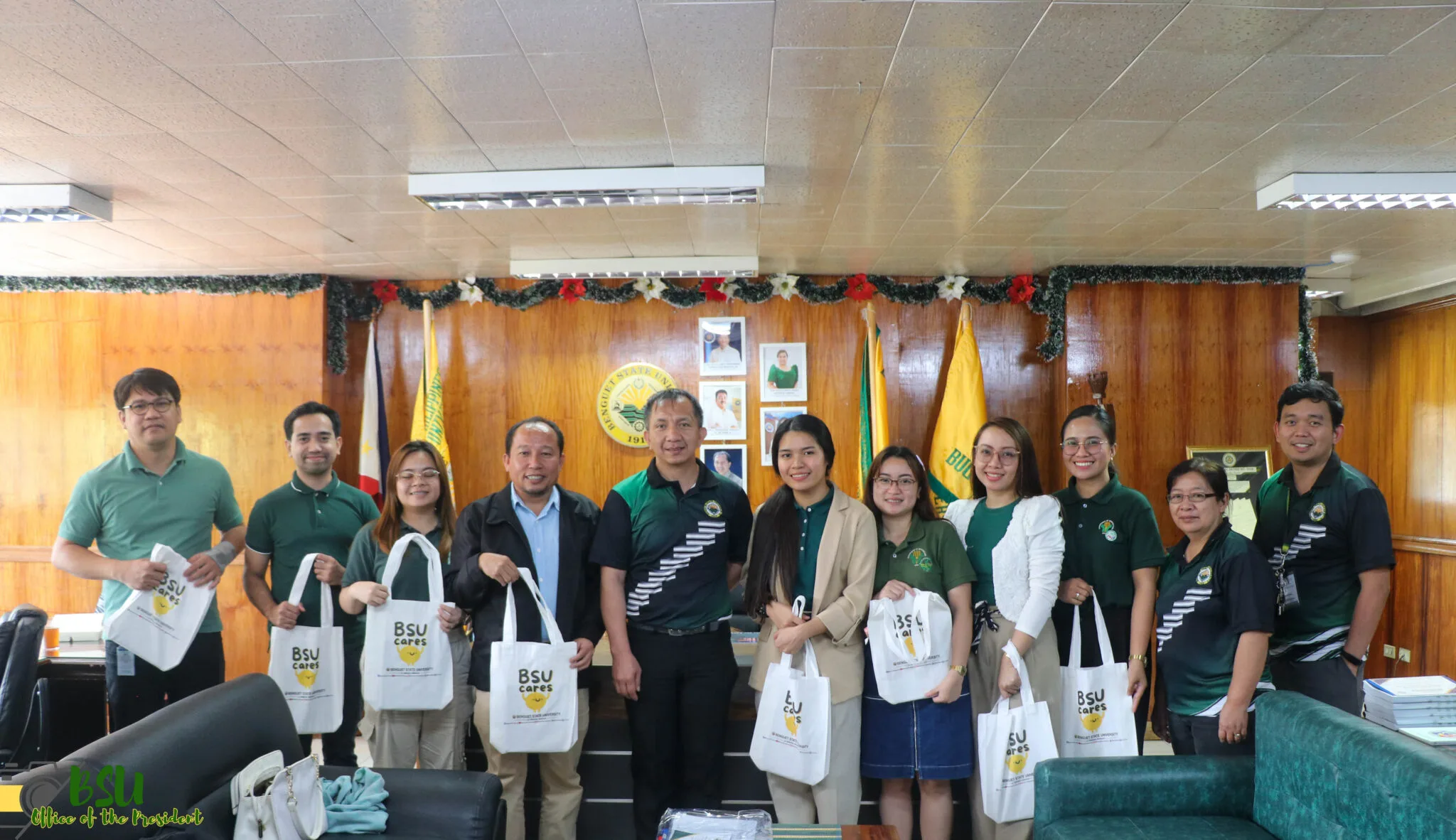
Originally published at (BSU and PhilRice Sign MOU for Crop Improvement)
Beyond the education sector, BSU also collaborates with government research agencies on studies addressing agricultural and environmental concerns. These include partnerships with the Department of Science and Technology–Philippine Council for Agriculture, Aquatic and Natural Resources Research and Development (DOST-PCAARRD) on precision agriculture, bioremediation of pesticide-contaminated agricultural soils, and vegetable supply and value chain development. The University also works with the Department of Agriculture–Philippine Rice Research Institute (DA-PhilRice) on crop improvement through biotechnology and new plant breeding innovations, and with the Department of Agriculture–Bureau of Agricultural Research (DA-BAR) on research initiatives and priorities.
Through these forums and research partnerships, Benguet State University works with government agencies to generate and share research that can contribute to policy development, improve public programs, and address concerns in education, agriculture, and the environment.
Neutral Platform to Discuss Issues
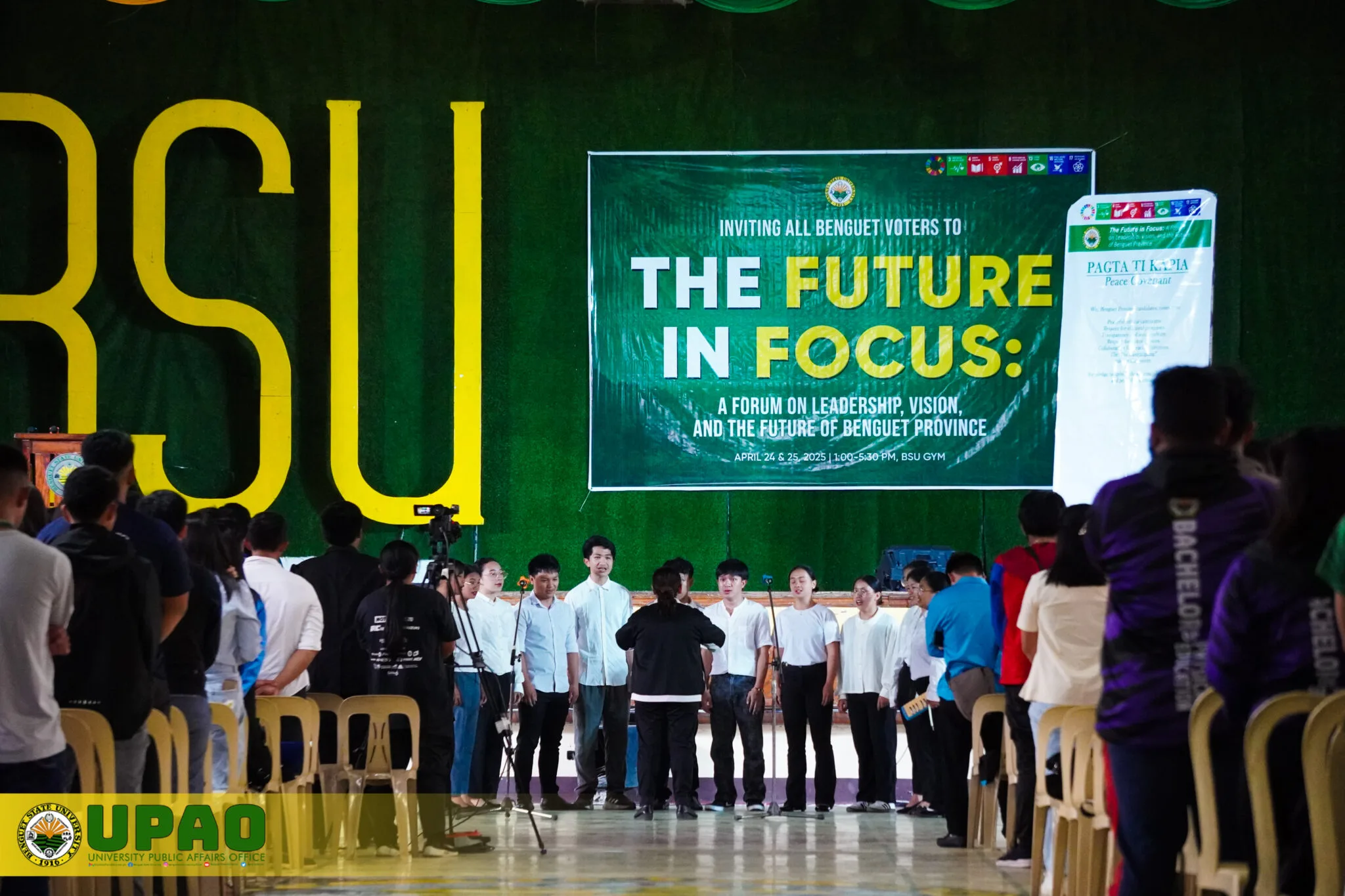
Originally published at (The Future in Focus: A Forum on Leadership, Vision, and the Future of Benguet Province)
Benguet State University provides a platform for dialogue and public engagement by organizing forums that bring together political stakeholders, government representatives, members of the academic community, and the public to discuss issues affecting the province and its communities. Through these activities, the University encourages informed participation, constructive exchange of views, and peaceful engagement on matters of public interest.
One example is “The Future in Focus: A Forum on Leadership, Vision, and the Future of Benguet Province,” held on April 24–25, 2025, at the BSU University Gymnasium. Organized by the College of Public Administration and Governance (CPAG) in collaboration with various university offices and colleges, COMELEC, and the Philippine National Police, the two-day forum brought together candidates for provincial elective positions, students, faculty members, university personnel, and members of the public.
The forum provided candidates for Congressman, Governor, Vice-Governor, and Provincial Board Member with an opportunity to present their platforms, visions, and proposed programs. Each presentation was followed by a question-and-answer session, allowing participants to engage with the candidates and gain a better understanding of their positions on leadership and governance. To support impartial and peaceful discussions, campaign activities and the distribution of campaign materials were prohibited during the event. The program also included the signing of a peace covenant and security arrangements for the candidates and attendees.
Through this initiative, BSU demonstrated its role as a venue for civic dialogue where political candidates and members of the community could exchange views and discuss matters concerning the future of Benguet. By providing an opportunity for public questioning and candidate engagement in a non-campaign setting, the University supported informed civic participation and peaceful democratic processes.