


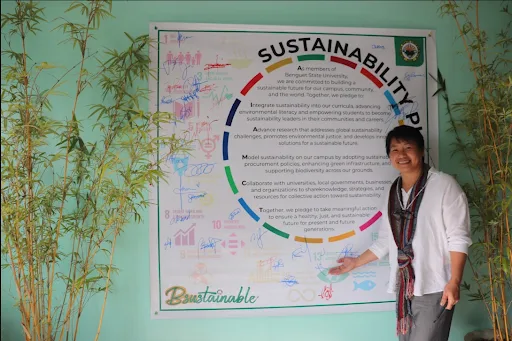
Benguet State University (BSU) advances SDG 17: Partnerships for the Goals through strong collaboration, transparent reporting, and sustainability education. The University works closely with government agencies, NGOs, community organizations, and international partners to implement research, extension, capacity-building, and policy-support initiatives that address local and global development challenges. BSU promotes accountability through its official platforms, bsu.edu.ph and bsu.international, institutional publications, official social media channels, and the SDG Wheel Challenge, which consolidates and showcases SDG-related accomplishments across university units. Sustainability is embedded throughout academic programs, research, and community engagement activities, with 1,427 sustainability-related courses and subjects offered. Through sustainability literacy programs, outreach initiatives, and extension services, BSU equips students and communities with the knowledge, skills, and values needed to contribute to sustainable development and the achievement of the SDGs.
Relationships to Support the Goals
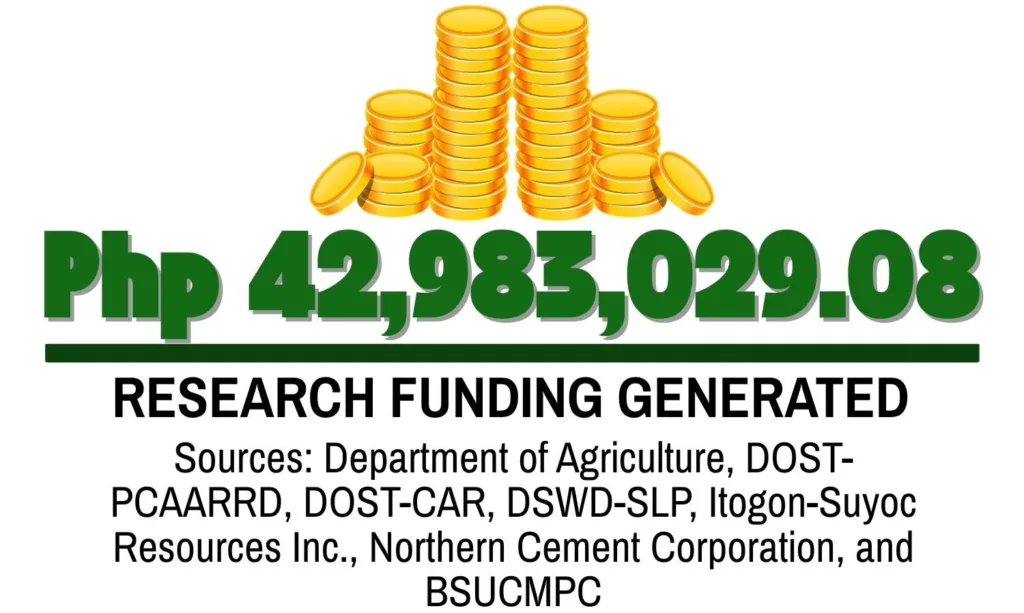
Benguet State University strengthened multi-stakeholder partnerships in 2025 through collaborations with government agencies, international benchmarking organizations, and non-government organizations. Agreements with the Department of Education-Benguet, DOST-Philippine Textile Research Institute, and DA-BFAR-CAR supported research, extension, technology transfer, and capacity-building initiatives that contribute to evidence-based policymaking and sustainable development. Through the Ba’diw ya Binnadang for Sustainable Development forum, BSU convened government, academic, community, and civil society stakeholders to discuss key sustainability challenges and identify collaborative solutions. The university also participated in international sustainability assessment frameworks, including the UI GreenMetric World University Rankings and THE Impact Rankings, while partnerships with the Pansigedan Advocacy Cooperative advanced community leadership development, research, and educational resource creation.

Publication of SDG Reports
Benguet State University (BSU) demonstrates its commitment to transparency, accountability, and sustainability reporting through a comprehensive system of information dissemination and knowledge sharing. The university publishes progress and accomplishments related to the Sustainable Development Goals through dedicated SDG reports and sustainability webpages, making information accessible to stakeholders, partner institutions, policymakers, researchers, students, and the wider community. The university’s official websites, https://bsu.edu.ph and https://bsu.international, serve as the primary platforms for communicating SDG initiatives, accomplishments, partnerships, research outputs, extension activities, and sustainability-related programs.
In addition to its official websites, BSU utilizes its official social media platforms, managed under the supervision of the University Public Affairs Office, to promote awareness and engagement on SDG-related initiatives and university accomplishments. These platforms strengthen stakeholder participation and ensure wider dissemination of sustainability information to local, national, and international audiences.
The University further supports knowledge generation and dissemination through its institutional publications. The SHAMAG, the University’s quarterly publication, highlights major accomplishments, community engagement activities, research innovations, extension programs, partnerships, and sustainability initiatives. Meanwhile, The Mountain Journal of Science and Interdisciplinary Research (MJSIR) serves as BSU’s peer-reviewed research journal, providing a platform for the publication and dissemination of scholarly research and interdisciplinary studies that contribute to sustainable development and evidence-based solutions to societal challenges.
To strengthen institutional documentation and reporting of sustainability efforts, BSU implements the SDG Wheel Challenge, an annual university-wide initiative designed to gather, consolidate, validate, and showcase SDG-related programs, projects, research, extension activities, operational practices, and best practices from various academic and administrative units. The activity serves as a mechanism for identifying and documenting contributions to all 17 Sustainable Development Goals while generating evidence for sustainability reporting, impact assessments, international rankings, and institutional reviews. The SDG Wheel Challenge Results are published through the university’s sustainability platforms and serve as a valuable repository of good practices and innovations that demonstrate BSU’s whole-of-university approach to sustainable development.
Official Platforms and Publications:
- BSU Main Website: https://bsu.edu.ph
- BSU International and SDG Portal: https://bsu.international
- Sustainable Development Goals Portal: https://bsu.international/sustainable-development-goals/
- SDG Reports: https://bsu.international/sustainable-development-goals-reports/
- Mountain Journal of Science and Interdisciplinary Research: https://journals.bsu.edu.ph/index.php/BRJ
- University Public Affairs Office Facebook Page: https://www.facebook.com/BenguetStateUniversityOfficial
- SDG Wheel Challenge: https://bsu.international/sdg-per-college/
- Shamag: https://bsu.edu.ph/wp-content/uploads/shamag/Shamag-June-2025.pdf
- Benguet State University Annual Report: https://bsu.edu.ph/wp-content/uploads/TS_2026/BSU-Annual-Report-2025.pdf
Through these integrated reporting mechanisms, digital platforms, institutional publications, and evidence-gathering initiatives, BSU ensures that its contributions to the Sustainable Development Goals are systematically documented, publicly communicated, and continuously improved, fostering a culture of accountability, collaboration, and sustainability across the university community.
Education for the SDGs
Benguet State University (BSU) demonstrates a strong commitment to Education for Sustainable Development by integrating sustainability principles across its academic programs, outreach activities, extension services, and student learning initiatives. Through the Sustainability Literacy Program, BSU promotes critical thinking, self-awareness, systems thinking, and sustainability competencies that enable students and community members to understand and address global and local development challenges. The university further extends sustainability education beyond the campus through community outreach programs, including the College Education Behind Bars which provides inclusive learning opportunities for underserved sectors.
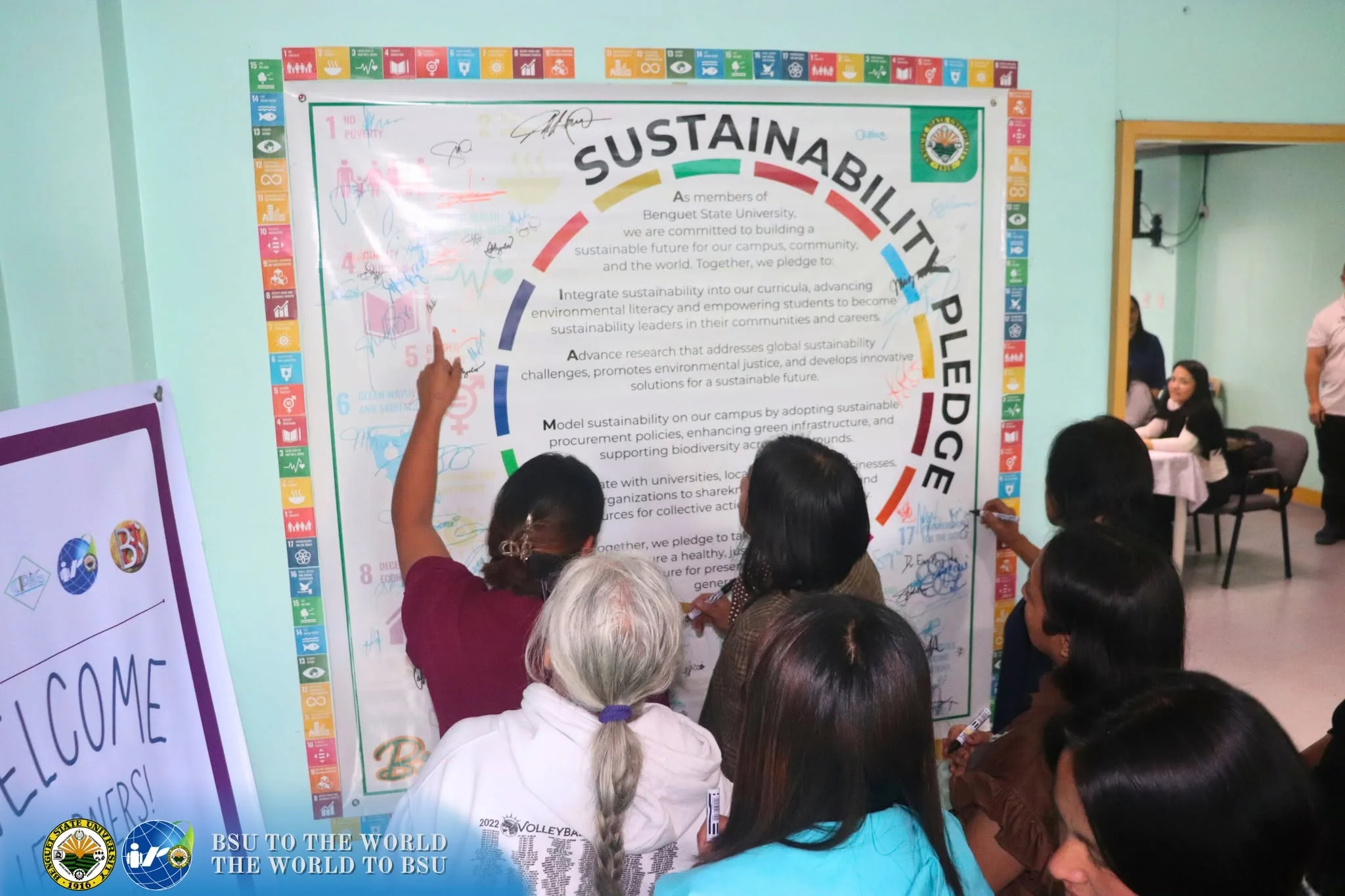
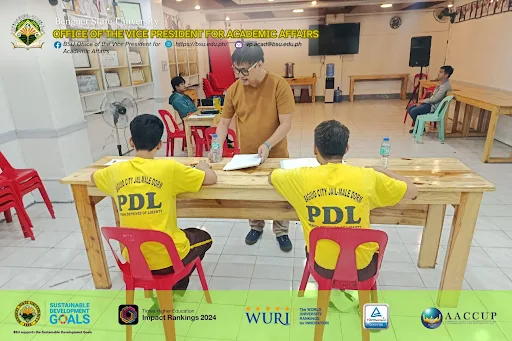
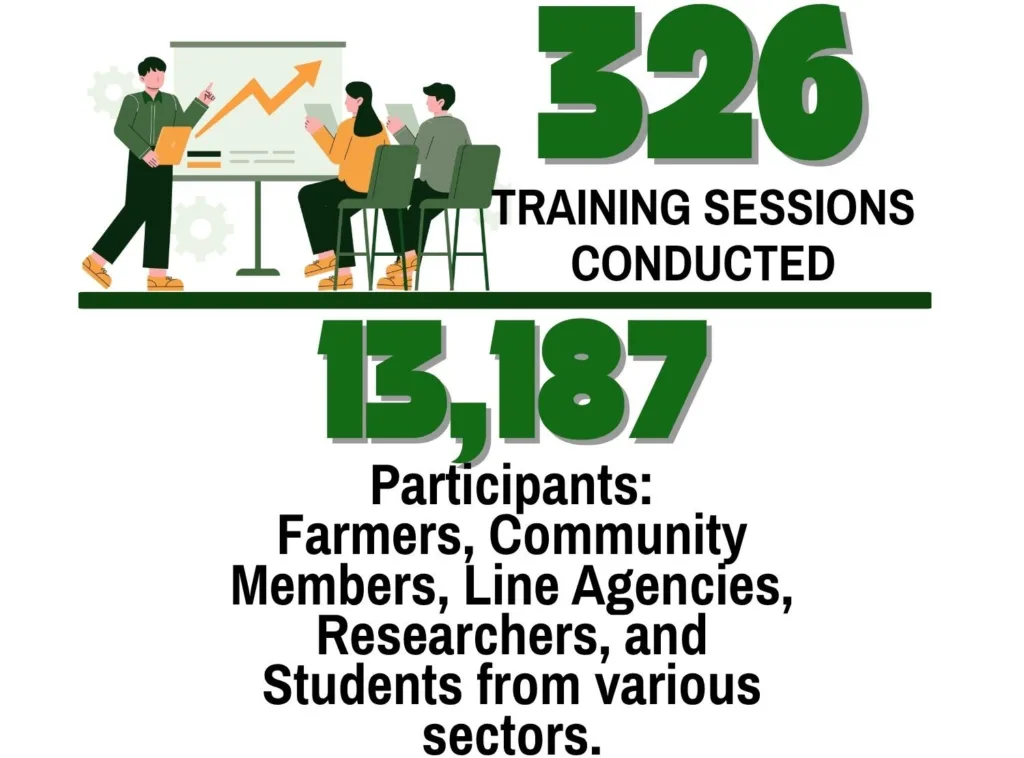
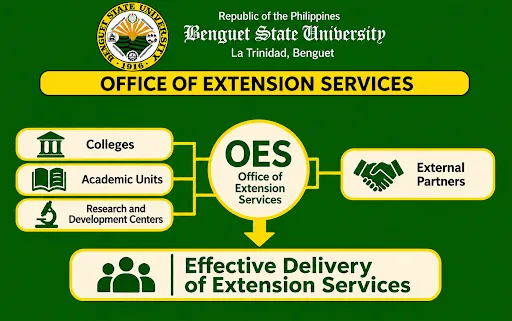
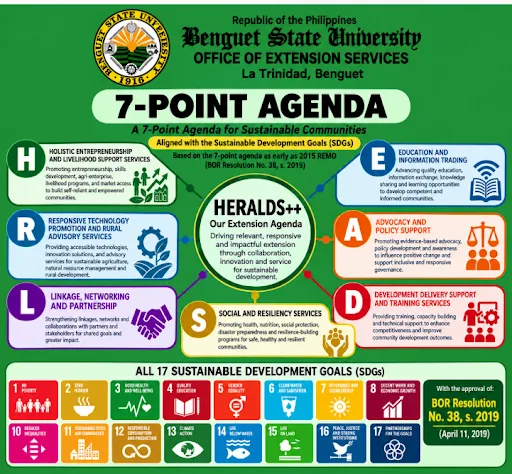
BSU recognizes extension, outreach, and community engagement as vital institutional functions in fulfilling its mandate of providing relevant and responsive services to communities and partner institutions. Through these initiatives, the University brings its expertise, research-based knowledge, technologies, professional services, and educational resources beyond the campus to address identified community needs and contribute to local and regional development. These engagements serve as important platforms for promoting sustainability awareness, community capacity building, and the practical application of Sustainable Development Goal (SDG) principles among various stakeholder groups.
Sustainability is also deeply embedded across BSU’s academic offerings. The Bachelor of Science in Environmental Science program equips students with interdisciplinary knowledge in environmental assessment, policy, management, and sustainability planning, producing graduates capable of addressing complex environmental challenges through science-based and sustainable solutions. The Bachelor of Science and Master of Science in Forestry programs develop expertise in sustainable forest management, watershed conservation, forest restoration, and environmental stewardship while emphasizing the social, economic, political, and ecological dimensions of sustainability. Likewise, the College of Agriculture advances sustainable agriculture and rural development through programs in agriculture, agribusiness, agroforestry, agroecology, and rural development, preparing graduates to contribute to food security, innovation, and environmental sustainability. The Bachelor of Science in Biosystems Engineering further integrates sustainability through engineering solutions, industry immersion, and research experiences that support agricultural and environmental development. Together, these programs form part of BSU’s 1,427 sustainability-related subjects, demonstrating the University’s comprehensive integration of sustainability across instruction and research.
To ensure meaningful learning outcomes, BSU measures sustainability literacy through SDG reflective assessments, and experiential learning activities that evaluate students’ understanding of sustainability concepts and their ability to apply SDG principles in real-world contexts. These initiatives cultivate graduates, professionals, and community leaders equipped with the knowledge, skills, and values necessary to contribute to the achievement of the Sustainable Development Goals and sustainable development within their communities and beyond.
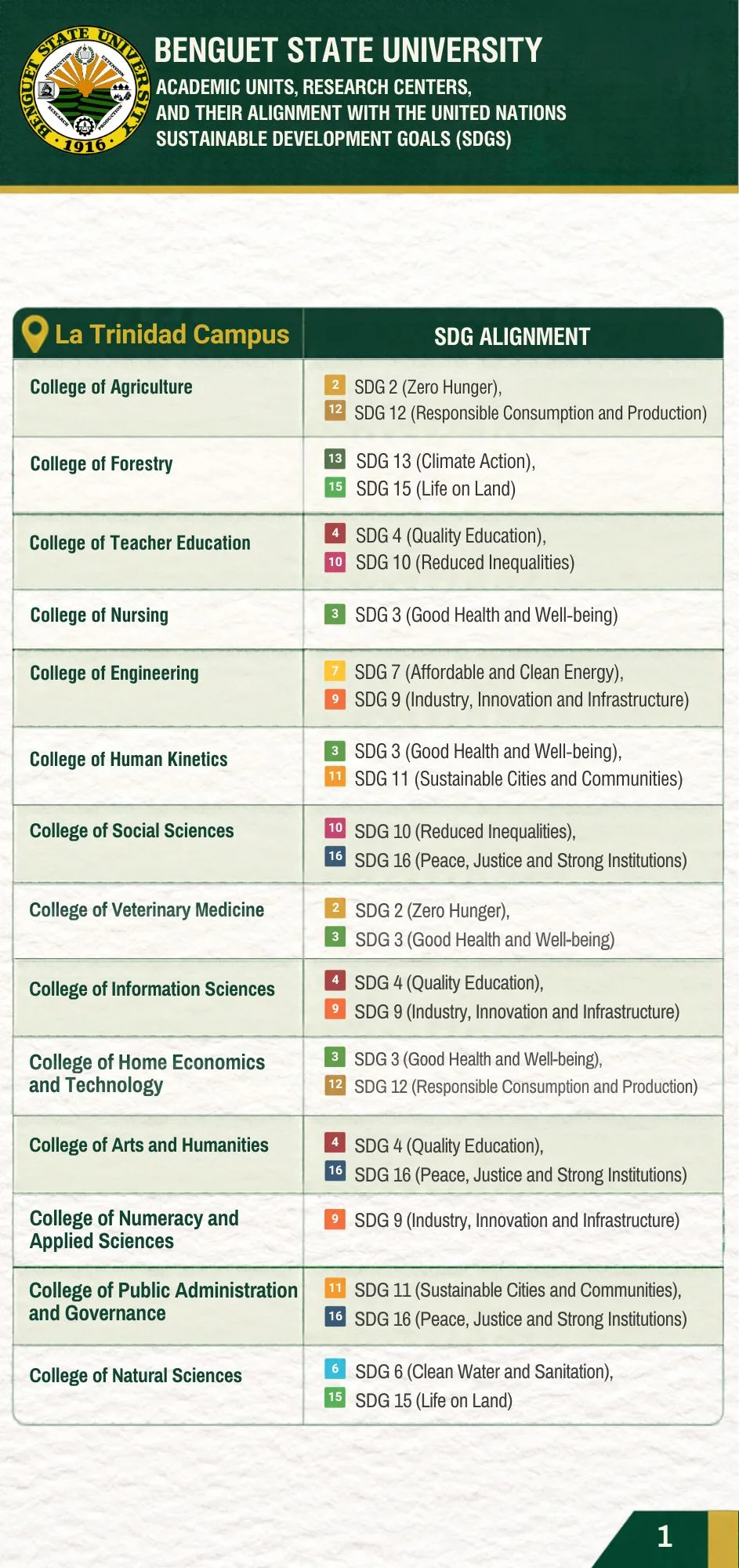
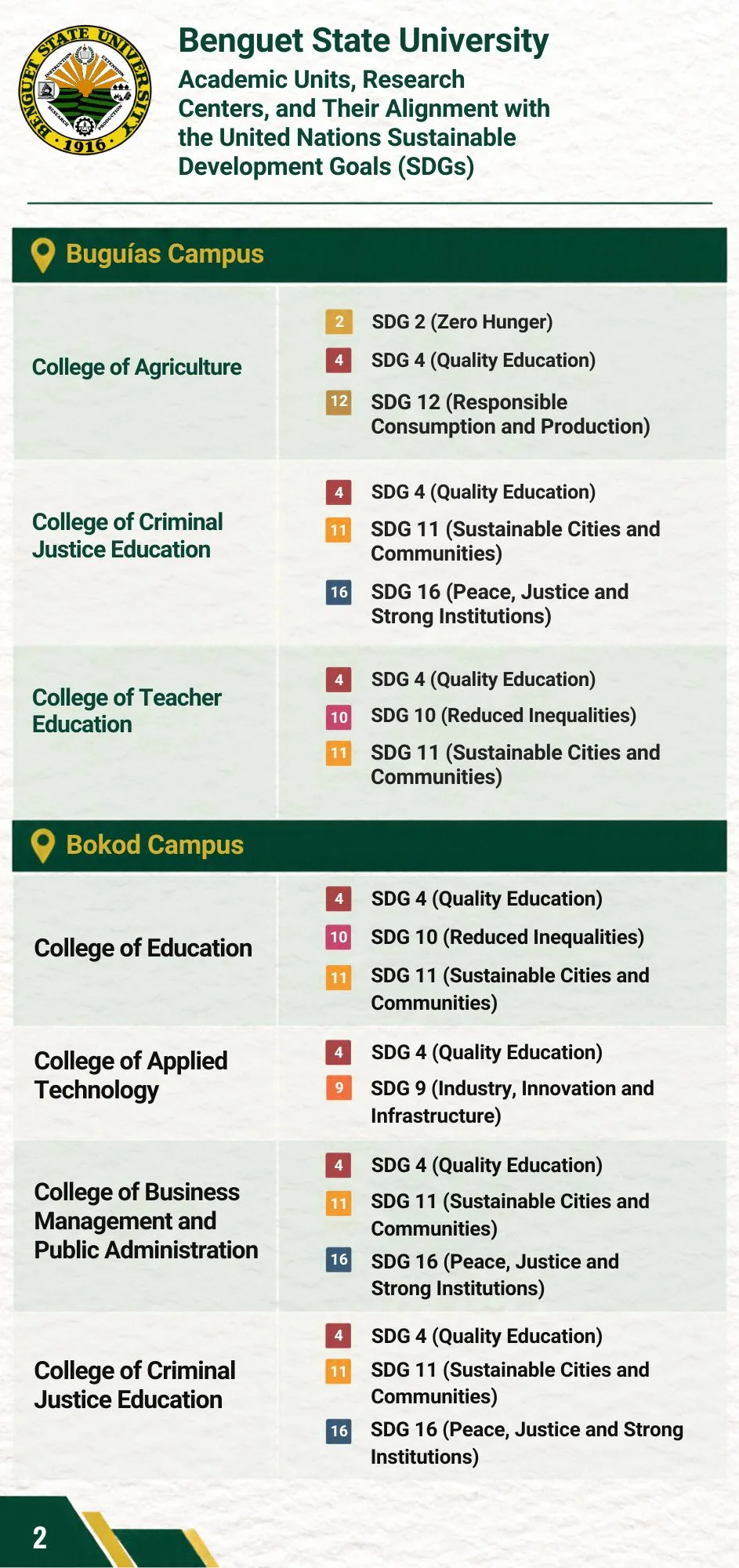
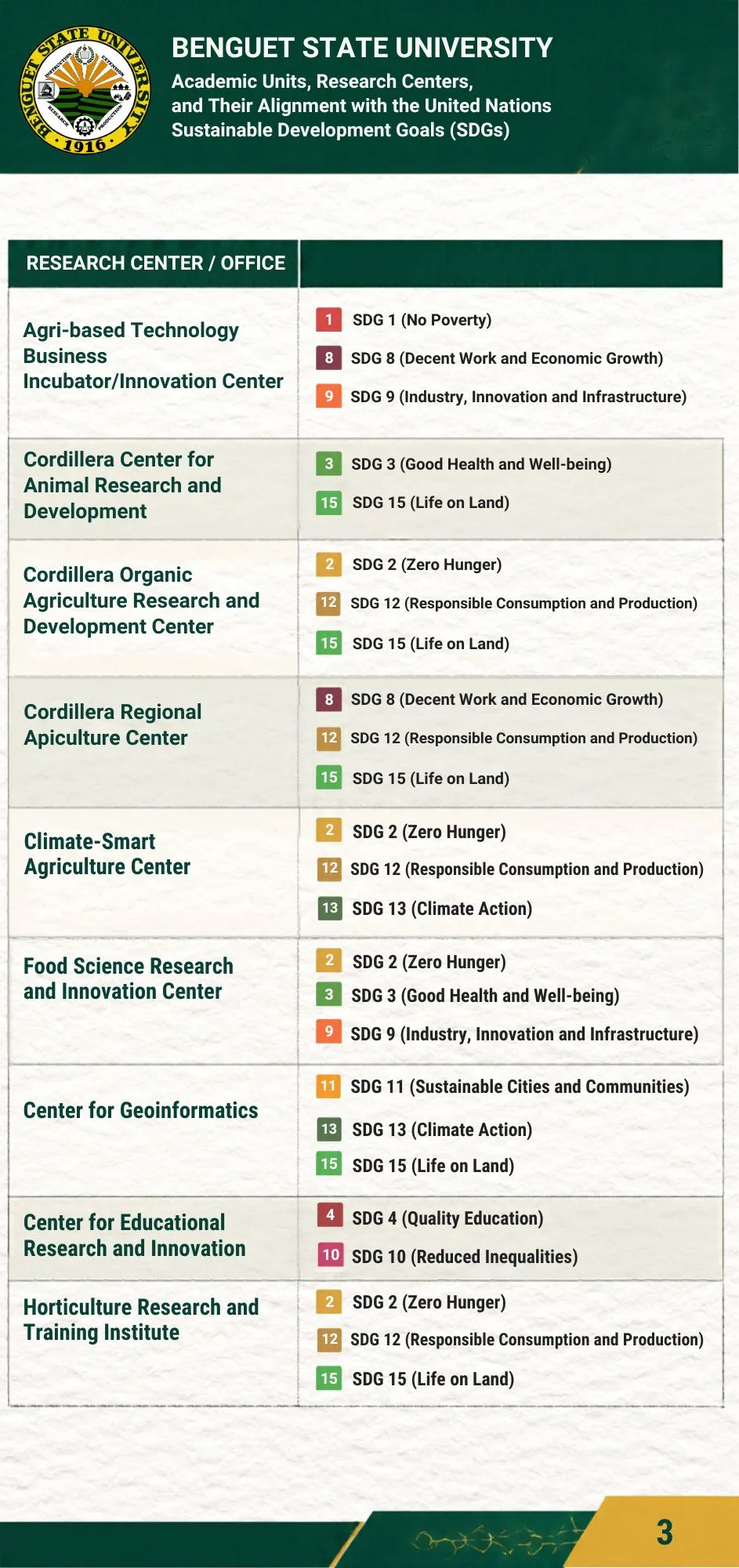
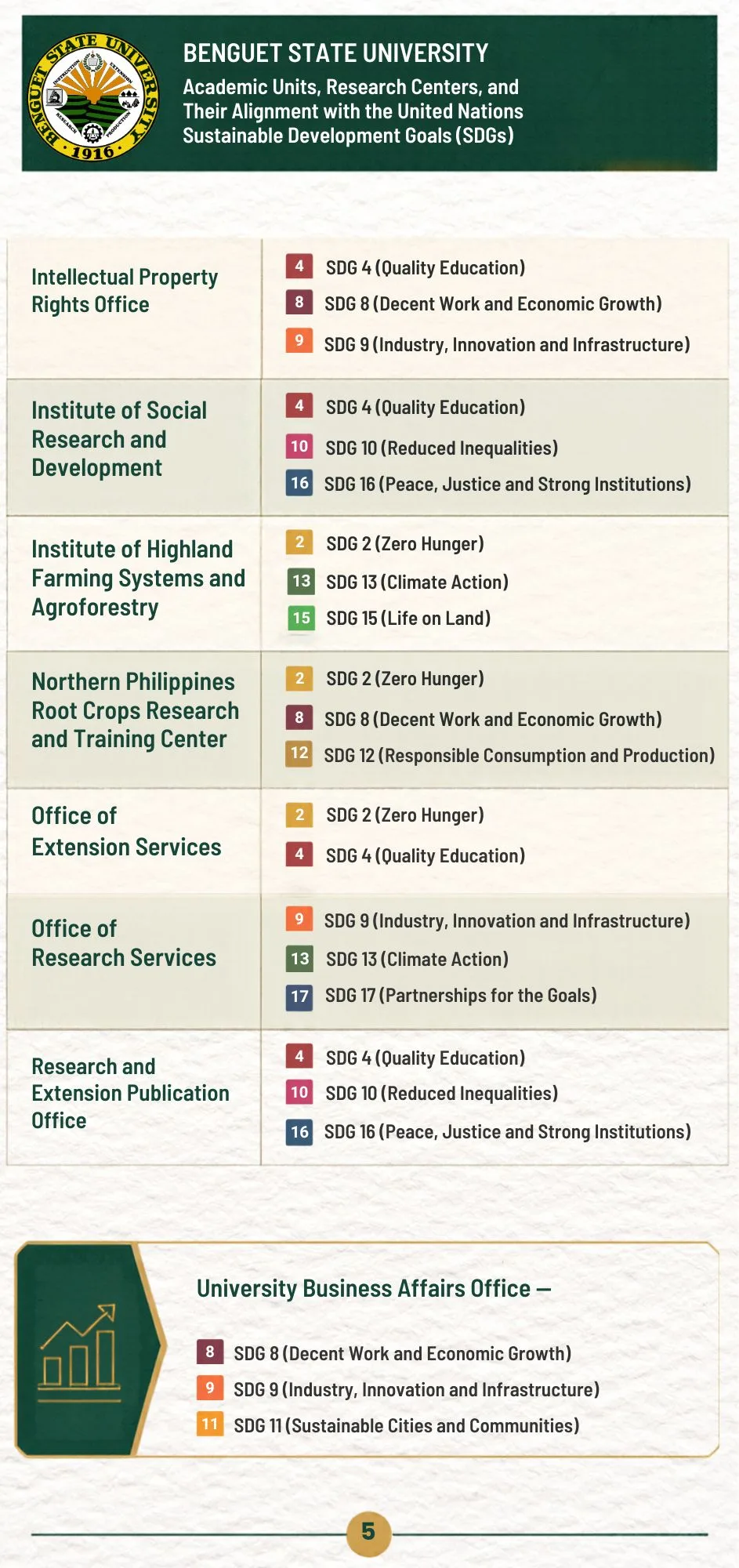
Academic Units, Research Centers, and their Alignment with the SDGs