









Benguet State University (BSU) continues to foster innovation and strengthen its research and industry linkages through programs that promote technology transfer, entrepreneurship, and applied research. The University’s initiatives under SDG 9 demonstrate its active participation in the national agenda for innovation-led regional development, consistent with the Philippine Development Plan (PDP) 2023–2028 and the Commission on Higher Education Memorandum Order No. 55, s. 2026 on internationalization and innovation in higher education.
Research Income from Industry, Commerce, and External Partners
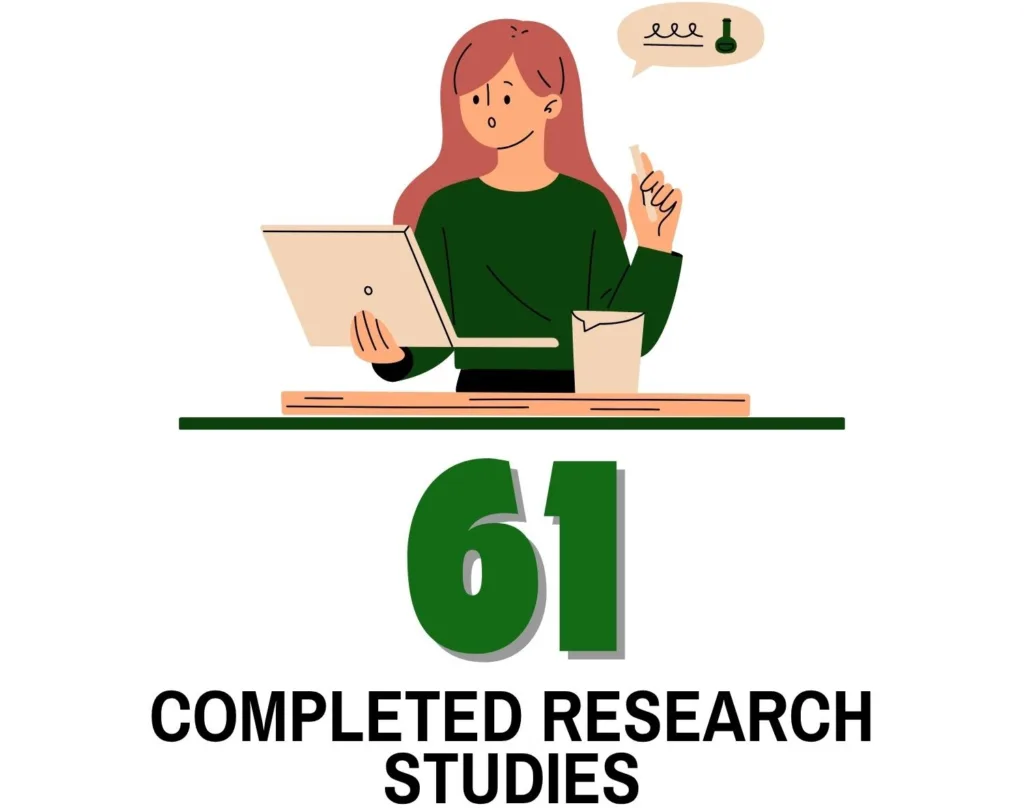
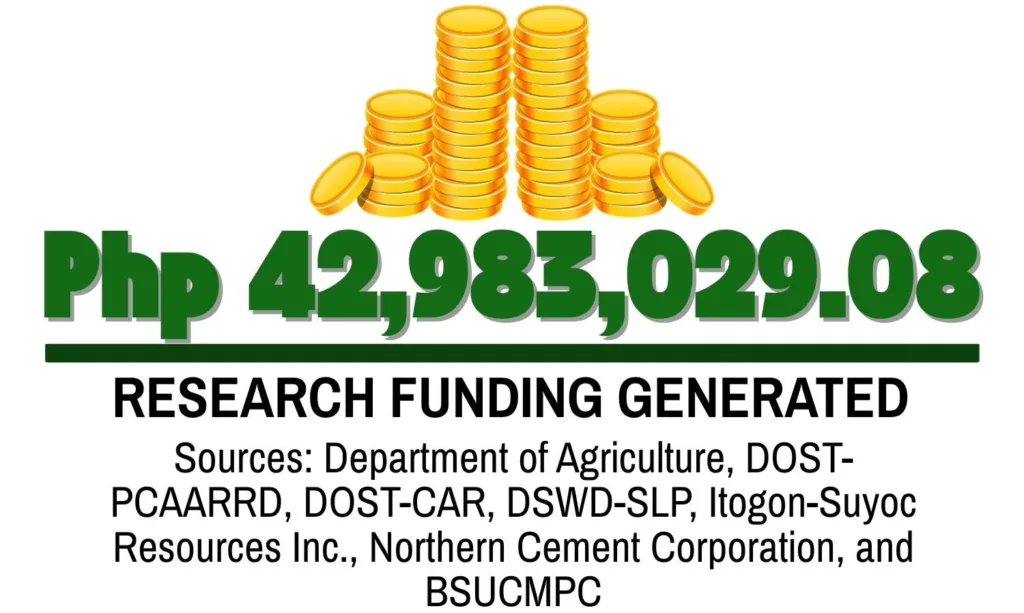
Benguet State University (BSU) demonstrates strong performance in securing external funding for research and extension activities. As of 26 November 2025, the University’s research and extension portfolio comprised 85 registered research projects with a total funding value of ₱42,983,029.08. Of these, 64 projects were internally funded, accounting for approximately ₱3.03 million, while 21 externally funded projects received nearly ₱40 million, representing the majority of the University’s research funding resources.
The significant share of externally sourced funding reflects BSU’s growing capacity to attract grants and establish partnerships with government agencies, industry partners, and other external funding organizations. Institutional records indicate that external research funding has shown a steady upward trend since 2020. A notable increase occurred in 2021, when faculty members and researchers intensified proposal development activities, resulting in increased success in grant acquisition and laying the foundation for continued growth in externally funded research projects.
This sustained ability to secure high-value external grants demonstrates the relevance of BSU’s research agenda to national, regional, and industry priorities while strengthening the University’s contribution to innovation, knowledge generation, agricultural modernization, environmental sustainability, and regional development. BSU Annual Report 2025
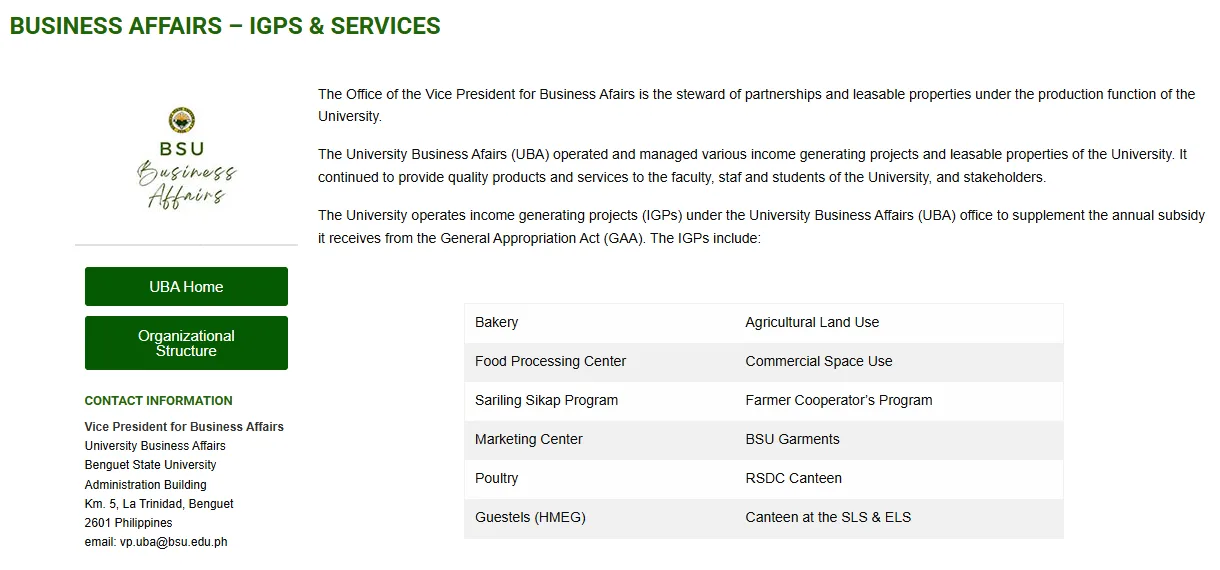
The production sector of Benguet State University (BSU) managed by the Office of the Vice President for Business Affairs, exemplifies a sustainable campus model where fiscal health directly supports environmental and social goals. This sector serves as the university’s primary engine for innovation, fund generation, and infrastructure maintenance, operating through three divisions: Business Operations, Business Development Services, and Leasing and Special Projects.
Strategic Resource Management and Infrastructure (SI)
The university optimizes its campus footprint to generate significant revenue, ensuring the upkeep of facilities without relying solely on government subsidies. For the year in review, BSU demonstrated exceptional management of its physical assets:
- Land & Space Utilization: Generated ₱10,398,840.00 from managed Pay Parking areas and ₱37,934,308.93 from Lease Collections, reflecting efficient use of university real estate.
- Operational Excellence: Achieved a Gross Revenue of ₱97,793,030.45 from seven core Income Generating Projects (IGPs), including the Bakery, Food Processing Center, Garments, Marketing Center, Canteens, Home Management/Executive Guestels, and Poultry.
- Performance Metrics: This total income reached 75.55% of the projected revenue, signaling strong operational performance and a healthy profit margin.
Environmental Innovation, Clean Water (WR) , Waste Reduction (WS)
A key highlight of BSU’s green innovation is the TiTEK (Tingi-tinging Tubig para sa Ekonomiya at Kalikasan) initiative at the Marketing Center. This water-refilling system directly targets SDG 12 (Responsible Consumption and Production) by allowing stakeholders to refill containers for a fee. This system incentivizes the community to move away from single-use plastics, significantly reducing the campus carbon footprint and plastic waste. Another project under the Leasing and Special Projects Division is the Farmer Cooperators and Sariling Sikap. These two projects aim to provide income generating sources to the community and among its employees. It is through the Farmer Cooperators Project that indigenous members of the community and those belonging to low income brackets are given parcels of land not exceeding 500 meters to cultivate and manage for a specific period of time. This is similar to the Sariling Sikap project except that the beneficiaries of this project are employees of the university with a salary grade of 21 and below. With the farmer cooperators and Sariling Sikap beneficiaries as partners for sustainable development and green initiatives, a regular clean-up drive at the BSU Strawberry Farm is conducted regularly. This exemplifies the modern bayanihan system which is deeply rooted in the Filipino tradition of working together in harmony for a common goal. For 2025, the university has entered into a contract with 259 farmer cooperators and 200 Sariling Sikap beneficiaries.
Social Equity and Living Laboratories (ED)
BSU integrates its business operations with its academic mission, fostering a circular economy that benefits the community:
- Community Impact: Over 1,090 stakeholders, including farmers and alumni, utilized university stalls and farms.
- Experiential Learning: From 2024-2025 873 students completed internships within these IGPs, gaining hands-on experience in sustainable agriculture (Strawberry, Mushroom, and Multi-Vegetable Production) and business management. For entrepreneurial development, the university has allotted stalls for students to implement their business plans giving them a 50% discount on the rent.
- Inclusivity: Programs like Sariling Sikap and the Farmer Cooperator’s Program ensure that the university’s economic success translates into local community development.
- Sustainable food source for the community for the supply of bread, eggs and other products.