





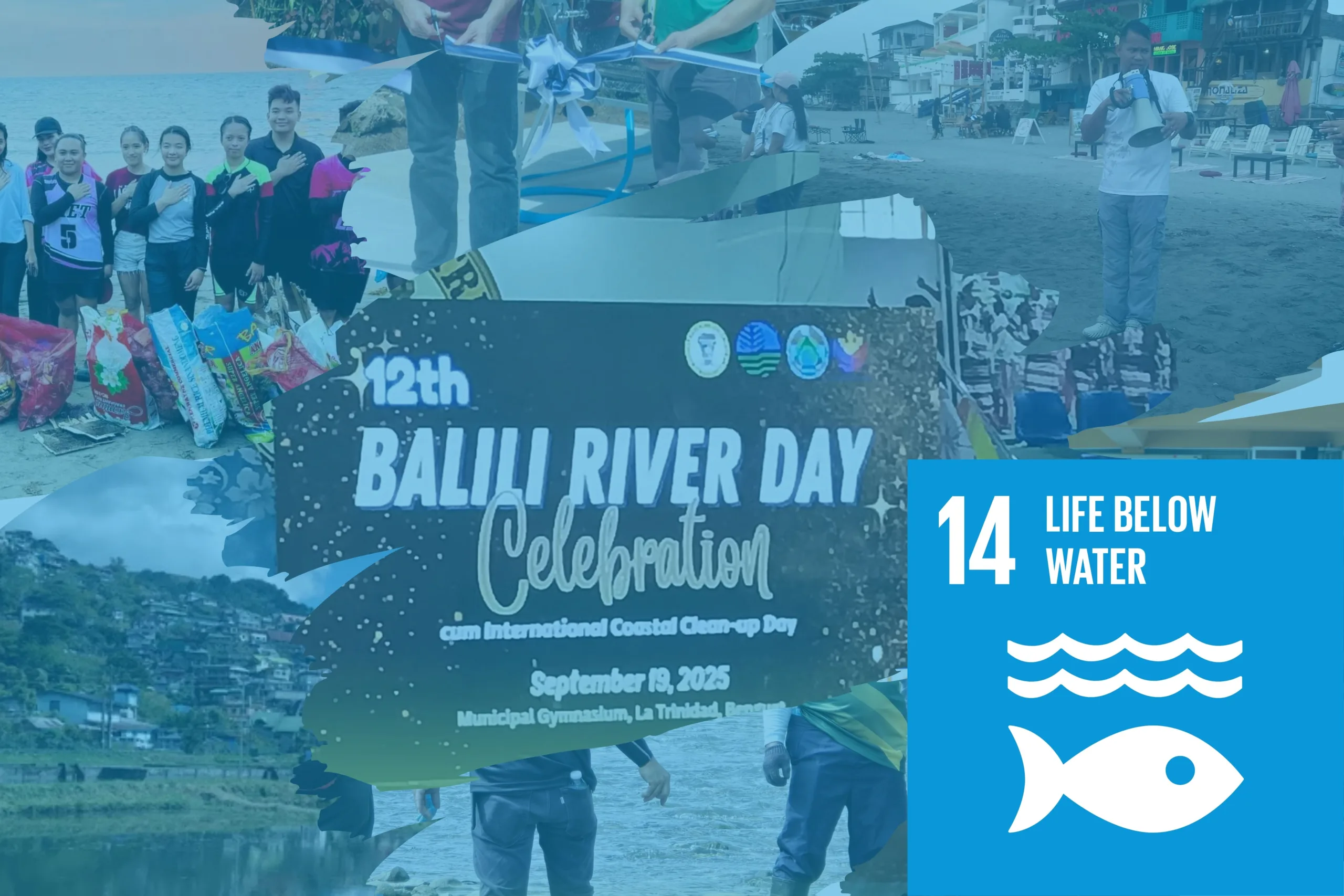
While situated in the Cordillera highlands, Benguet State University (BSU) demonstrates a comprehensive, action-oriented commitment to the objectives of SDG 14 (Life Below Water) by focusing intensively on the health, conservation, and sustainable utilization of the region’s vital fresh-water ecosystems, particularly the Balili River. The Balili River is a major river system in Benguet Province that originates from the mountains of La Trinidad and Baguio City. It flows northward through the municipalities of Sablan and Tublay, eventually merging with the Naguilian River system in La Union Province. From there, its waters continue downstream until they reach the West Philippine Sea. This connection highlights the river’s ecological importance not only as a freshwater resource for the upland communities but also as part of a larger watershed that ultimately influences the health of marine and coastal ecosystems. The University integrates policy, research, and community outreach to address pollution and ensure aquatic health.
Supporting Aquatic Ecosystems Through Action
Description here…
(Source: CHET – DHM AJAM BSU Chapter)
Water Sensitive Waste Disposal
Description here…
Maintaining a Local Ecosystem
Description here…
Programs towards good aquatic stewardship practices
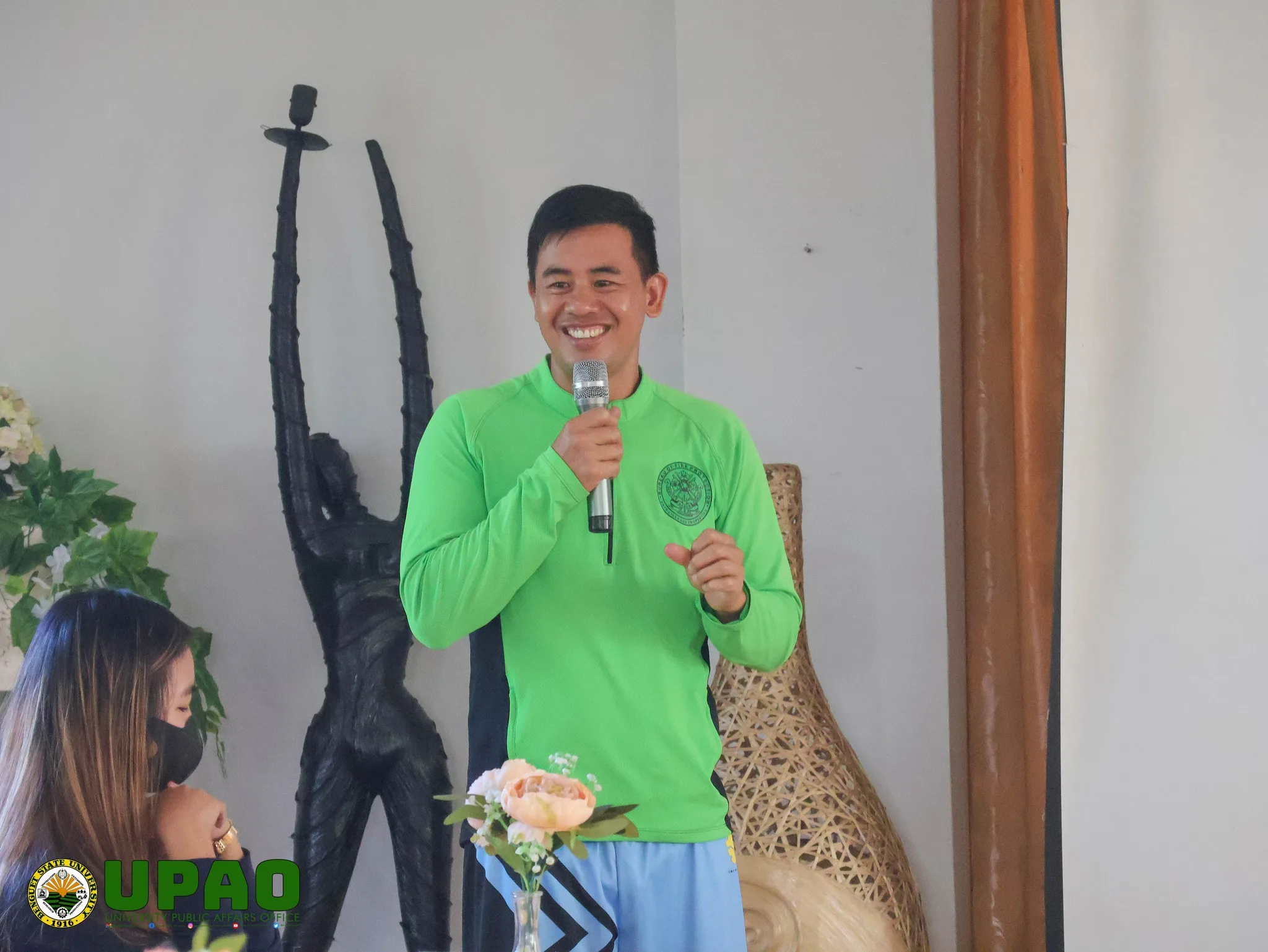
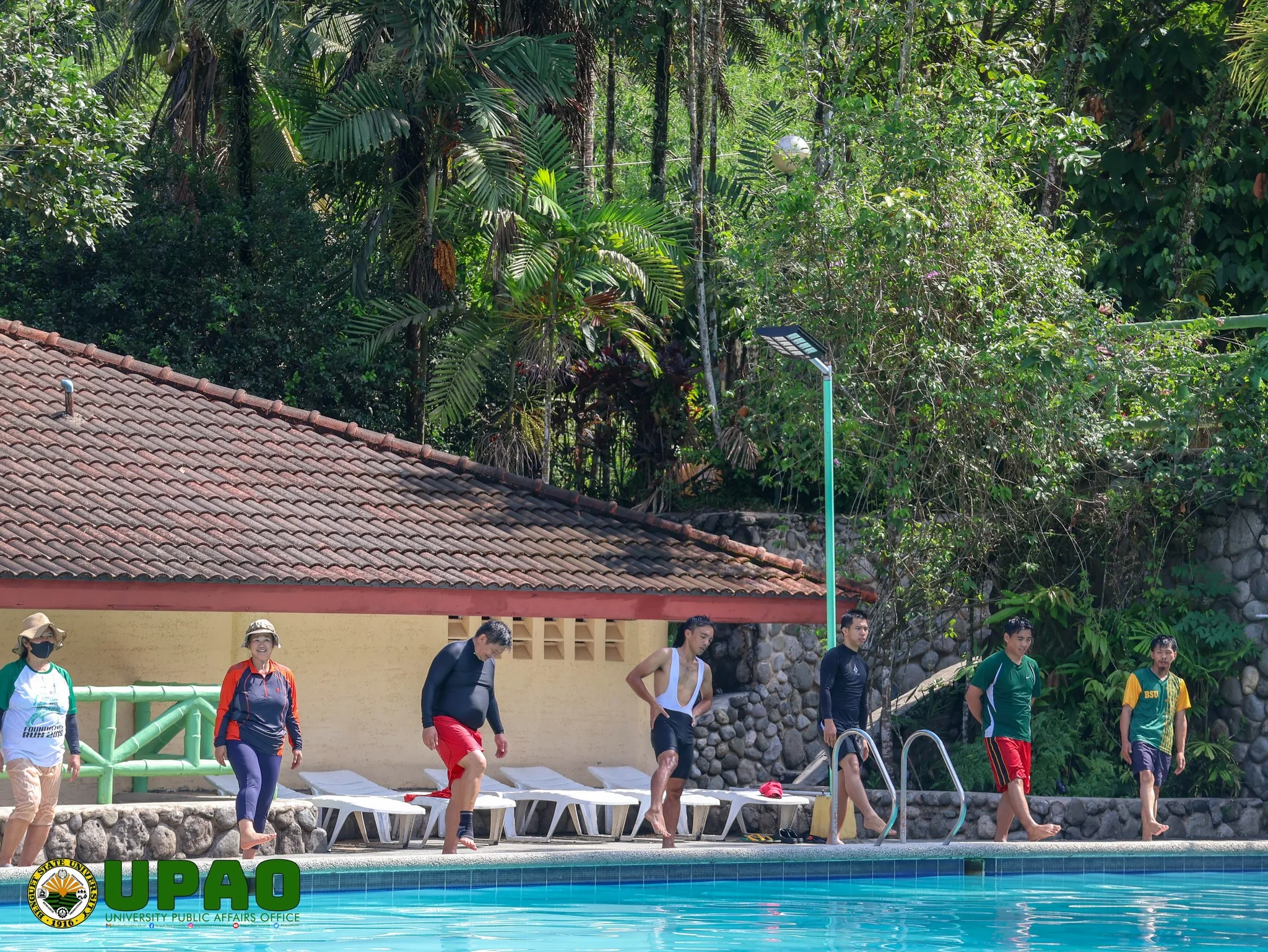
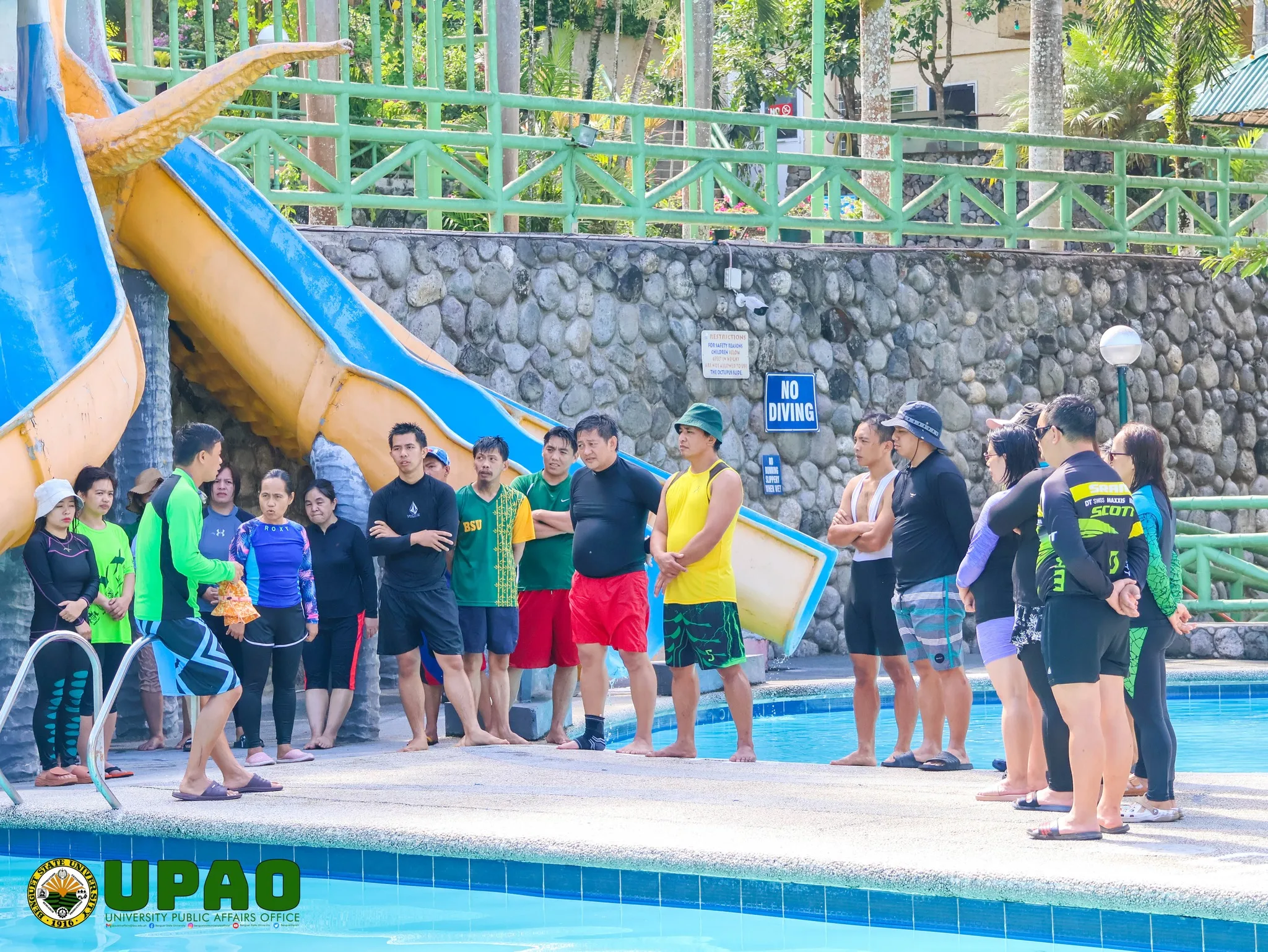
BSU’s Gender and Development (GAD) Office conducted training in 2024 that included water safety management training.
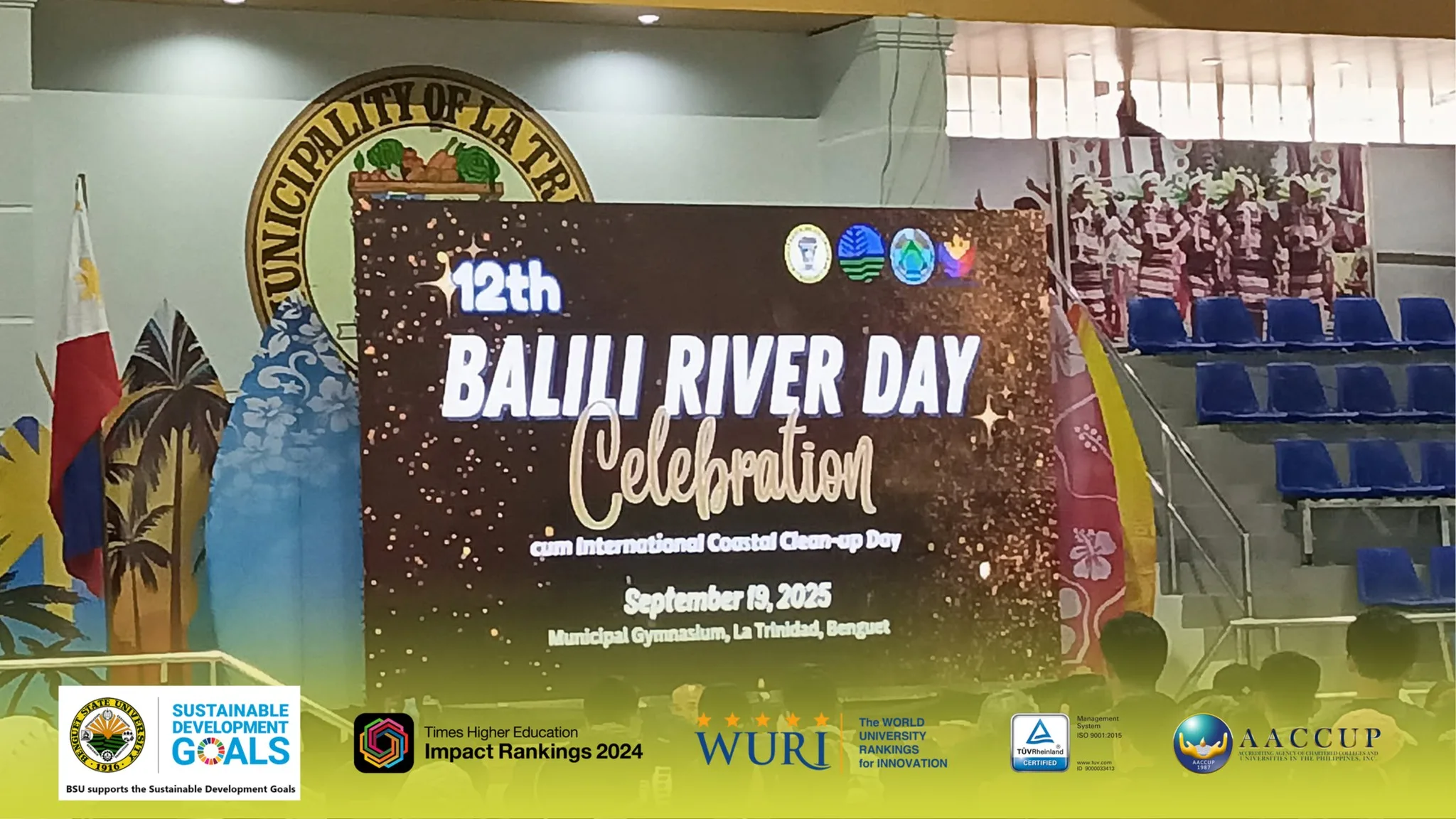
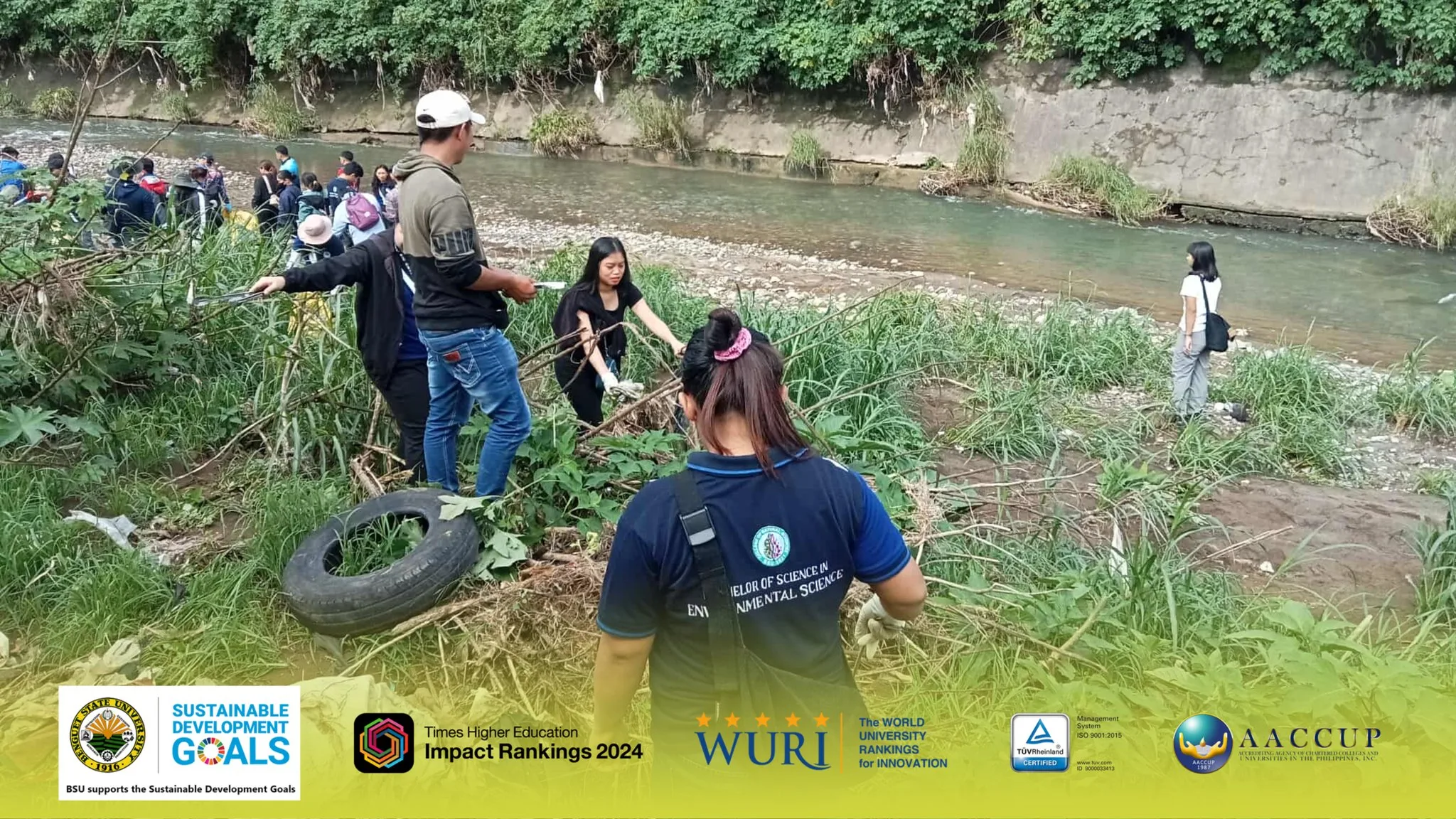
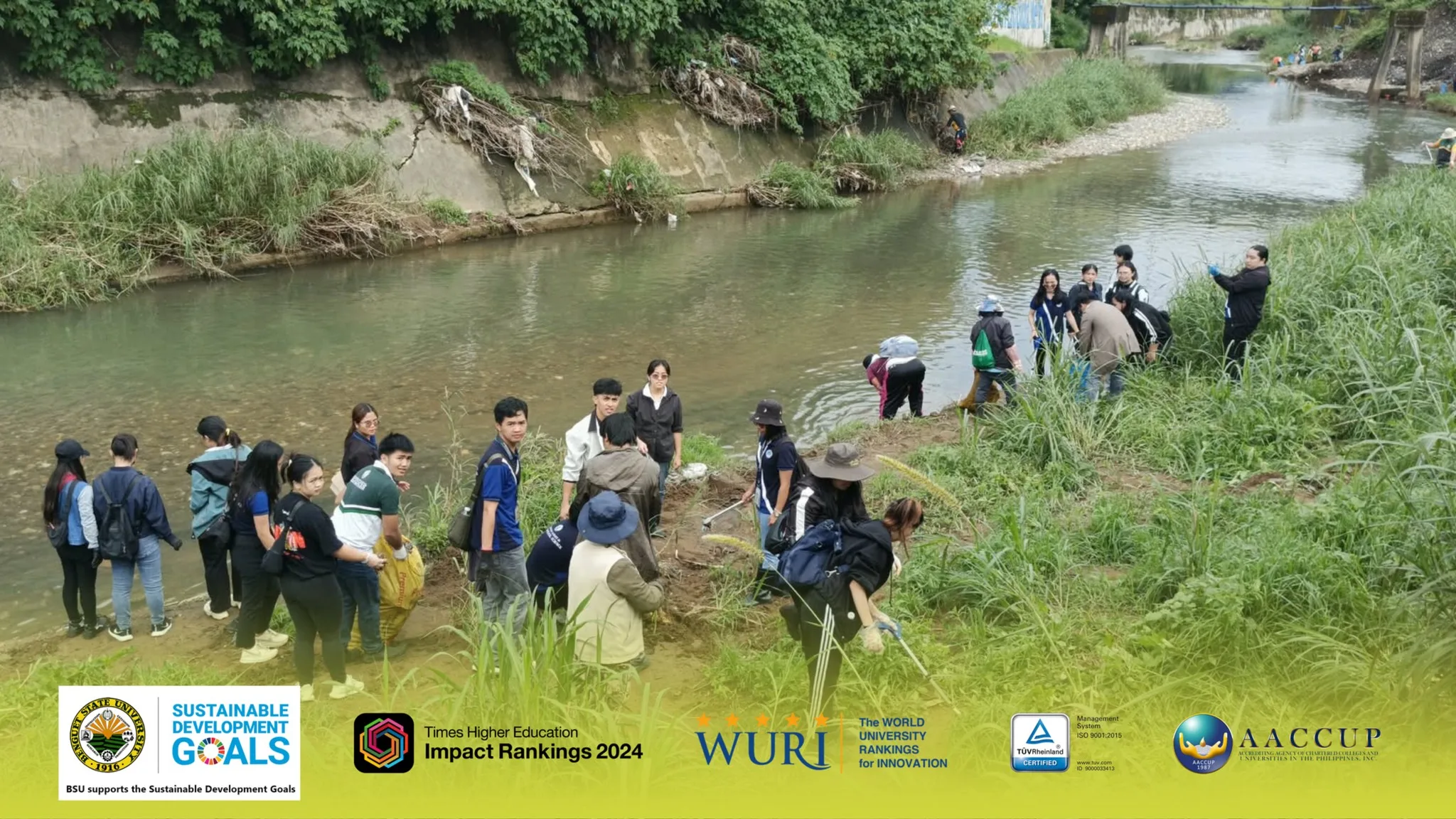
The student-led “Adopt-a-River” program is an ongoing initiative focused on revitalizing the Balili River through activities like clean-up drives, which fosters good aquatic stewardship practices among the university community. BSU’s Gender and Development (GAD) Office also conducted training in 2024 that included water safety management training.
Collaboration for Shared Aquatic Ecosystems
The Balili River Rehabilitation Program is a concerted effort involving BSU, Local Government Units (LGUs), private sectors, local communities, and other stakeholders. BSU partners with the Watershed and Water Resource Research Center (WWRRC) and Governing Board members in La Trinidad and Sablan for program implementation. BSU actively collaborates with LGUs, the WWRRC, and community stakeholders to maintain the shared Balili River ecosystem. BSU’s role as the lead institution for the first two objectives of the Balili River WQMA action plan—focused on decreasing erosion/siltation and improving vegetation—constitutes a formally implemented watershed management strategy. This strategy includes tree planting activities and research (e.g., phytoremediation). BSU has implemented a watershed management strategy for the Balili River WQMA, which includes an action plan for ecosystem restoration (tree planting, research) and pollution reduction.