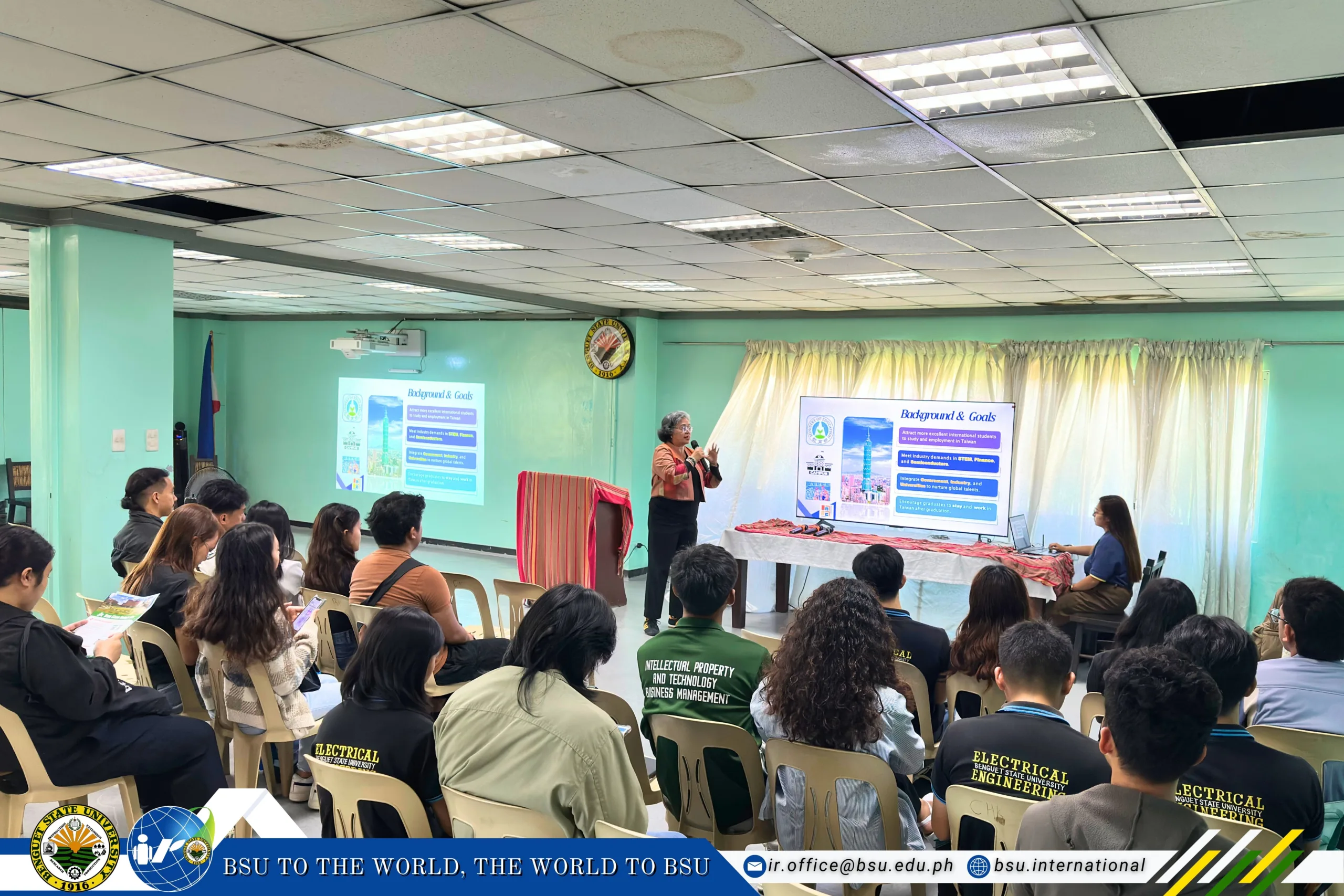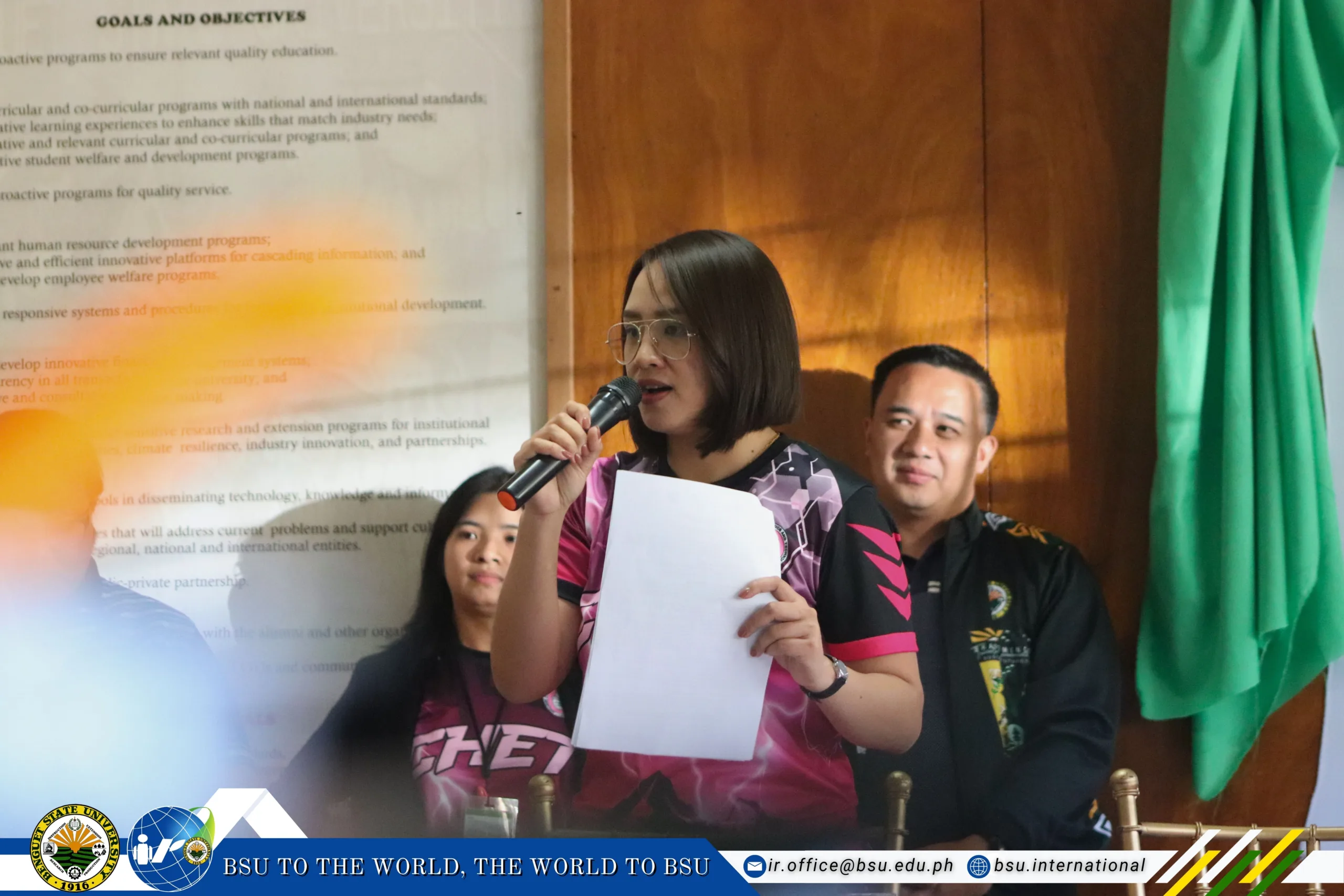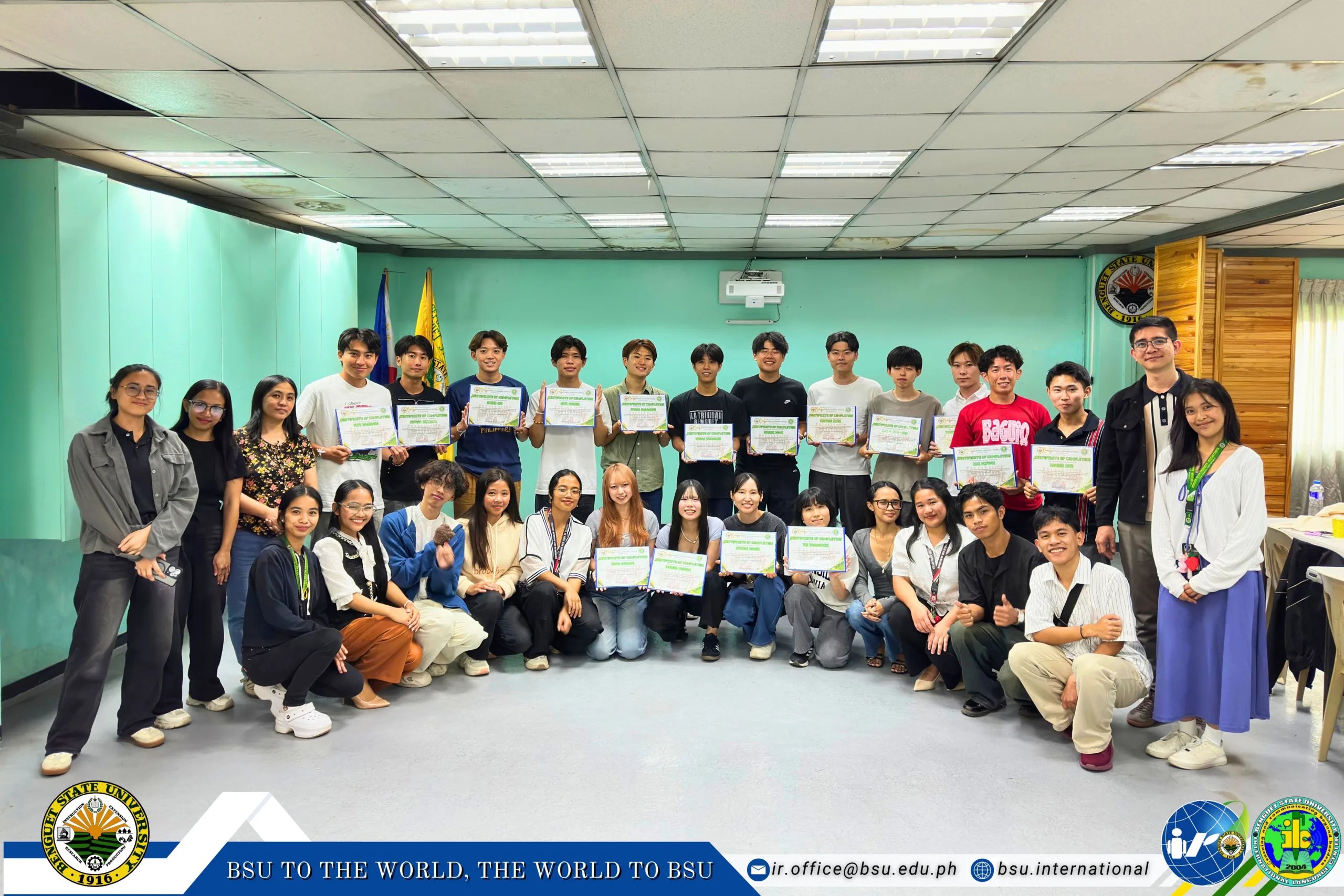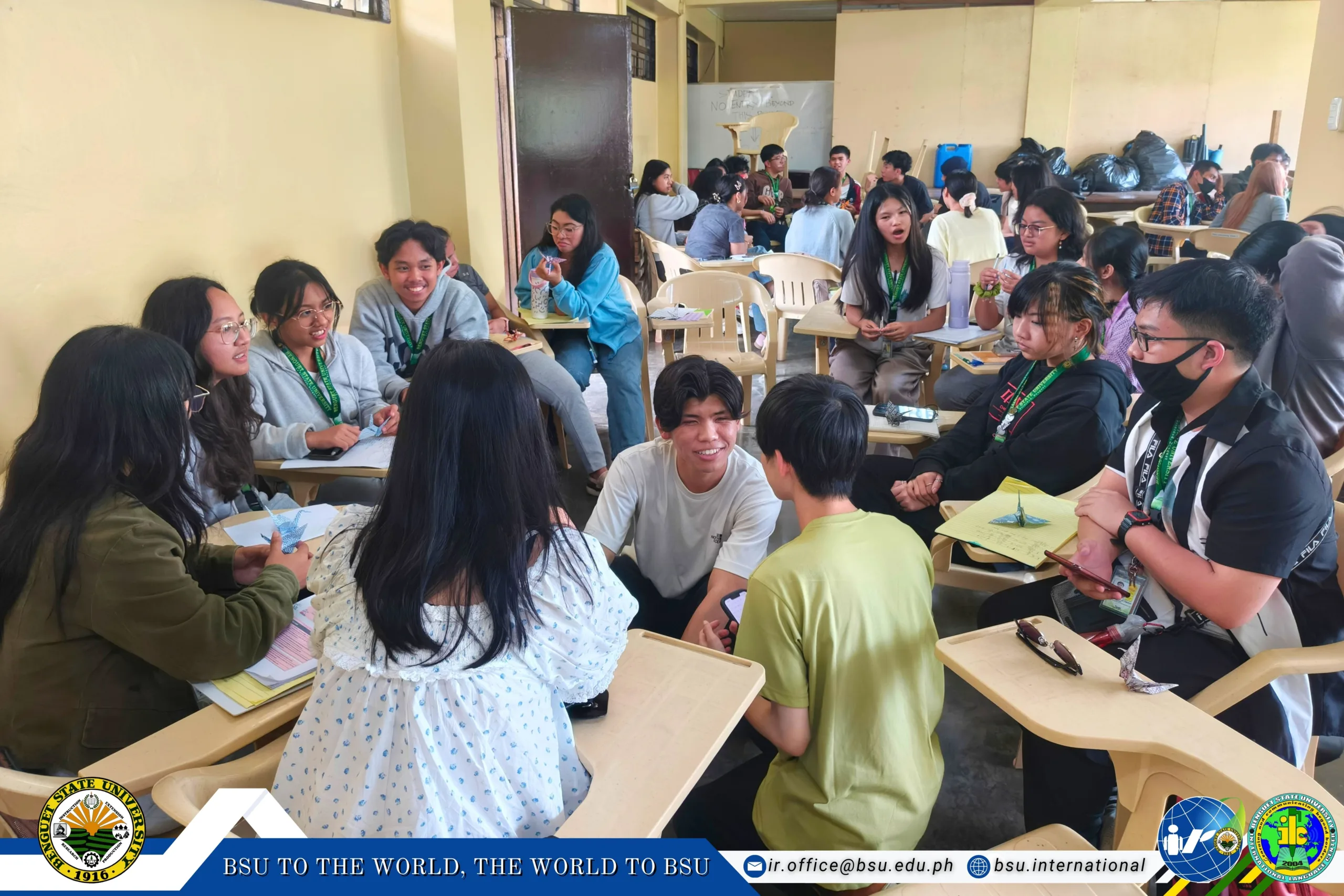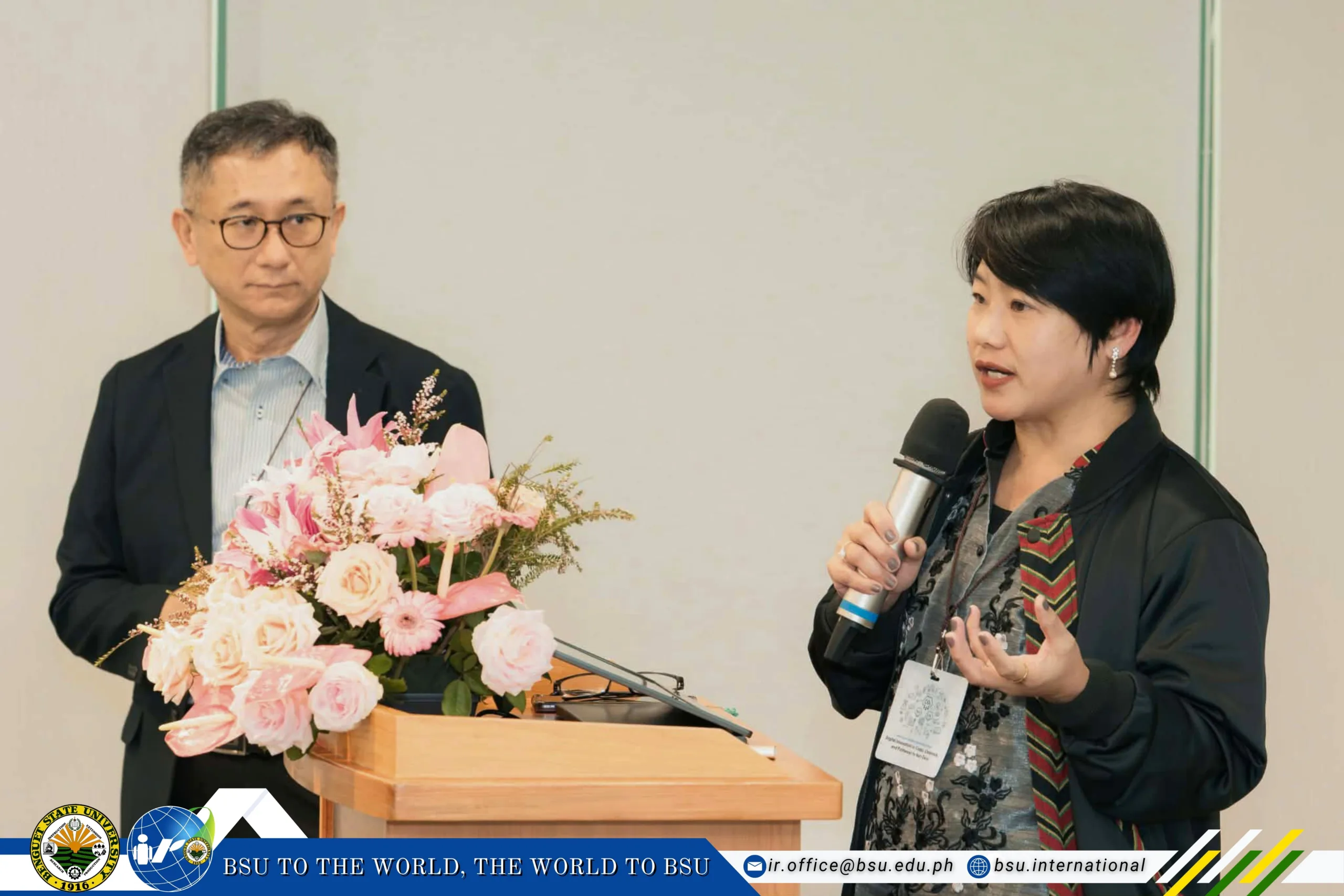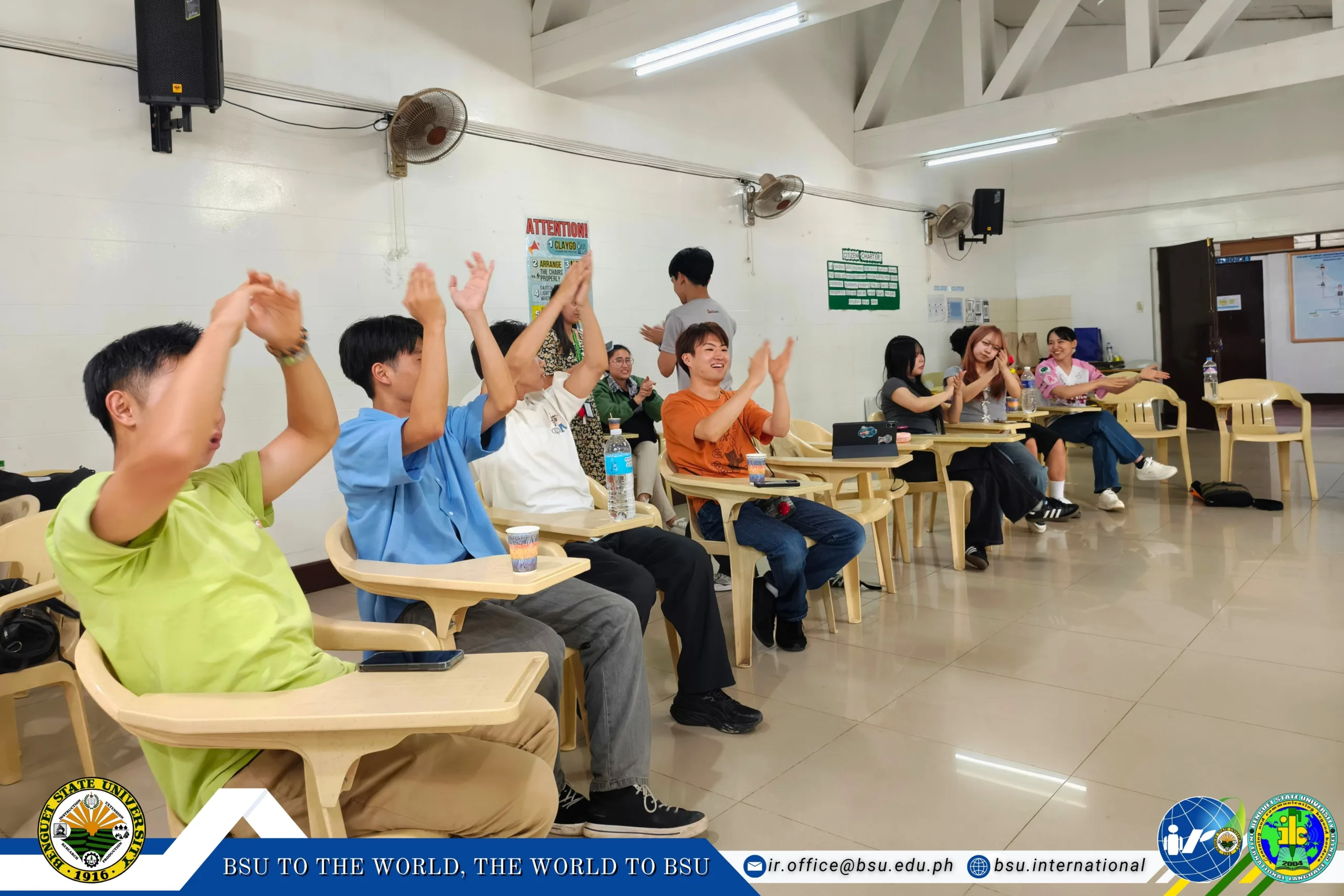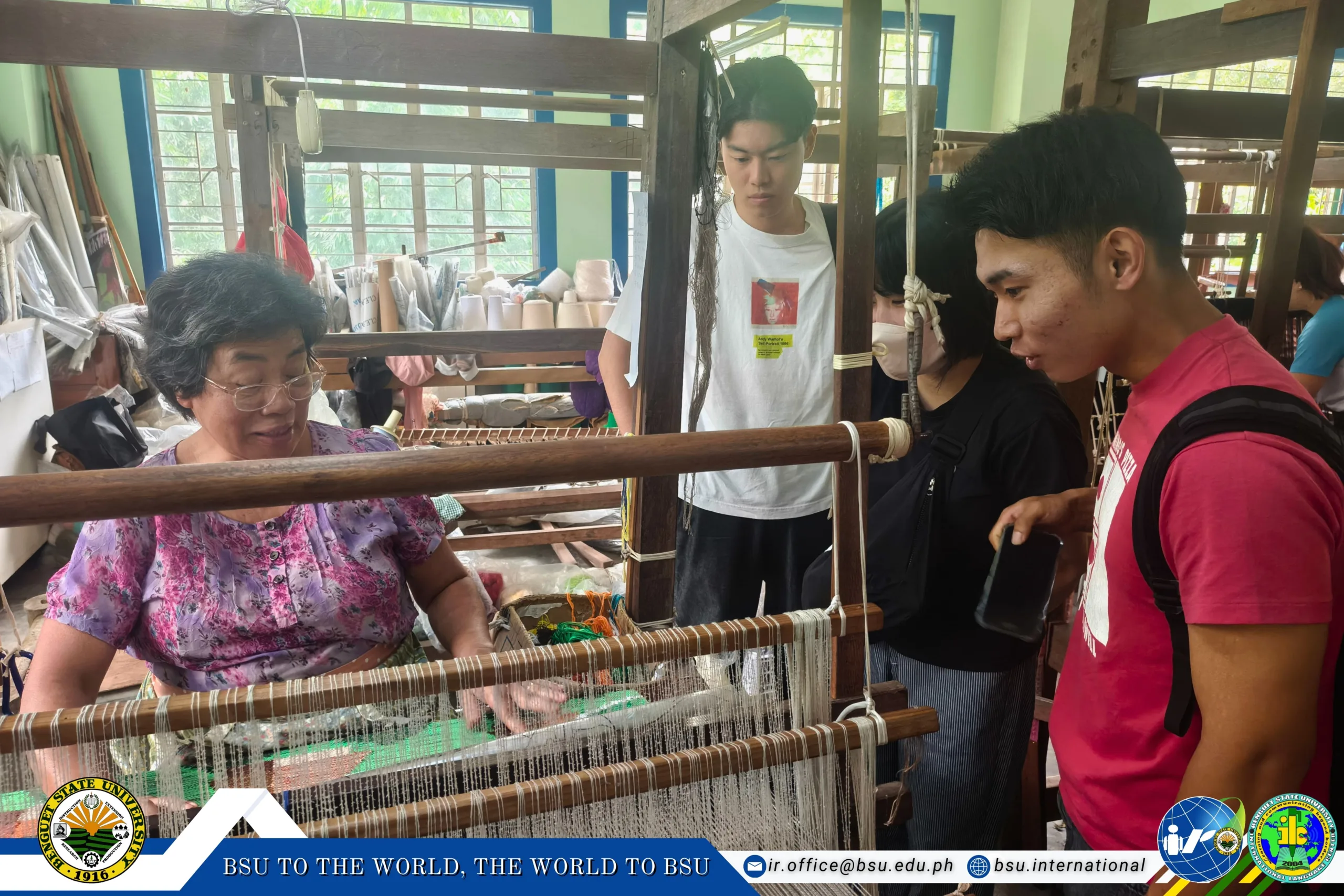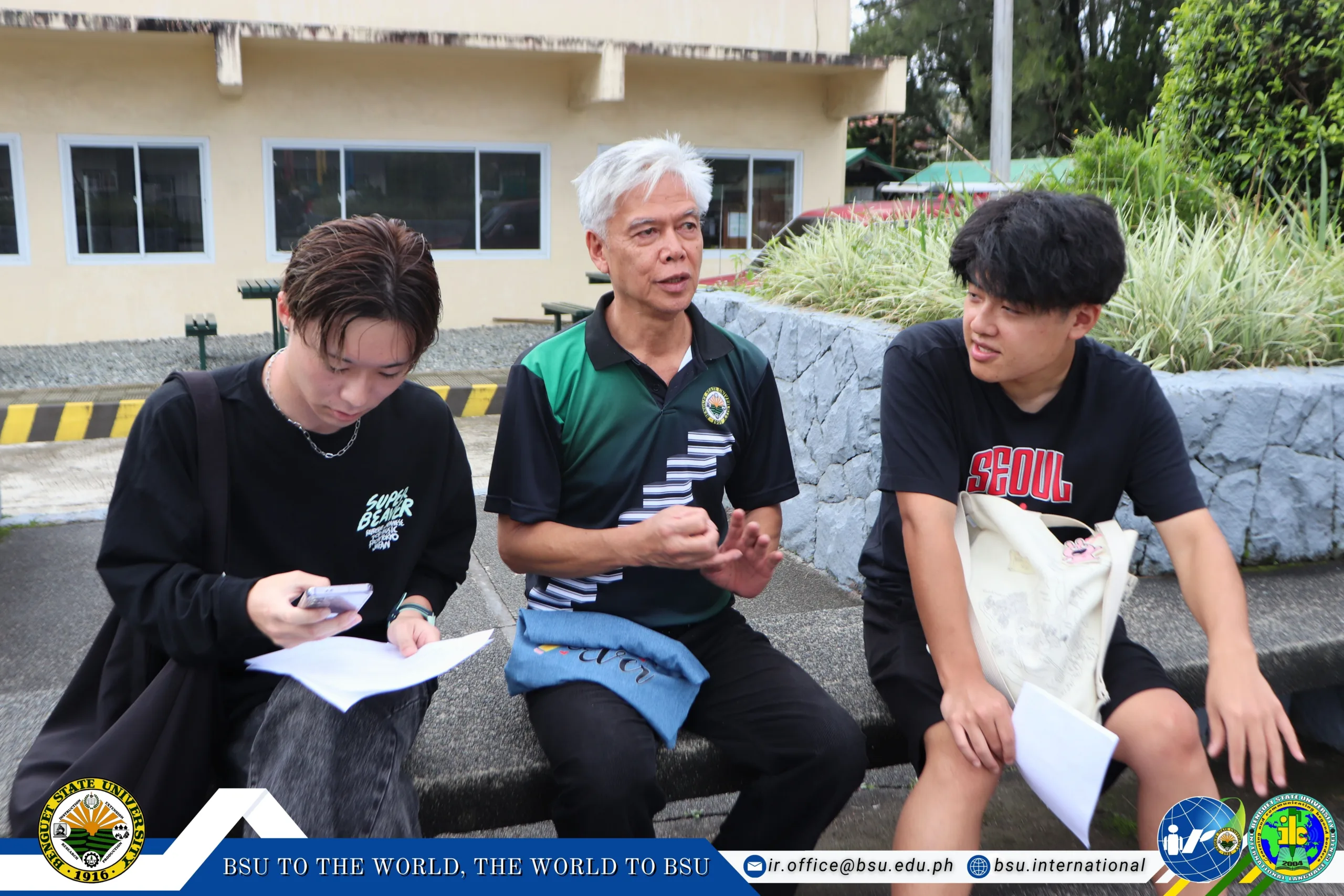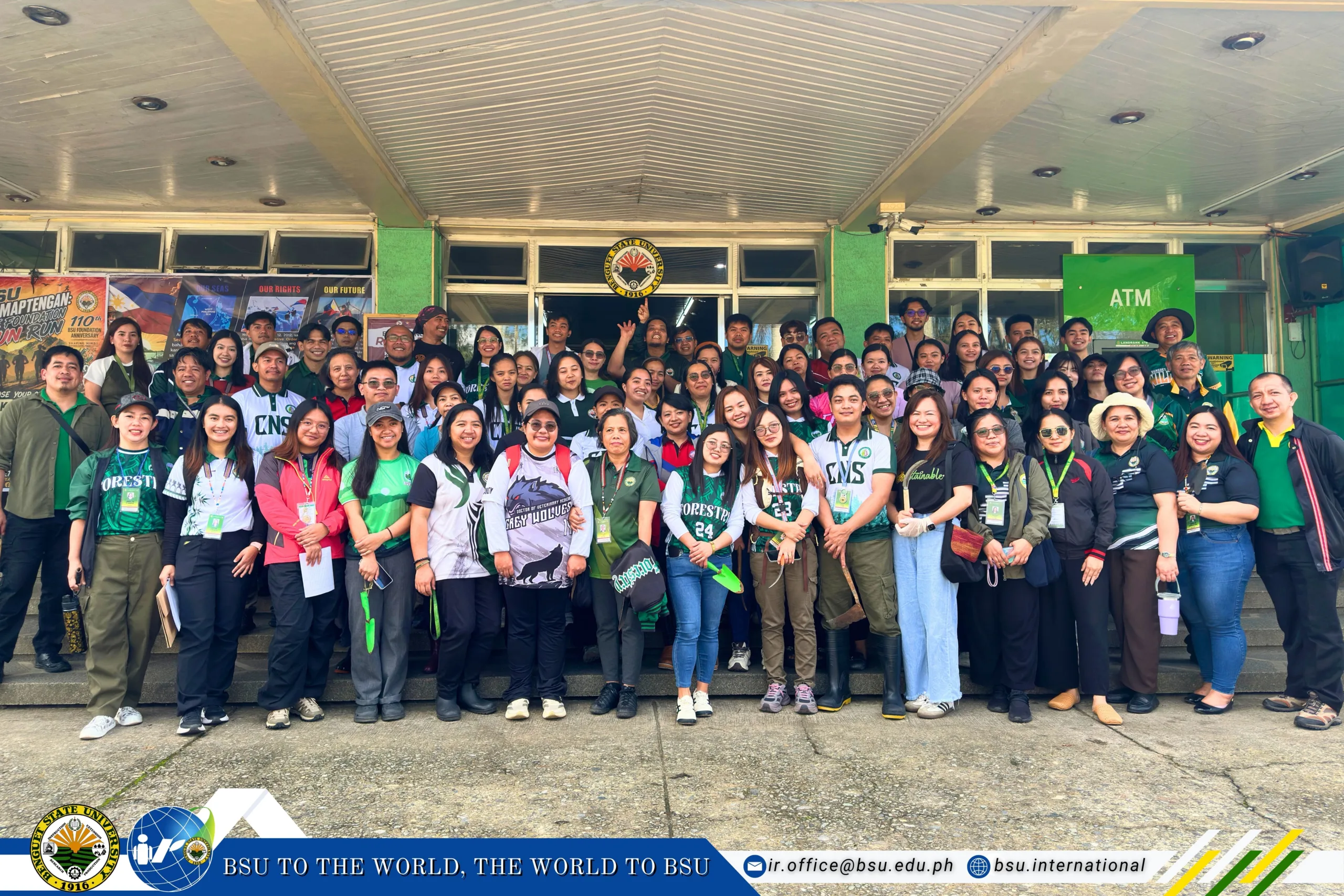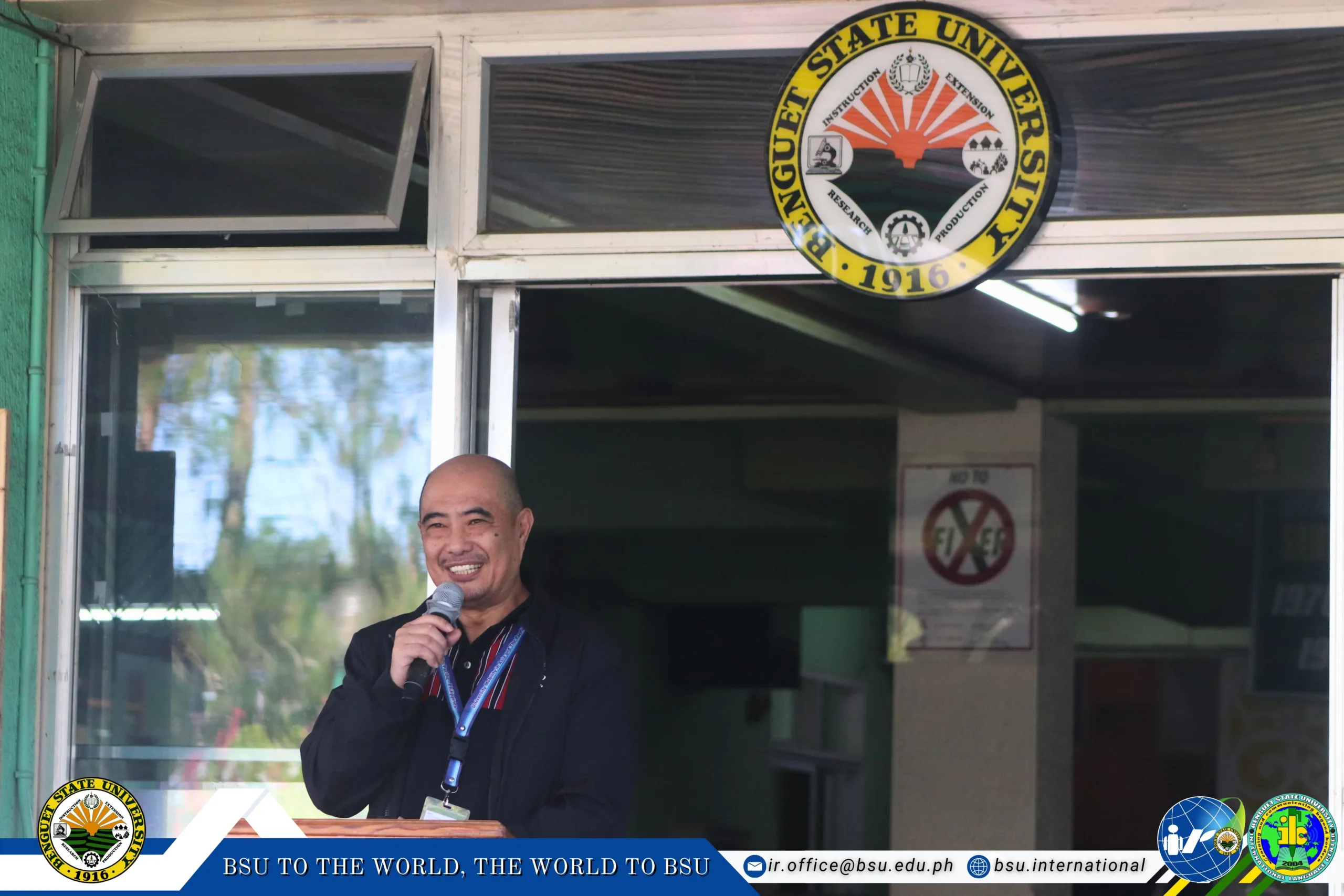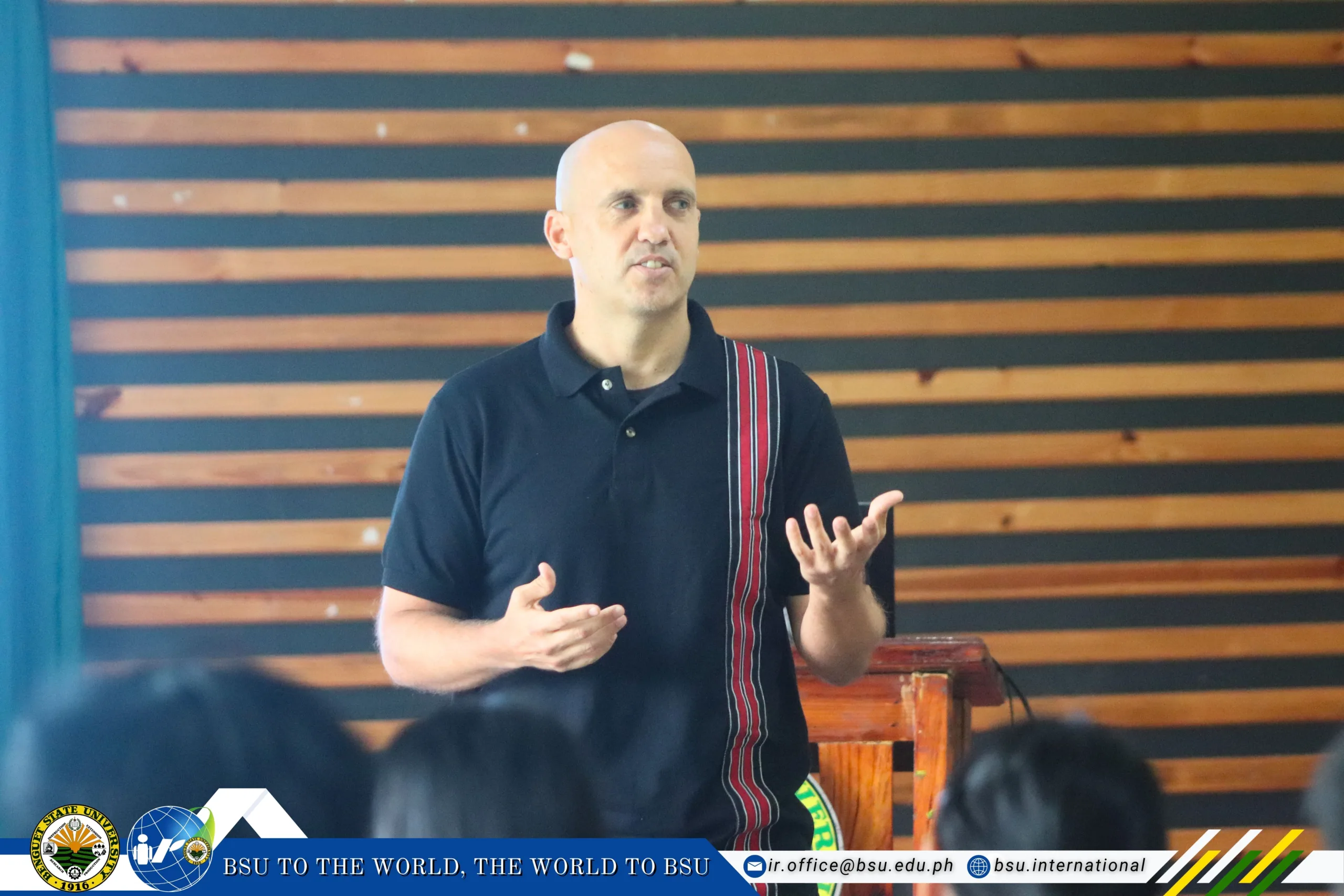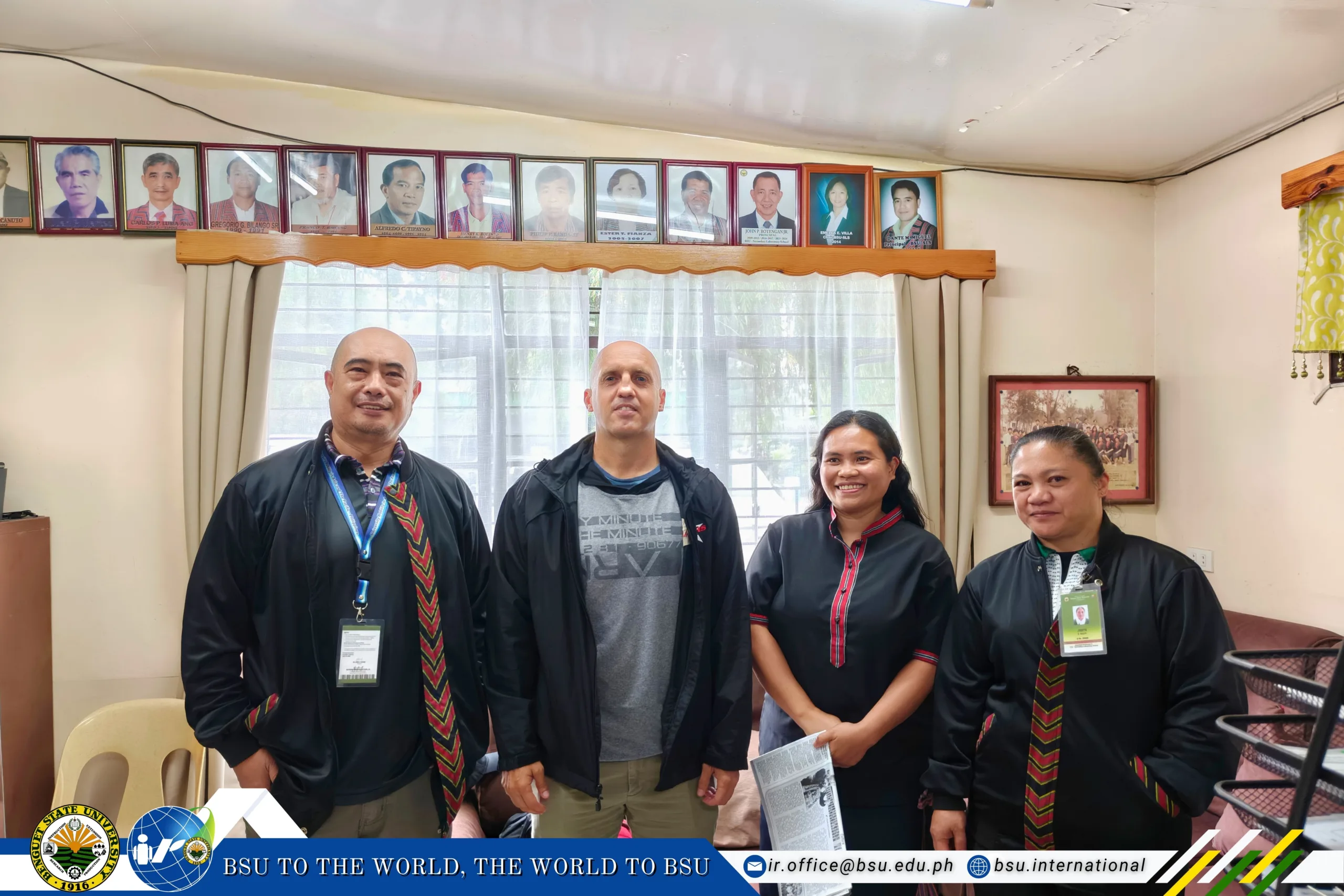
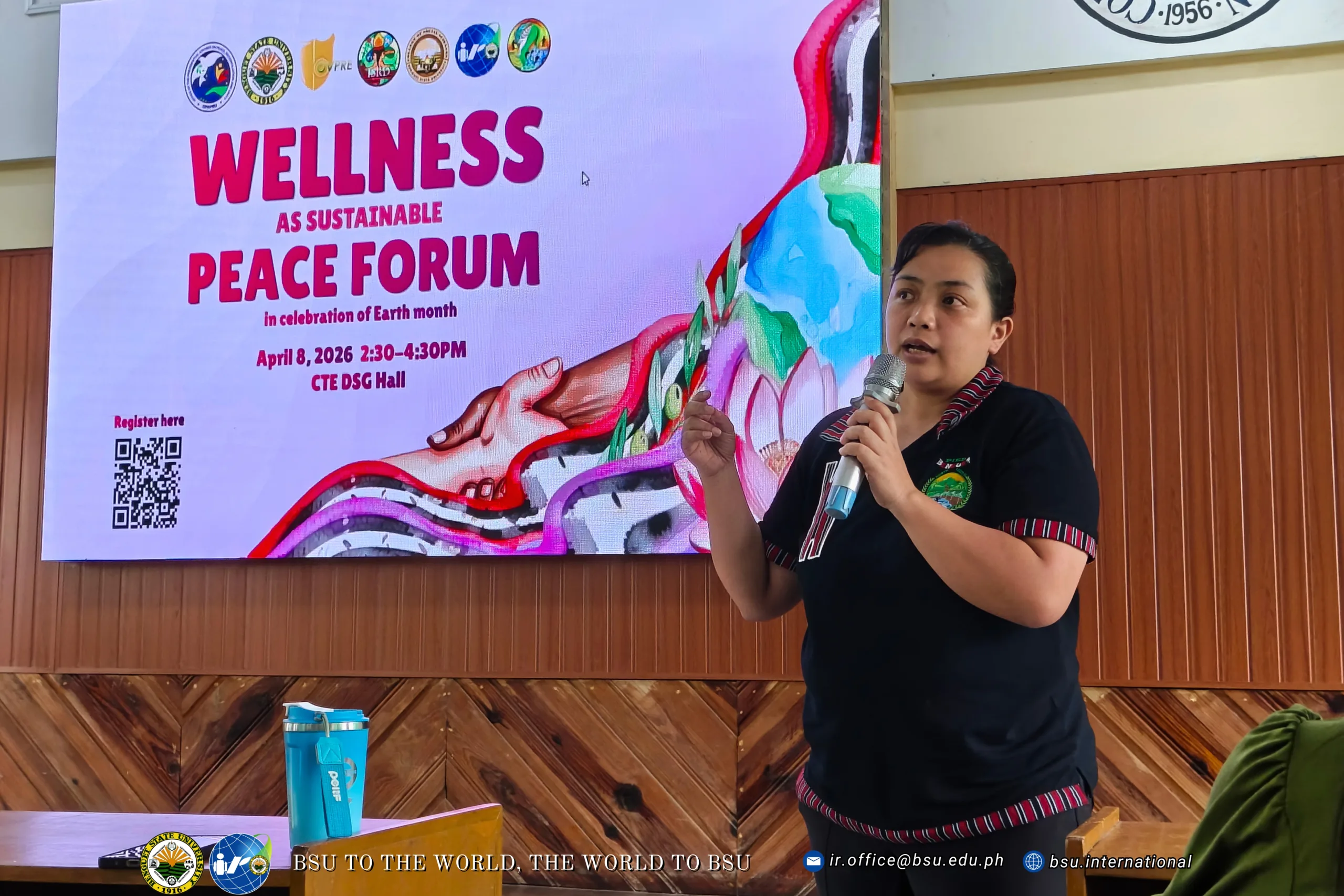
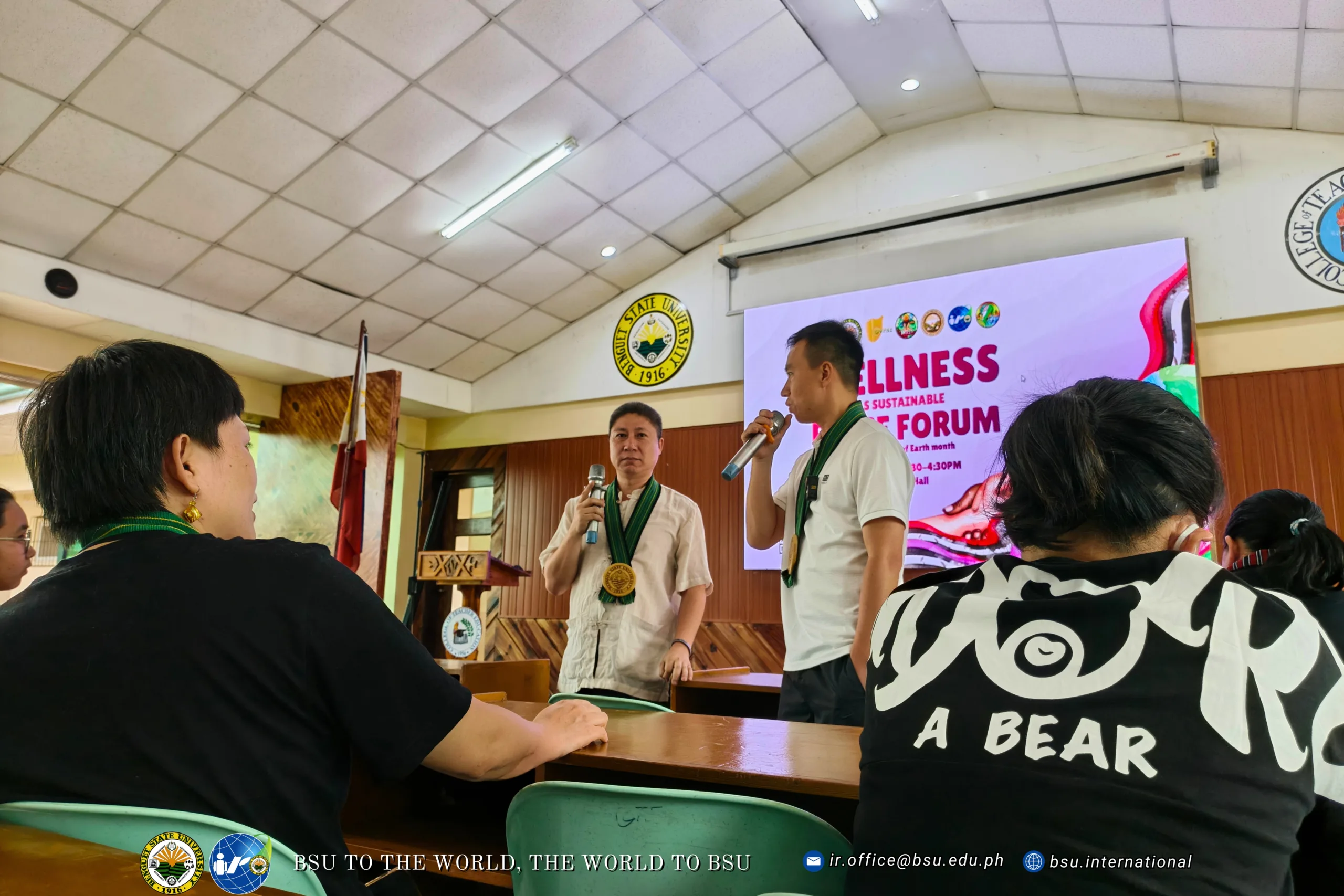
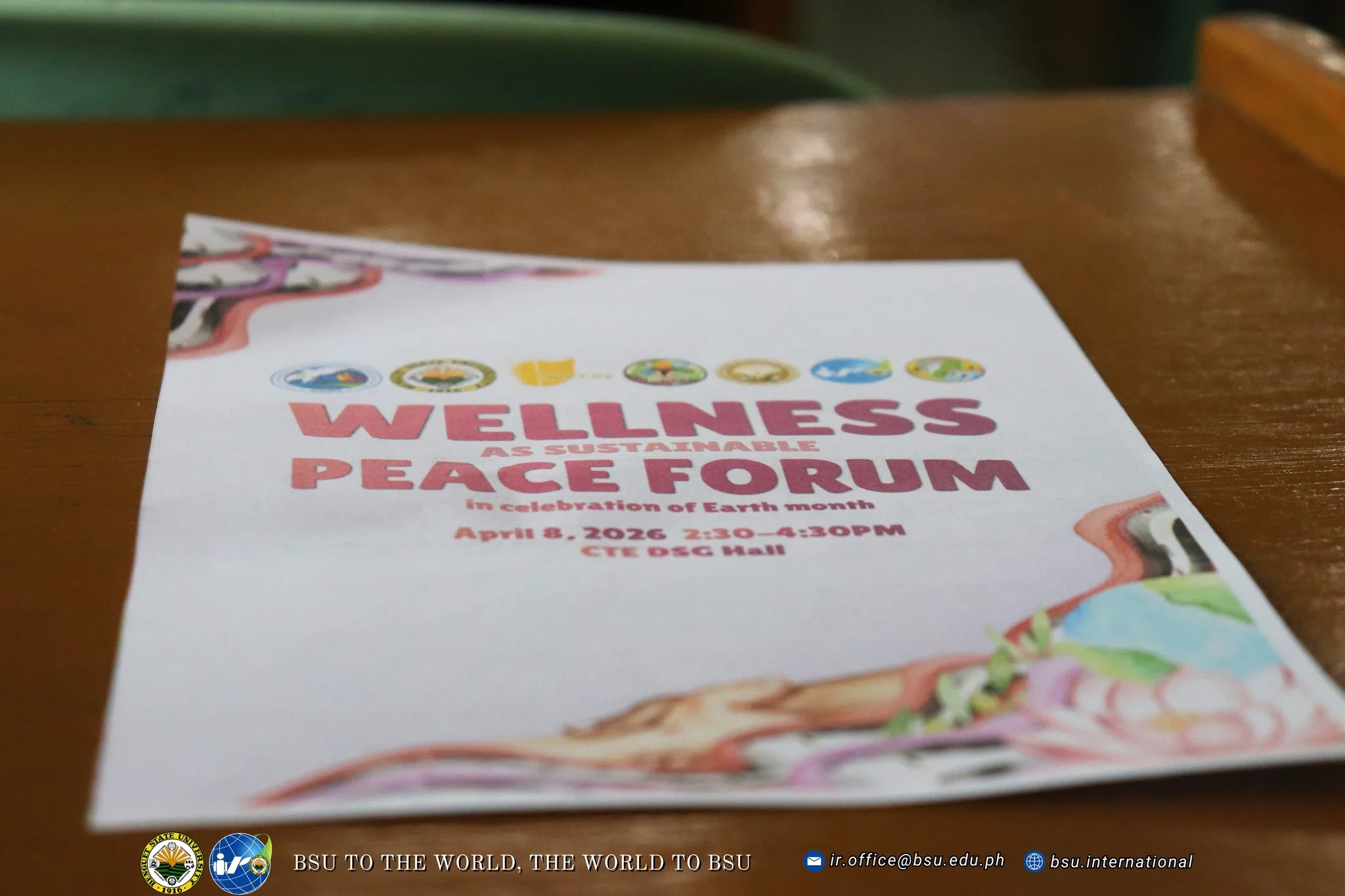
In observance of Earth Month, Benguet State University hosted a wellness forum on April 8, 2026, at the DSG Hall of the College of Teacher Education Building. The event was organized by the Institute of Social Research and Development (ISRD), the College of Social Sciences (CSS), the International Relations Office (IRO), and the Gender and Development Office (GAD), in collaboration with the Office of the Presidential Adviser on Peace, Reconciliation, and Unity (OPAPRU).
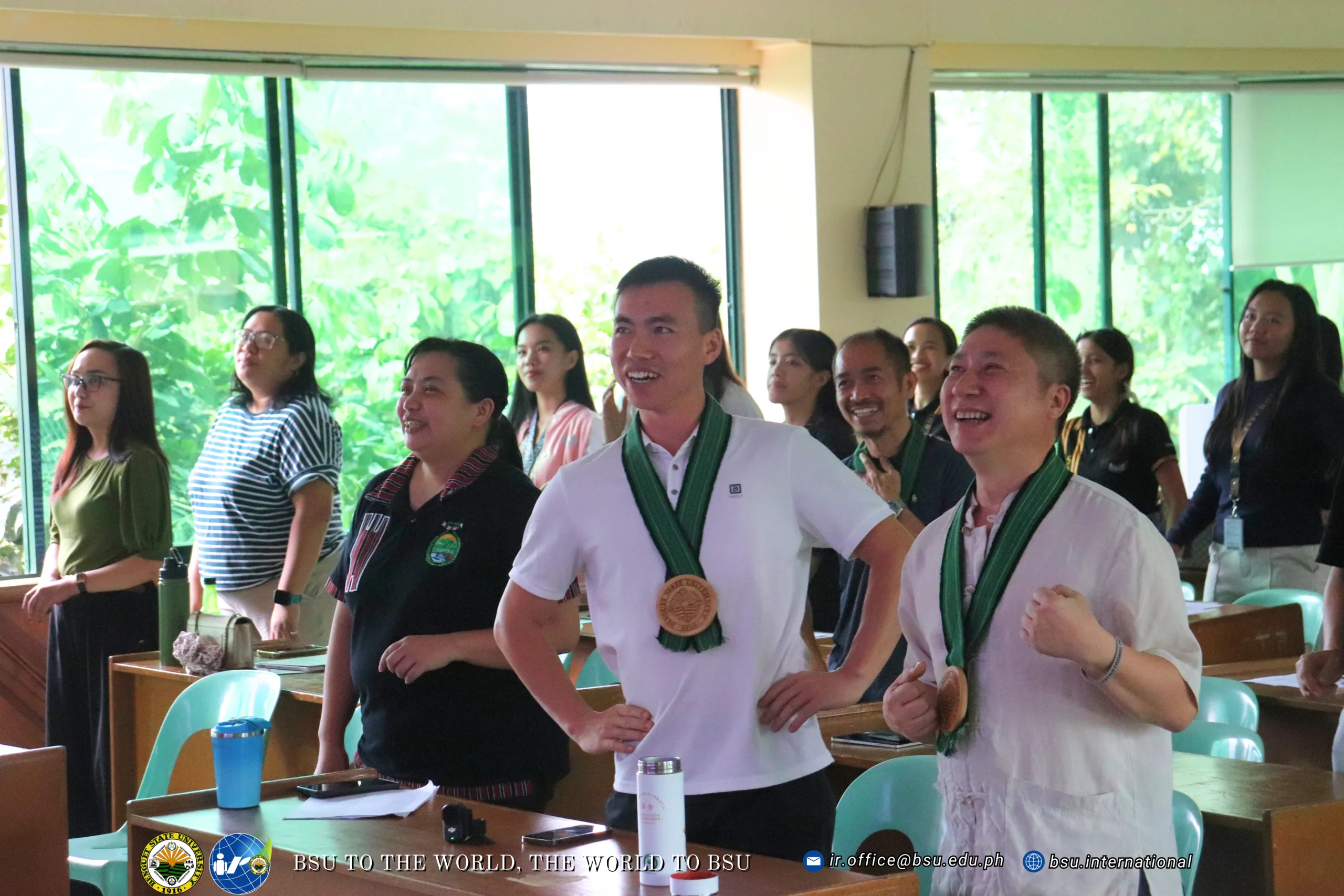
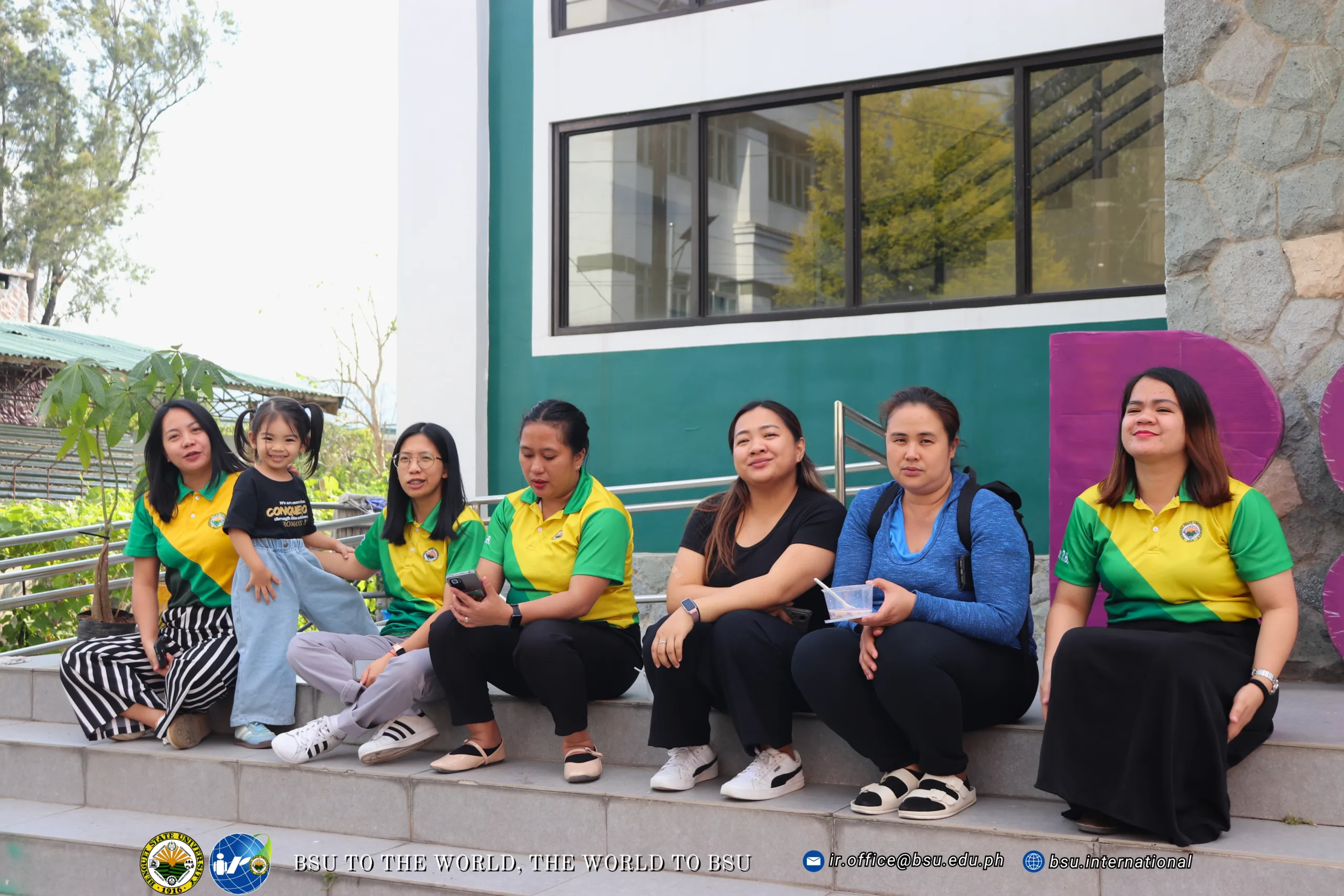
The forum was attended by university staff, faculty members from various colleges, international visitors, and students.
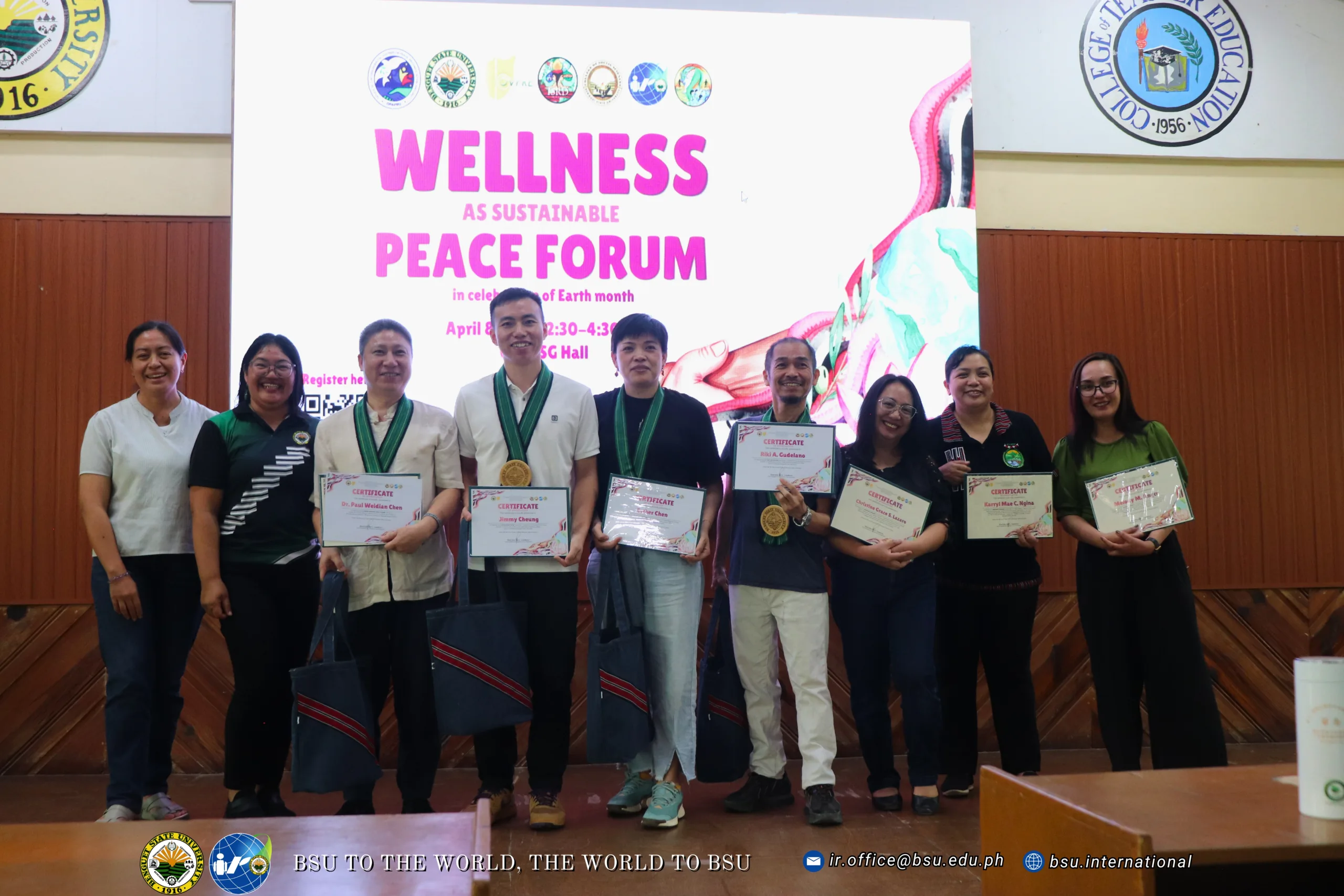
The first topic focused on a research study presented by Ma’am Karryl Mae C. Ngina, a faculty member of the CSS-Department of Psychology, Anthropology and Sociology (DPAS) and one of the researchers. She discussed the environmental injustices faced by agricultural workers, particularly farmers who are exposed to chemical toxicities in agricultural landscapes due to pesticides and other substances used in farming. She also noted that improper handling and lack of personal protective equipment contribute to the development of various health conditions among farmers. Their study also calls on the agricultural sector of the government to strengthen support and give justice for local farmers and promote their health, safety, and well-being.
The second topic featured a study on the ‘Lapat’ practice in Apayao, which was presented by Ma’am Melody Angco, from the CSS-Department of Political Science, Economics and Development Studies, and one of the researchers. “Lapat” is an indigenous practice of the Isnag tribe of Apayao and some part of Abra, wherein a portion of a land, river, or forest is declared as a “no-trespassing zone” following the death of a family member. The area will remain untouched until the restrictions are lifted. Over time, it has also served as a form of resource management in the Cordilleras.
The third topic, which focused on the study of indigenous healing as a primary healing option, was presented by Ma’am Christine Grace S. Lazaro, a faculty member of the Department of Development Communication under the College of Information Sciences, also one of the researchers. She discussed indigenous healing as a communicative phenomenon, highlighting how these practices are passed through oral traditions, observations, and demonstrations. She also noted challenges in sustaining these practices, including the declining number of elders who practice these methods and the lack of proper documentation, with knowledge largely imparted verbally. Efforts to preserve and document these healing practices are essential in ensuring the continuity for future generations.
Meanwhile, the final topic focused on Traditional Chinese Medicine (TCM), presented by Dr. Paul Weidian Chen, from Zion International Organization, along with Ms. Esther Chen, Mr. Jimmy Cheung, and Mr. Riki A. Gudelano. Dr. Chen, who practices herbal medicine, also emphasizes the integration of spiritual healing in his approach. As he treats his patients, he also introduces them to faith-based healing principles. He highlighted the belief that, “To heal the body, you must first heal the heart.”
The four topics emphasized a holistic approach to well-being. These interconnected perspectives highlight that sustainable peace can be achieved through the preservation of communities and indigenous knowledge, as well as the promotion of inclusive wellness practices.// R. Batalier, IRO BAEL Intern
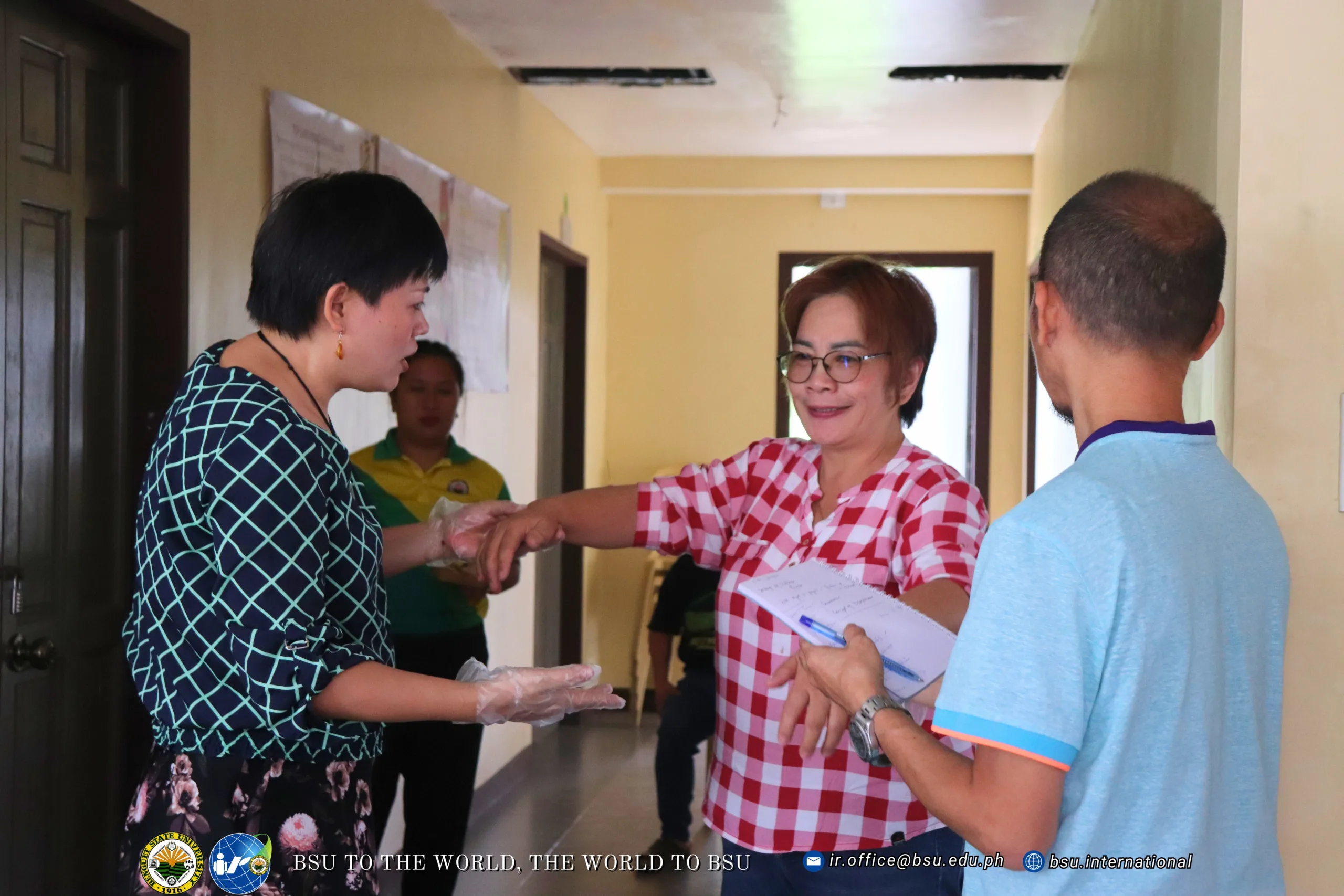
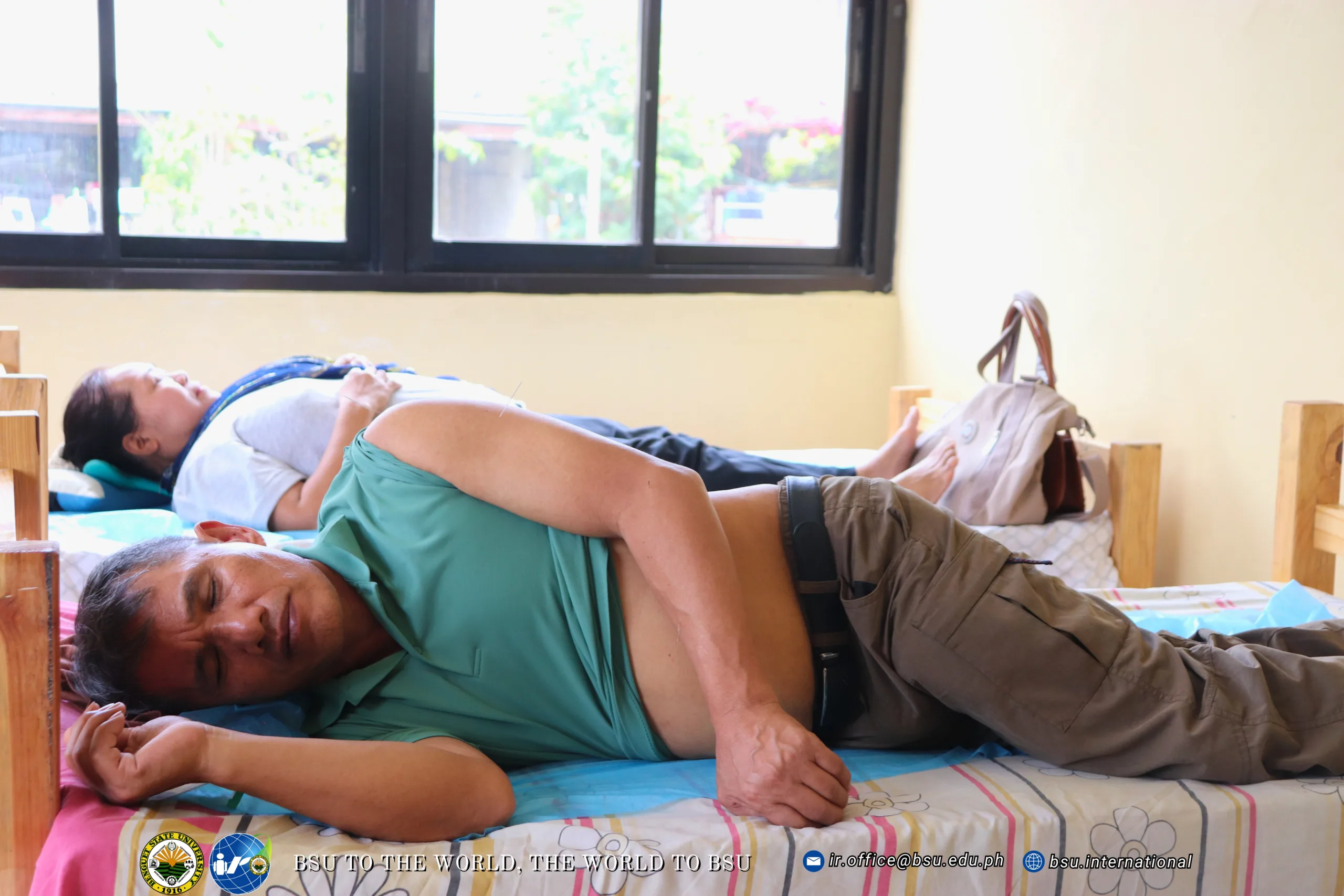
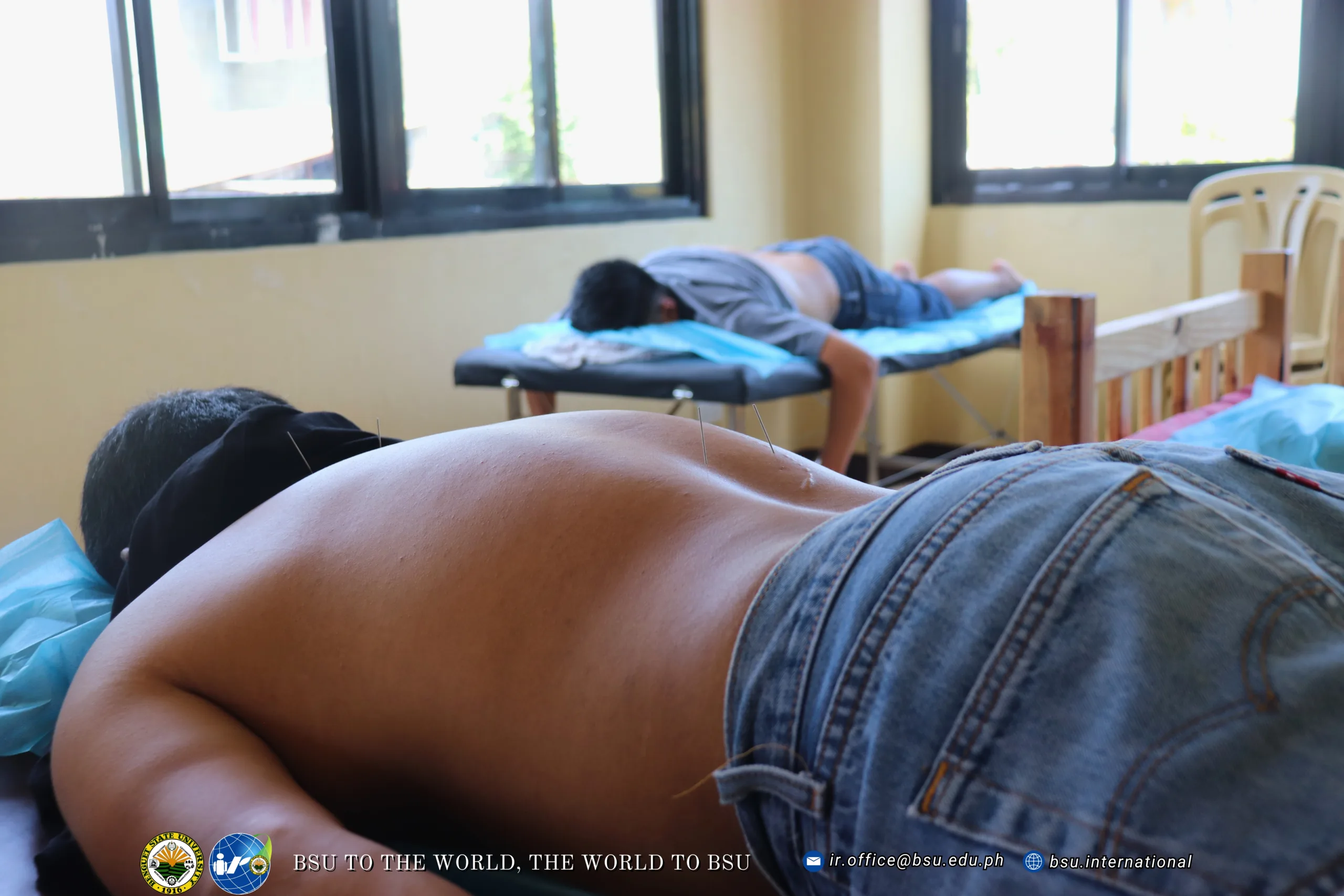
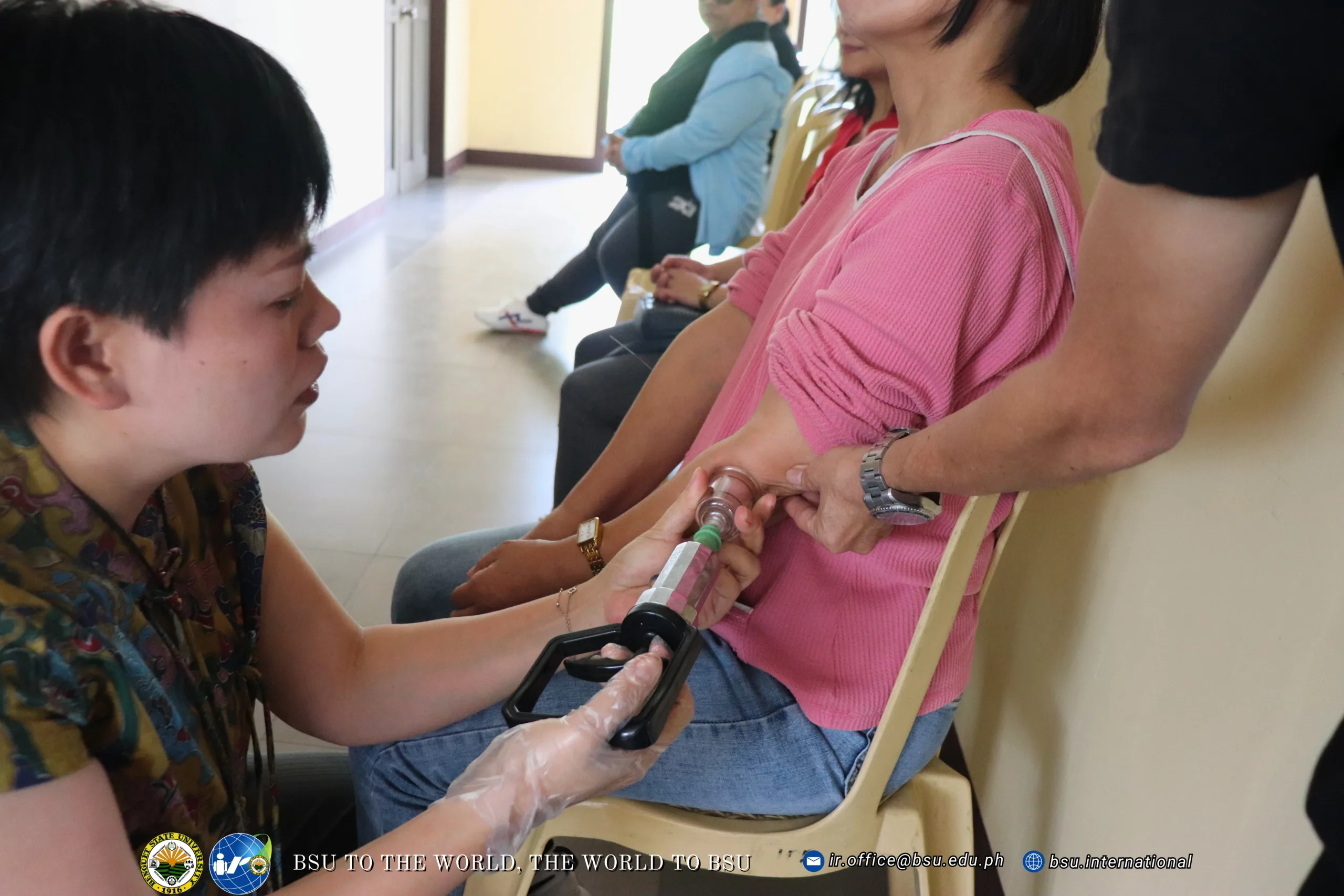
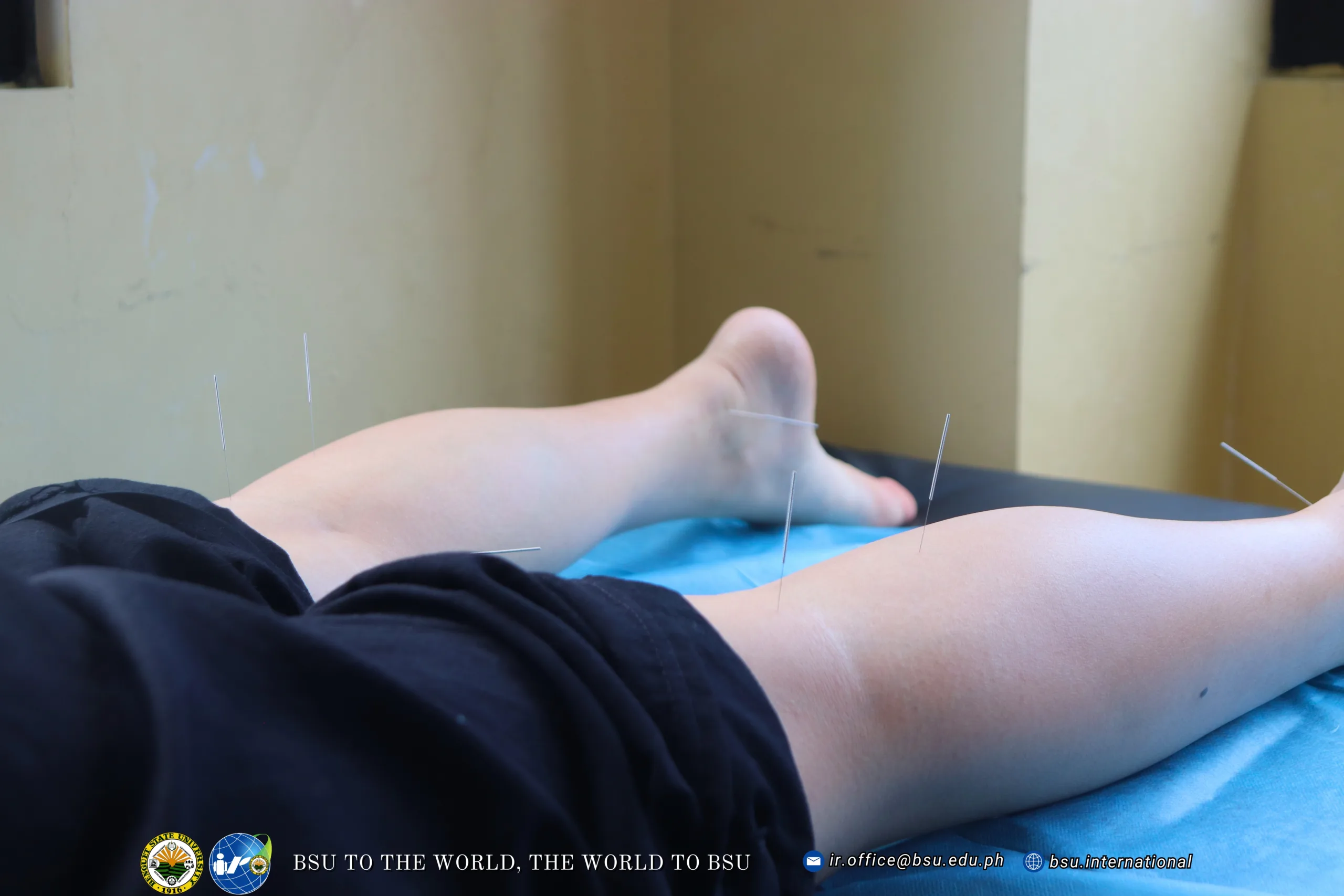
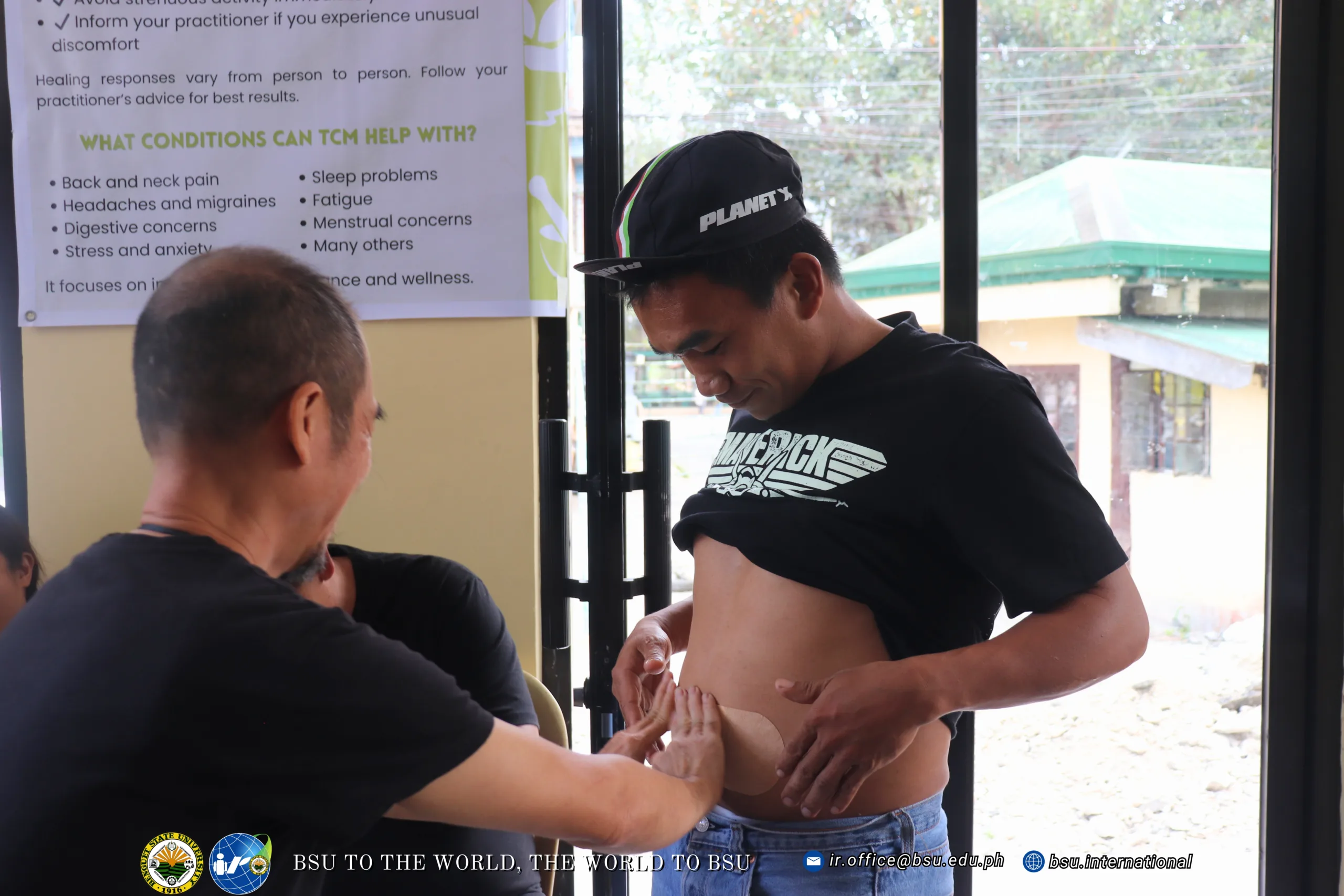
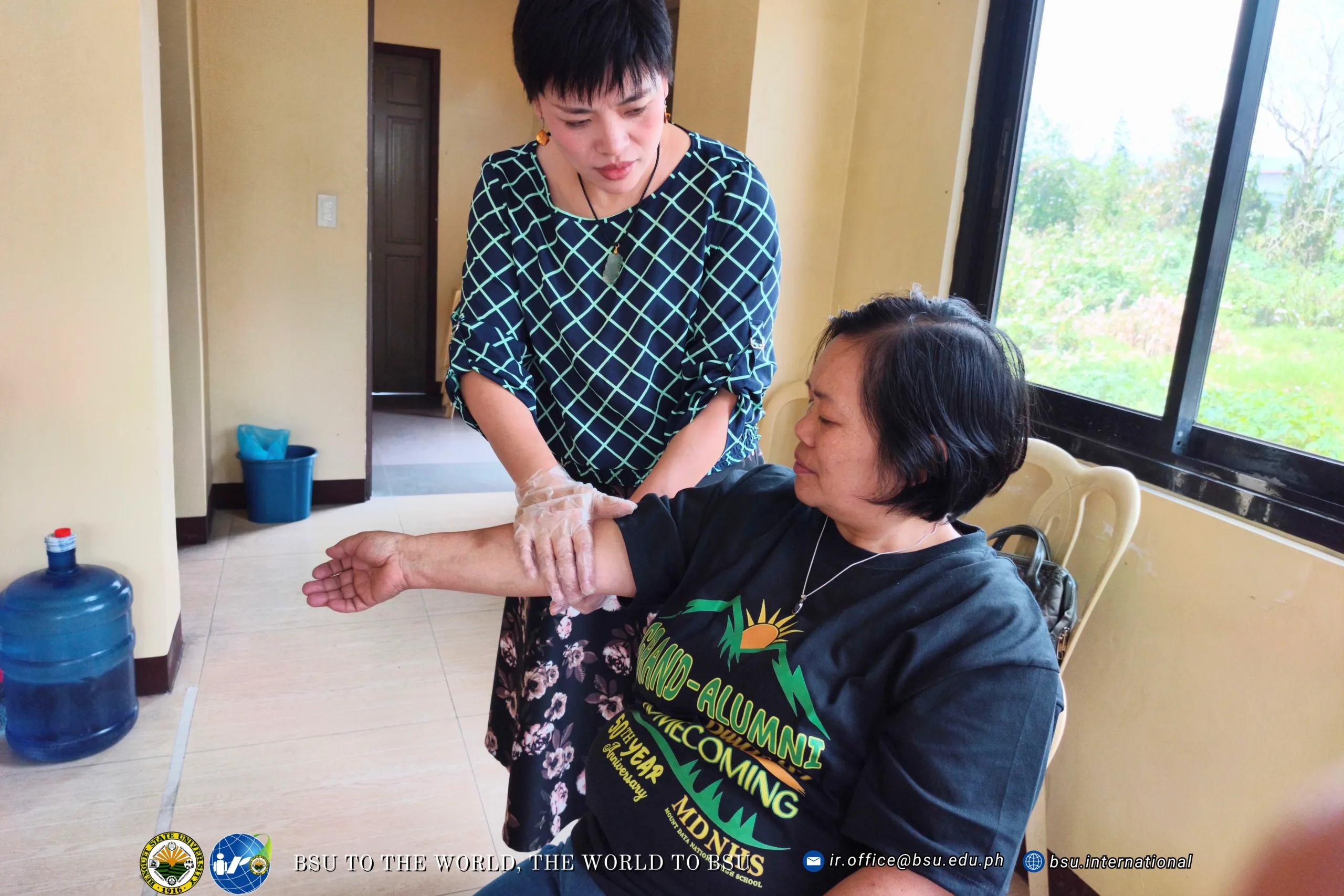
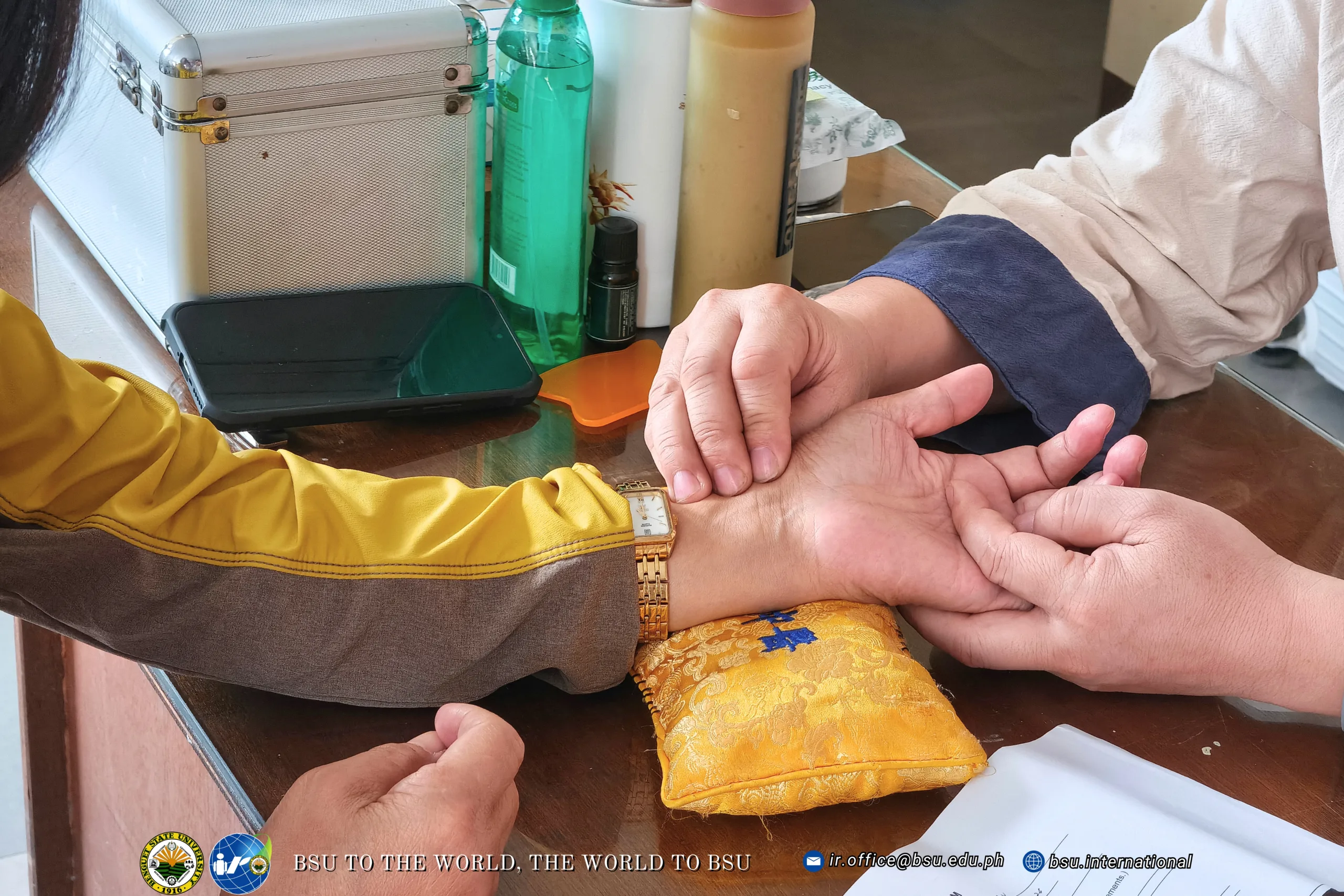
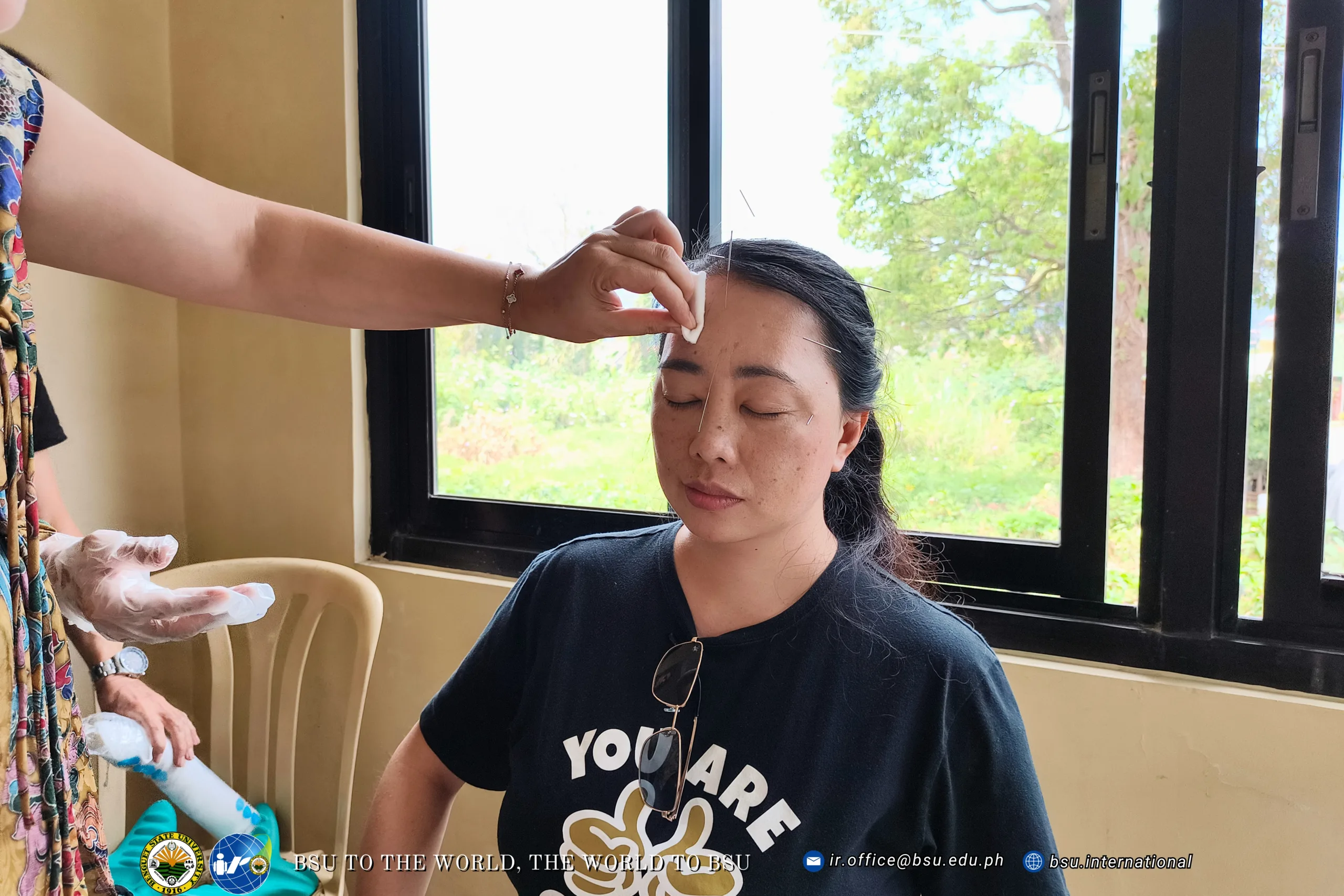
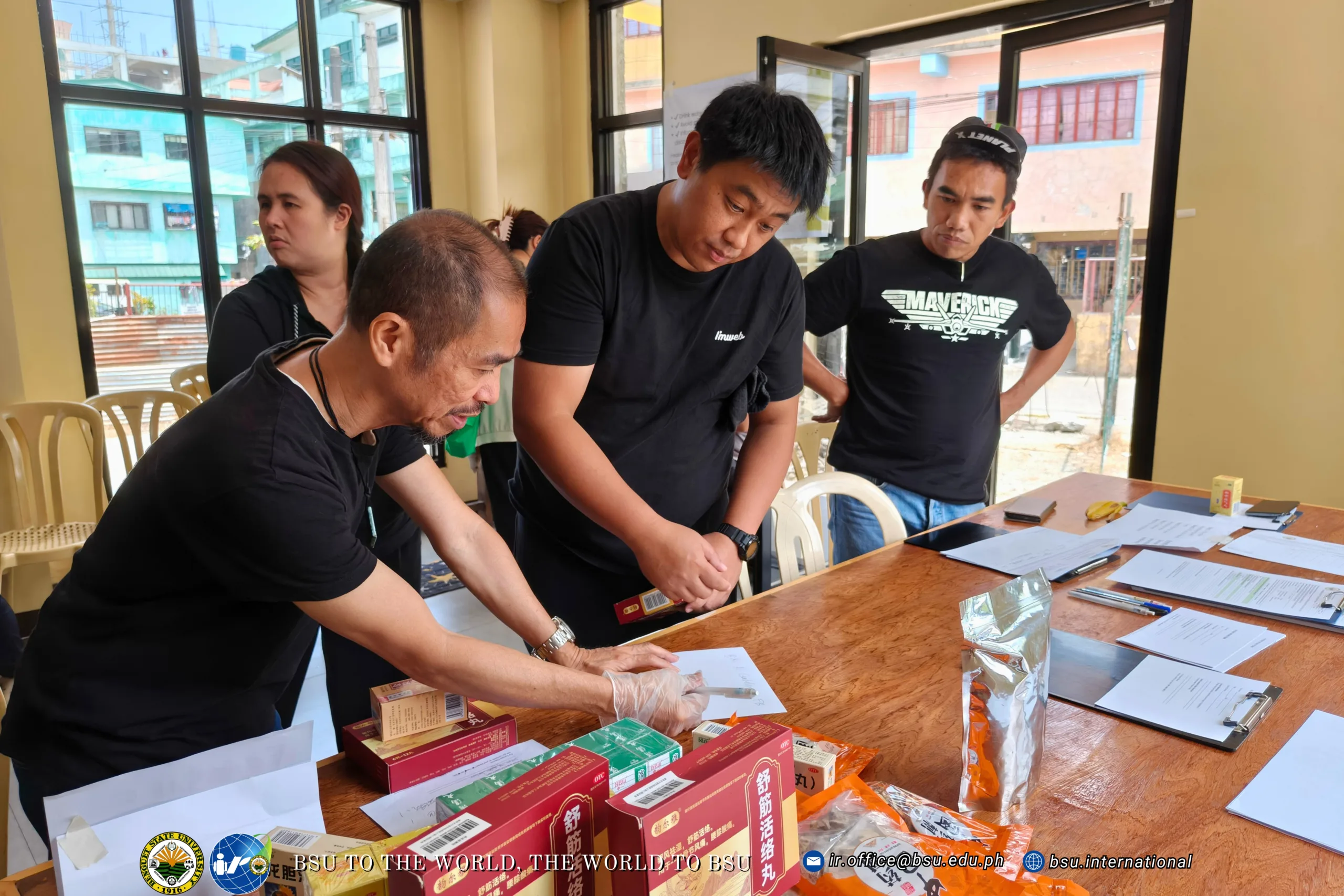
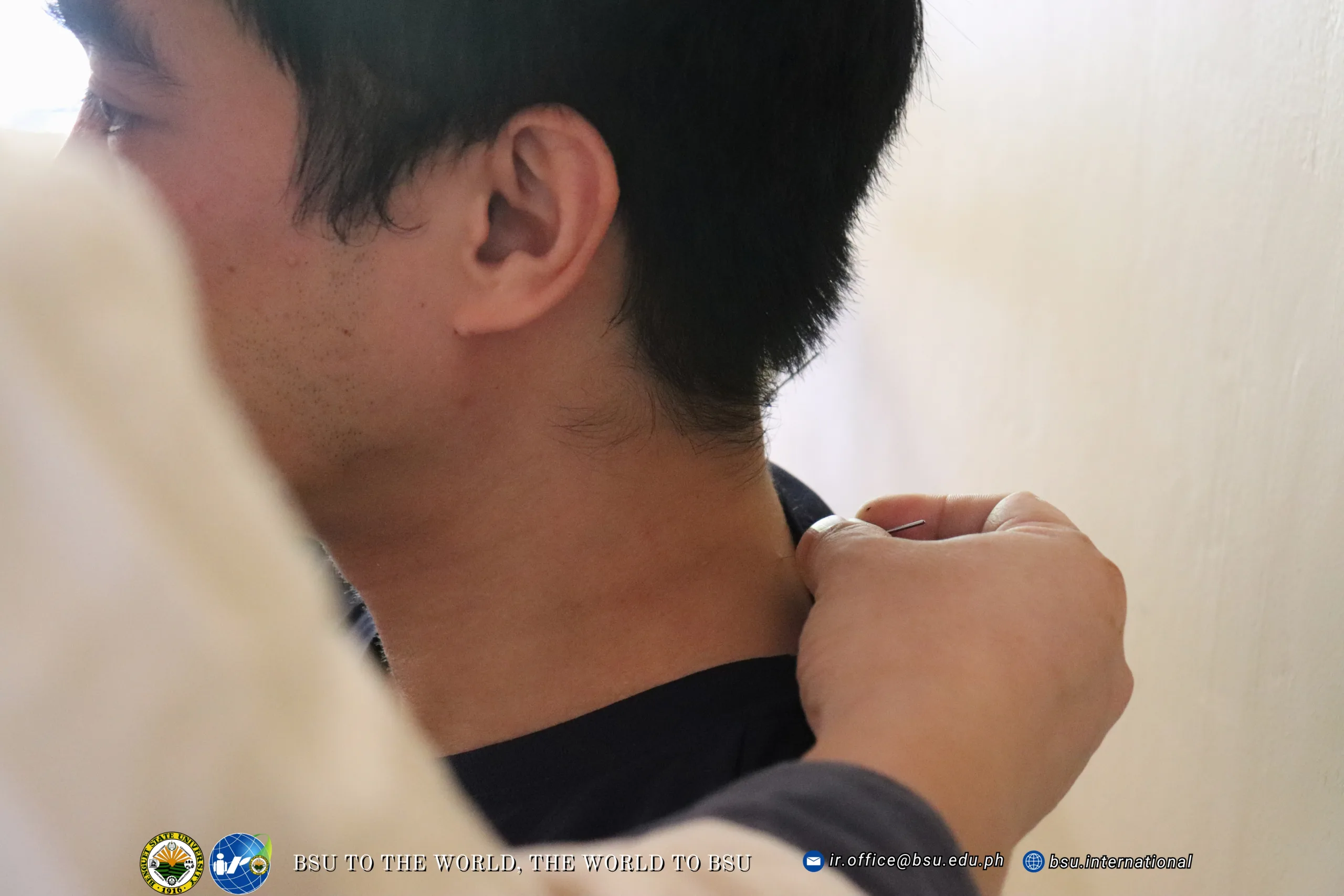
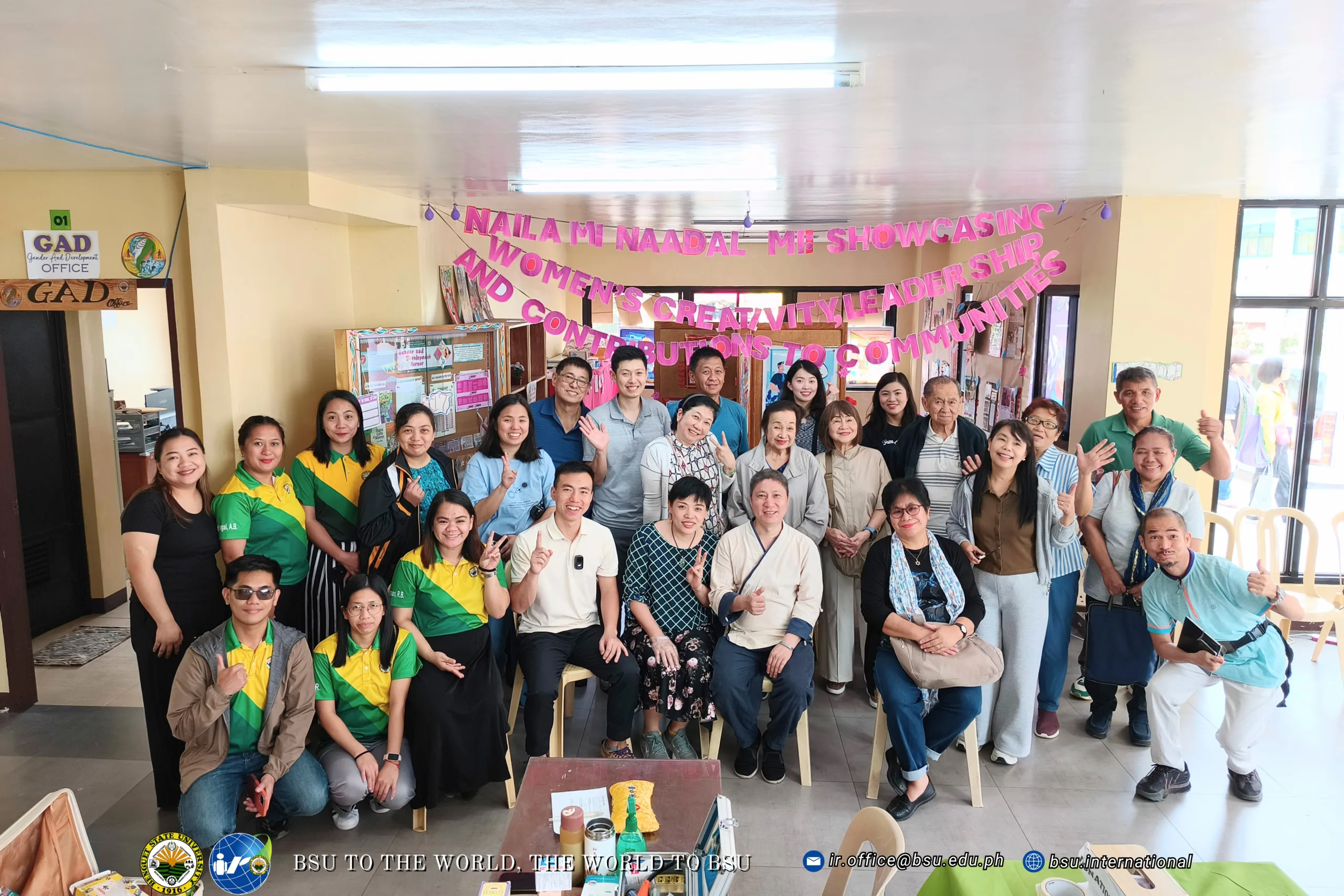
On April 9 – 10, a two-day Traditional Chinese Medicine (TCM) medical session was also conducted at the International Dormitory lobby. The activity was led by Paul Weidian Chen and his team. The session featured common TCM treatments, including pulse diagnosis, acupuncture, cupping, and herbal recommendations, providing participants not only with the opportunity to experience holistic and preventive healthcare practices rooted in traditional medicine, but also to receive health support and guidance tailored to their individual needs.
📸J. Caoili & J. Avelino, BSIT Interns
This initiative aligns with the SDGs, particularly #SDG3goodhealthandwellbeing by promoting accessible, holistic healthcare, and #SDG17partnershipforthegoals through collaborative efforts among international practitioners and local institutions.
#BenguetStateUniversity, #WellnessAndPeaceForum, #BSUstainable