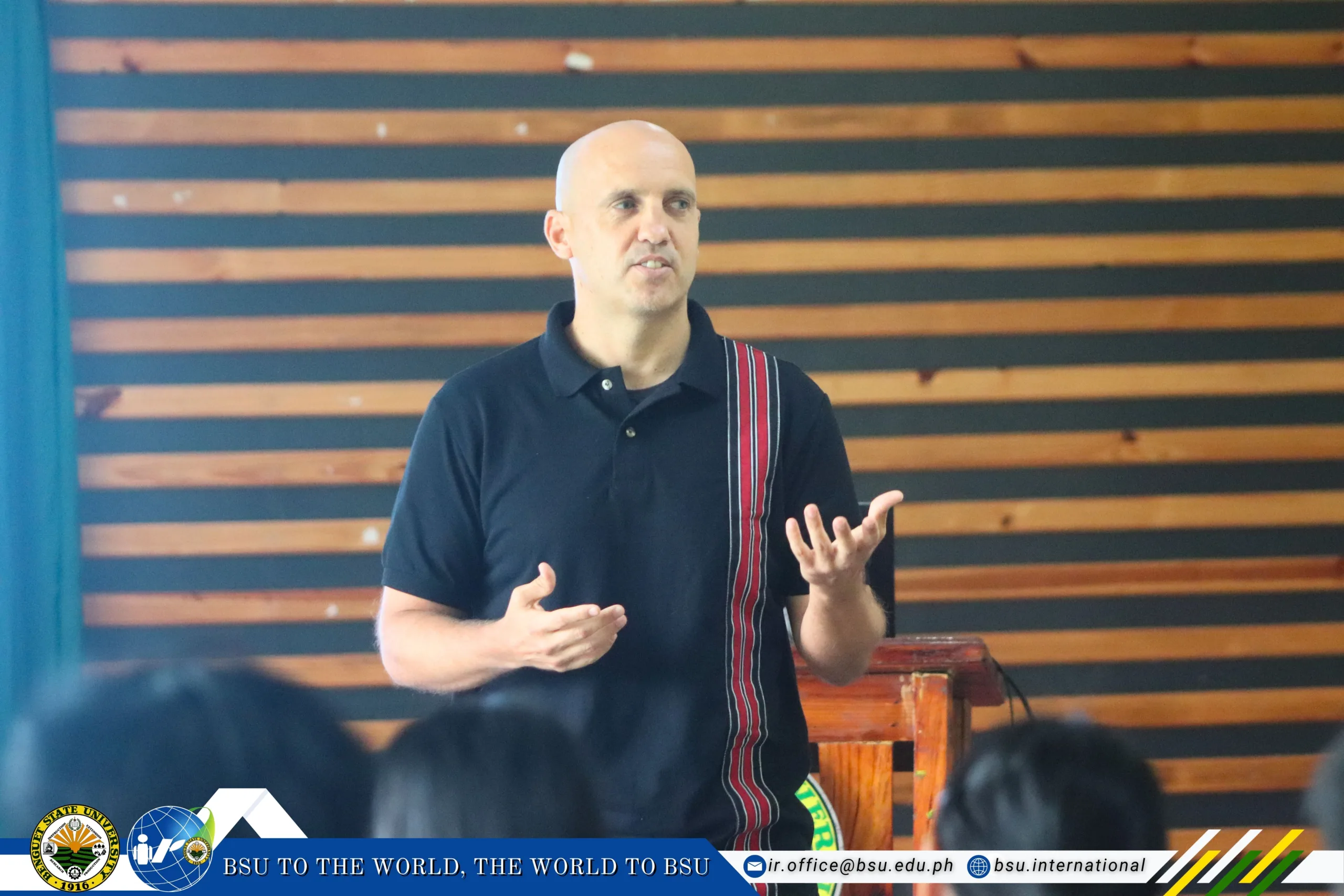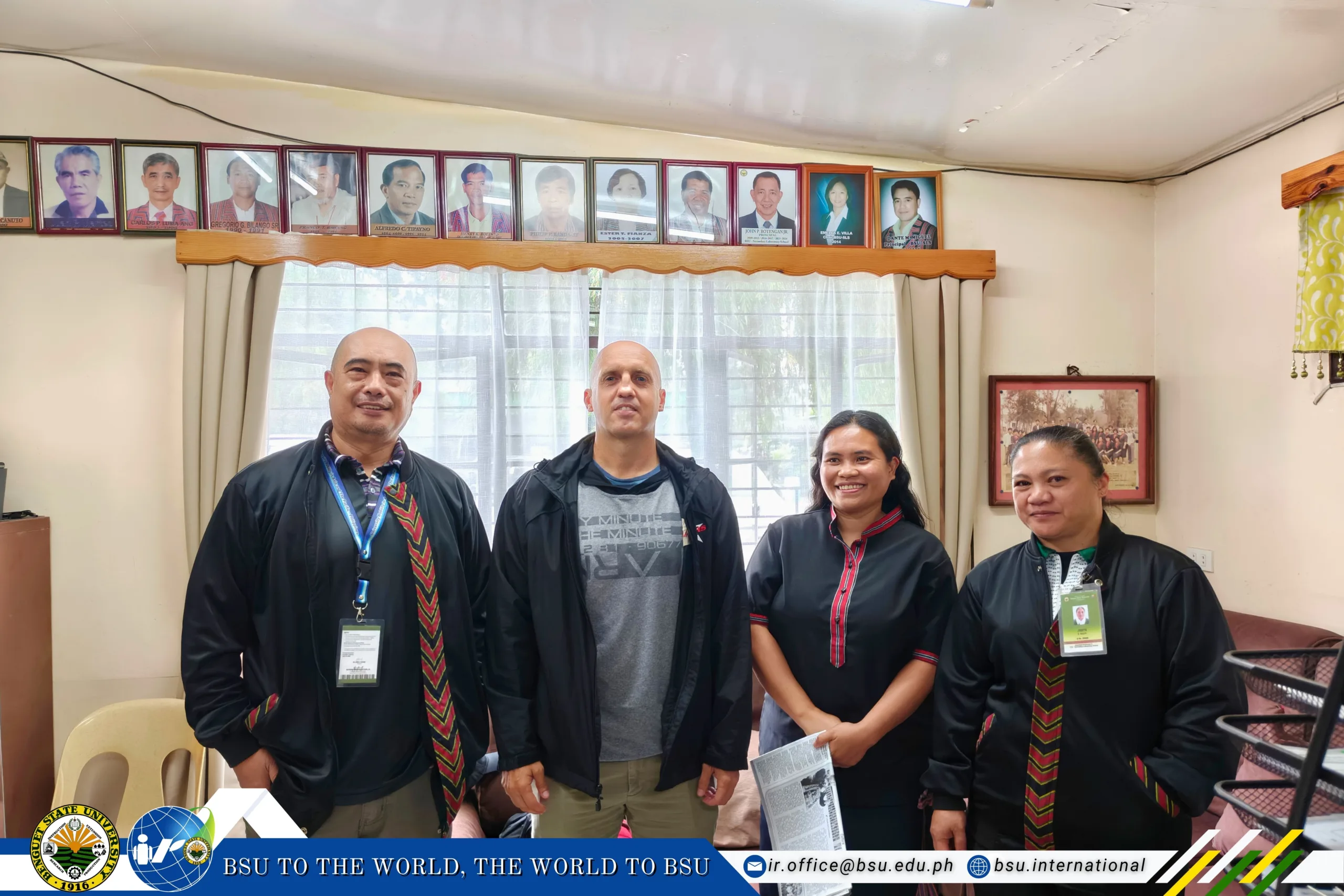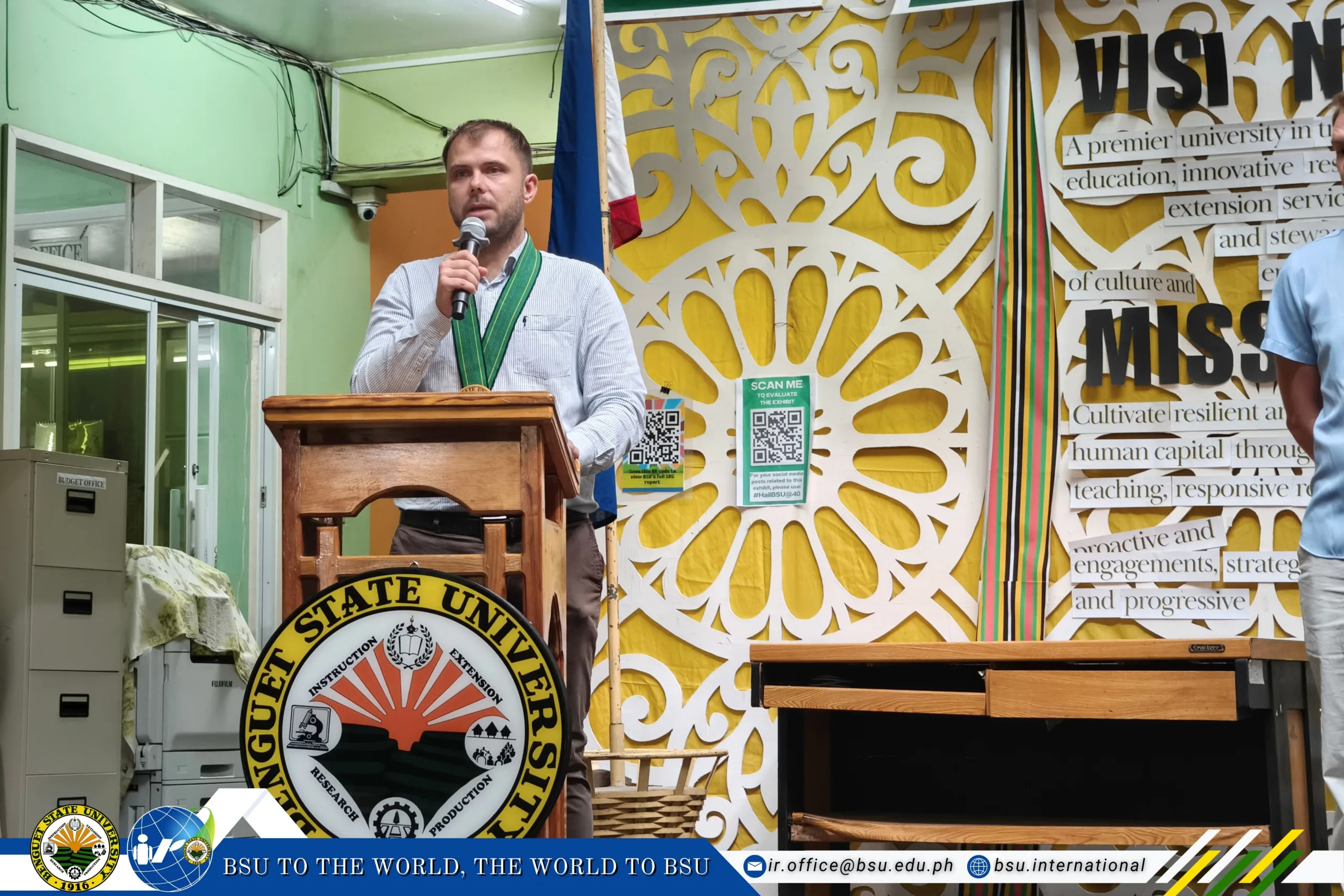
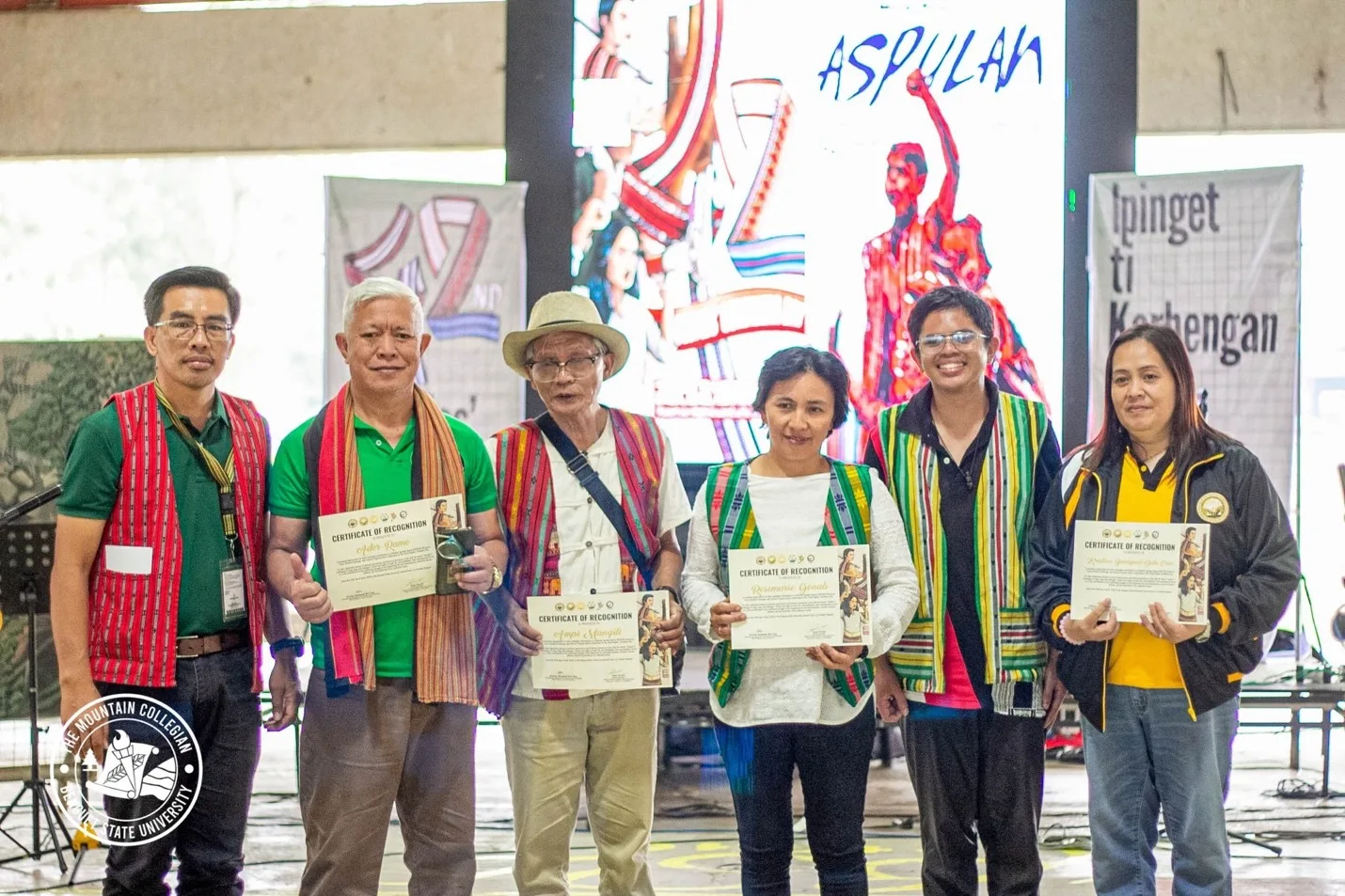
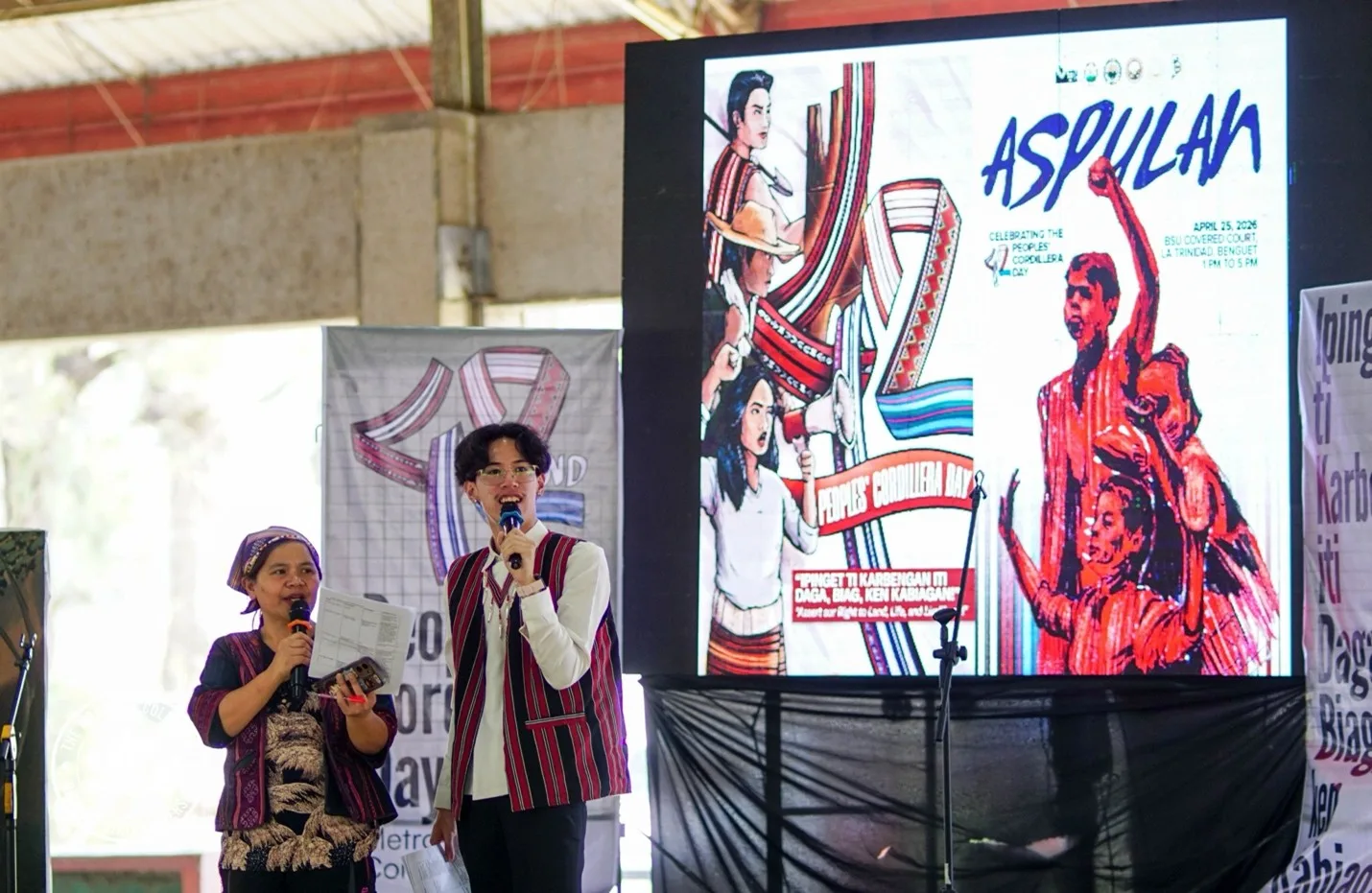
The College of Social Sciences of Benguet State University recently concluded a meaningful extension activity titled “Cordillera Cultural Day and Indigenous People’s Discourse” on April 25, 2025. Held at the BSU Gymnasium, the event marked the 42nd Peoples’ Cordillera Day. This annual observance honors Macli-ing Dulag, the Kalinga leader assassinated in 1980 for his brave opposition to the Chico River Dam Project. By gathering various stakeholders, the university successfully turned a historical commemoration into a platform for modern advocacy and education.
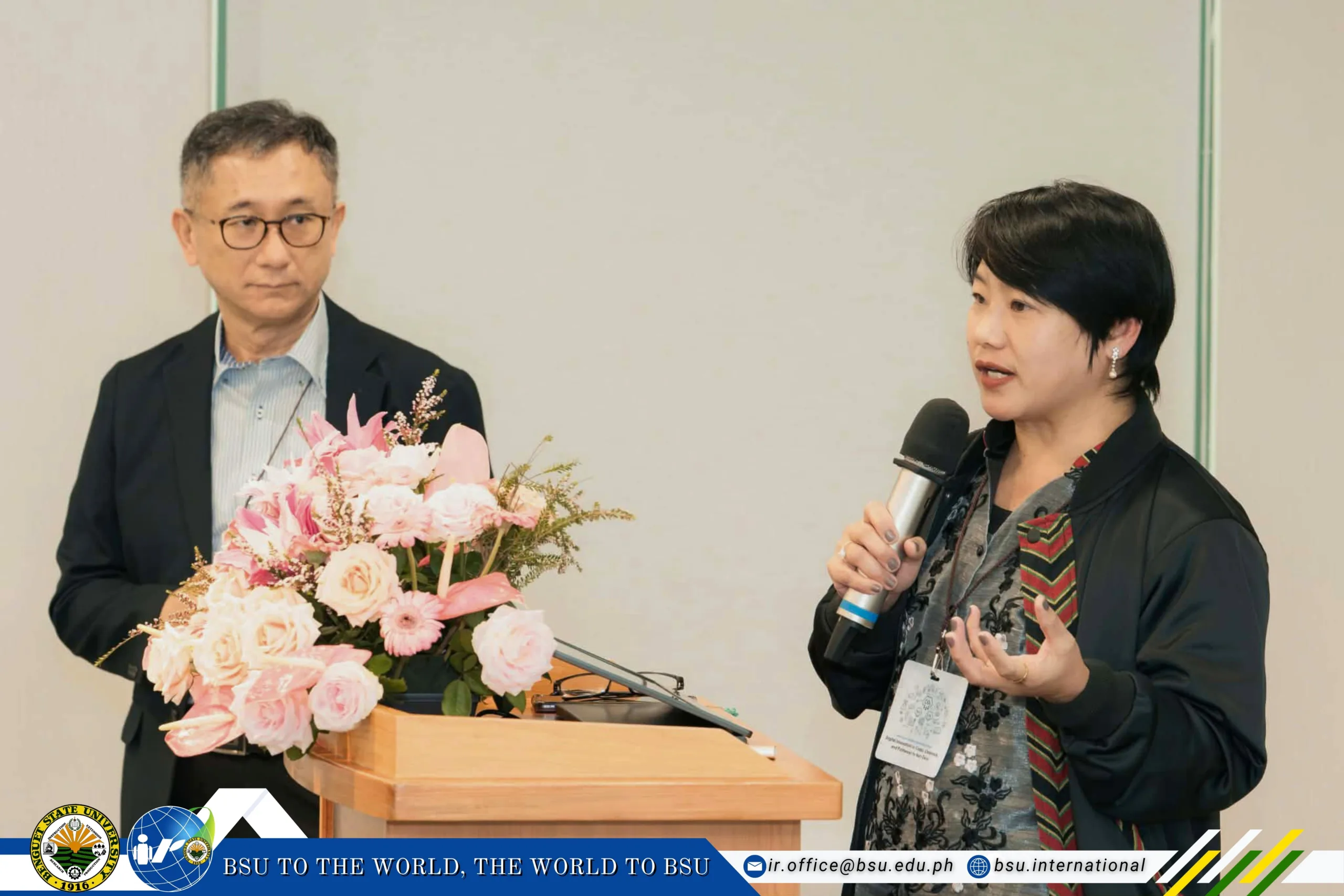
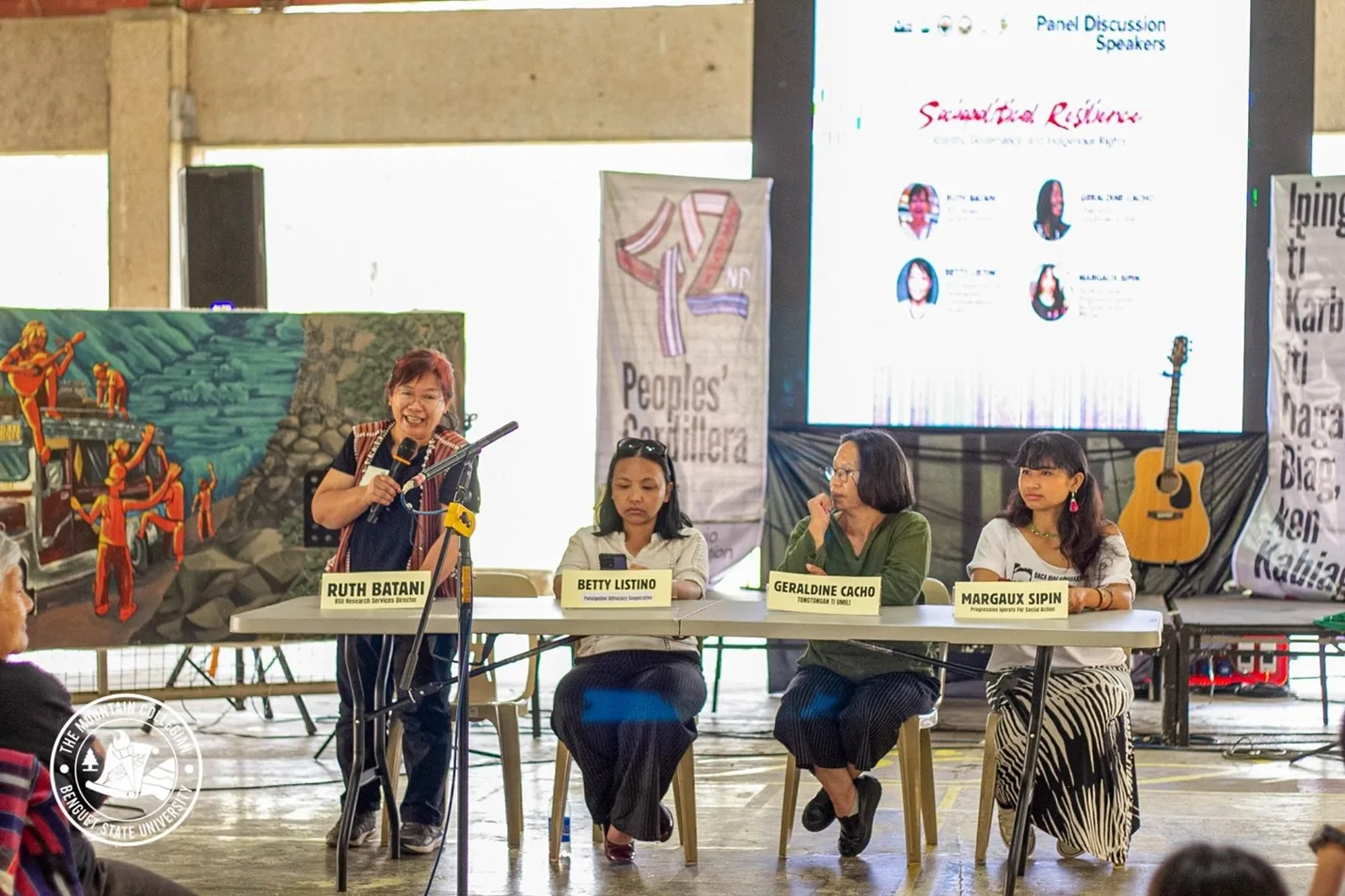
The activity was organized by the Department of History and Philosophy in collaboration with the Cordillera Peoples Alliance (CPA), Cordillera Youth Center (CYC), and Dap-ay ti Kultura ti Kordilyera (DKK). Throughout the event, participants from the academe, local government units, and indigenous communities engaged in capacity-building seminars. These sessions explored the historical struggles of the Cordillera and the long journey toward self-determination. The speakers emphasized that the death of Macli-ing Dulag did not end the resistance but instead reinforced the conviction of indigenous peoples to protect their ancestral domains and autonomy.
The activity successfully integrated several Sustainable Development Goals (SDGs) into the discussion to show how local struggles fit into global targets. It promoted SDG 4 (Quality Education) by providing a free and open learning space for all participants to study history and rights. The event also advanced SDG 5 (Gender Equality) by ensuring that the voices and research of women leaders were central to the conversation. To address the gap between different social groups, the discourse also focused on SDG 10 (Reduced Inequalities) by highlighting the specific challenges faced by marginalized indigenous communities.
The program further addressed SDG 11 (Sustainable Cities and Communities) by empowering citizens to take an active role in protecting their local environment and heritage. The pursuit of social justice and the promotion of active citizenship directly supported SDG 16 (Peace, Justice, and Strong Institutions). Finally, the entire event was a testament to SDG 17 (Partnerships for the Goals), as it brought together the university, government units, and grassroots organizations. By linking these global goals to the local history of Macli-ing Dulag, the activity showed that protecting indigenous rights is essential for a sustainable and just future for everyone.
Participants discussed how the concerns of the Cordilleran people have evolved since the 1980s due to socio-economic changes. However, the core issues remain the same- the demand for formal recognition of indigenous rights and the need for a fair distribution of resources in national development plans. The discourse provided a conducive space for different generations to talk about these growing concerns. It reminded everyone that the fight for justice is a continuous process that requires the involvement of the entire community, regardless of age or gender.
The success of this event leaves a significant challenge for all who attended and those who read about it today. History is not a silent record of the past; it is a call to action. The bravery of those who came before us serves as a reminder of our own responsibility to our land and our neighbors. We must ask ourselves if we are actively protecting the heritage and the rights that were fought for us. We are challenged to be conscious agents of social change and to keep the spirit of siged, or the common good, alive in our daily lives. The story of the Cordillera is still being written, and it is up to us to ensure that the next chapters are defined by justice and equity.//ATBassit
#BenguetStateUniversity, #42ndCordilleraDay, #BSUstainable