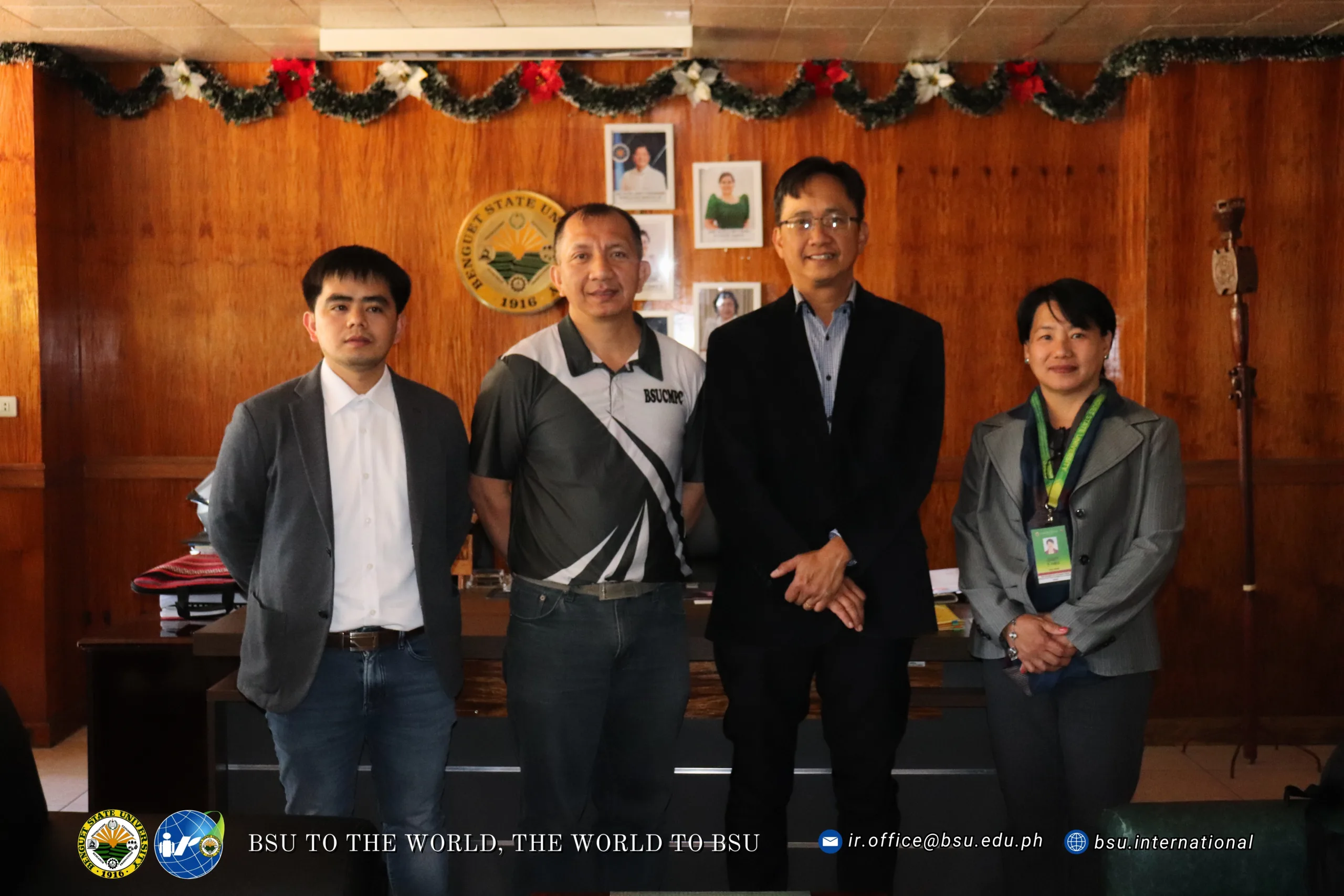
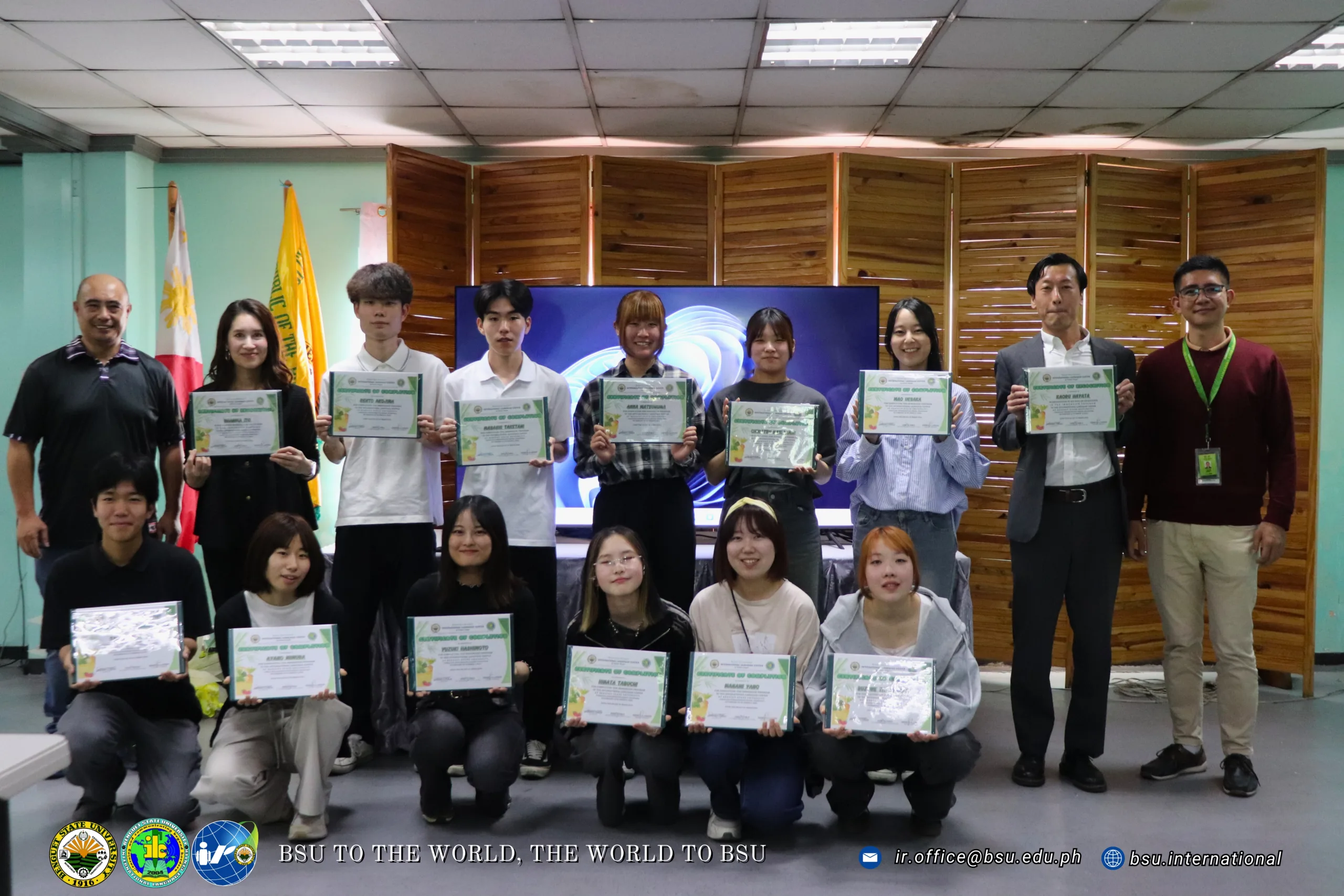
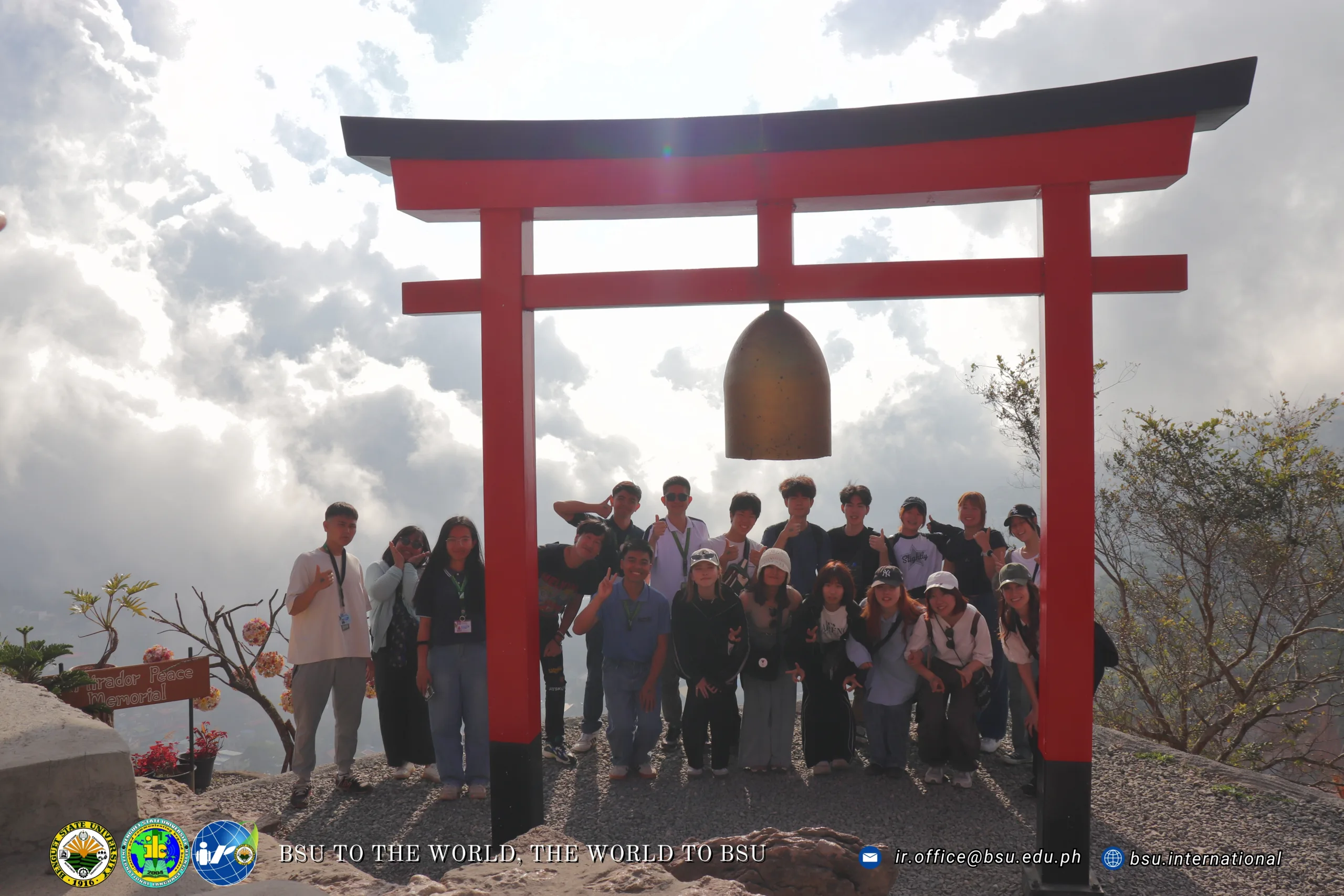
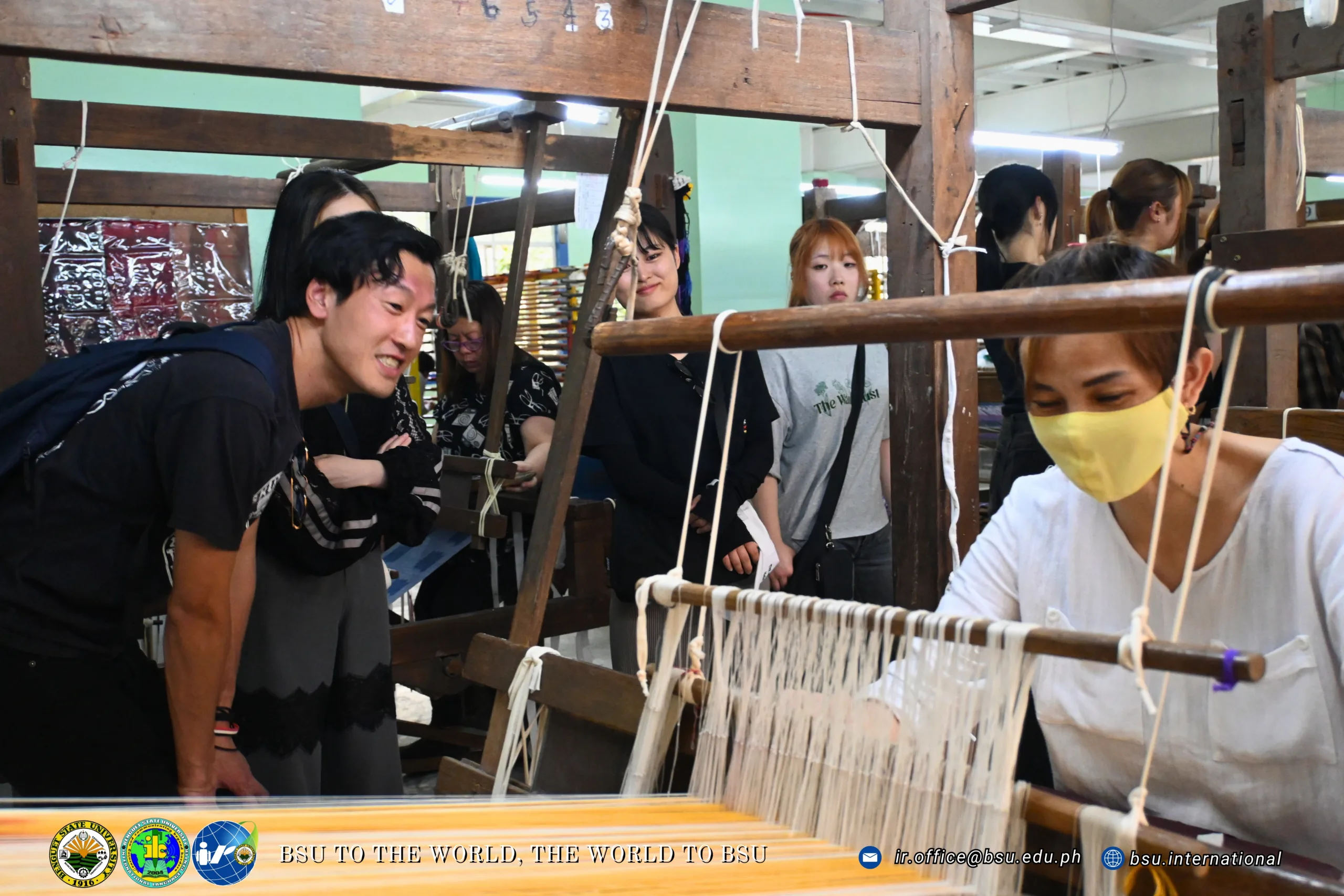
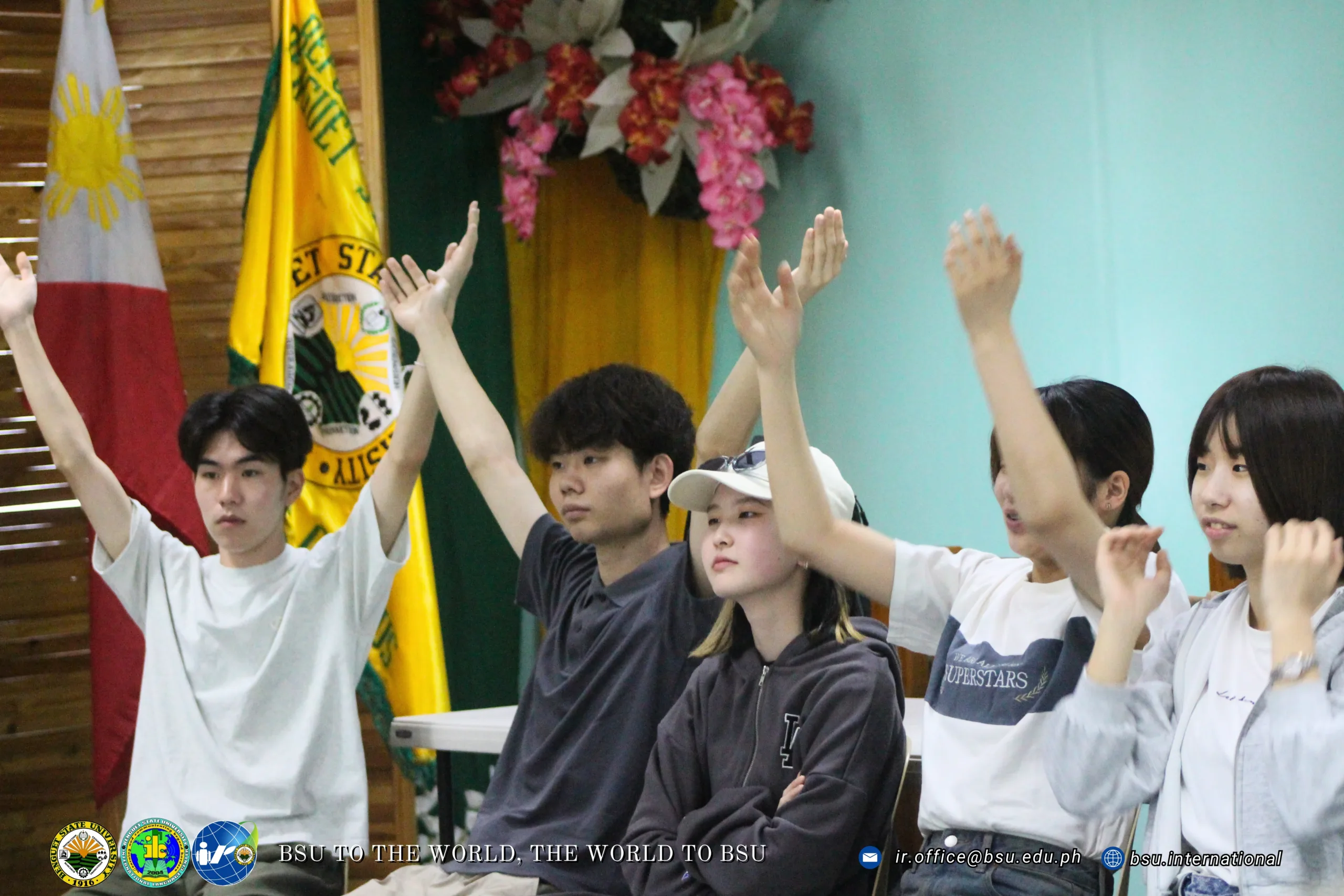
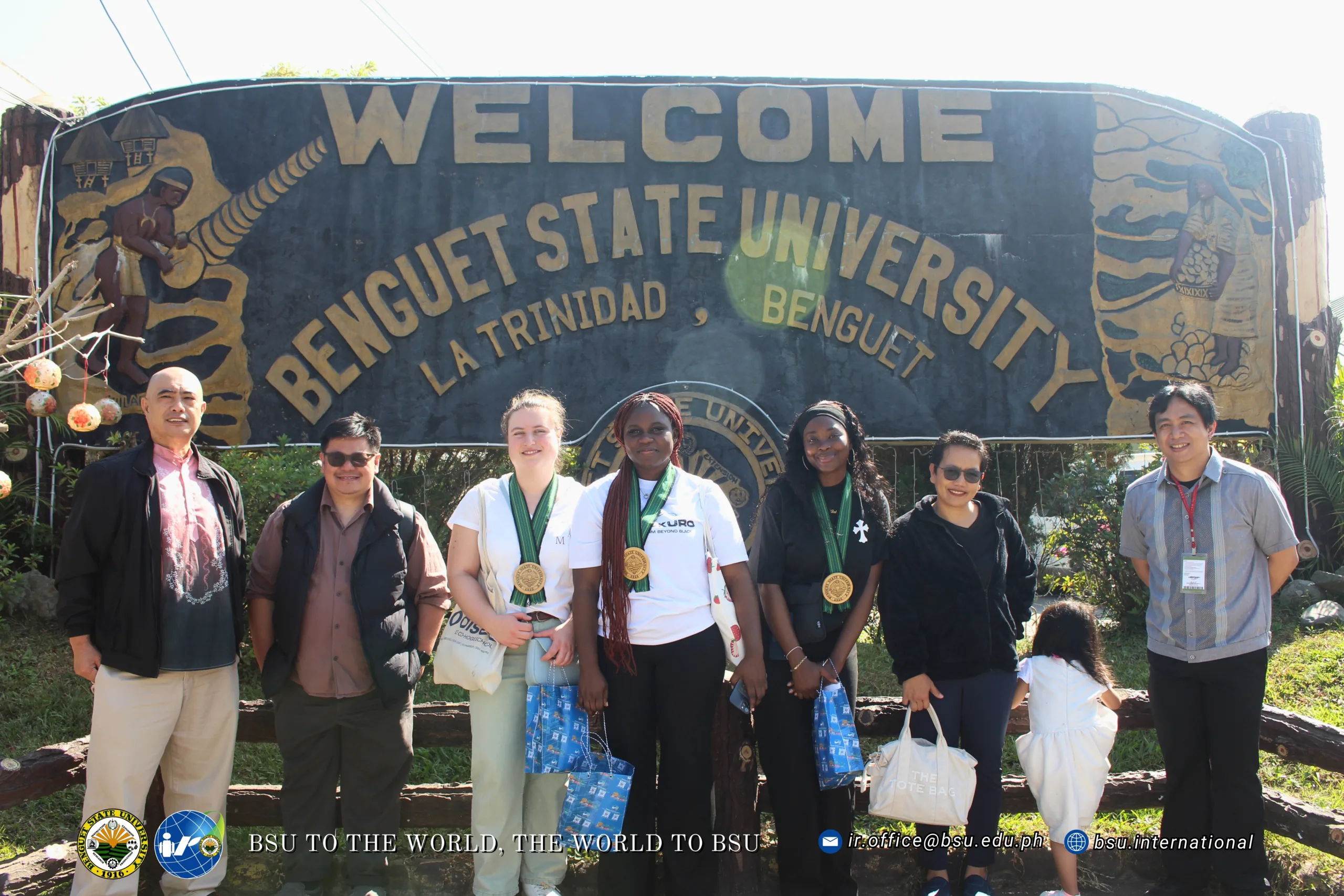
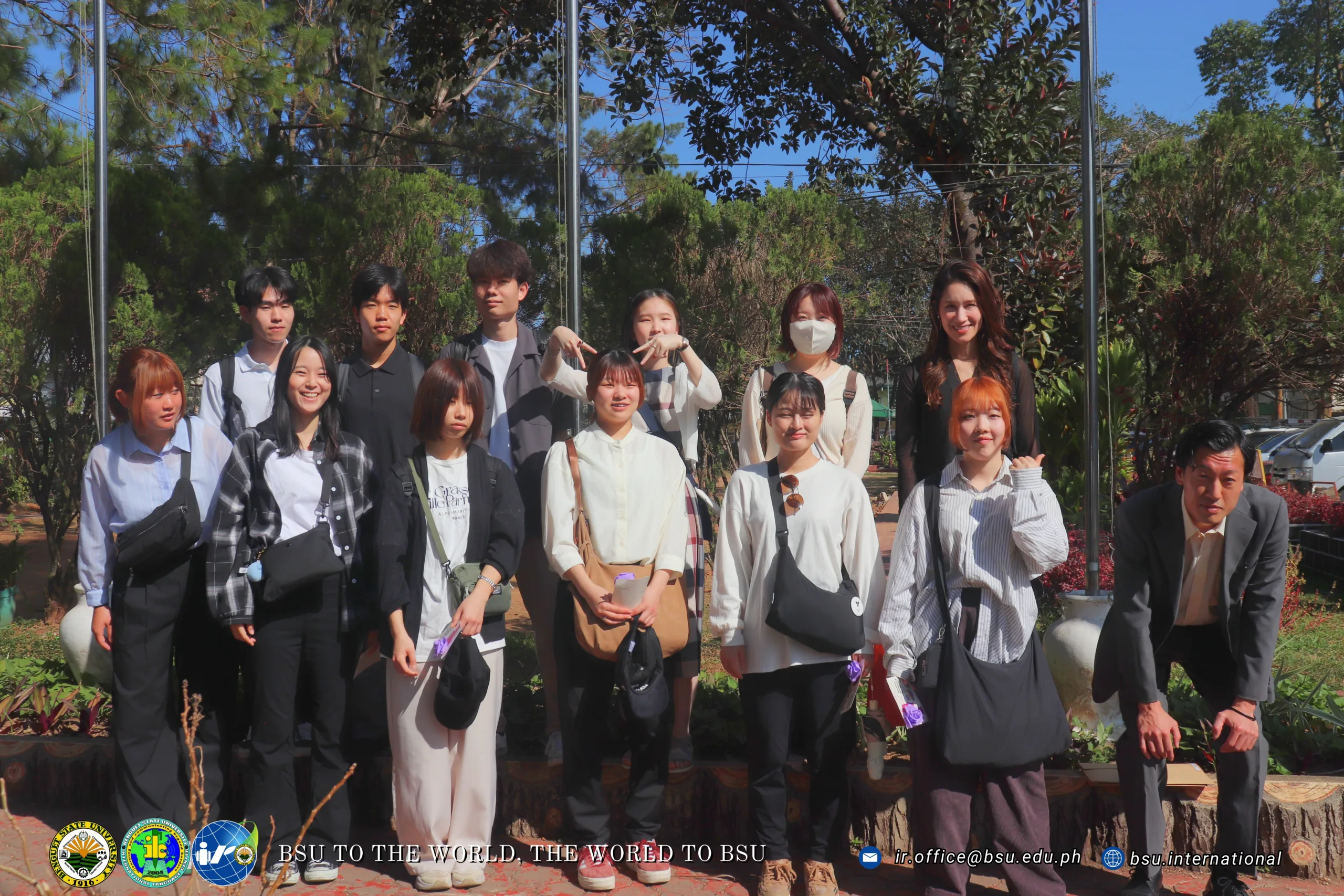
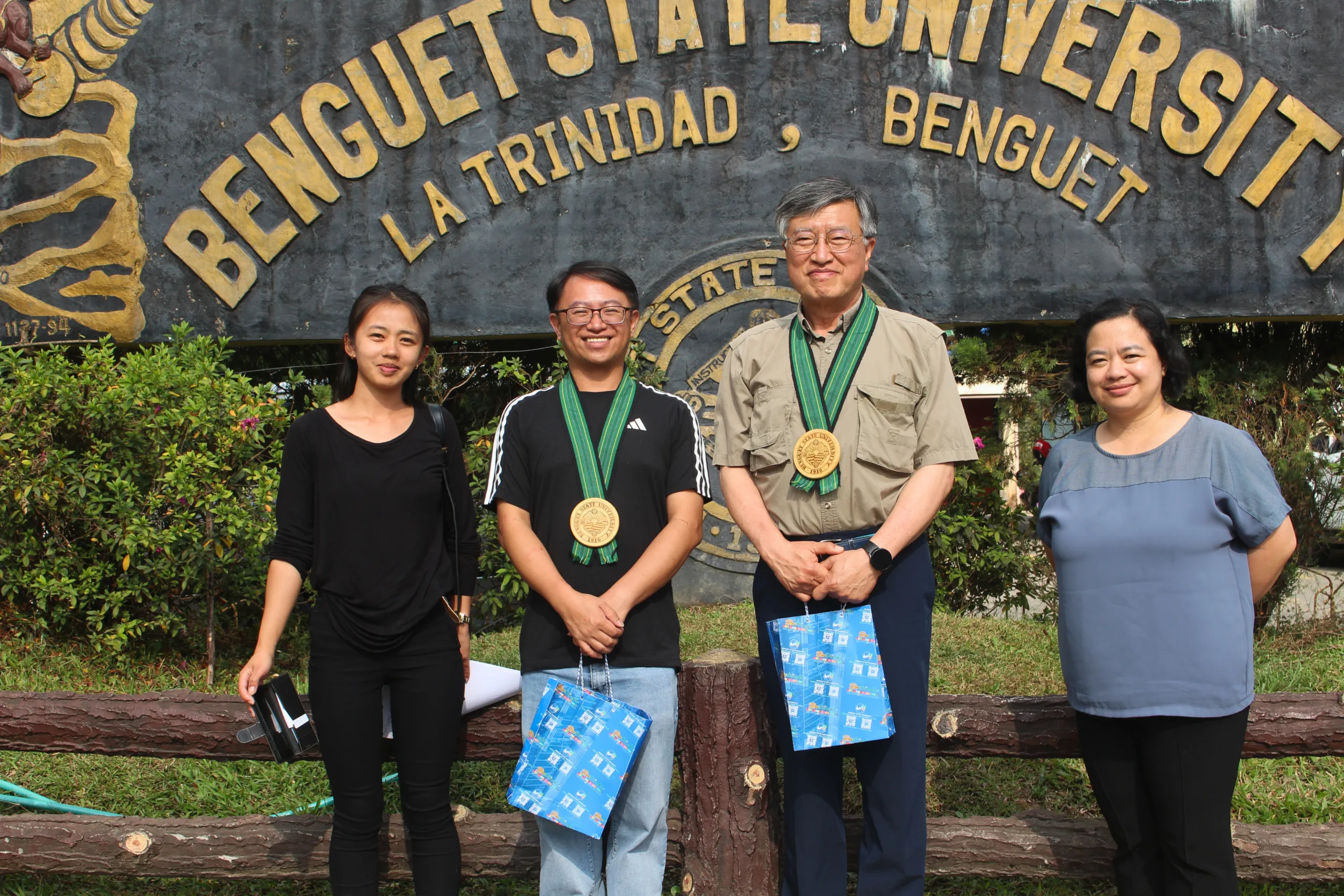
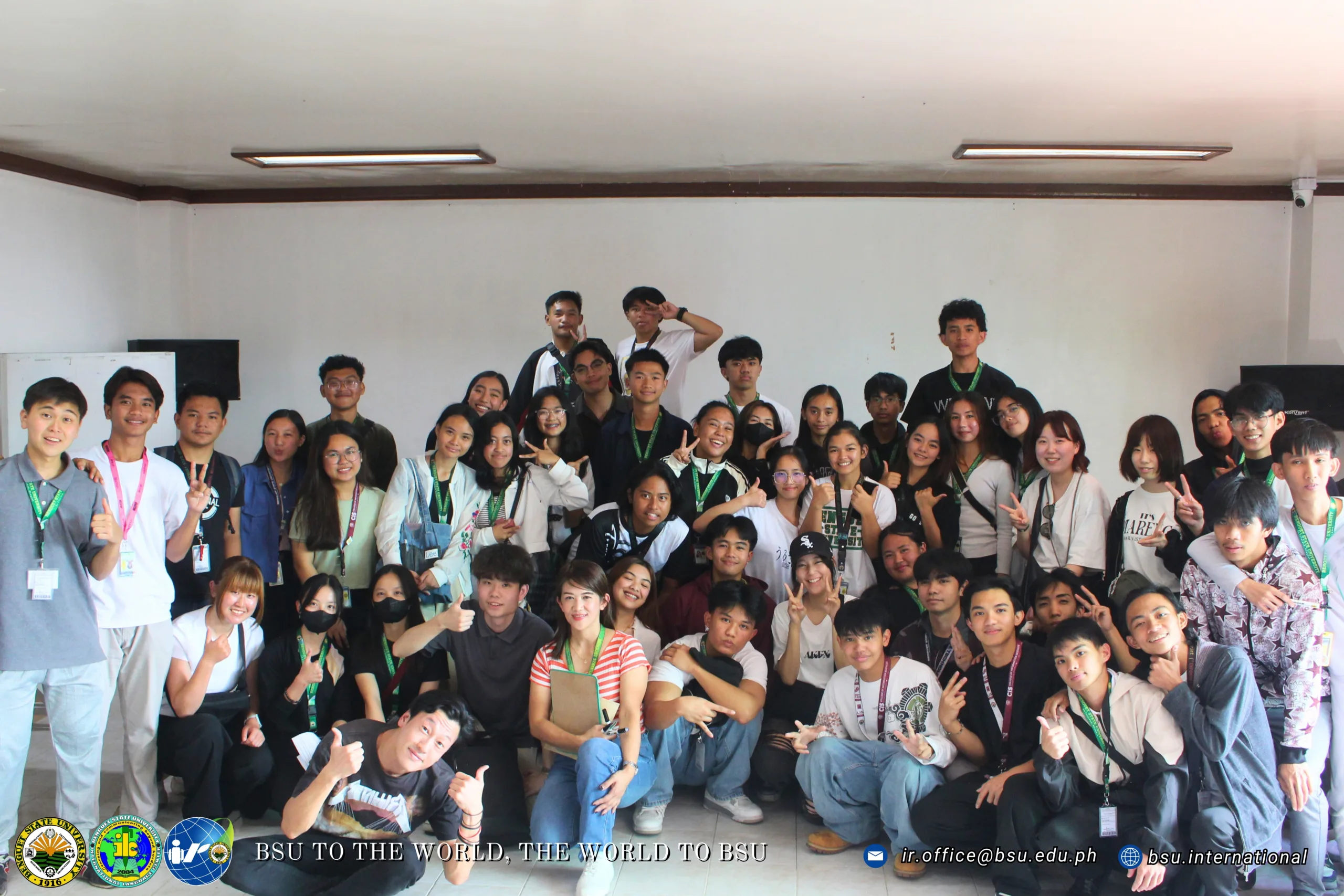
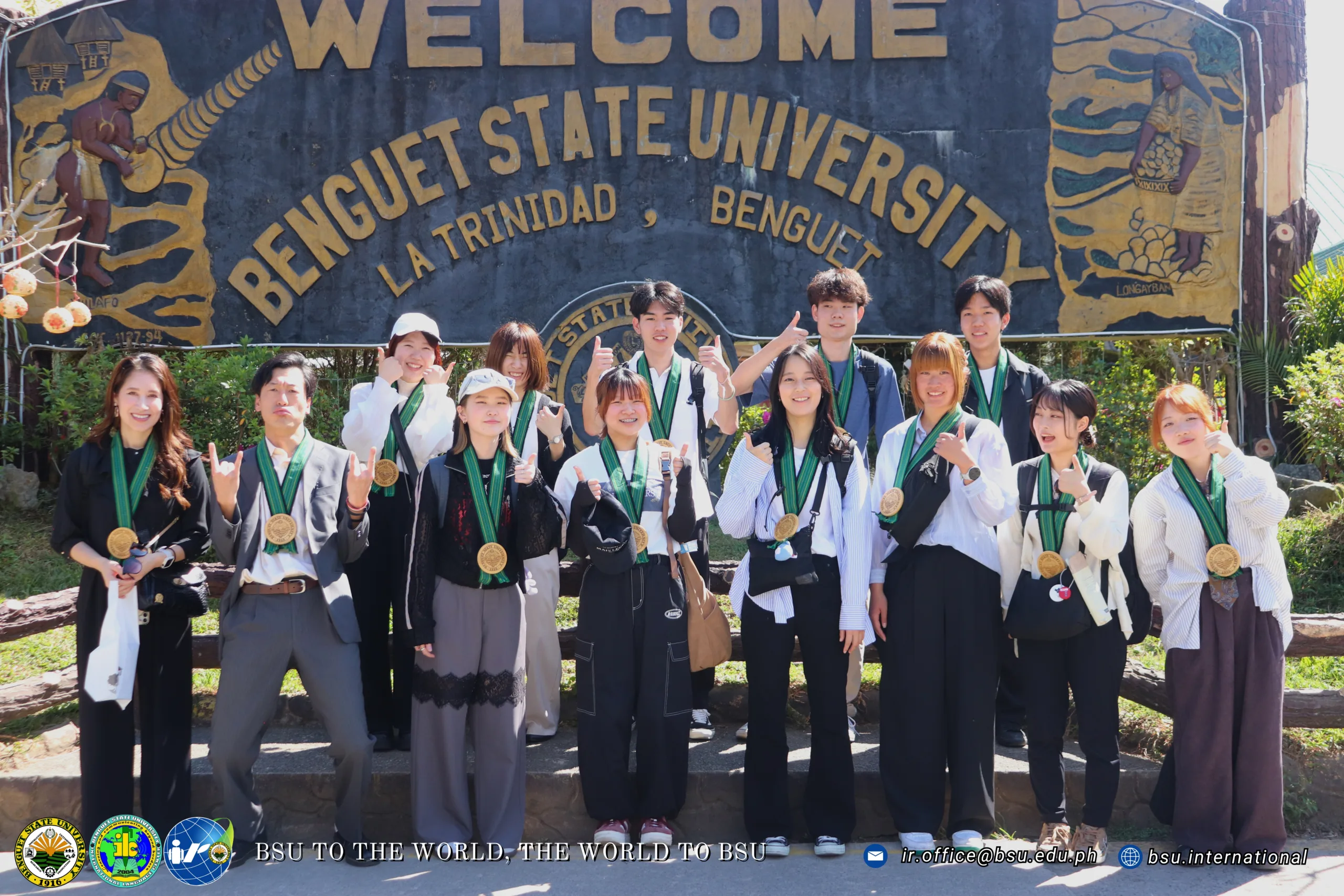
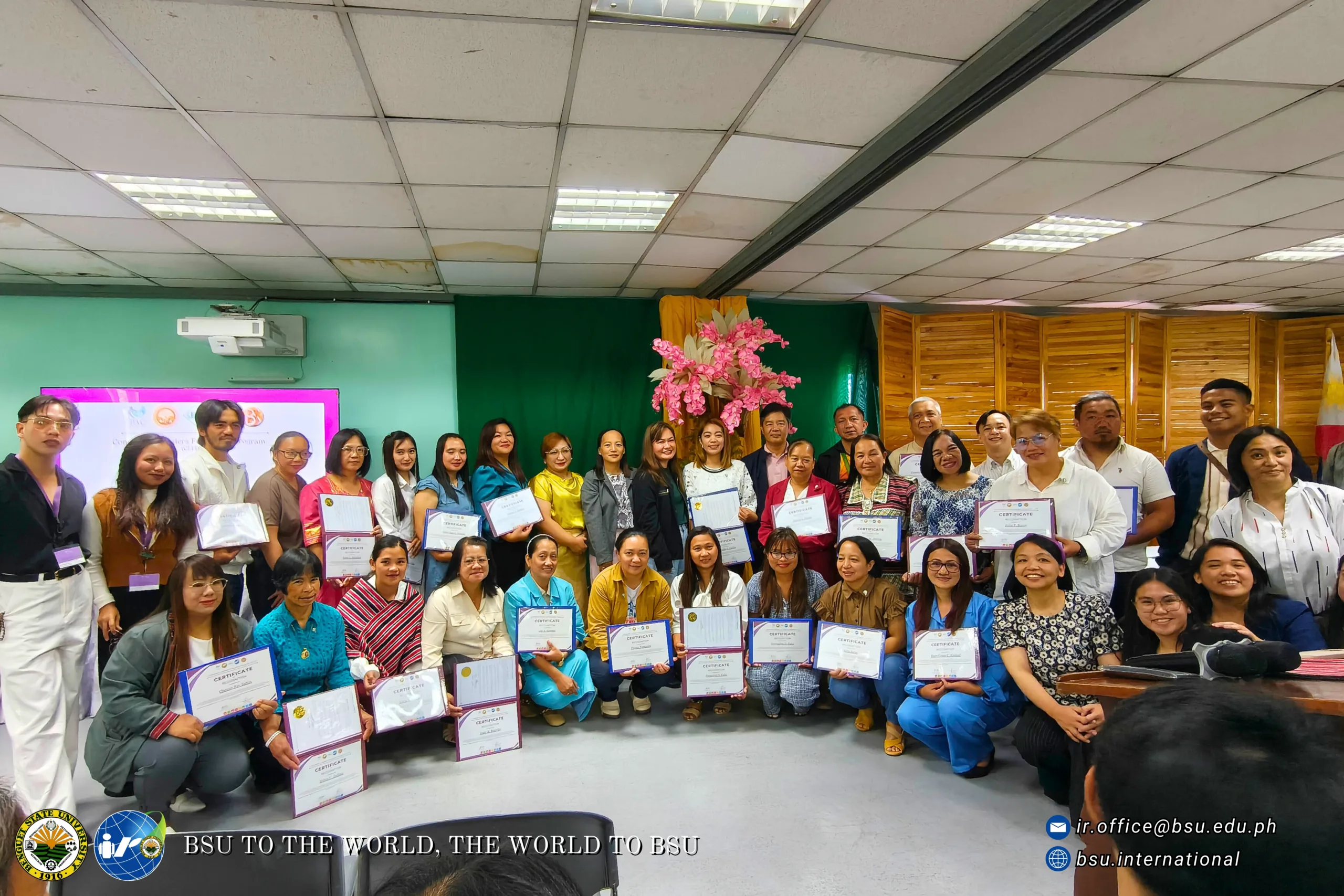
Benguet State University formally signed a Memorandum of Understanding with Urdaneta City University on February 18, 2026, at the Function Hall of the International Relations Office. The event also culturally welcomed delegates from Urdaneta City University, together with representatives from Konan University, Japan.The event formally commenced with the singing of the Philippine National Anthem, followed by the BSU Hymn and the Urdaneta City University Hymn, symbolizing unity, institutional pride, and shared aspirations. Then, Dr. Doreen I. Allasiw, Deputy Director of the BSU International Relations Office, delivered the welcome remarks and formally introduced the distinguished delegates.
As part of the cultural welcome, the BSU KONTAD performers showcased a captivating cultural dance, “Boogie,” from Mountain Province. The performance reflected the rich traditions and heritage of the Cordillera region, warmly welcoming the guests through music and movement. Followed by an intermission by Sir Roldan Day-ong, adding energy to the celebration.
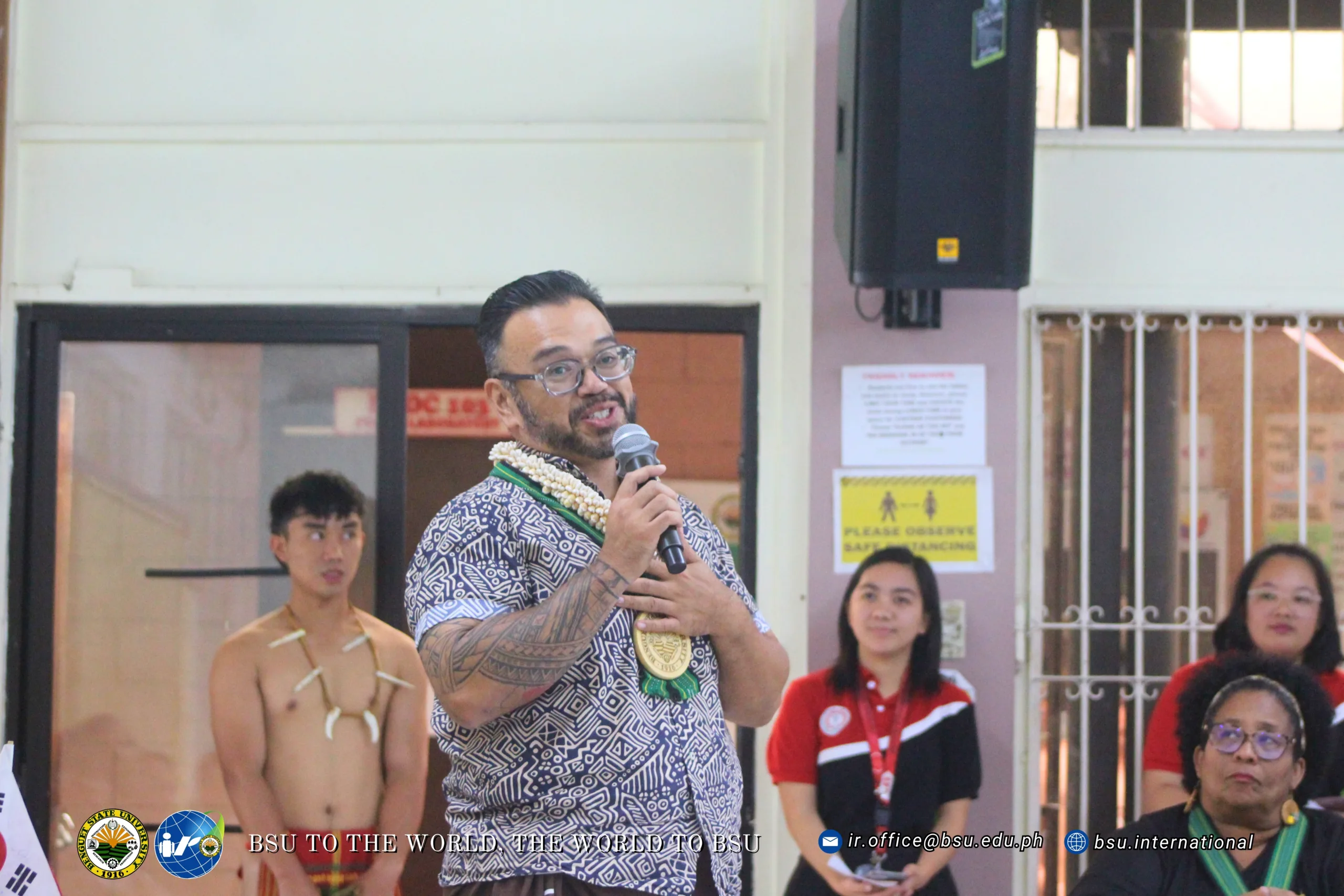
The Director for External Affairs and Linkages of UCU, Dr. Sonny Soriano, then presented an overview of the partnership between UCU and BSU. He emphasized the shared goals of both institutions in advancing academic collaboration, research initiatives, faculty and student exchanges, and global engagement. Dr. Amihan April Alcazar, the Acting University President of UCU, delivered a remarkable message expressing gratitude for the partnership and optimism for more collaborations. For an expanded overview, a brief video was presented showcasing UCU’s background, achievements, and academic programs to provide deeper insight into the university’s profile.
International Relations Office Director, Dr. Rex John G. Bawang, acknowledged the presence of the delegates from UCU, US Peace Corps, and Konan University, and then delivered a message of gratitude for the partnership with UCU. The cultural welcome continued as the BSU KONTAD once again performed Benguet cultural (community) dances, the “Tayaw” and “Bendiyan,” inviting delegates to witness, experience, and appreciate the living traditions of the province. The performance further strengthened the spirit of camaraderie and cultural exchange among the participating institutions.
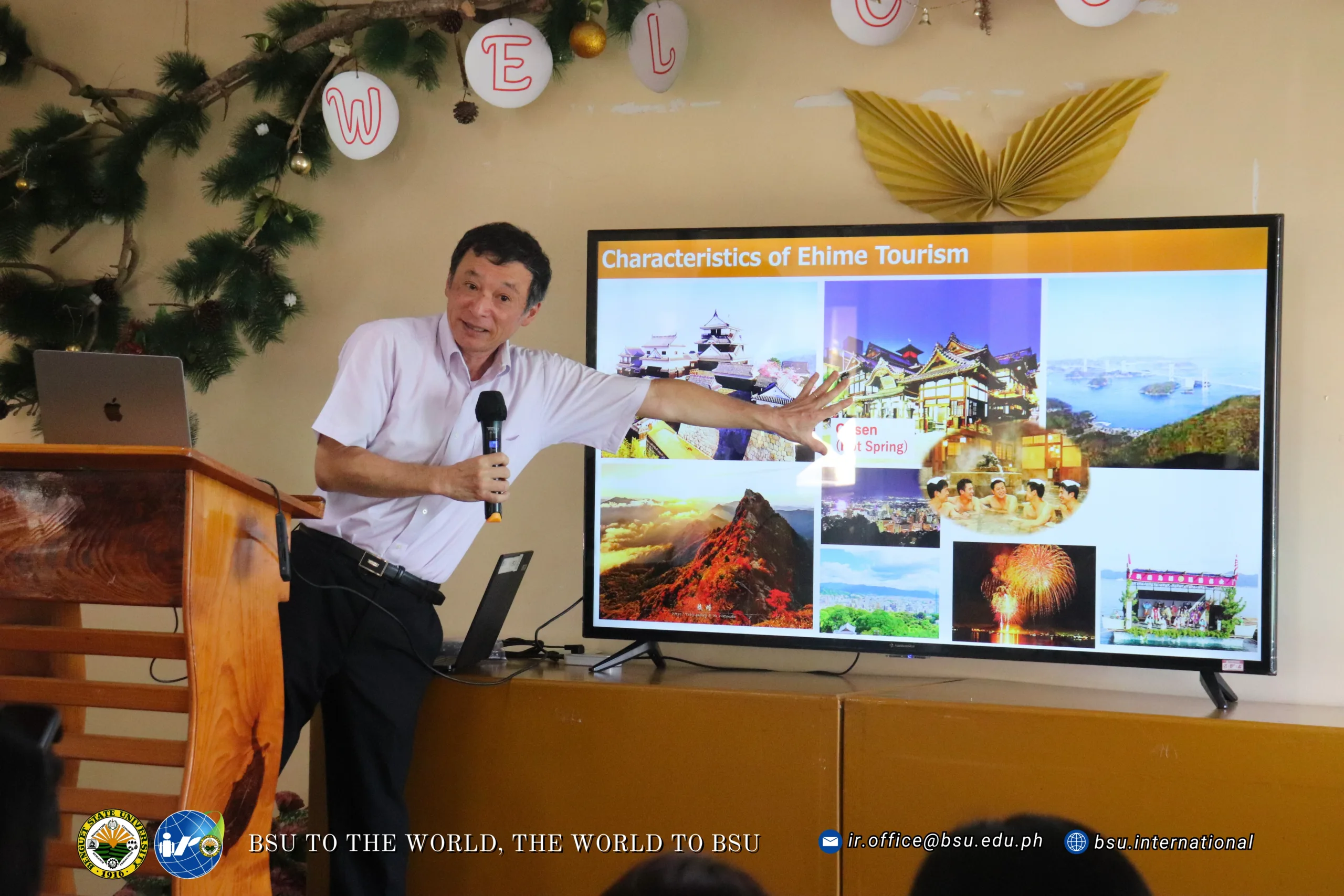
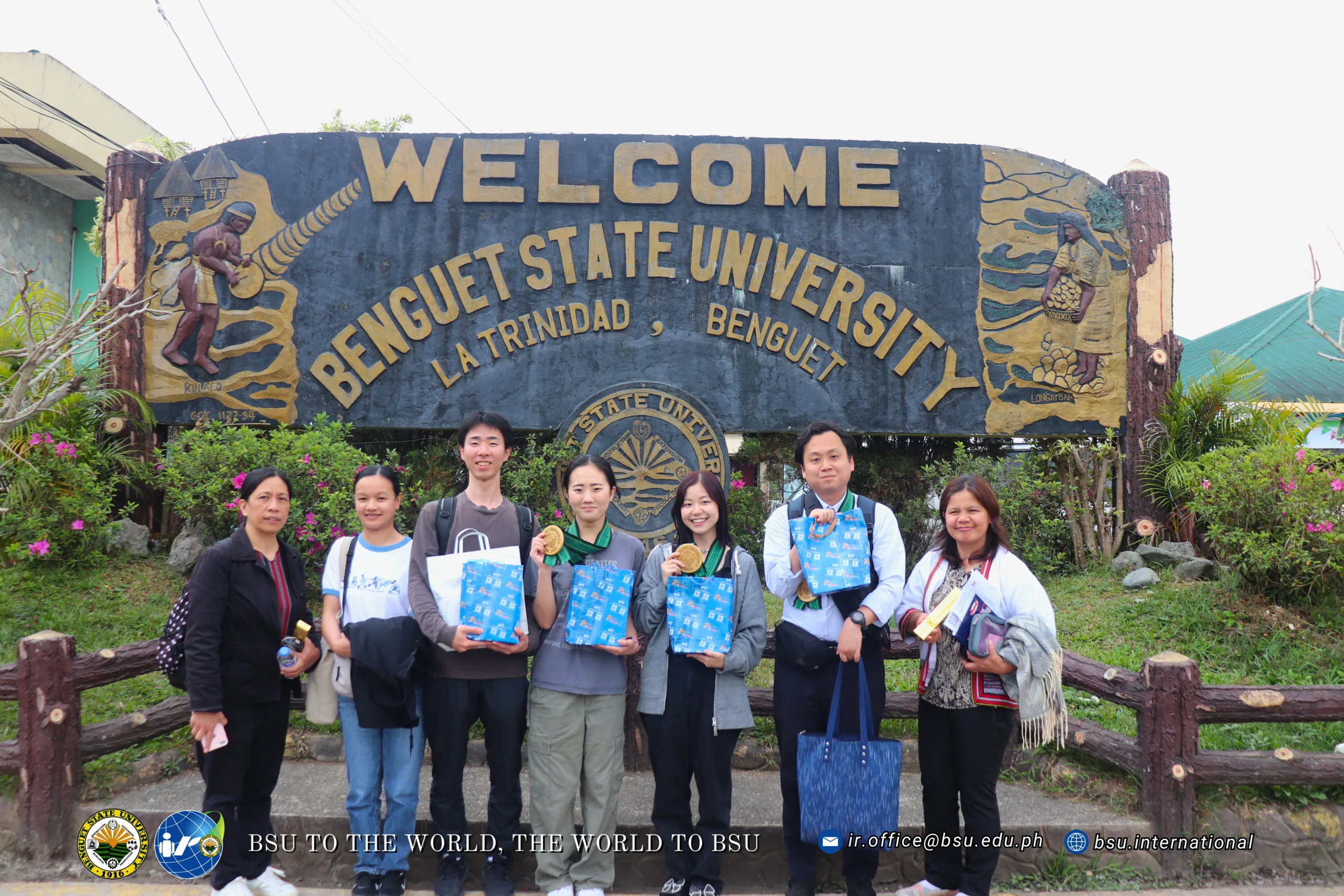
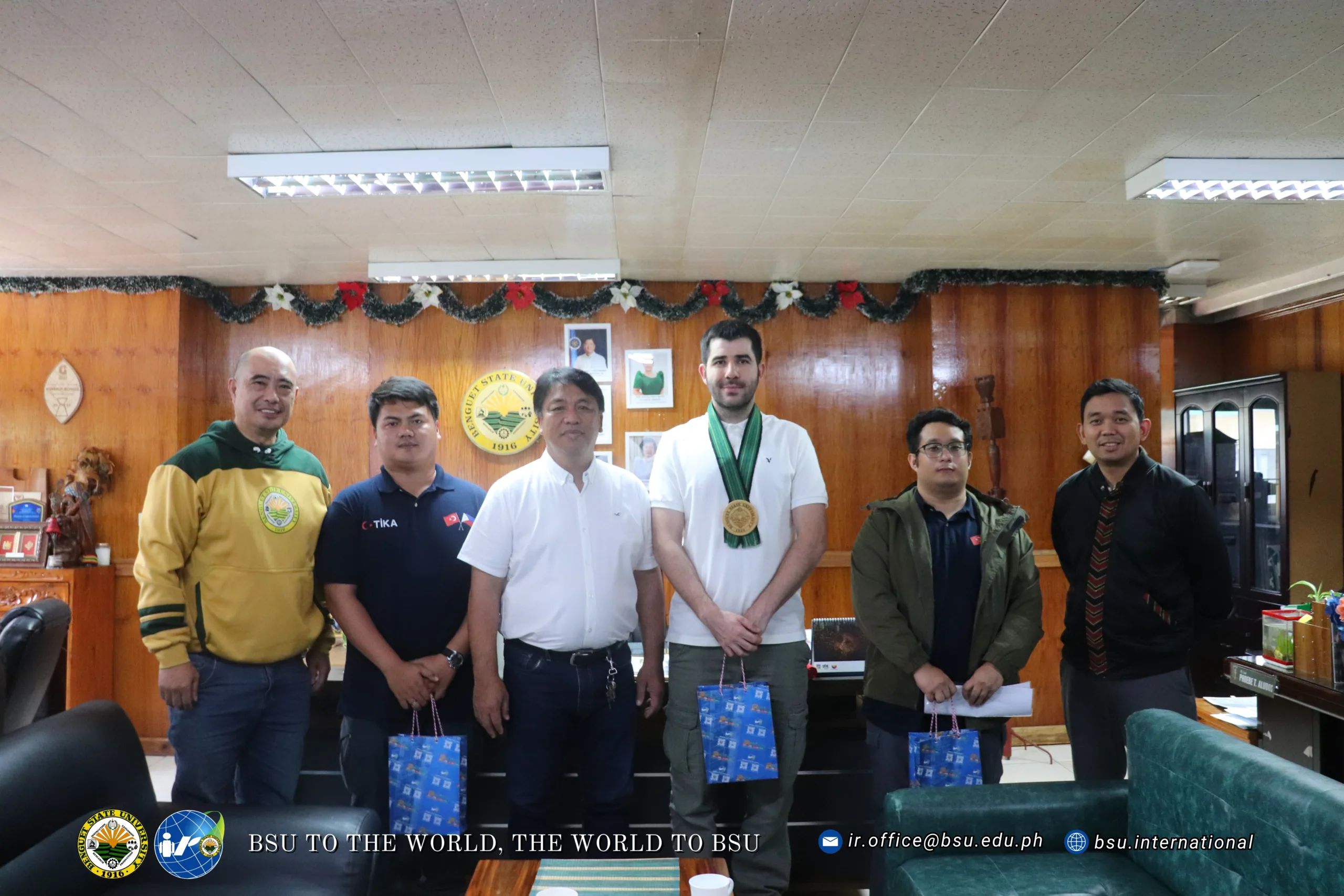
BSU President, Dr. Kenneth A. Laruan, delivered a short message warmly welcoming UCU and Konan University, reinforcing the commitment to mutual growth and partnership. Hirao School of Management Director, Dr. Brent Jones, introduced Konan University’s background and his students, Yuna Sakata, Hina Arima, Yukino Yamada, along with Mr. Gabriel Chong, U.S Peace Corps Volunteer. Followed by a performance from his students, together with Mr. Soma Yauchi.
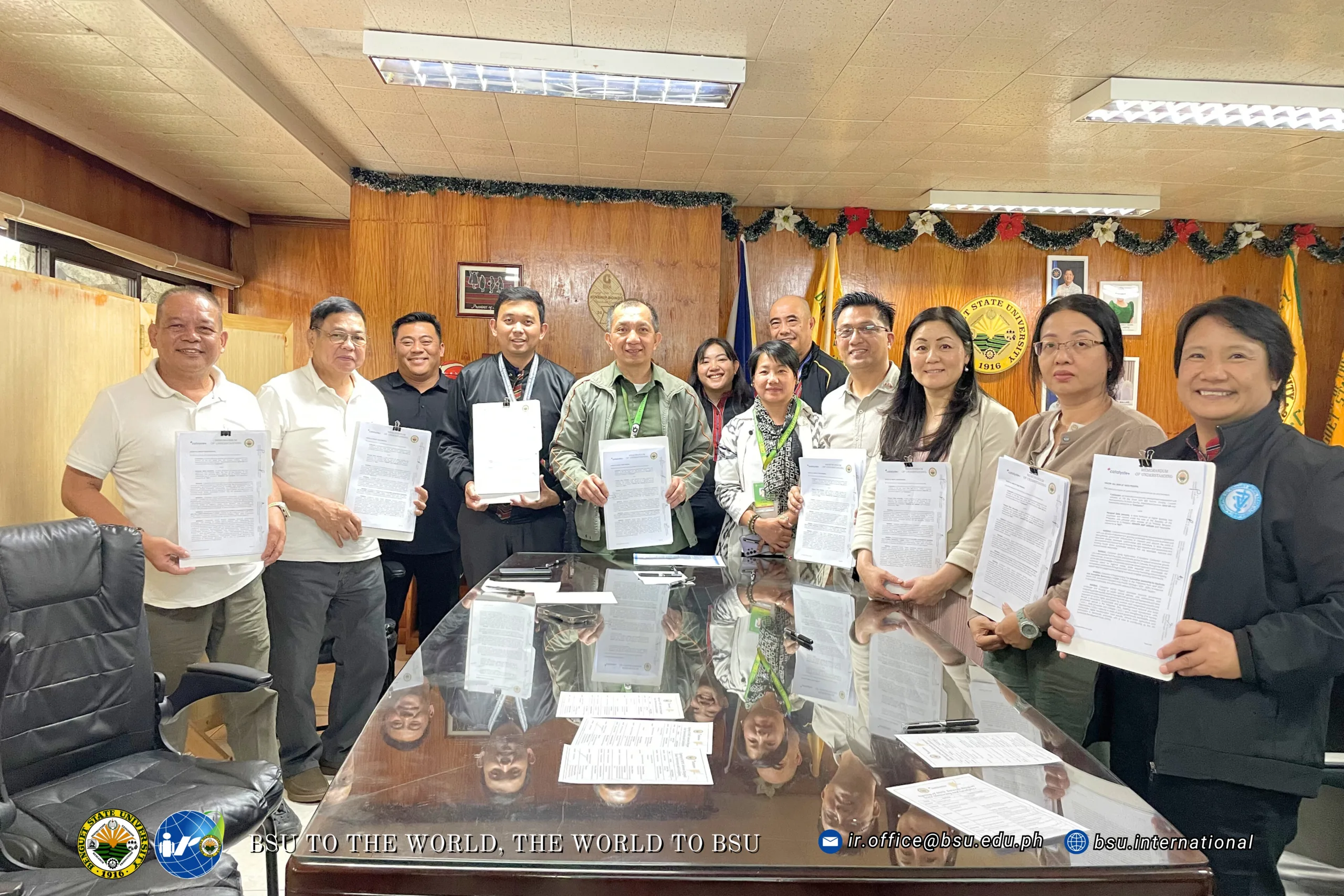
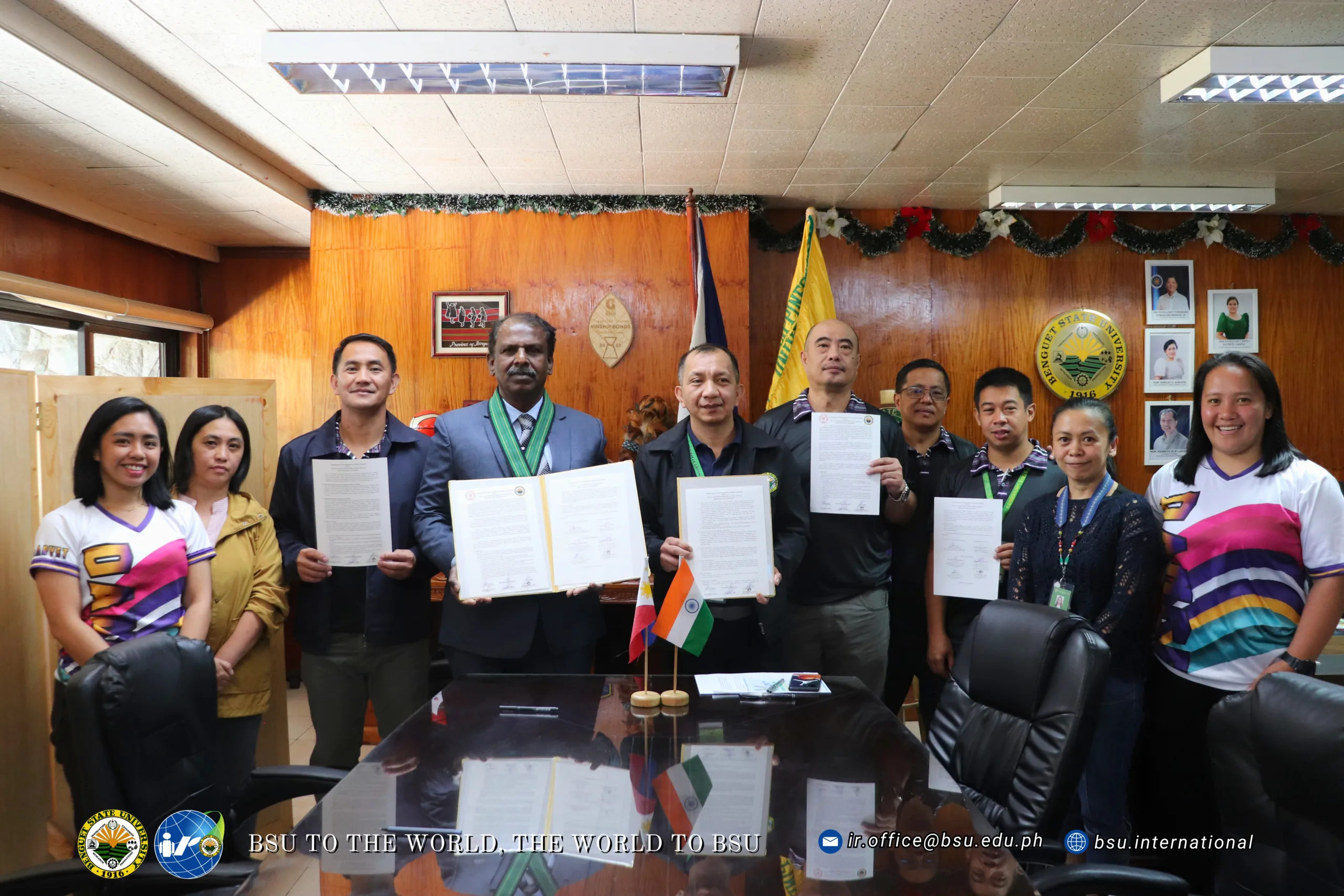
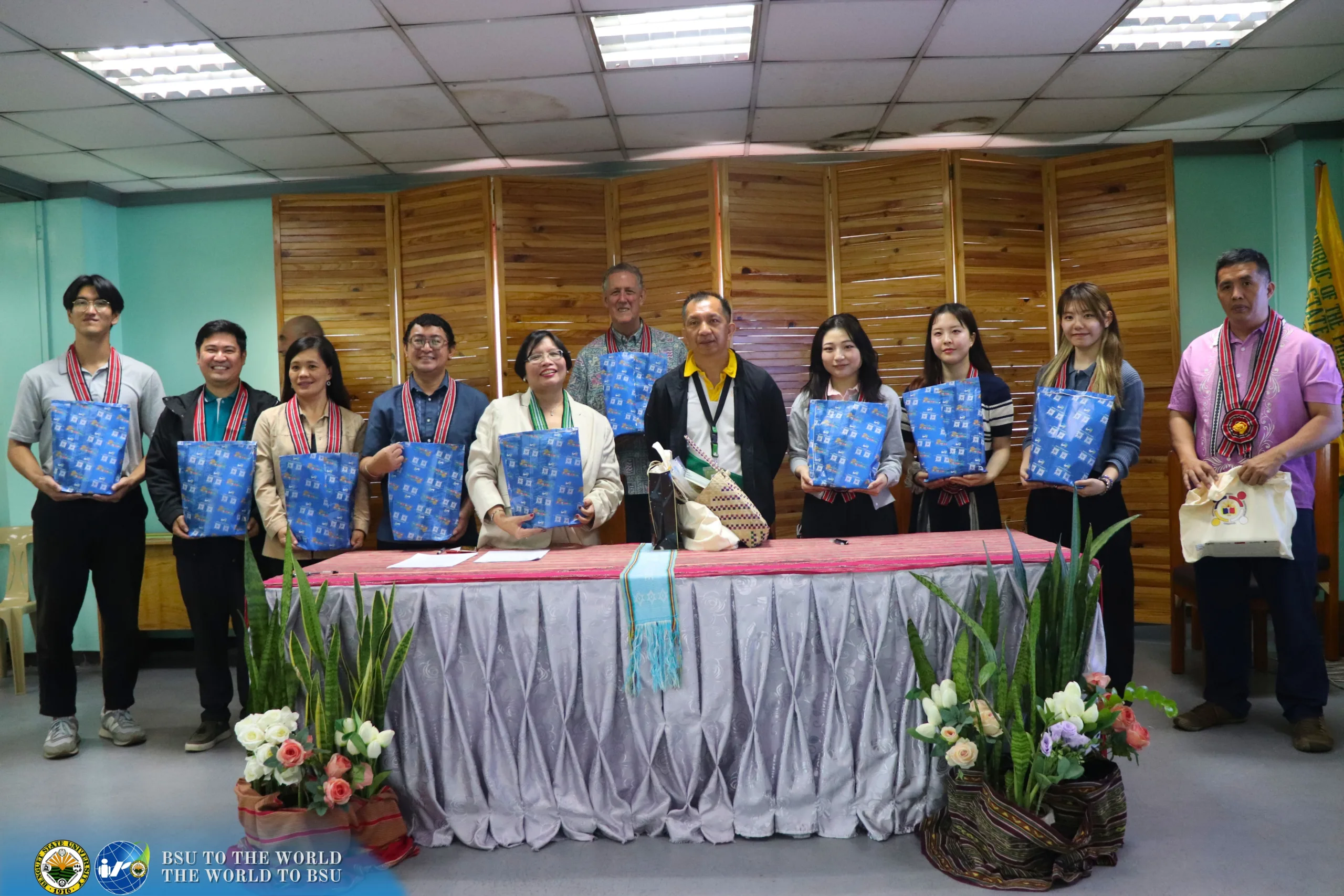
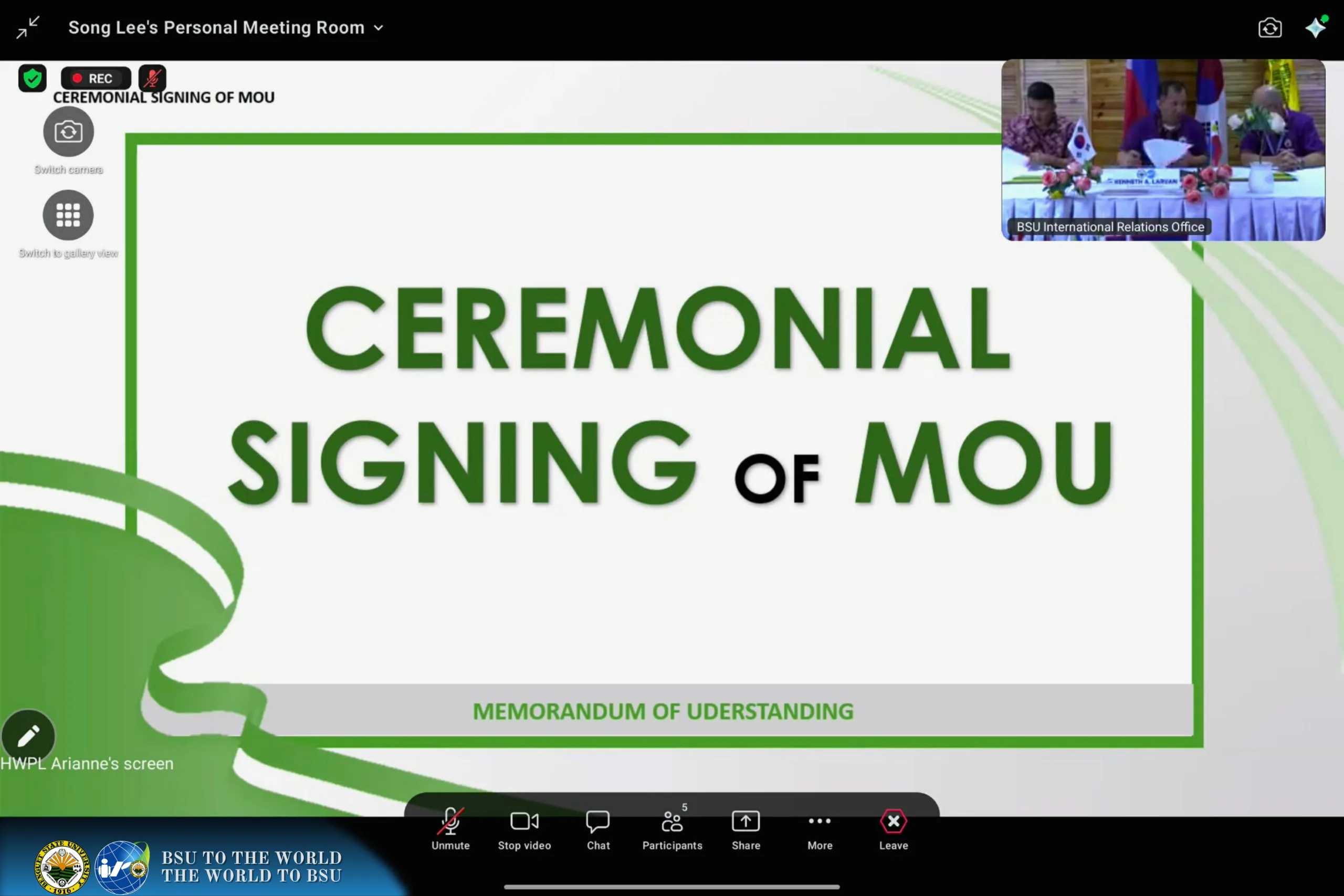
The actual signing of the Memorandum of Understanding between UCU and BSU was the highlight of the event. By formally establishing the partnership between the two institutions, this momentous move opened the door for more academic collaboration, stronger partnerships, and meaningful cross-cultural interactions. The event not only strengthened institutional partnerships but also celebrated unity in diversity, demonstrating how education serves as a bridge connecting communities, cultures, and nations.
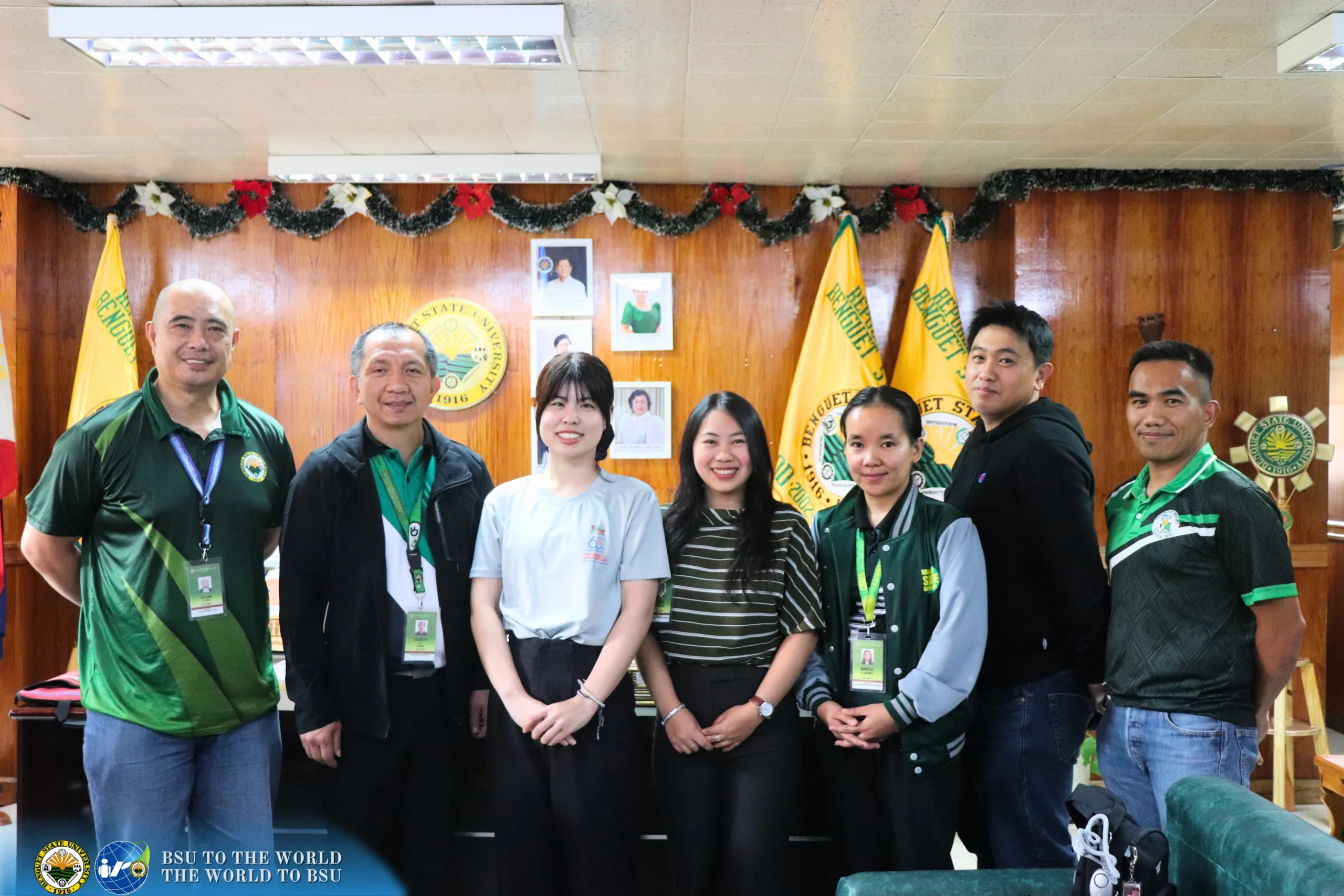
The signing was attended by Dr. Kenneth Alip Laruan, University President of Benguet State University, Dr. Amihan April Mella-Alcazar, Acting University President of Urdaneta City University, Dr. Gleemoore C. Makie, BSU Bokod Campus Administrator, and Dr. Sonny Soriano, UCU Director for External Affairs and Linkages. The ceremony was witnessed by BSU, BSU Bokod campus, UCU representatives, representatives from Konan University, and a U.S. Peace Corps volunteer.
The program was smoothly facilitated by the moderators, BAEL interns, Ms. Rosciel Yapeng Batalier and Ms. Jelaine Victorino, together with Mr. Soma Yauchi, an International Student. //Stefanie P. Gum-oyen and Claire B. Diclas (BPA Interns)
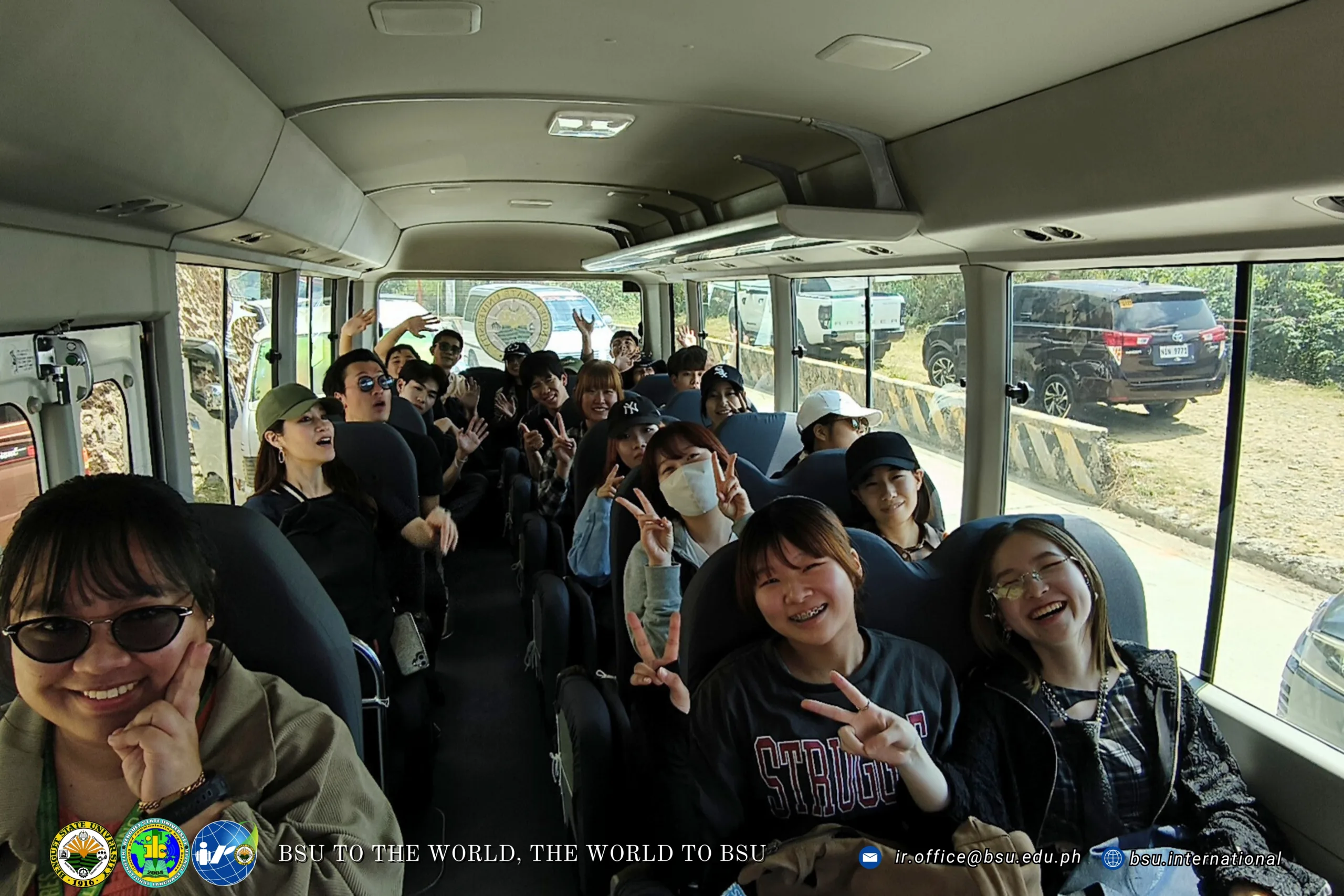
After the program, the delegates had a tour around the campus. They first visited the University Marketing Center. They then went to the University Library, where Library Director Lauren P. Kipaan welcomed them and guided them around. The group also visited the University Museum, where Mr. Jude Segovia and Ms. Edel Paleyan shared the history of the University.
The tour continued at the Cordillera Regional Apiculture Center, where Mr. Tristan B. Apiles introduced and guided them as they learn and experienced the University’s beekeeping projects. They also visited the Agri-based Technology Business Incubator and Innovation Center. ATBI/IC Director Ruth C. Diego welcomed them and showed them around the strawberry demo farm. The group then went to the actual strawberry farm, a popular tourist spot, where they were guided by Leonard D. Licudan from the ATBI staff.
To end the day, the delegates visited the Institute of Highland Farming Systems and Agroforestry. The staff showed them around the coffee processing area and shared knowledge on the processes in the making of the BSU Coffee products.📷Ms. Jorelle Mae Avelino and Jay-ann Caoili, BSIT Interns, and Ms. Cherlyn Lao-an, CHET intern
#BenguetStateUniversity, #UrdanetaCityUniversity, #KonanUniversity, #SDG4QualityEducation, #SDG16, #SDG17PartnershipsForTheGoals