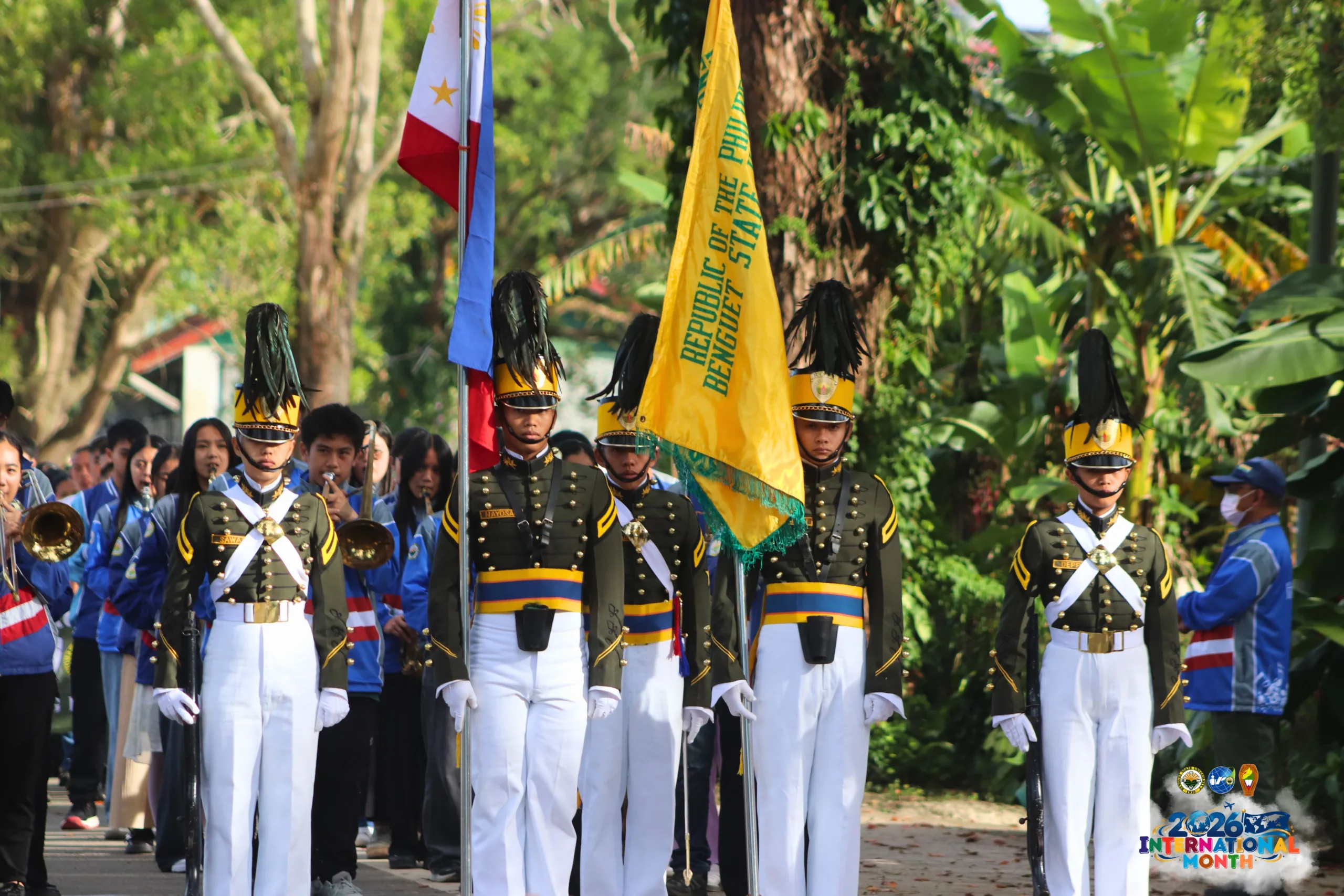
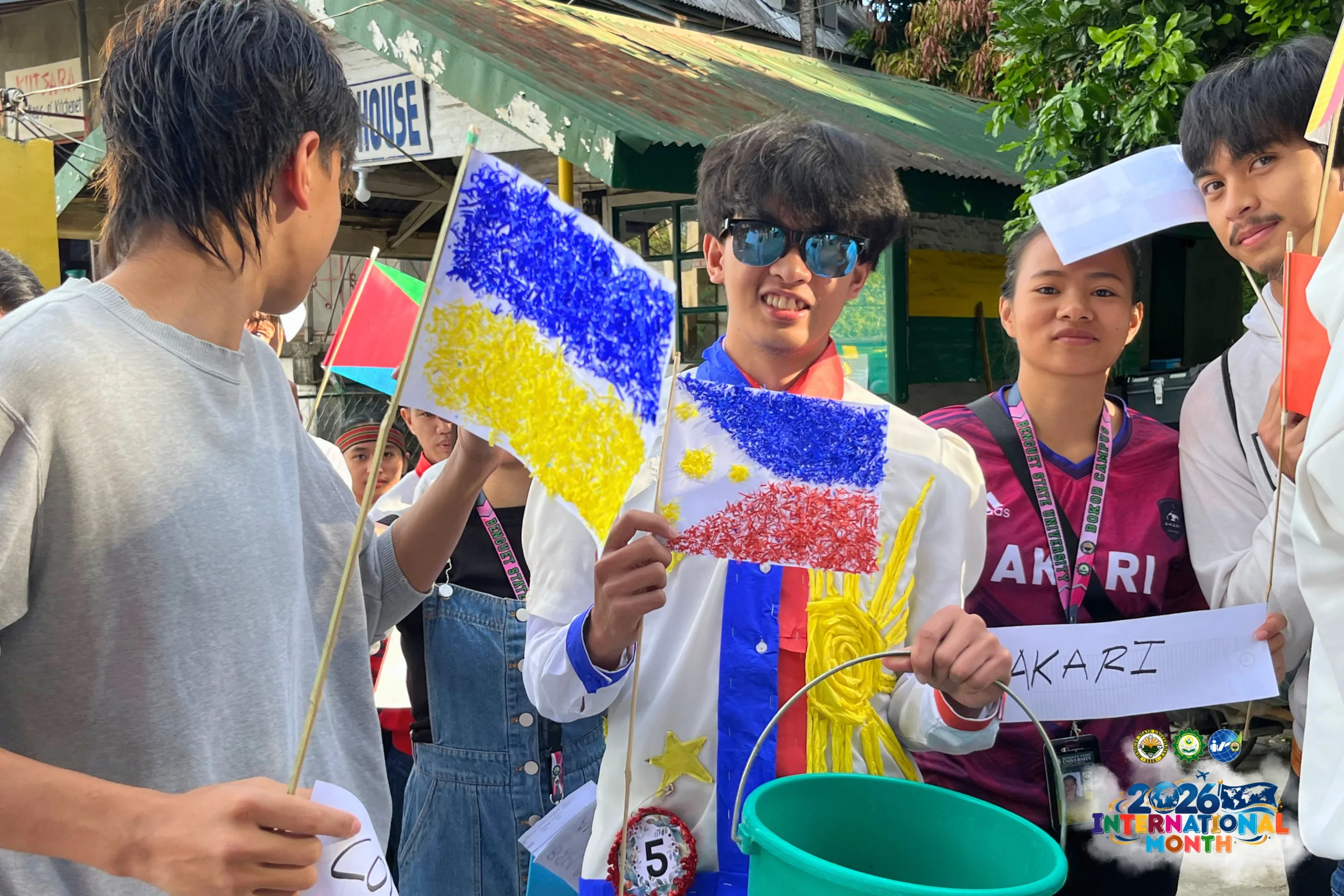
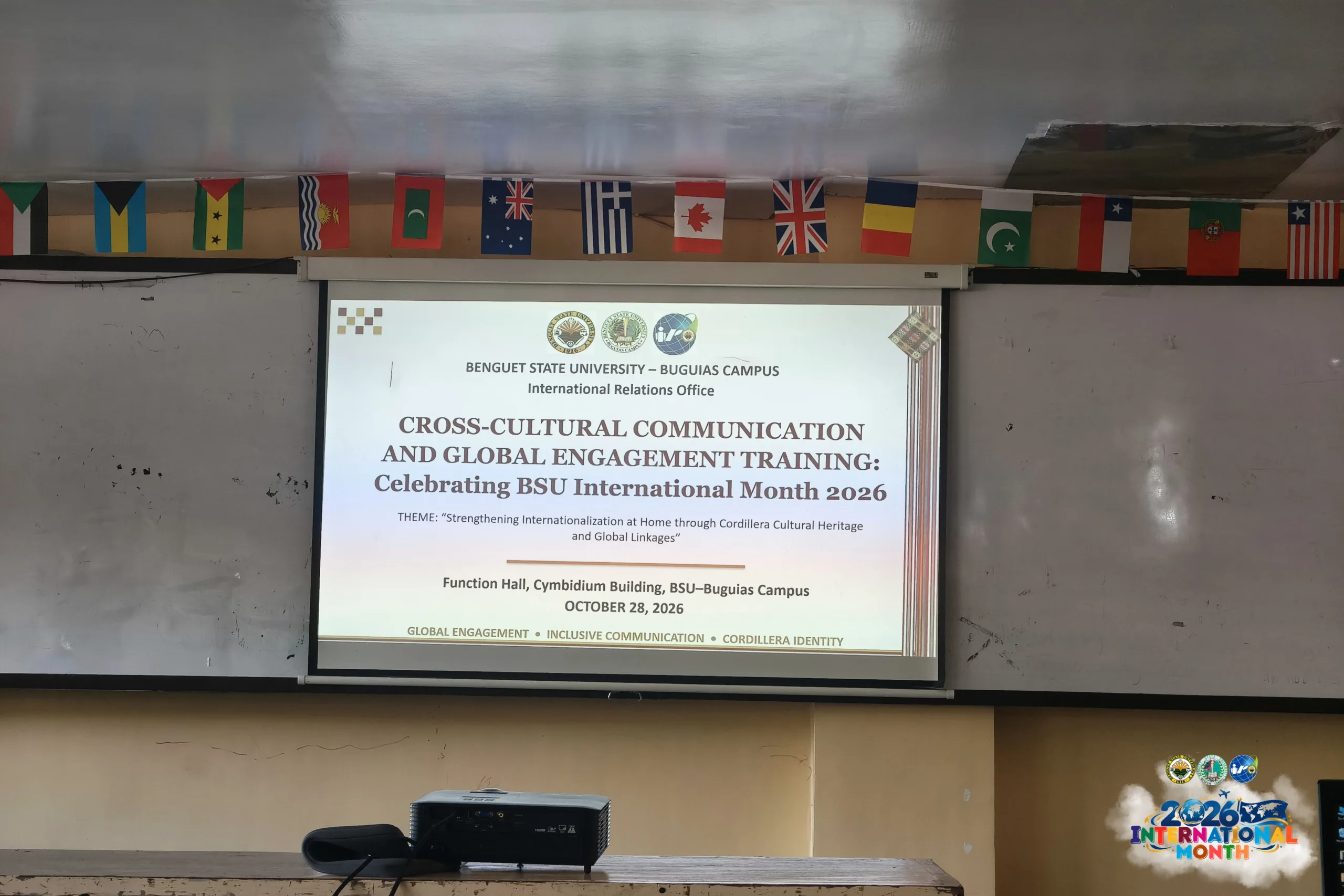
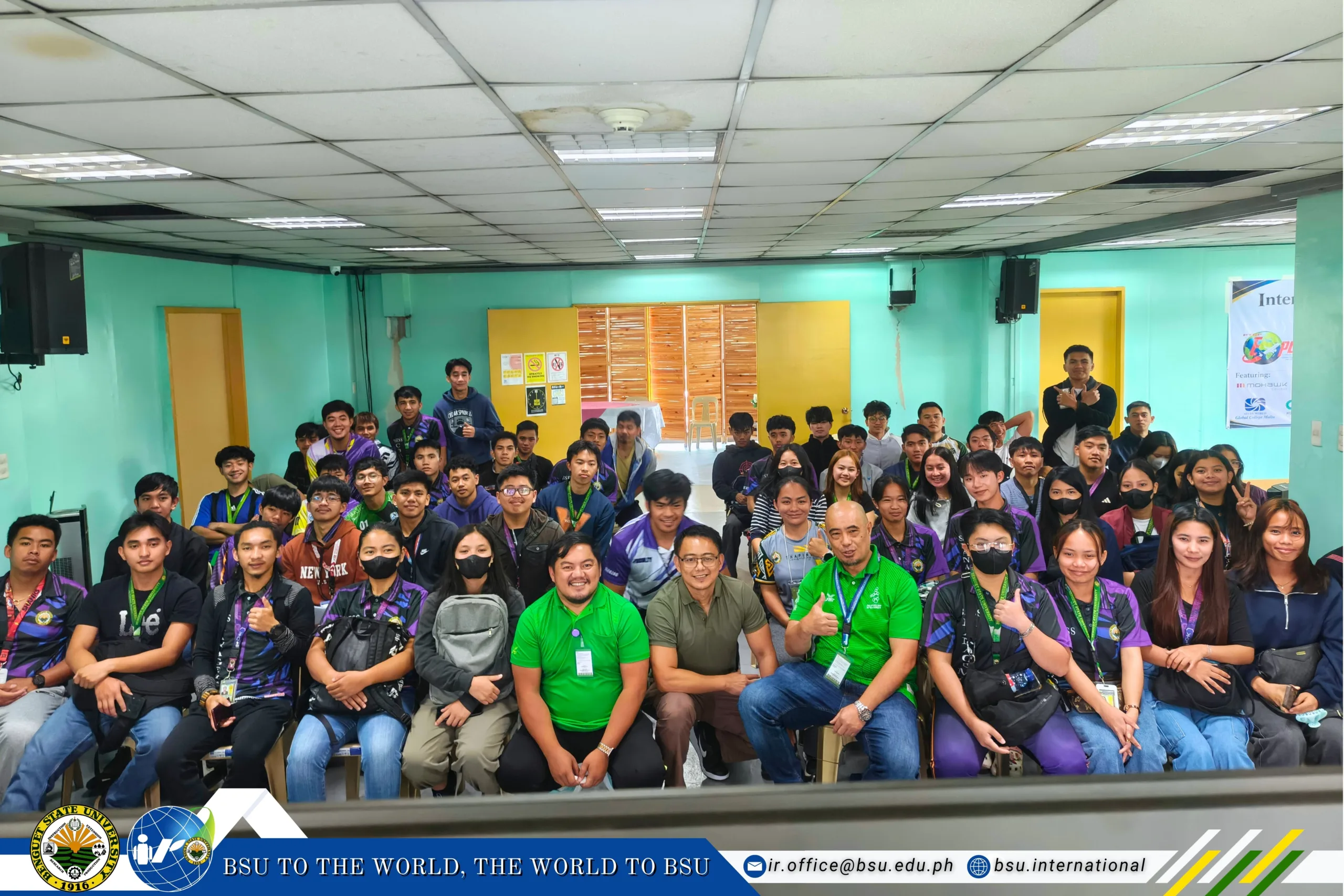
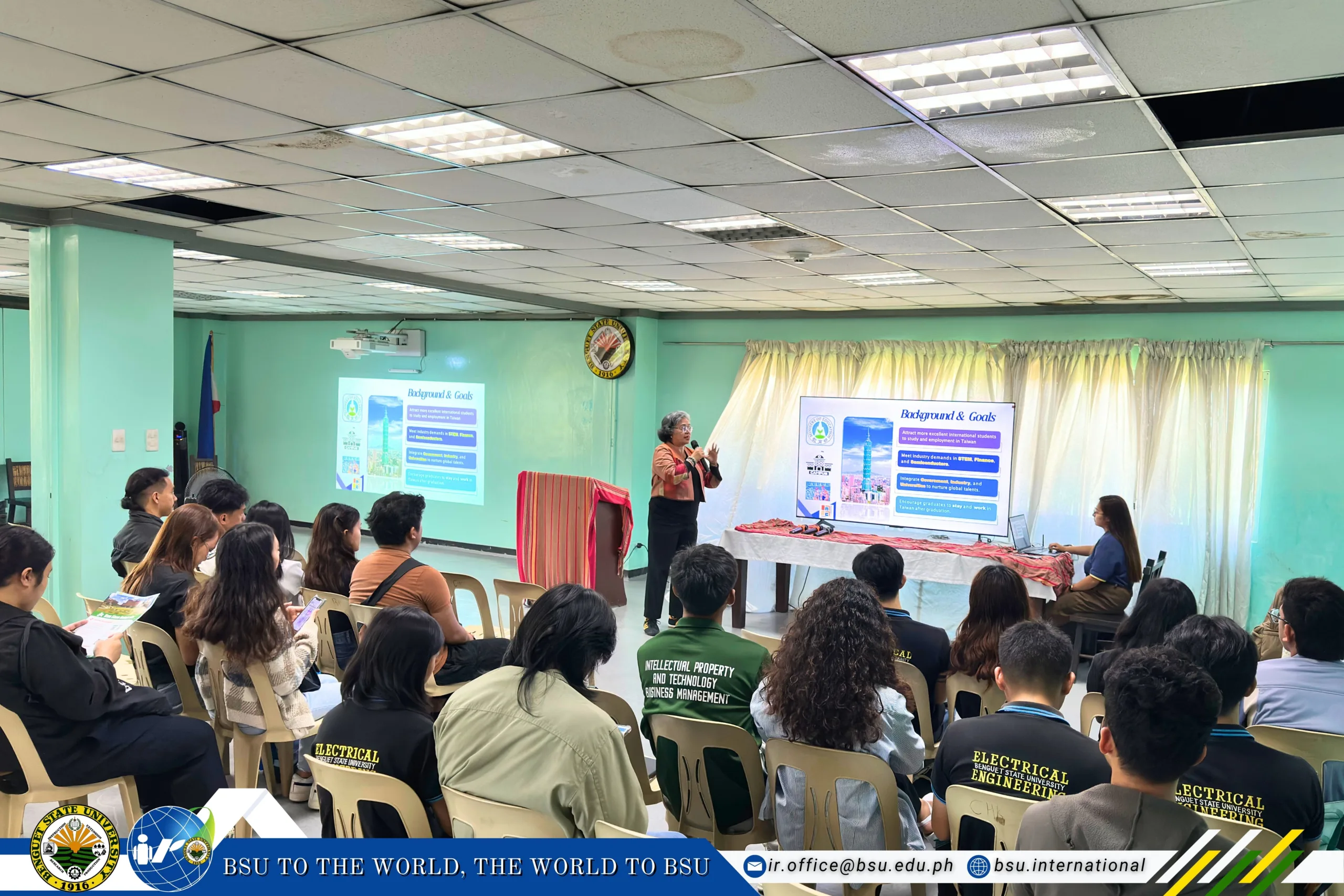
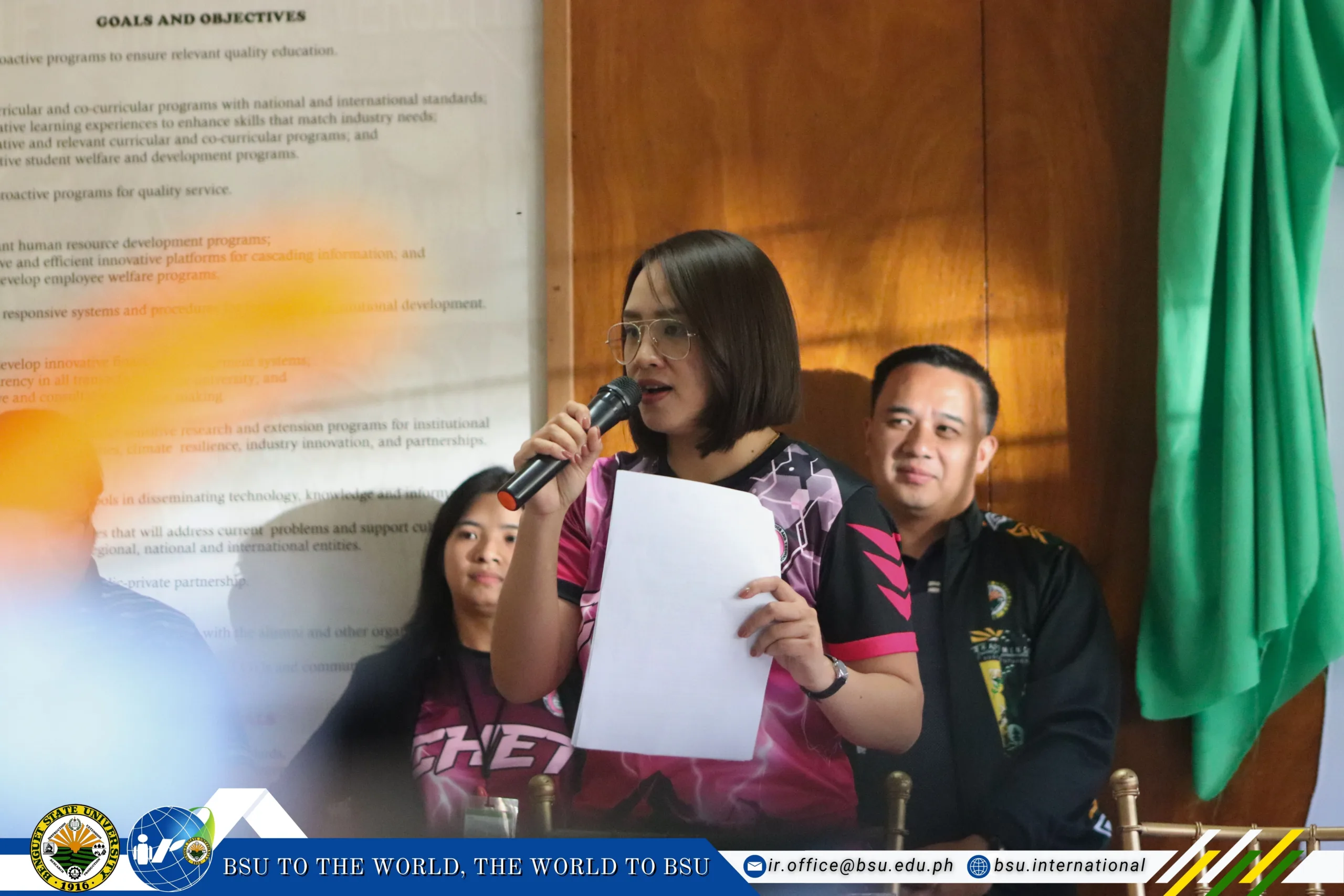
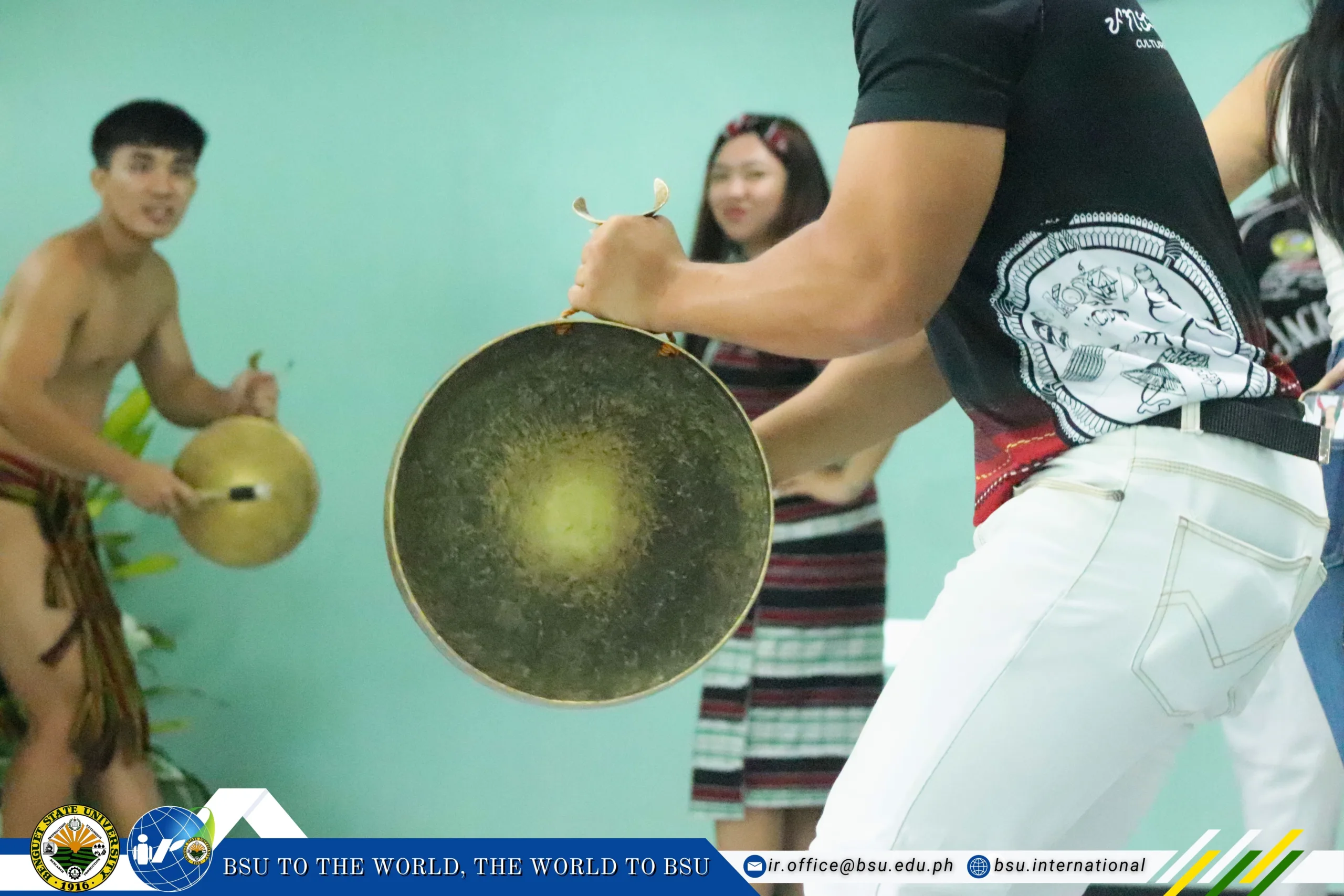
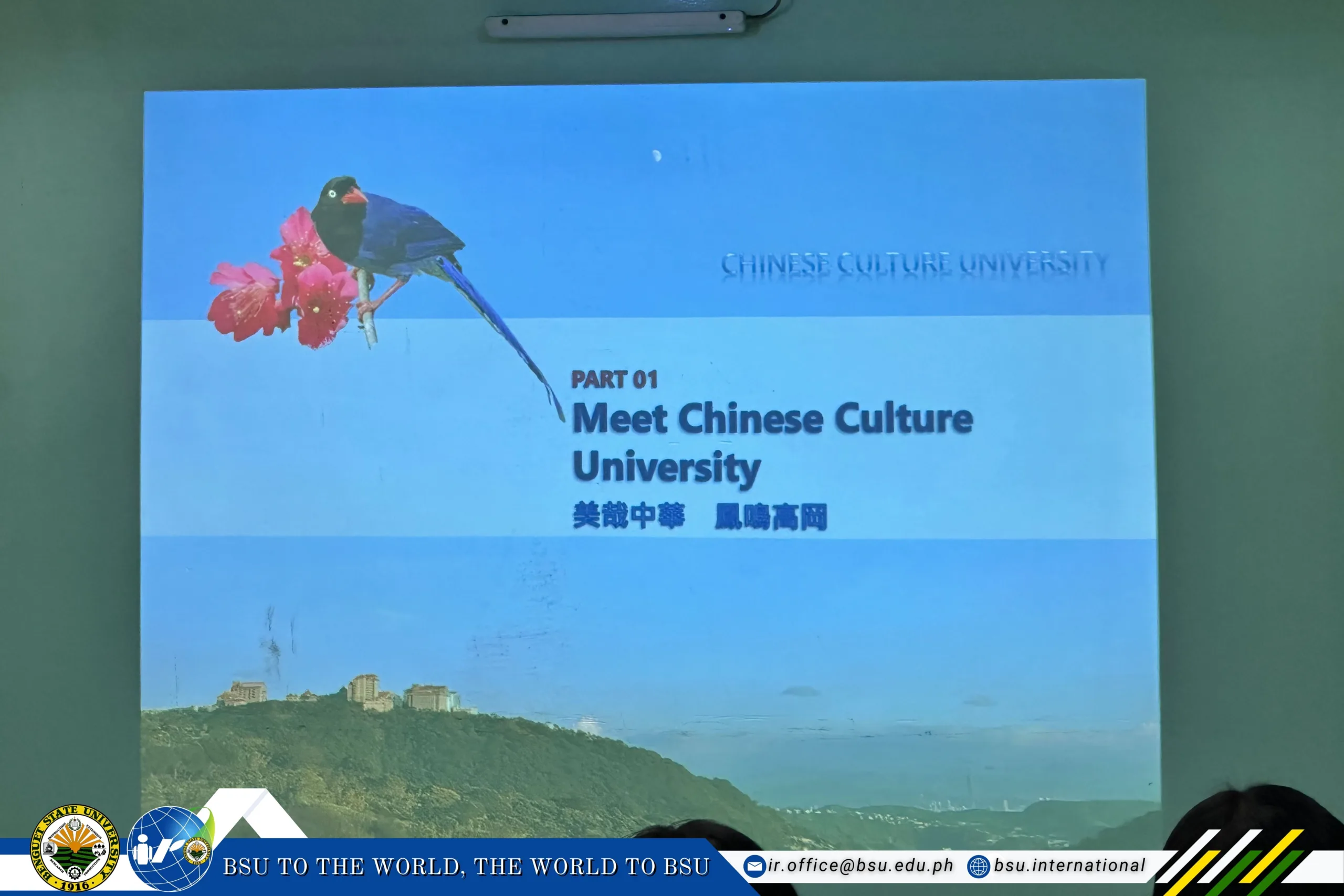
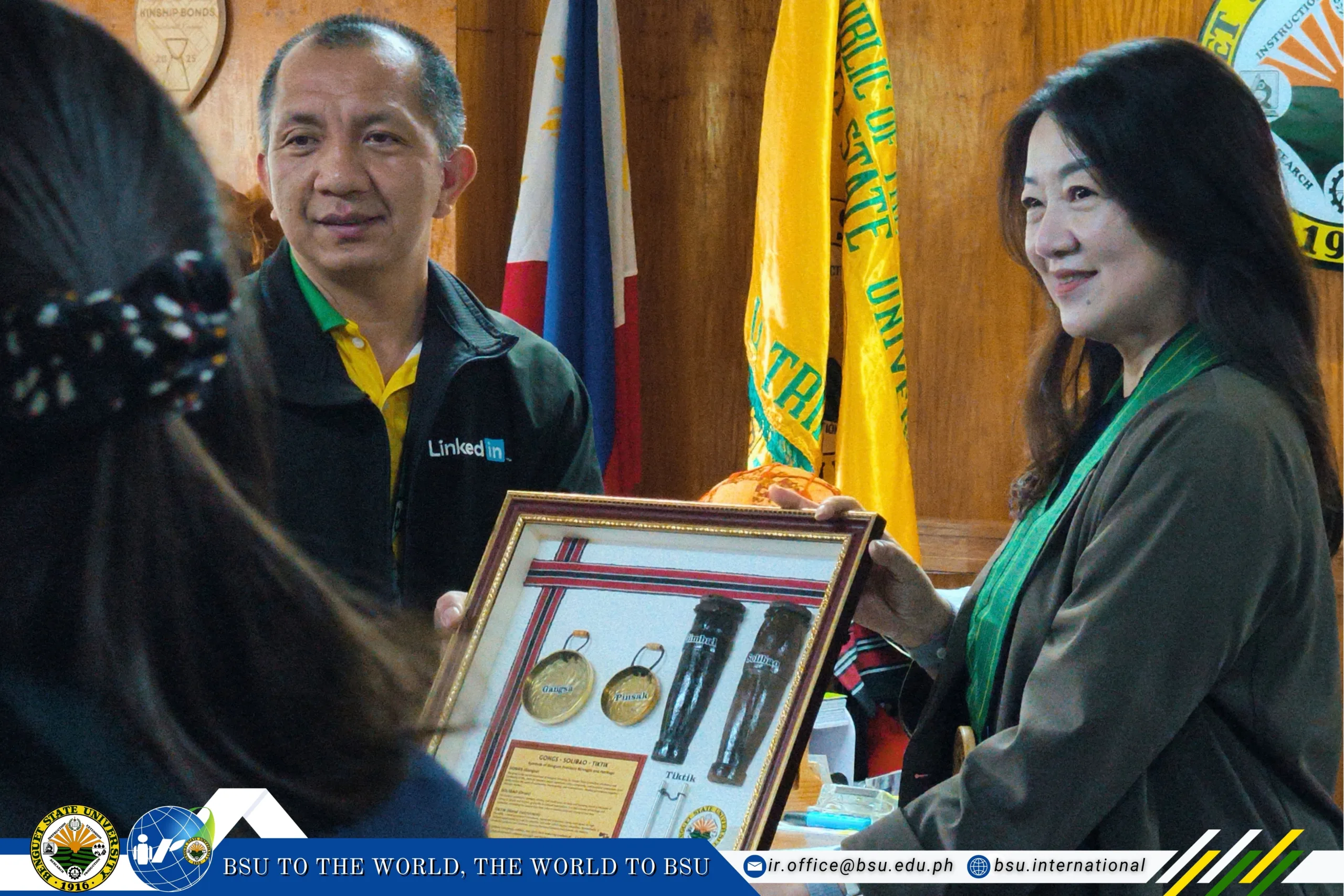
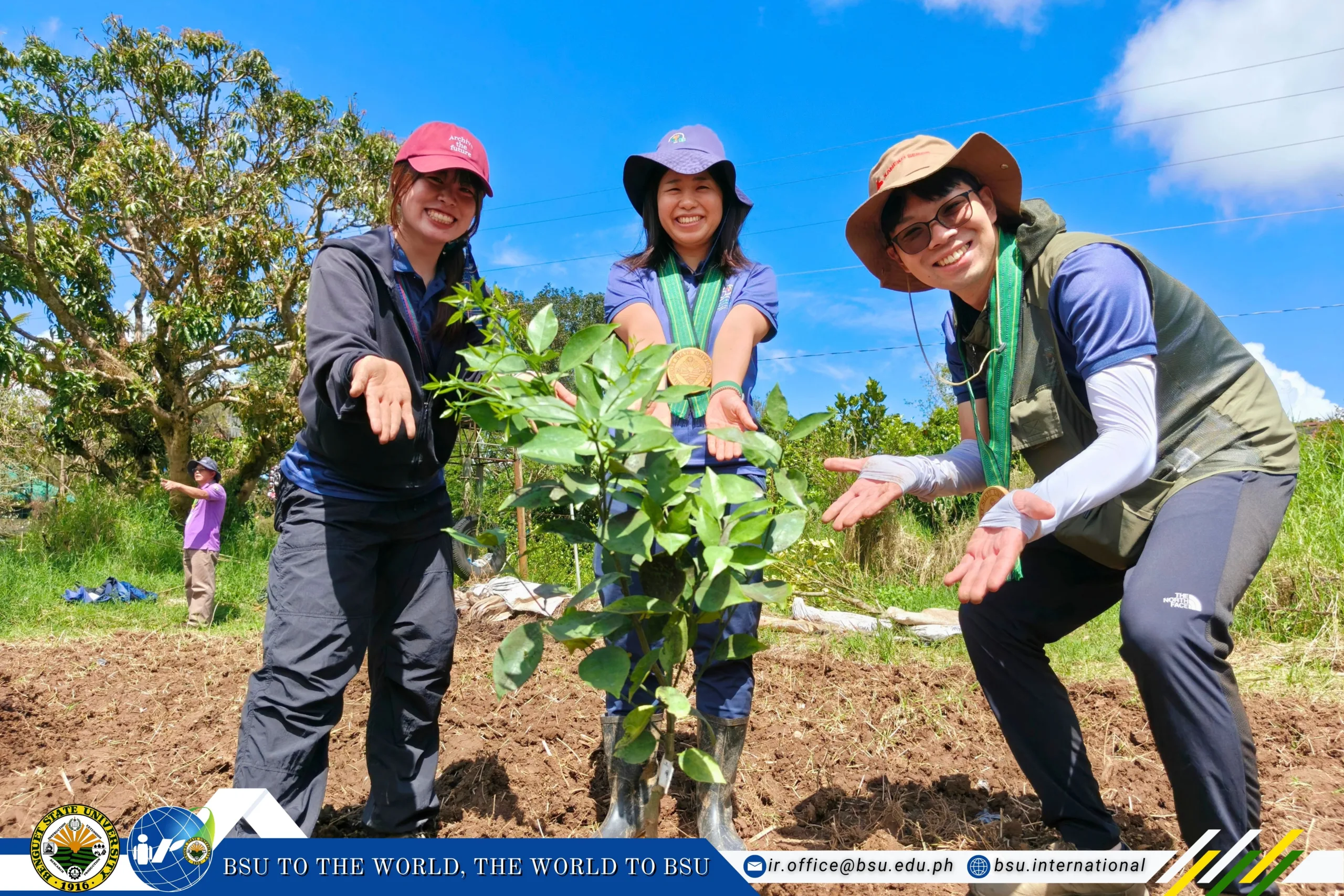
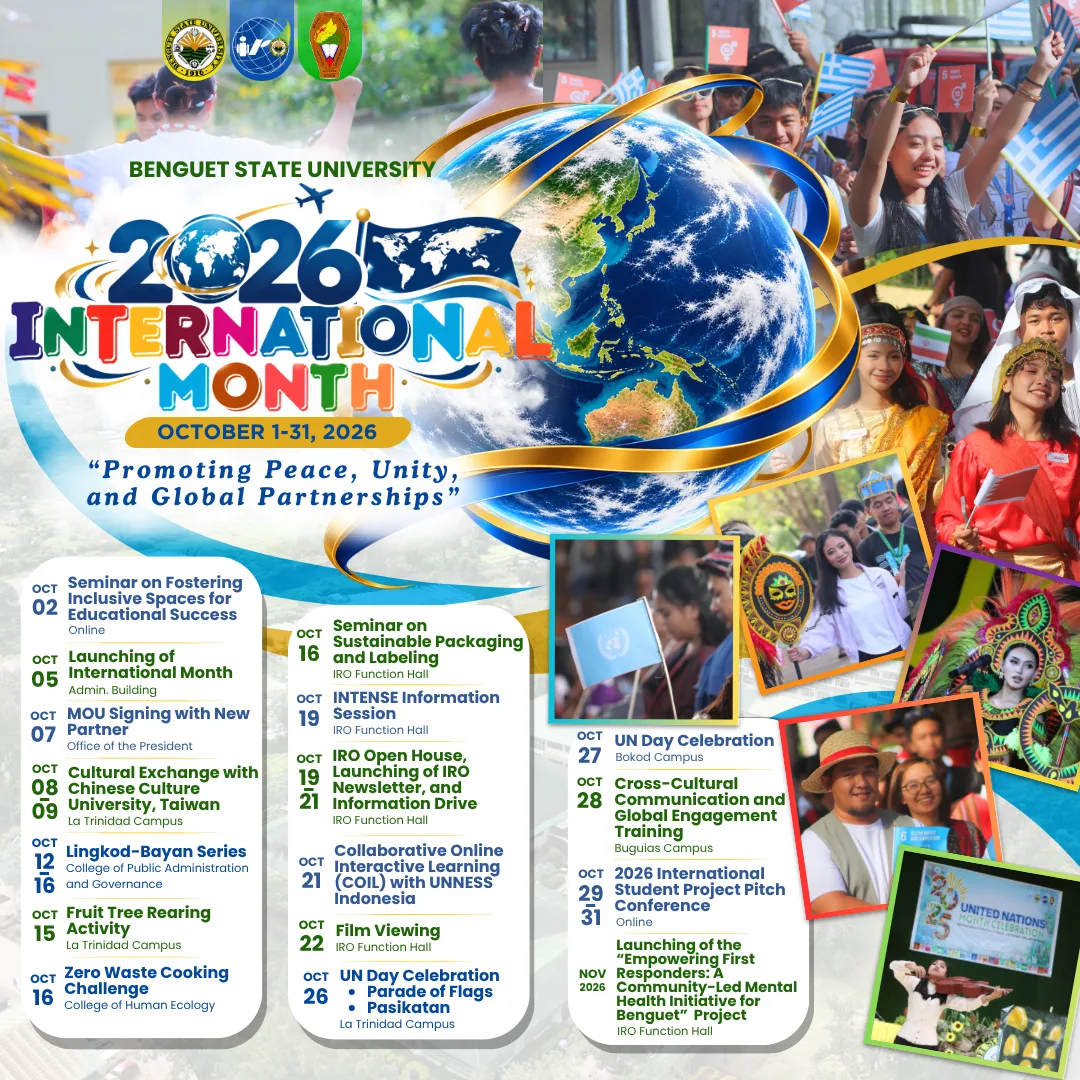
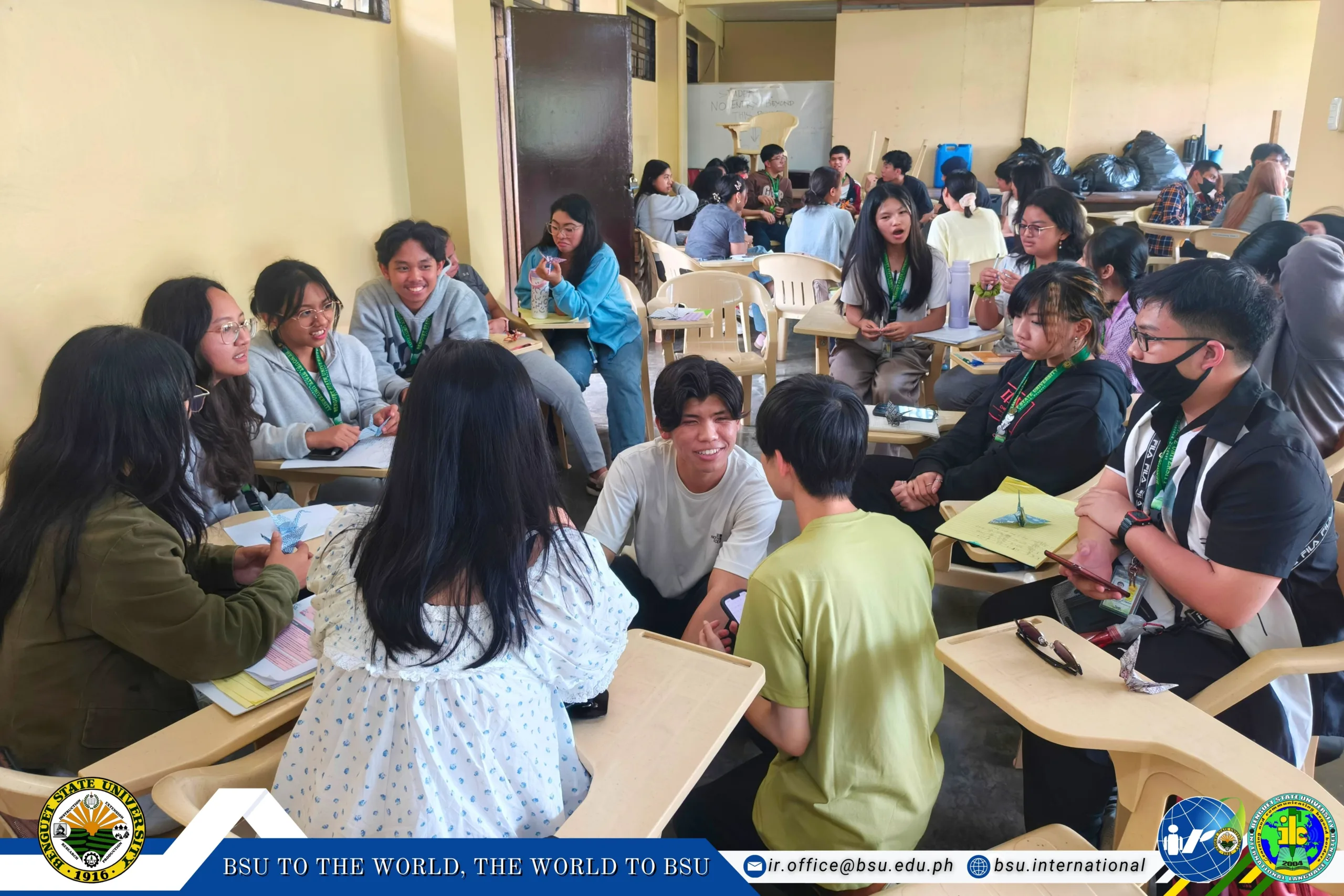
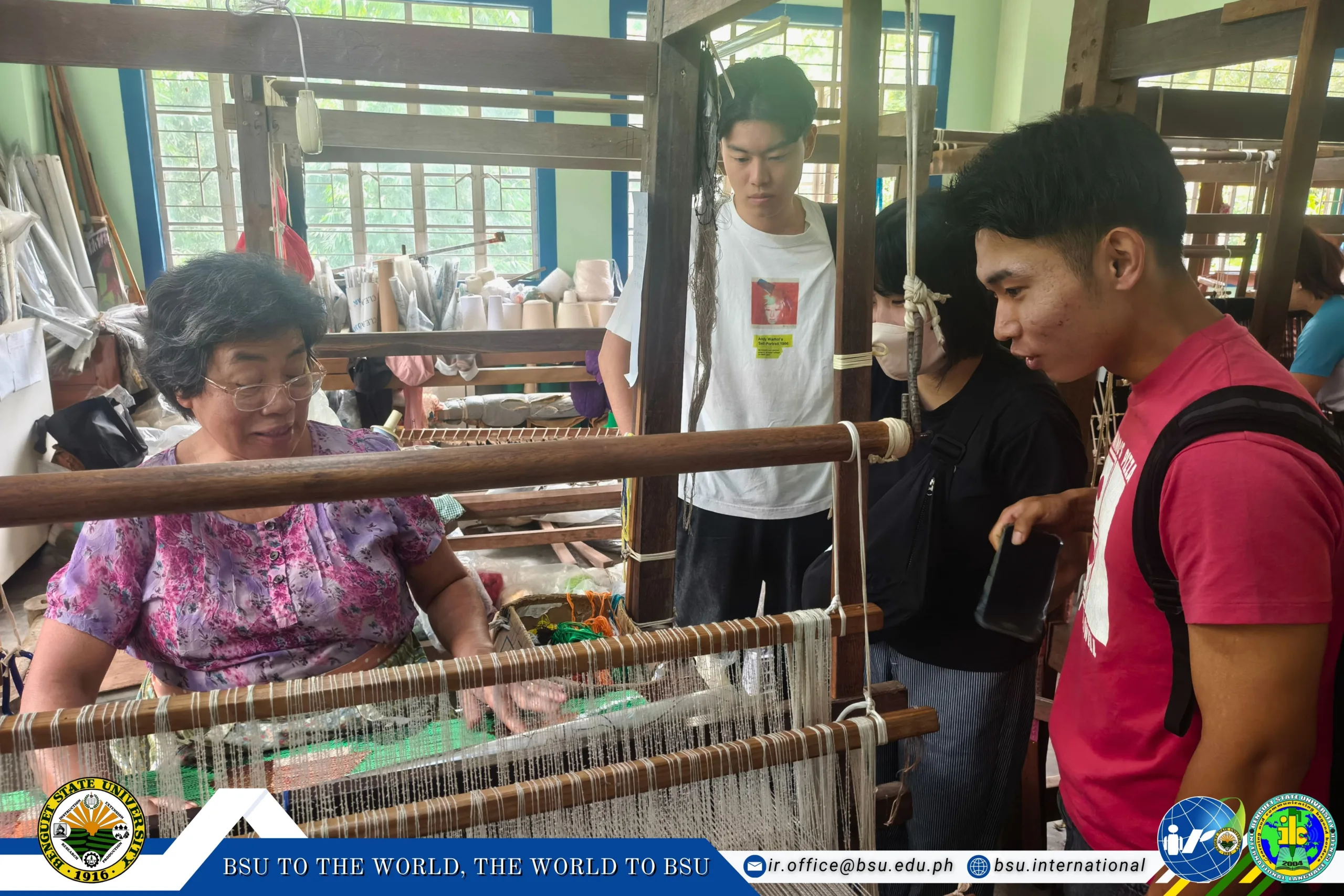
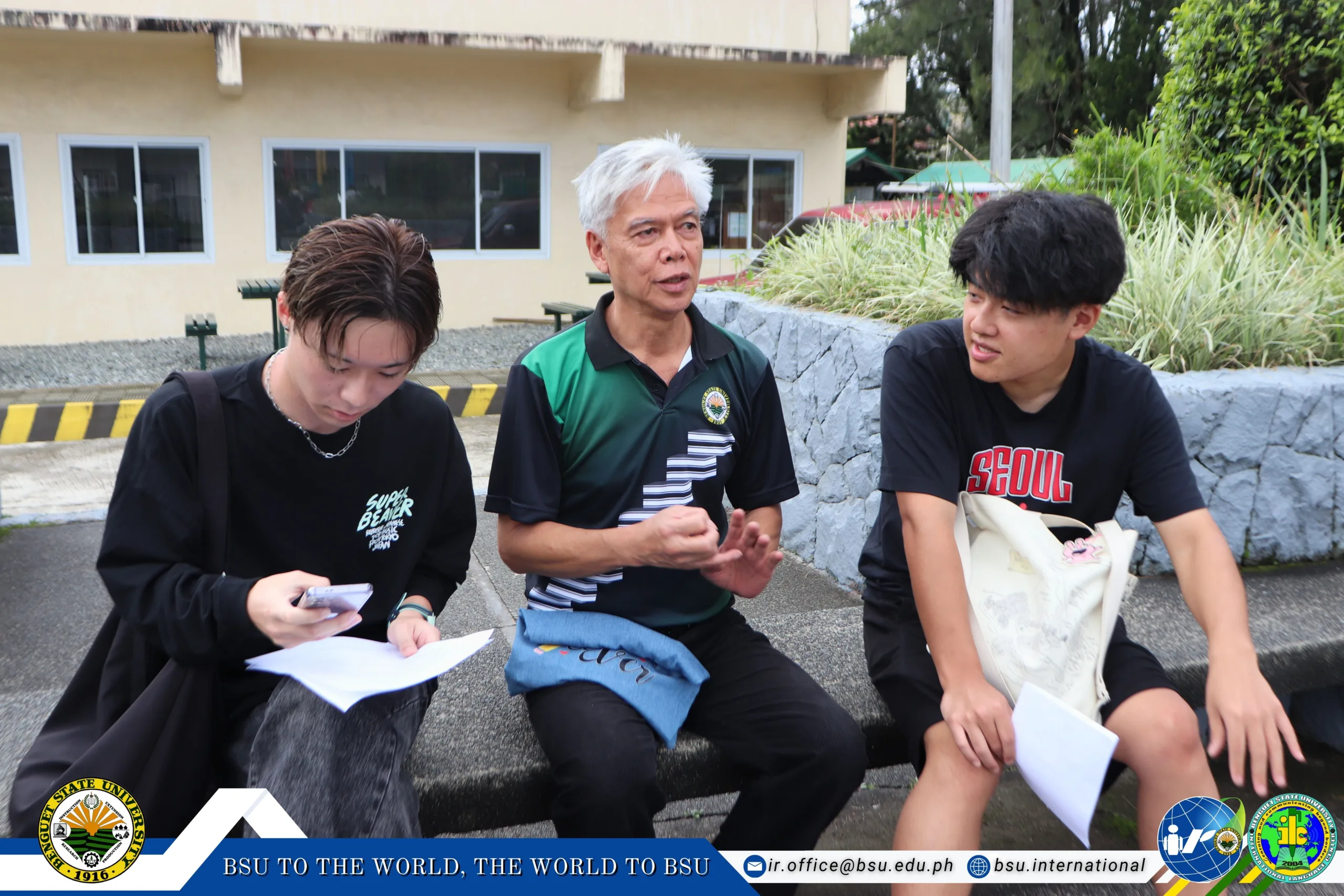
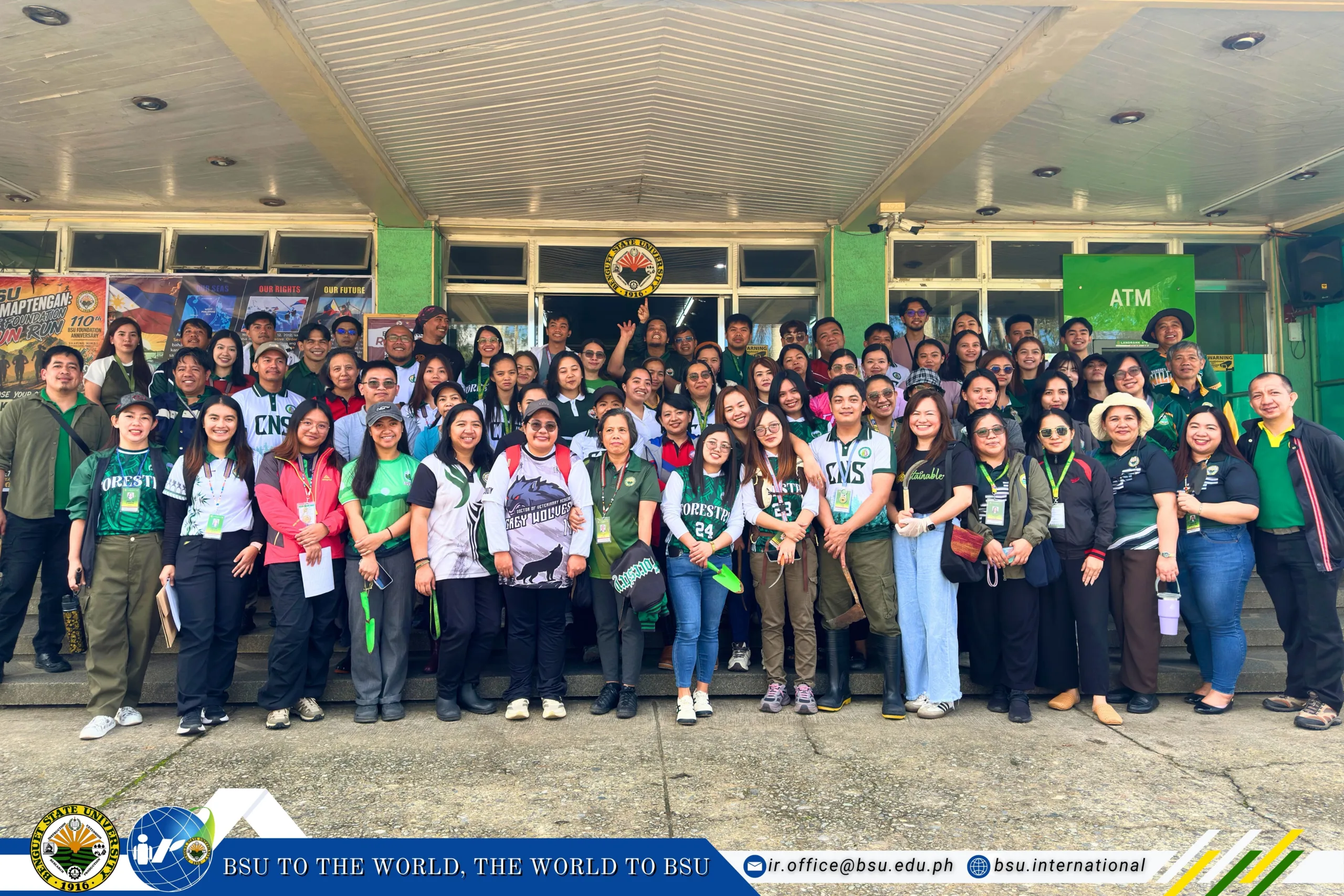
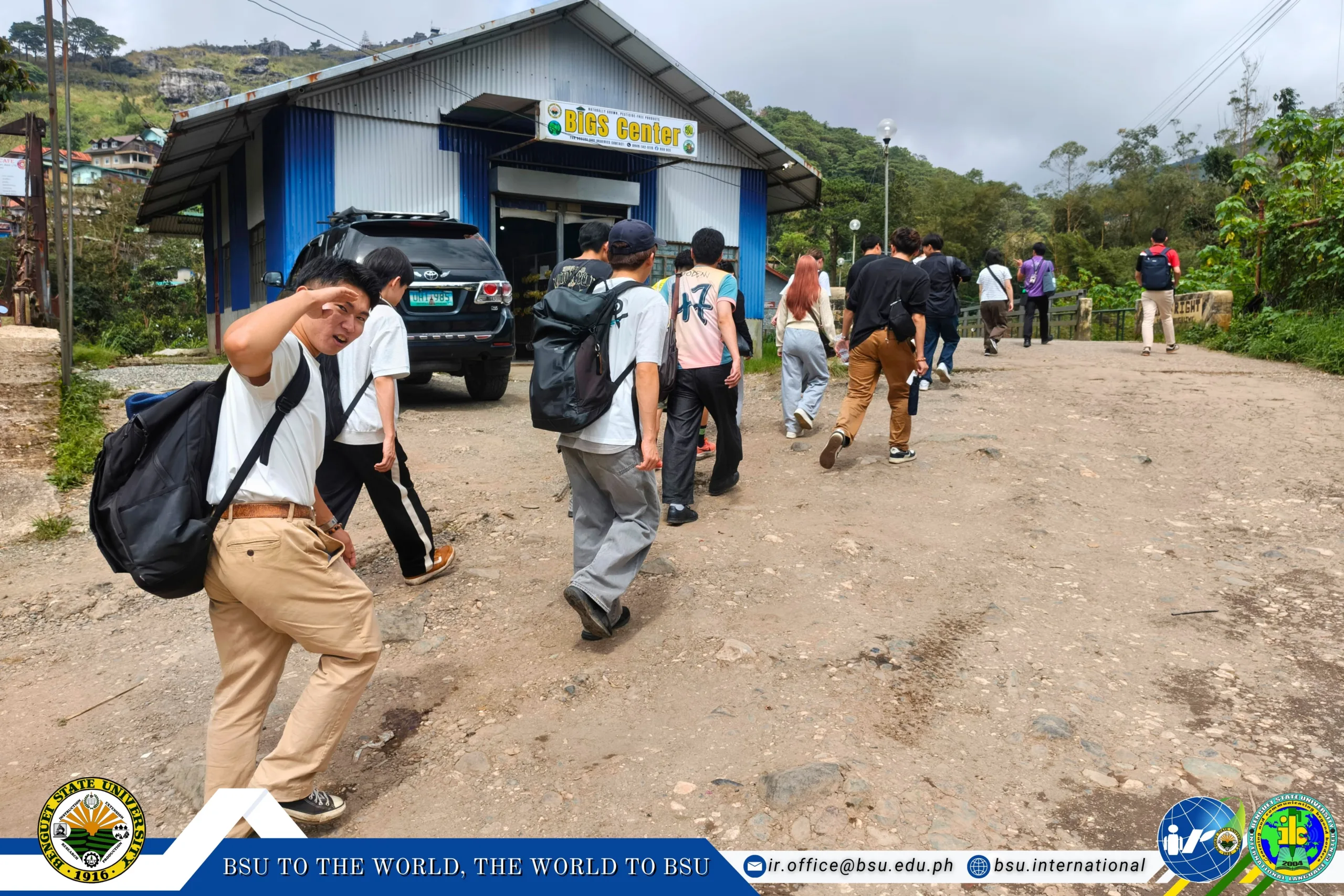
On October 28, 2026, the Benguet State University (BSU) Buguias Campus, in collaboration with the International Relations Office (IRO), successfully hosted the Cross-Cultural Communication and Global Engagement Training: Celebrating BSU International Month 2026. Held at the Function Hall, Cymbidium Bldg., BSU-Buguias Campus, the event anchored its momentum on the theme: “Strengthening Internationalization at Home through Cordillera Cultural Heritage & Global Linkages.”The day started early with an energetic assembly and an International/UNO Flag Parade of the faculty and students. The program proper began with an opening prayer led by Aldrin C. Guaki (Faculty, CTE and Dept. Chairman, TVED). Jerry S. Landacan, PhD (Division Head, Planning and Development), delivered the opening remarks, welcoming representatives from the La Trinidad campus and emphasizing a core message: “We should appreciate differences rather than fear them.” This was followed by the rationale of the activity presented by Janthor Gideon W. Ambrosio, IRO Coordinator of Buguias Campus.
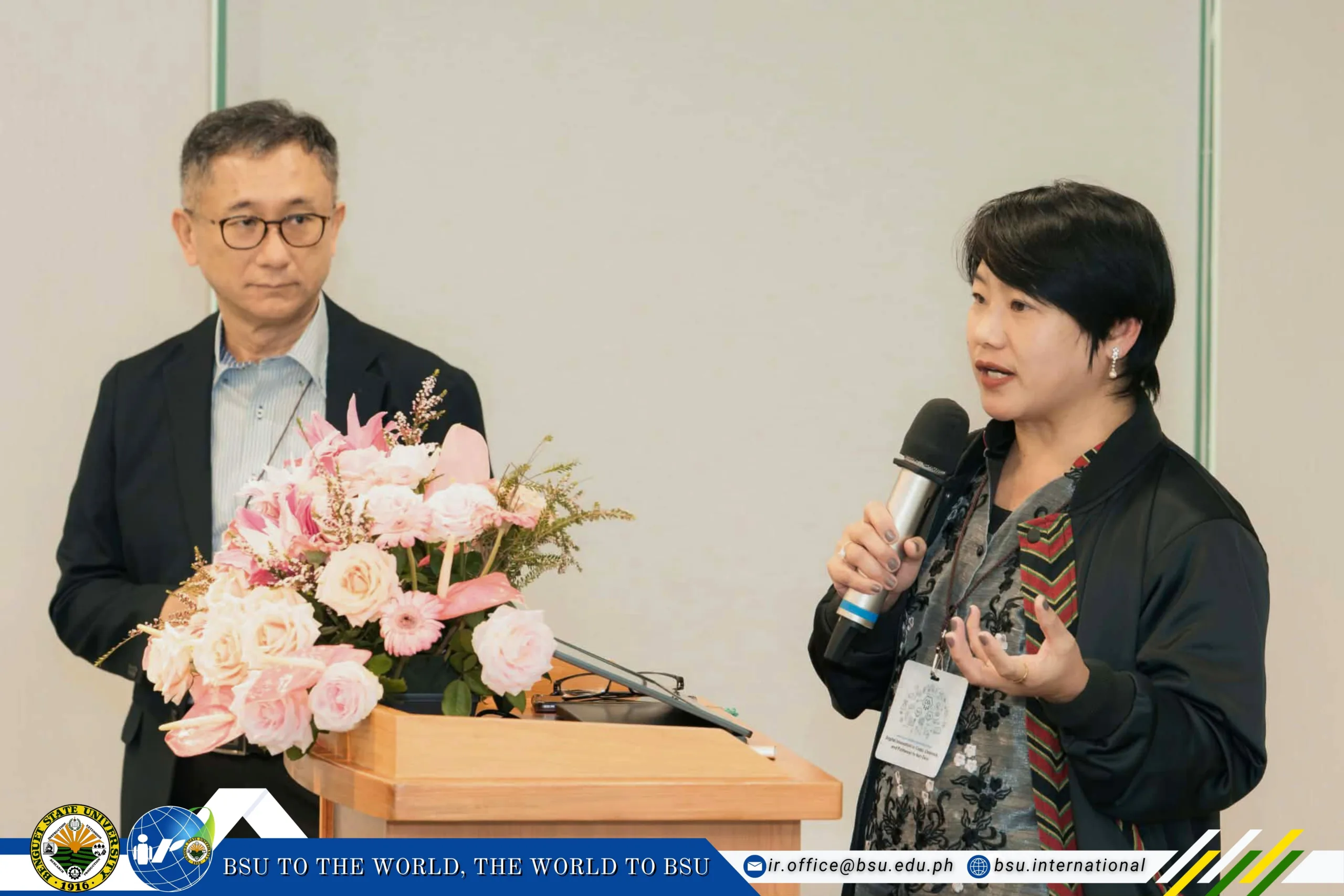
The morning’s key highlight was the Orientation on BSU Internationalization Programs and Pathways, led by Racquel Fatog, IRO staff. The orientation introduced the five internationalization programs: BUILD, which covers the establishment of internationalization initiatives, academic and research exchanges; ACE, which focuses on academic collaborations, student and faculty mobility, including inbound and outbound exchanges; RISE, which promotes international research partnerships and research dissemination; MAP, which fosters an international and multicultural university environment; and ASSIST, which strengthens institutional support through international linkages, membership applications, and other initiatives that support the university’s internationalization efforts. After her presentation, a Q&A session was also opened for the participants to ask more about the programs.
Following a health break, Reslyn G. Capuyan (Faculty, CAH and Dept. Extension Coordinator) facilitated an engaging session on Language Learning in Cross-Cultural Learning. The session started with an icebreaker focused on proper grammar and sentence construction. Capuyan stressed, “Grammar is important, huwag nating i-fossilize ang kaya nating ayusin” (let us not compromise what we can fix/arrange), reminding participants that language precision matters. The discussions covered the parts of a dictionary, pronunciation (IPA symbols, stress, choosing the right words, interpreting meanings, bias-free language), politically correct words, time frequency, punctuation marks, order of adjectives, prepositions, and parallelism. An important takeaway from the session noted was, “We do not just use AI; we are more capable/smarter than that.”
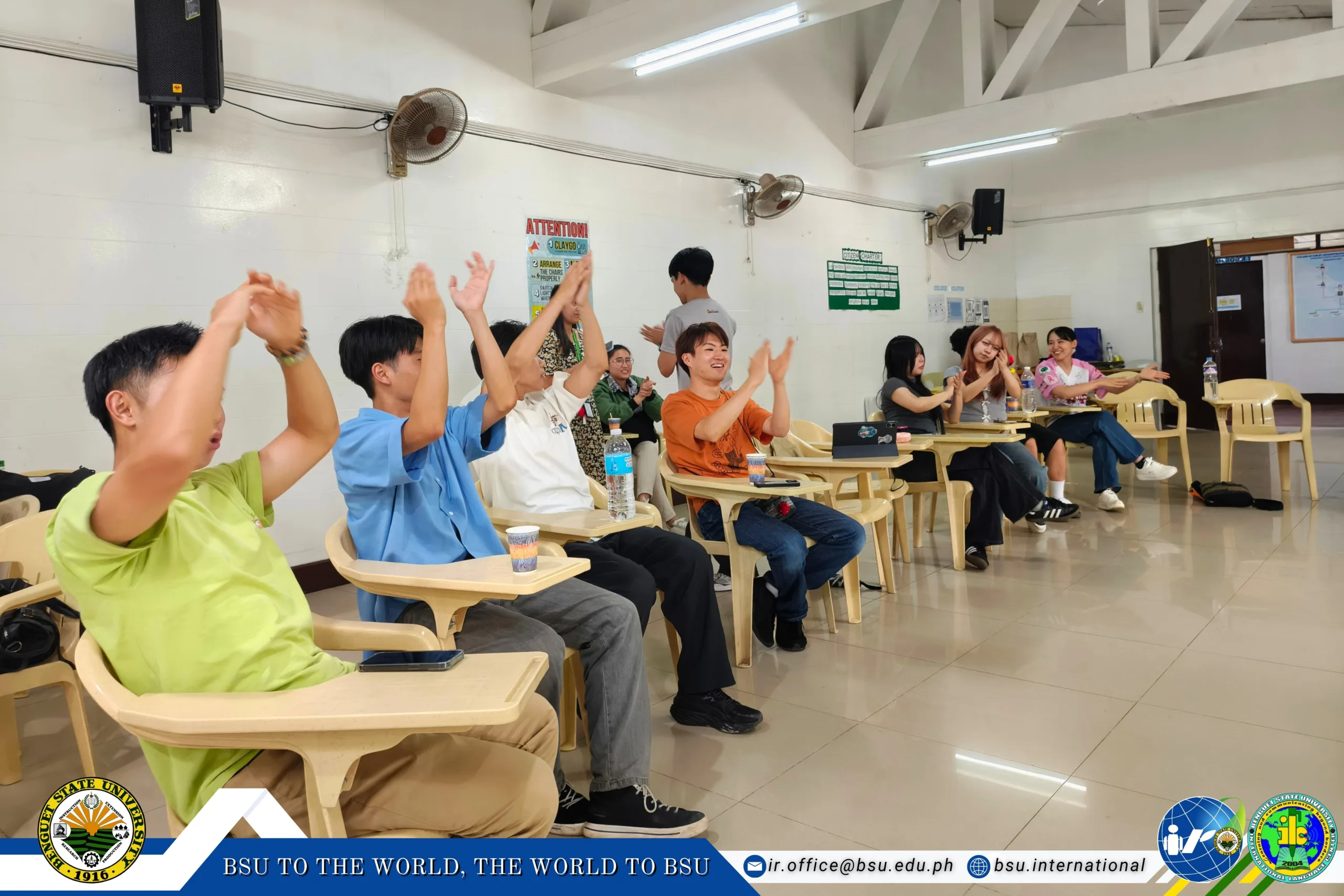
The afternoon session started with an icebreaker led by Ma’am Rio Ann B. Arcero, setting an energetic tone for the subsequent discussions. The discussion of Reslyn G. Capuyan continued with the topic of Multi-Cultural Education as a Challenge to Global Teachers. She discussed how schools should be transformed so that students from diverse backgrounds have equal opportunities, highlighting James Kaw. She also highlighted that multicultural education requires valuing differences in prior knowledge, experiences, familiarities, and histories. A poignant reminder from the session urged participants:”Let us be kind, sensitive, and let us not be someone who students can hide who they really are.”
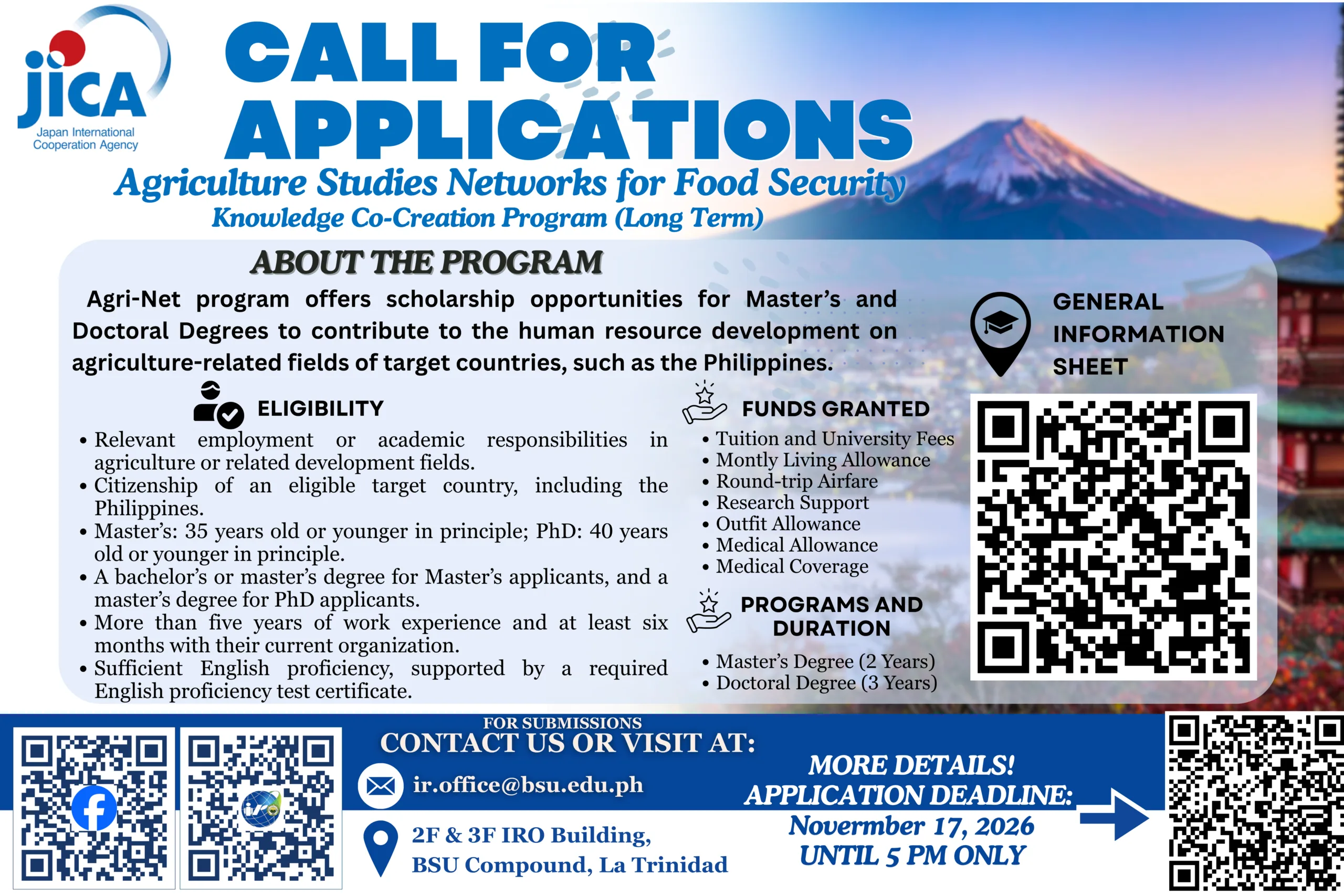
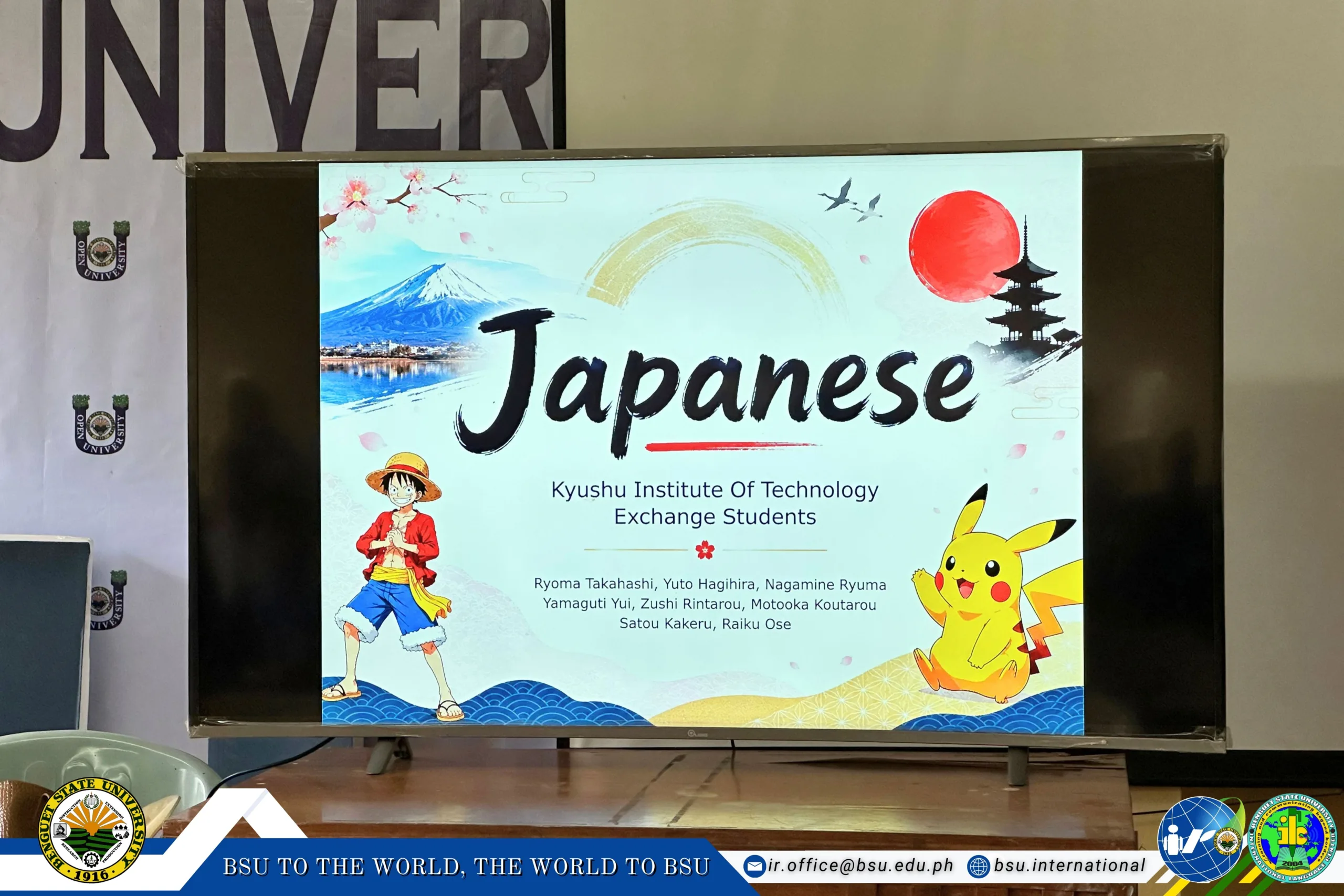
JICA-JOCV Volunteer Otoha Kikuchi took participants on a virtual and cultural journey to Japan. The discussion explored iconic Japanese foods, landmarks (Mt. Fuji, Himeji Castle, Asakusa Shrine, Kimono), popular pop culture (Anime and Akihabara), high-tech advancements (bullet trains/Shinkansen, high-tech toilets), traditional manners (bowing, punctuality, school life), and Japanese agriculture (crops like rice, radish, apple, and plum).
An Open Forum, Workshop, and Evaluation was facilitated by the Buguias Campus IRO Coordinator, allowing students, non-teaching personnel, and faculty to share insights on multicultural dimensions and Japanese culture. Non-teaching staffs and students expressed their gratitude for the insights learned, noting reminders about daily interactions and community activities. Glena G. Alos (Faculty, CCJE and Legal Affairs Coordinator) delivered the synthesis, emphasizing that internationalization is not solely handled by the IRO, but practiced actively by students, teaching, and non-teaching personnel alike. She noted that BSU’s shift to internationalization simplifies global engagement, framing it as an opportunity “to know, to care, to act for the rest of everyone.” //K. Komicho
#BenguetStateUniversity, #BSUtotheWorld, #InternationalMonth2026, #TheWorldToBSU