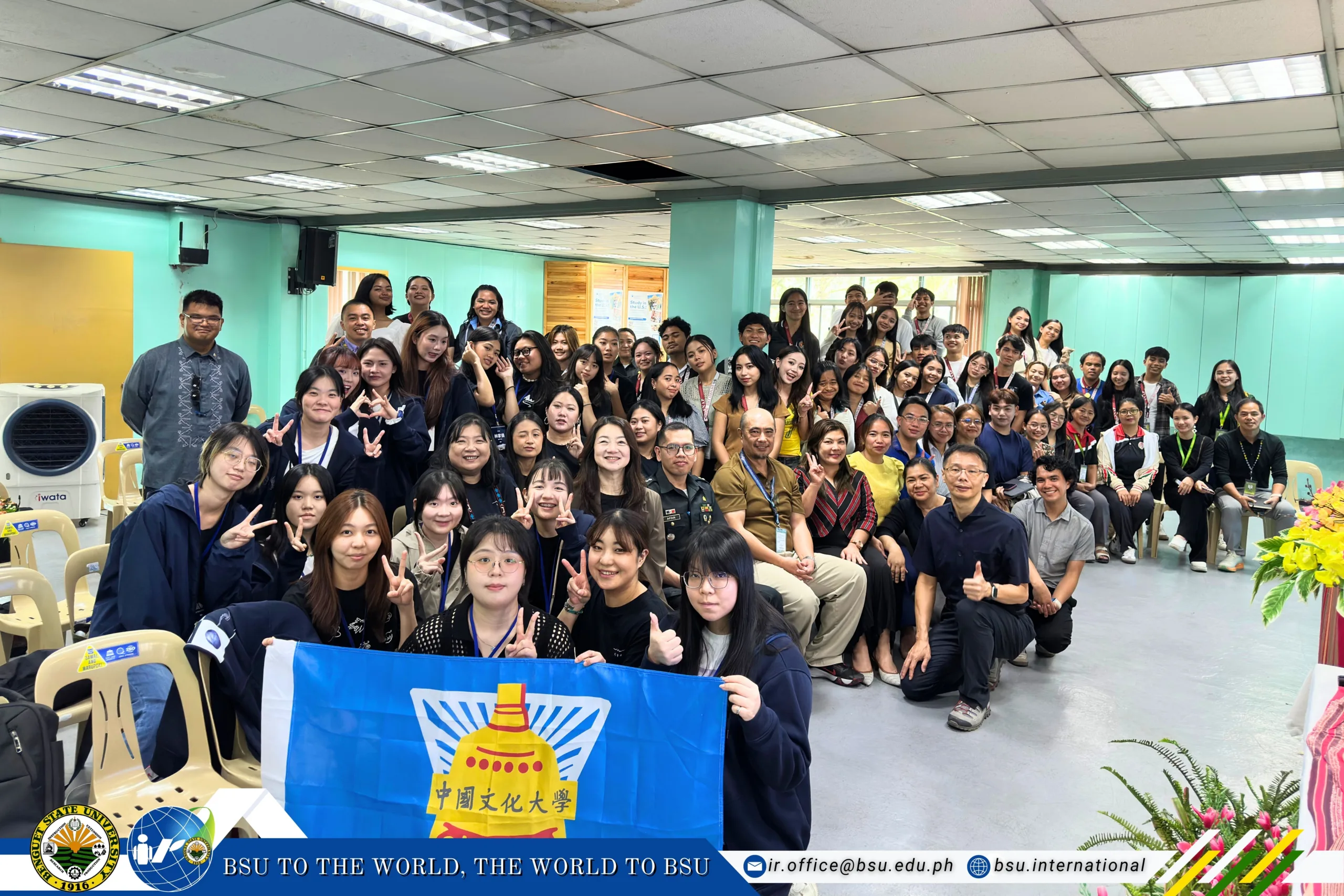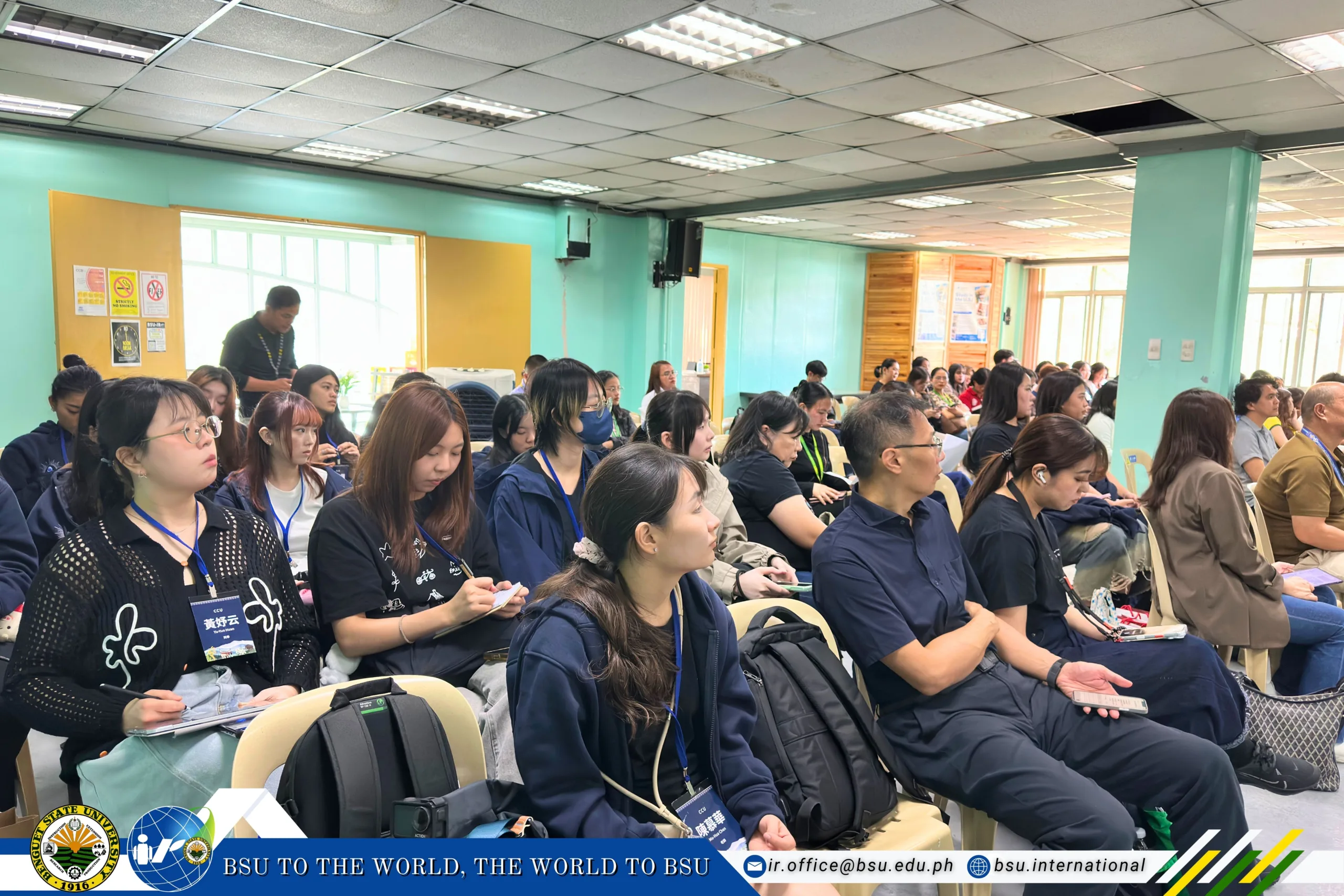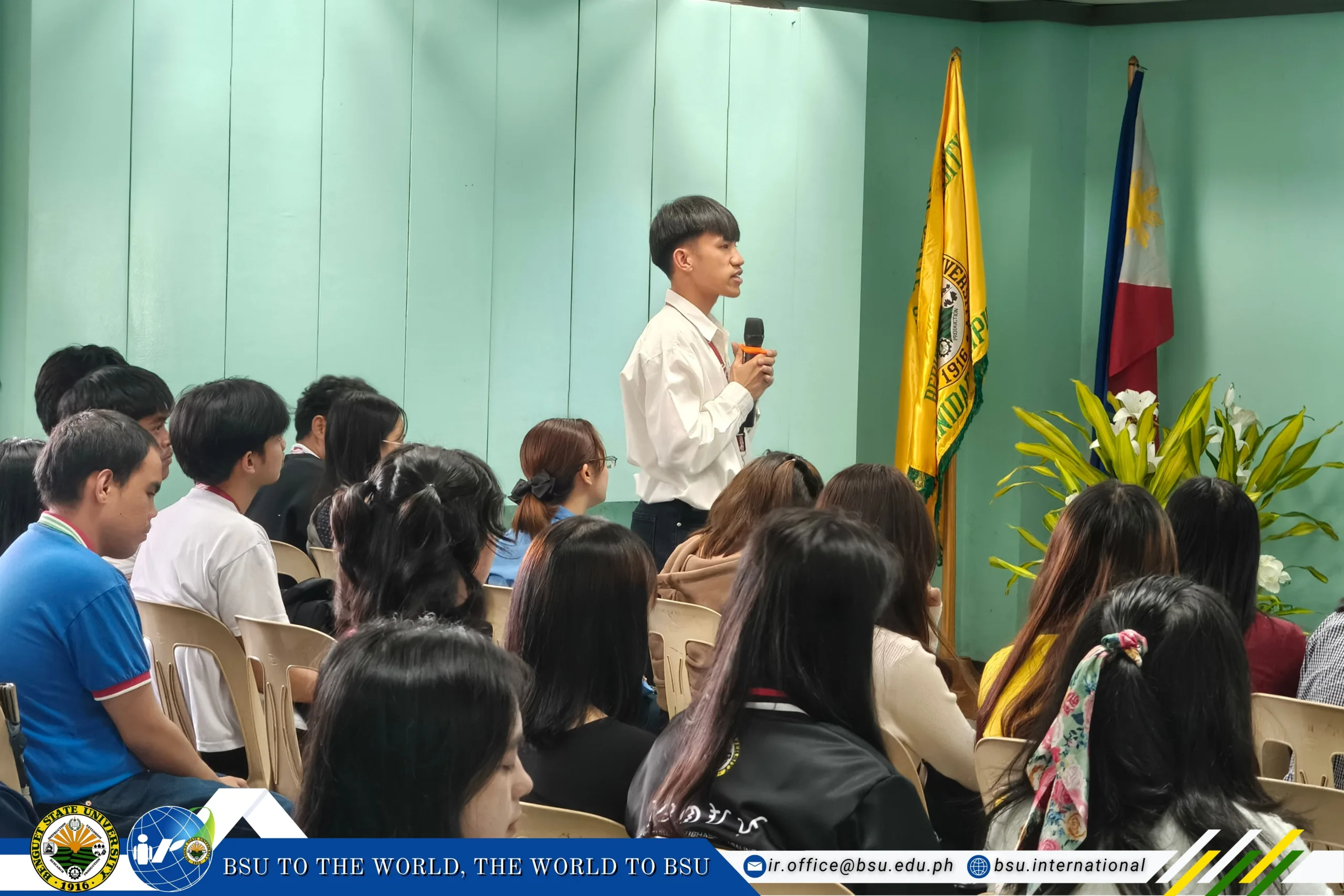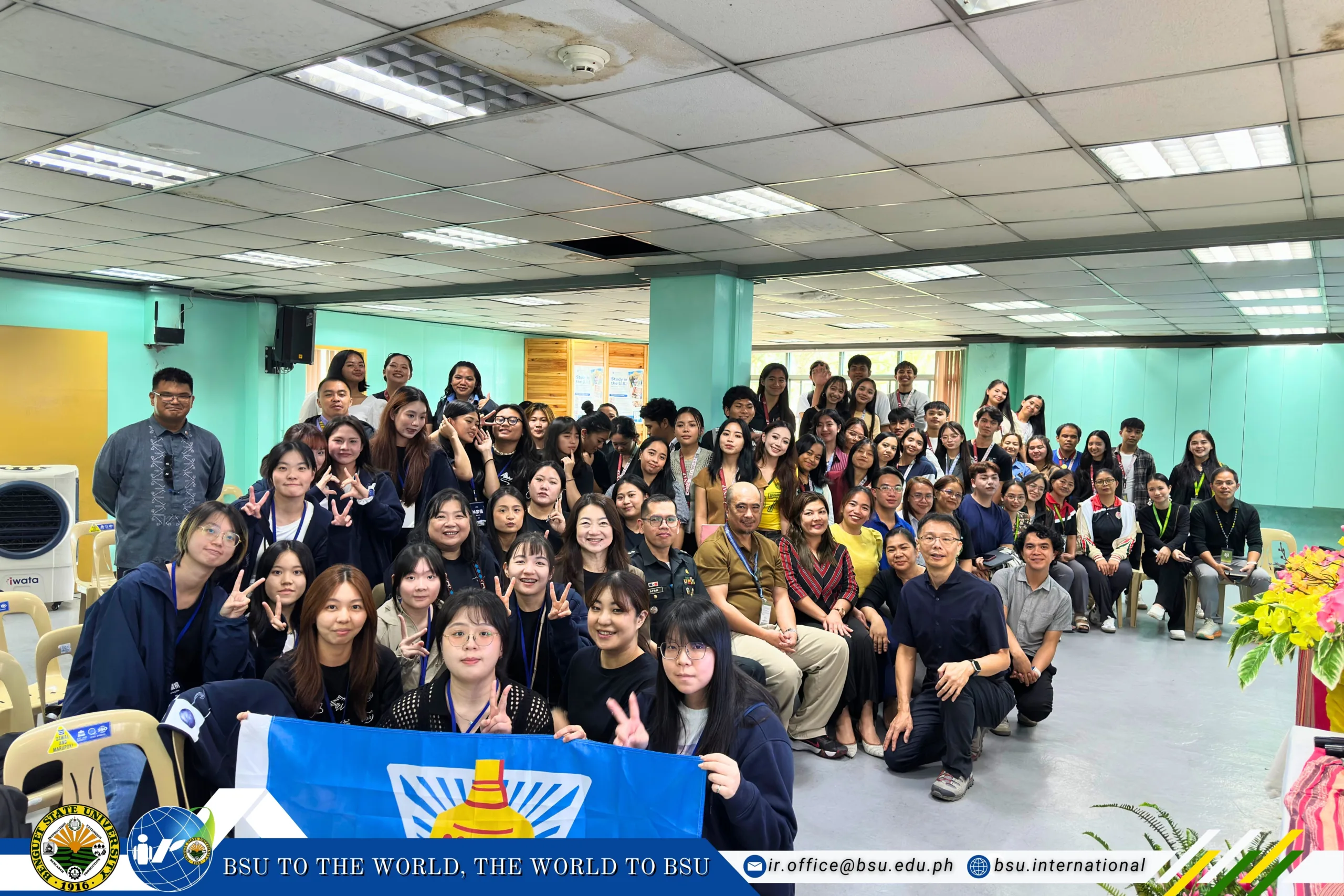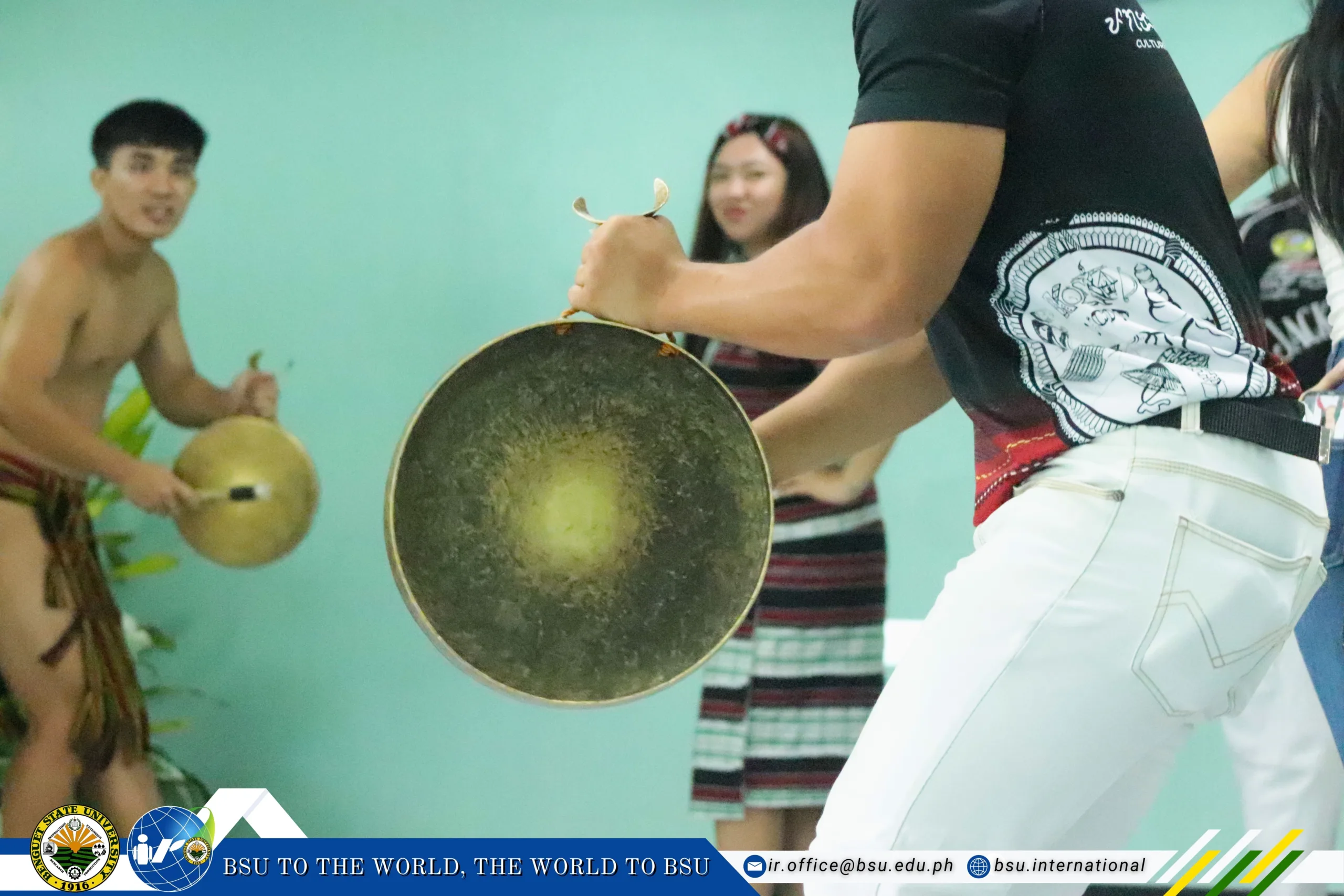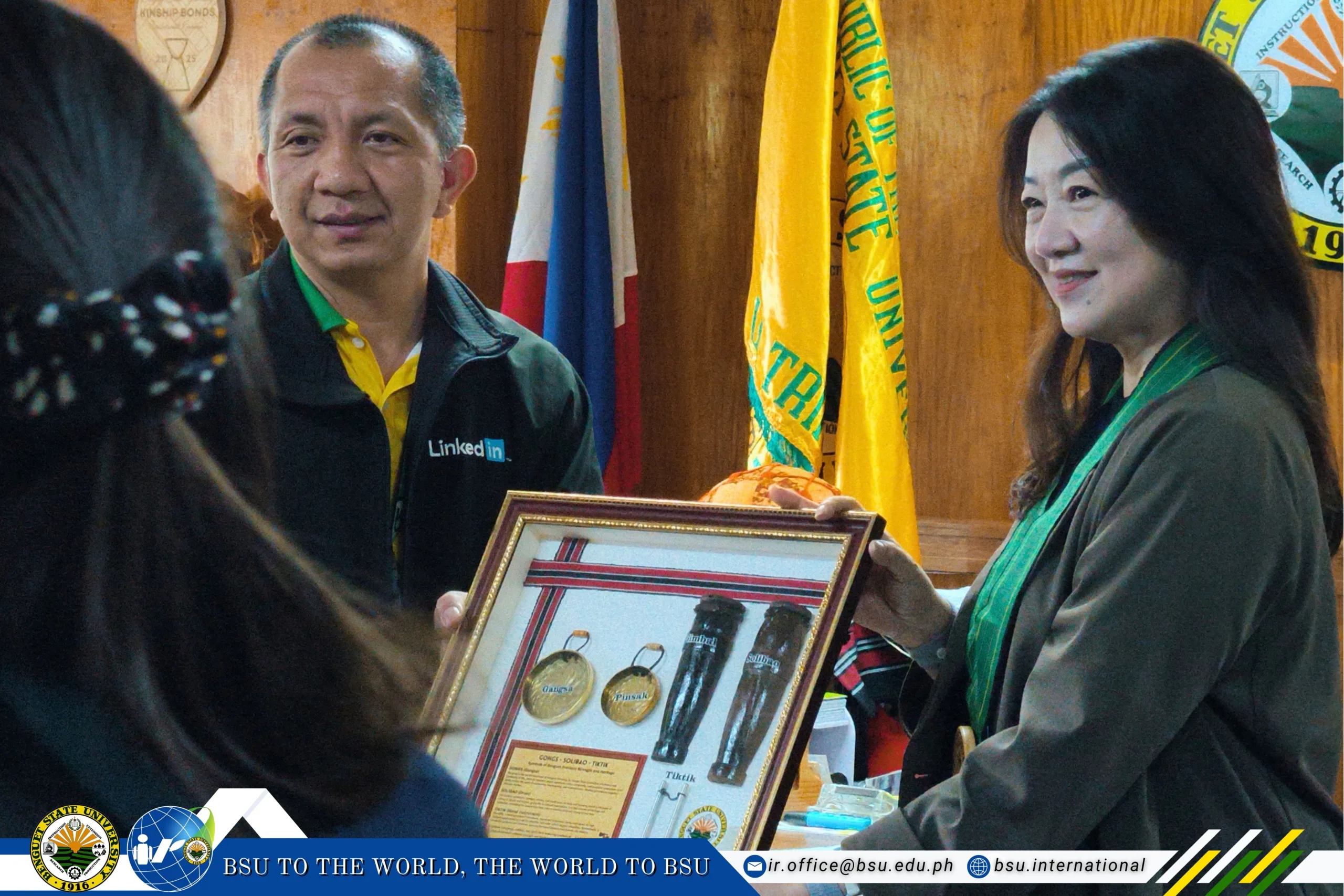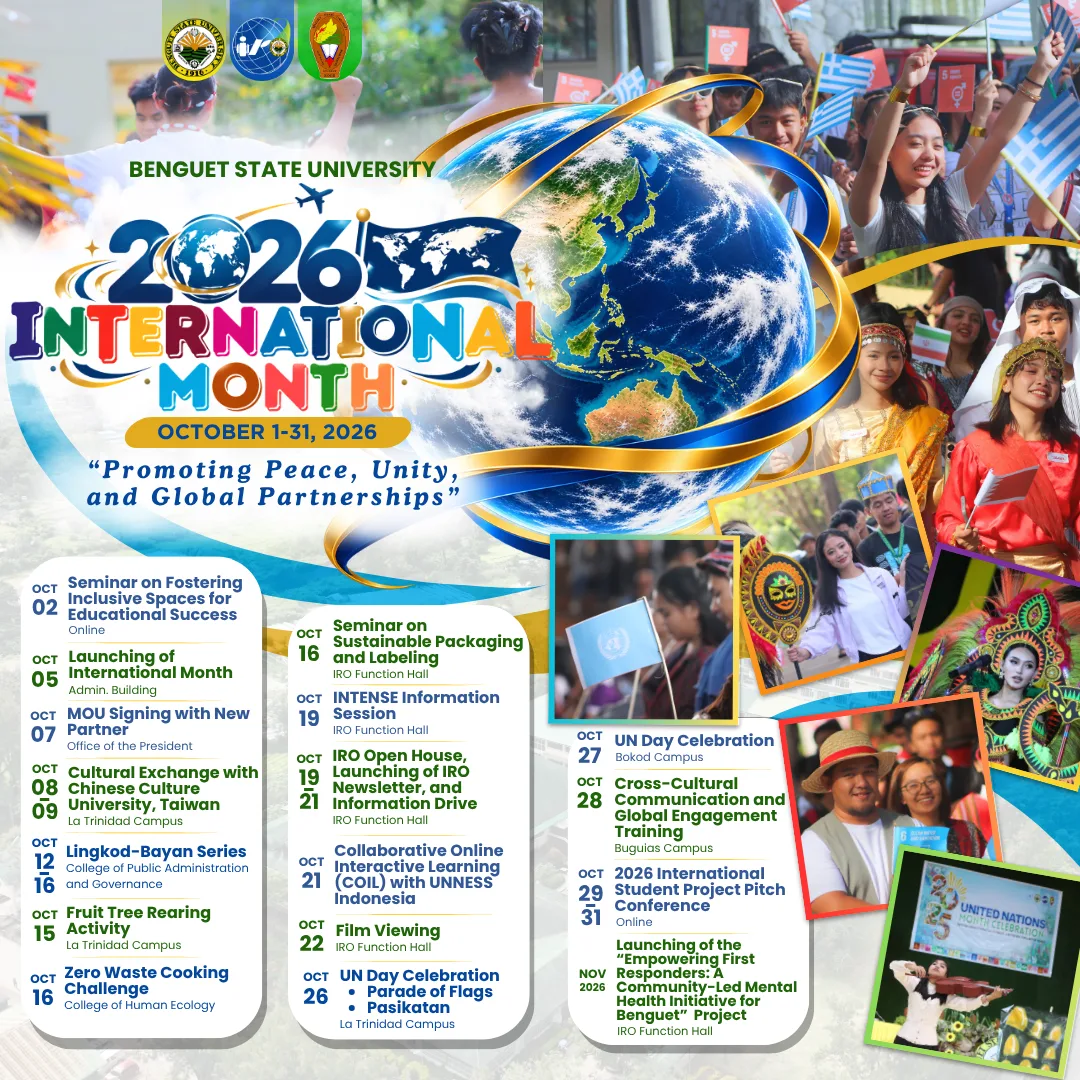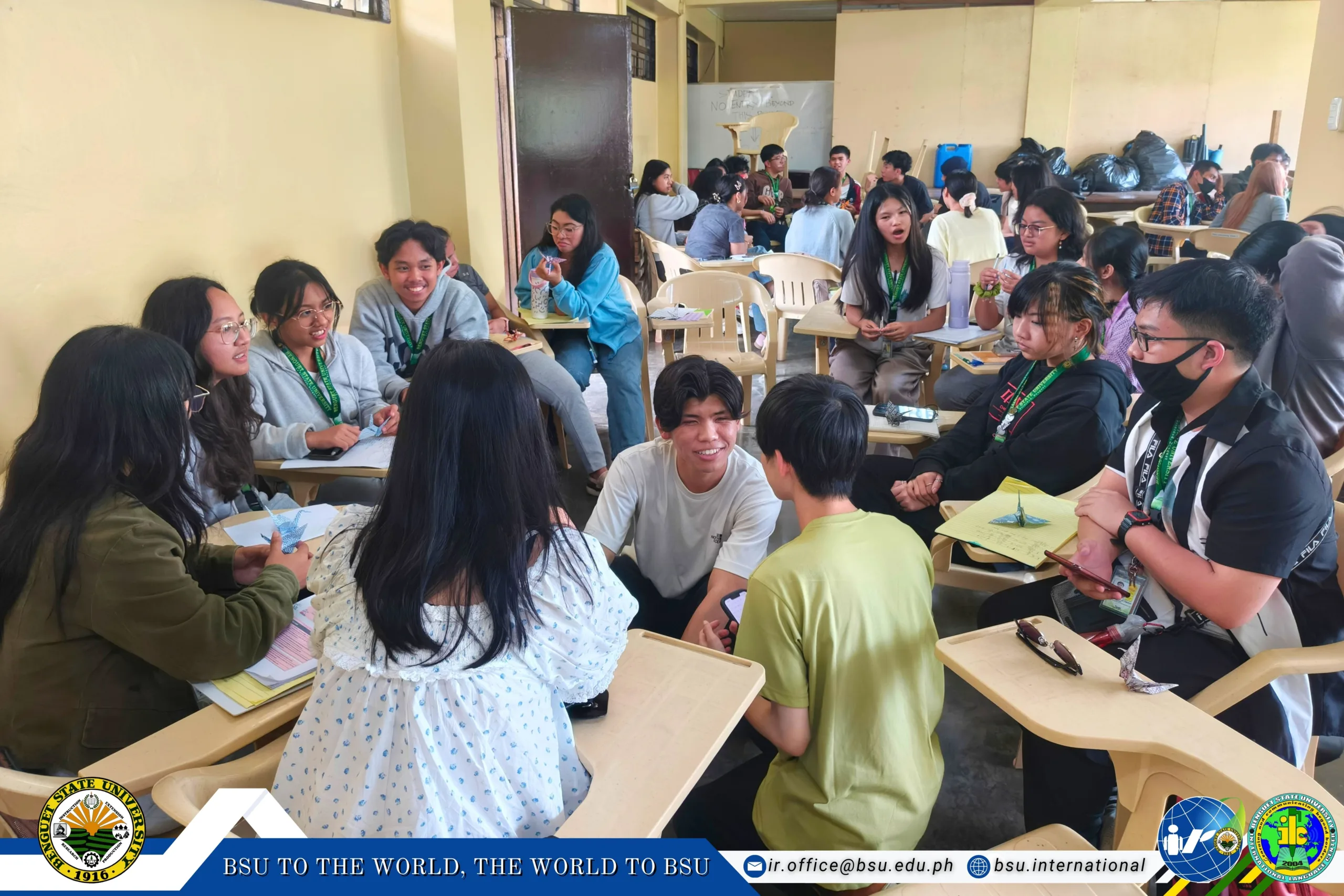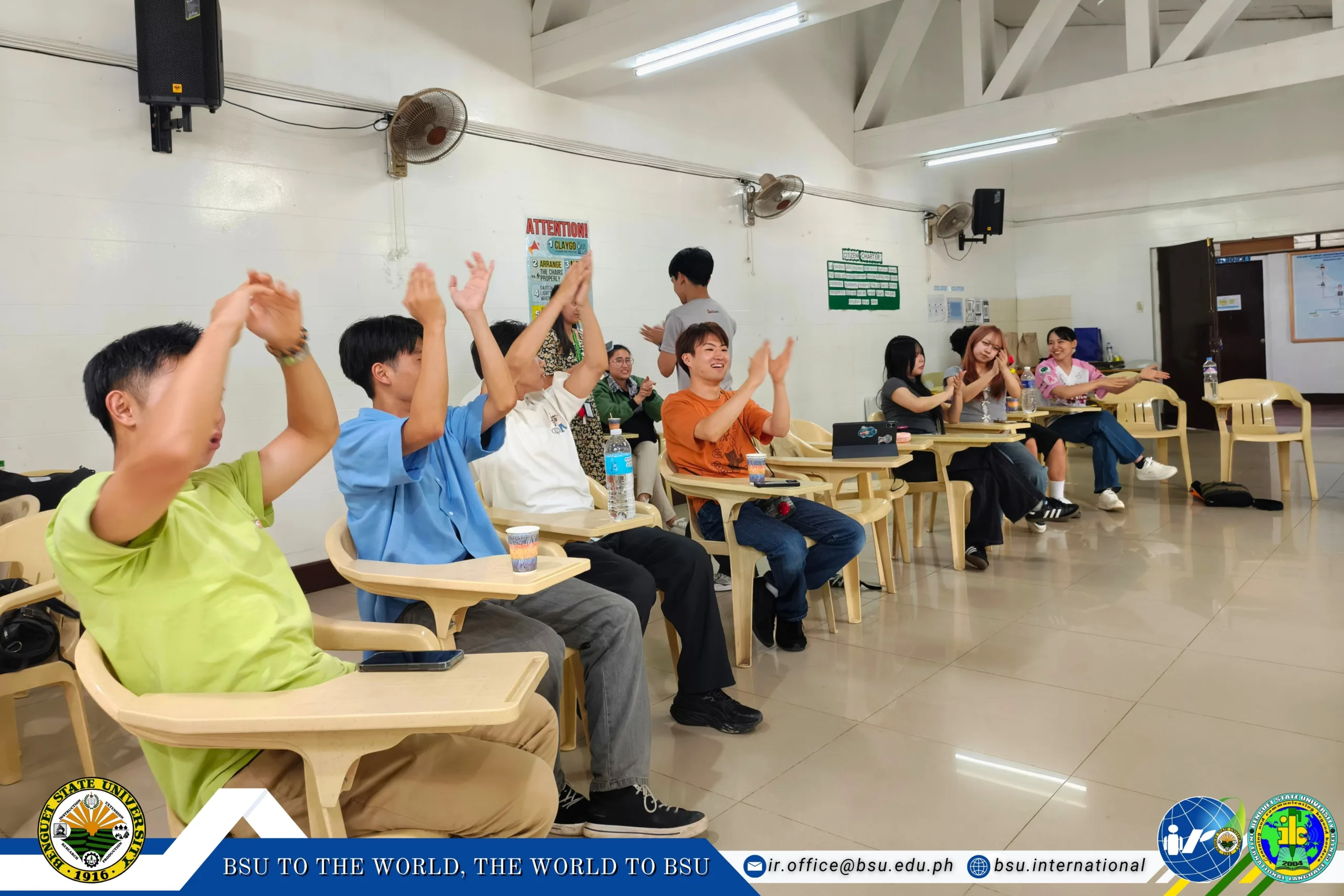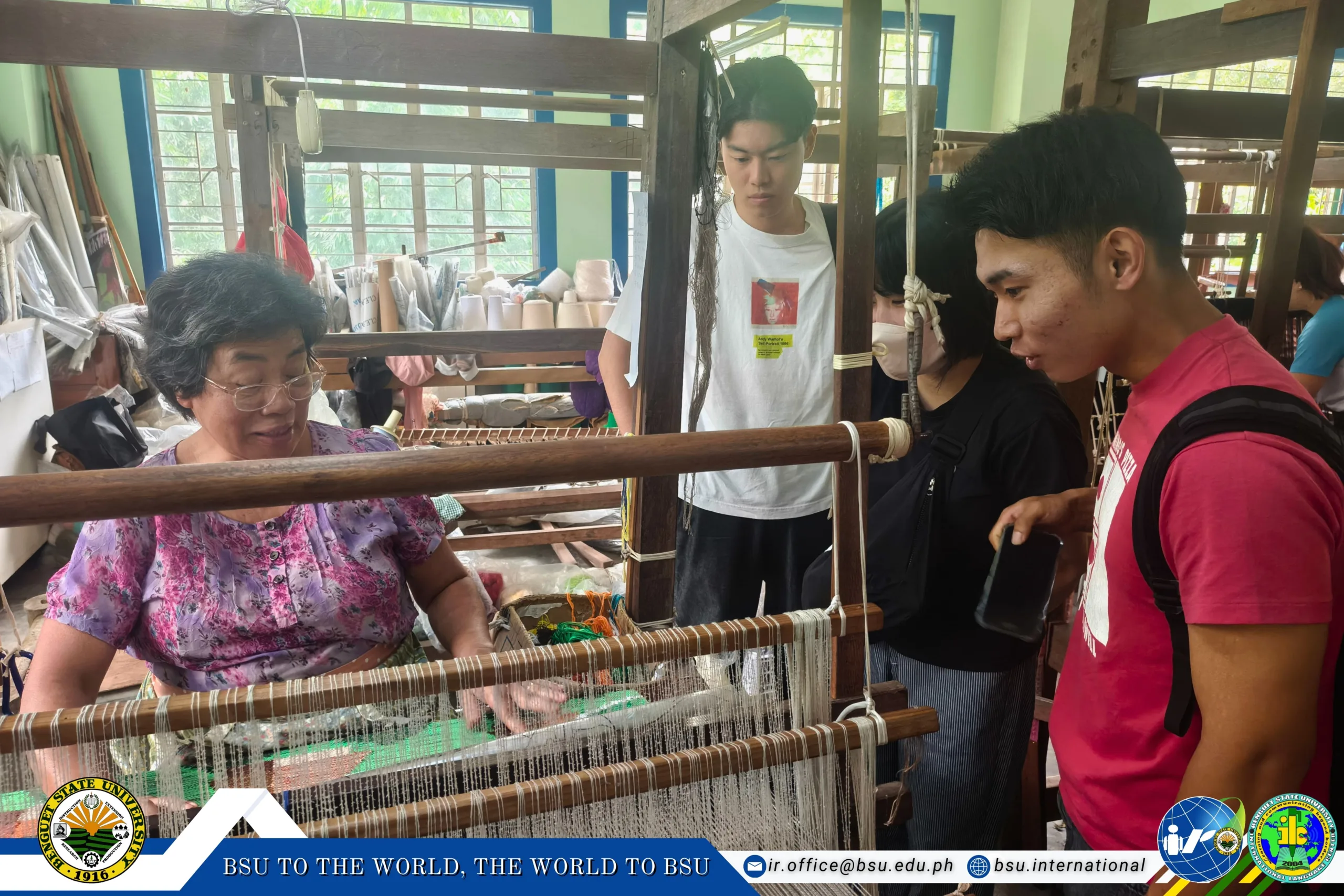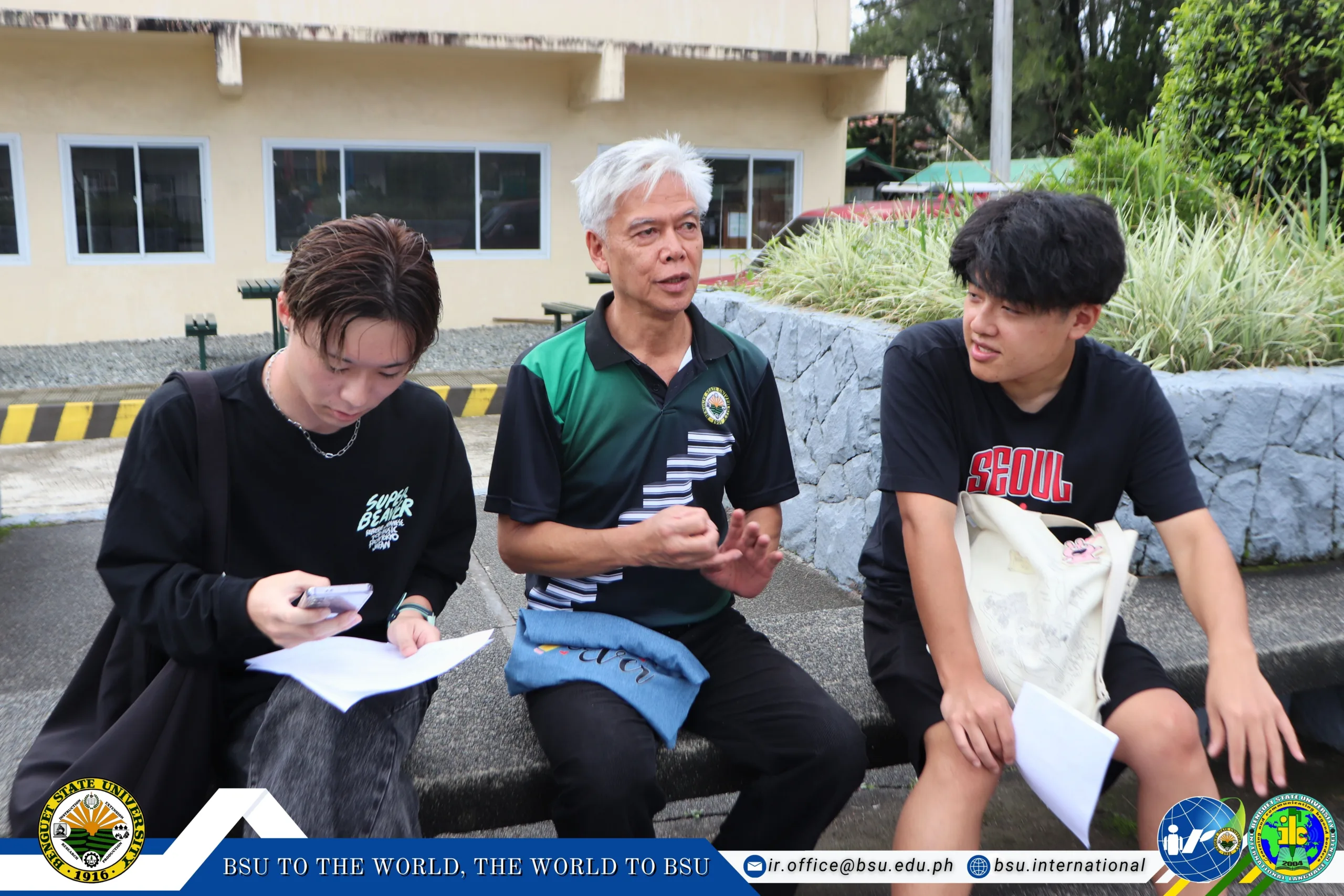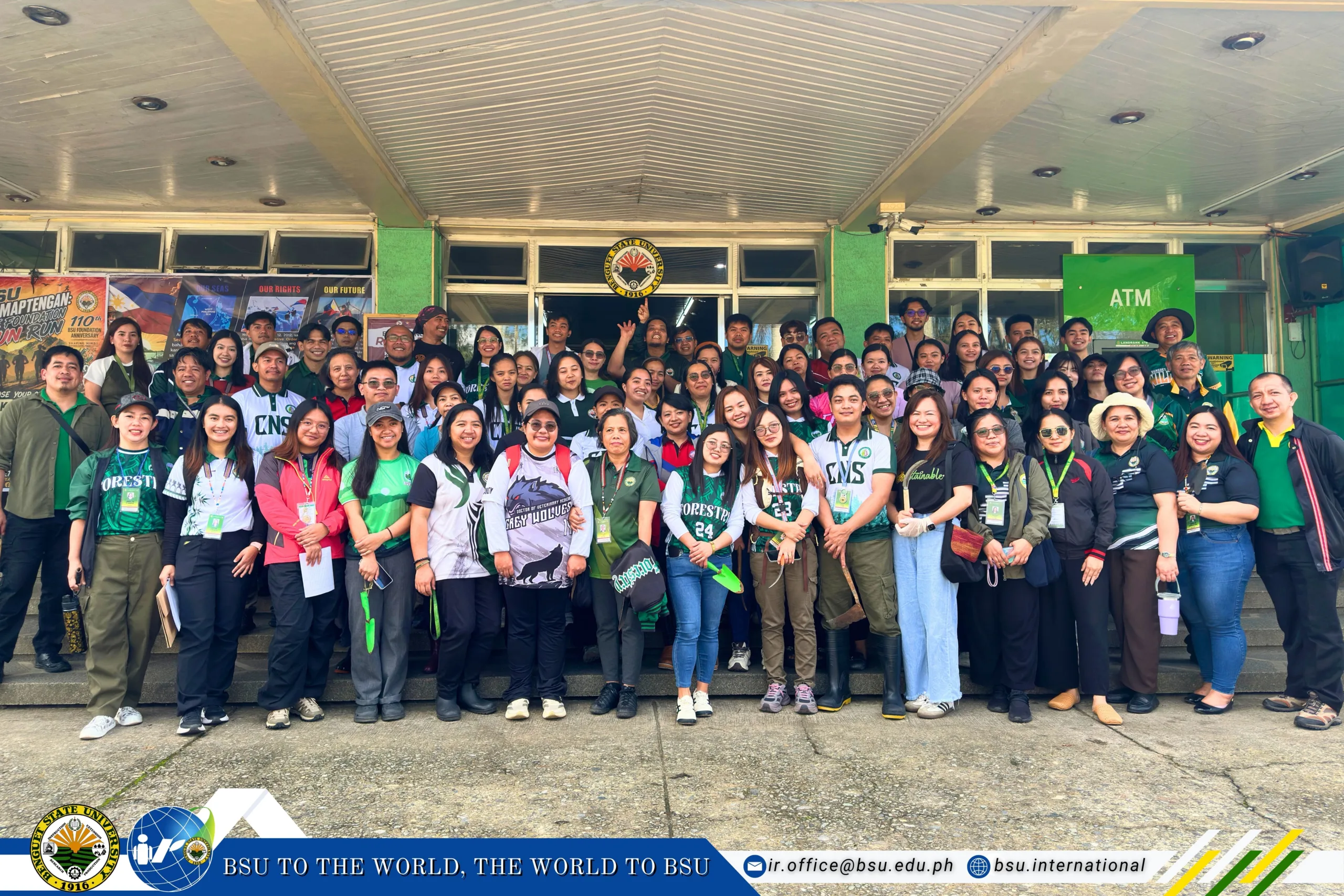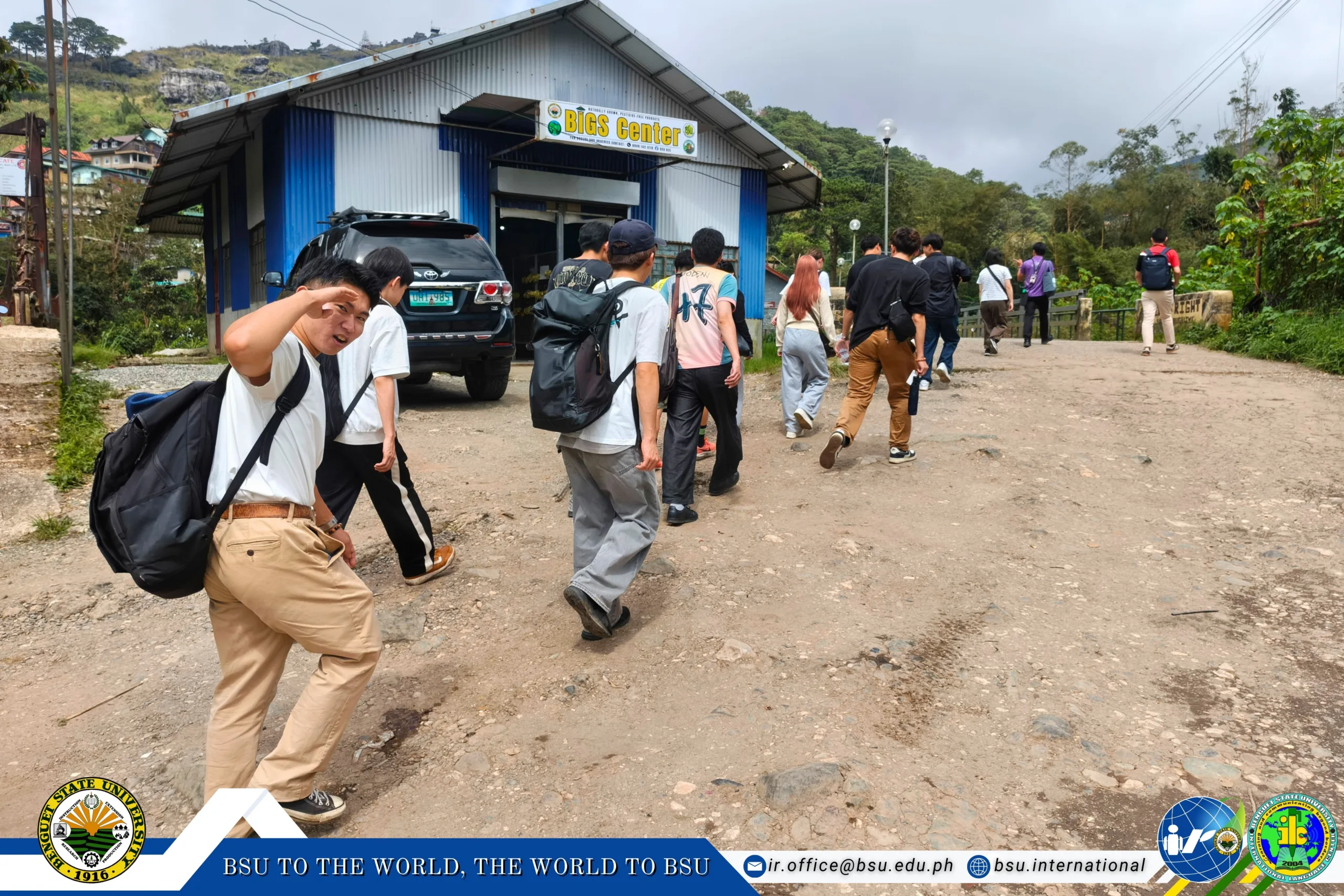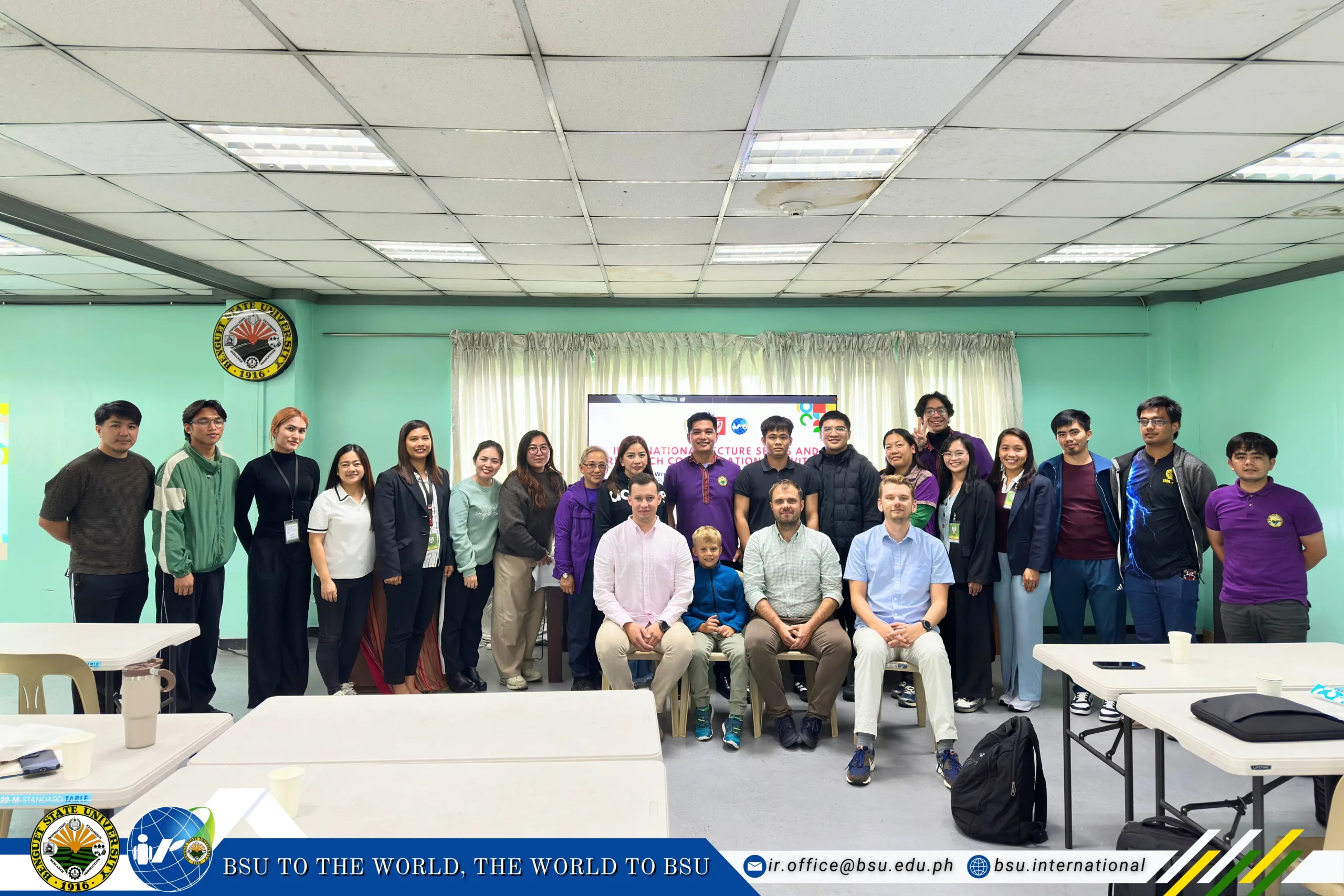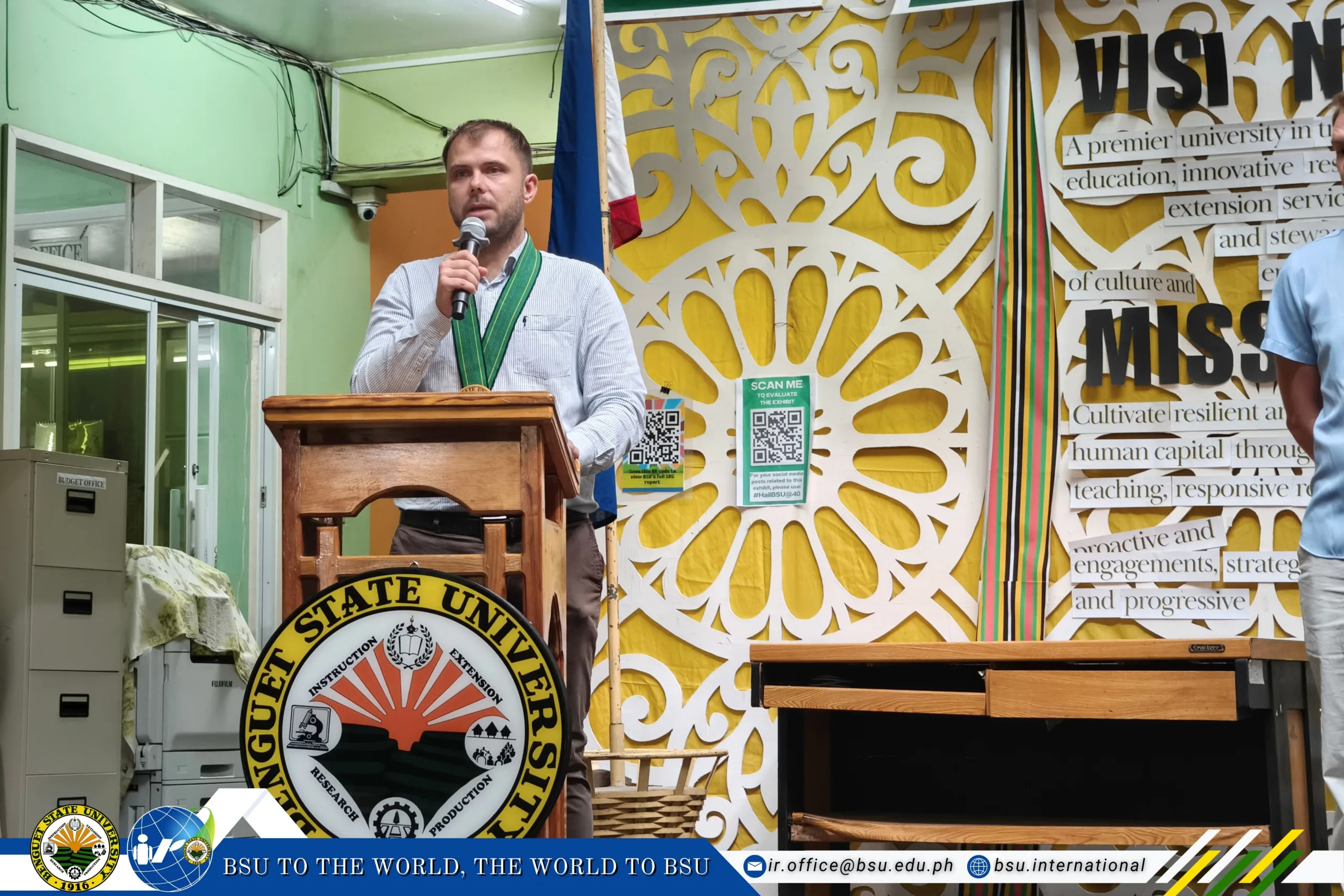
Benguet State University (BSU) and Chinese Culture University (CCU) of Taiwan held a cultural exchange on October 9, 2026, under the CULTURE Program, Connecting Benguet State University and Chinese Culture University, Taiwan. The morning session, themed “Culture, Language, and Shared Peace: An Intercultural Dialogue on Indigenous Perspectives and Education,” brought together speakers, faculty members, staff, and students from the College of Teacher Education to discuss Indigenous knowledge, cultural identity, peace education, and the role of educational institutions in preserving cultural heritage.
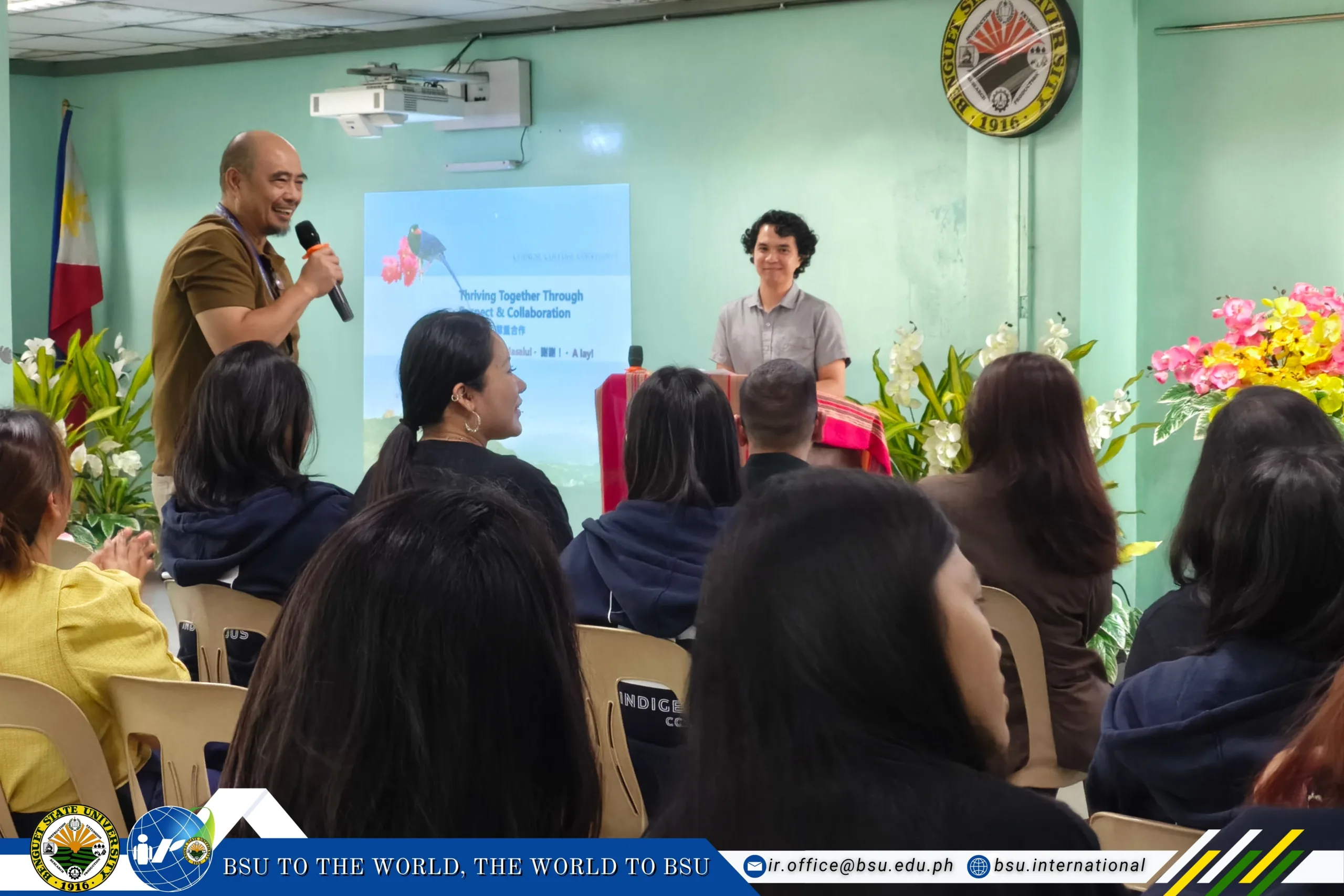
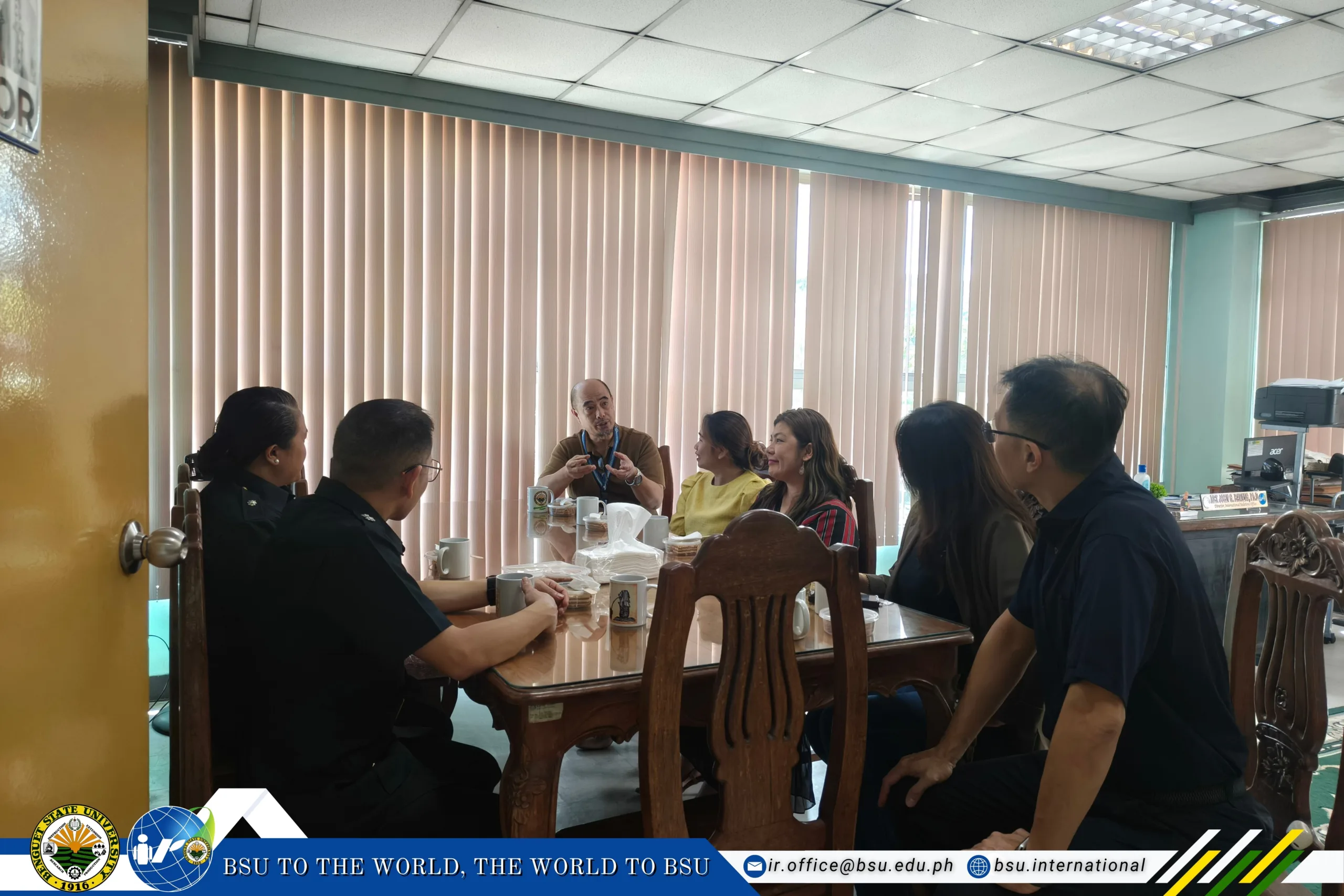
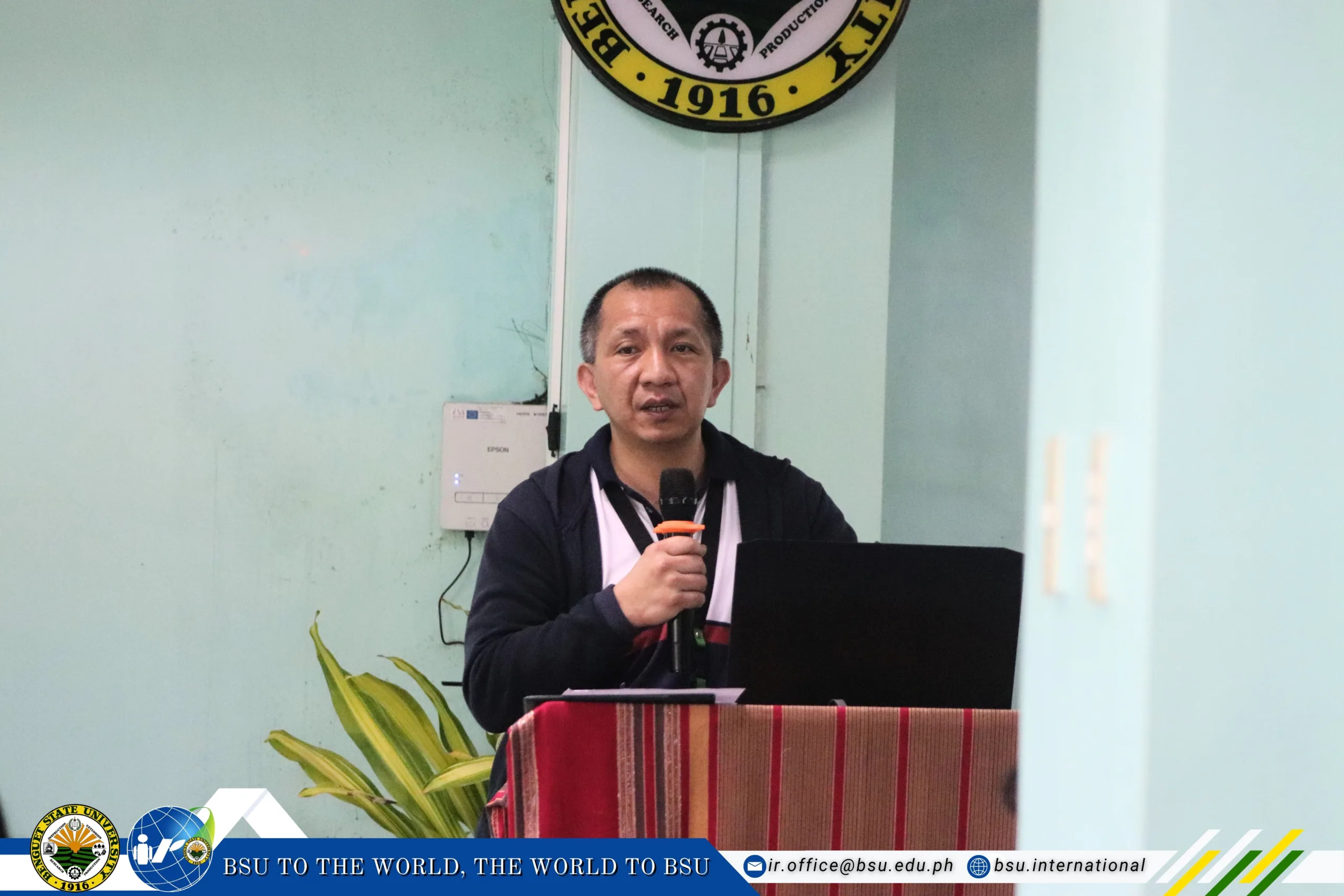
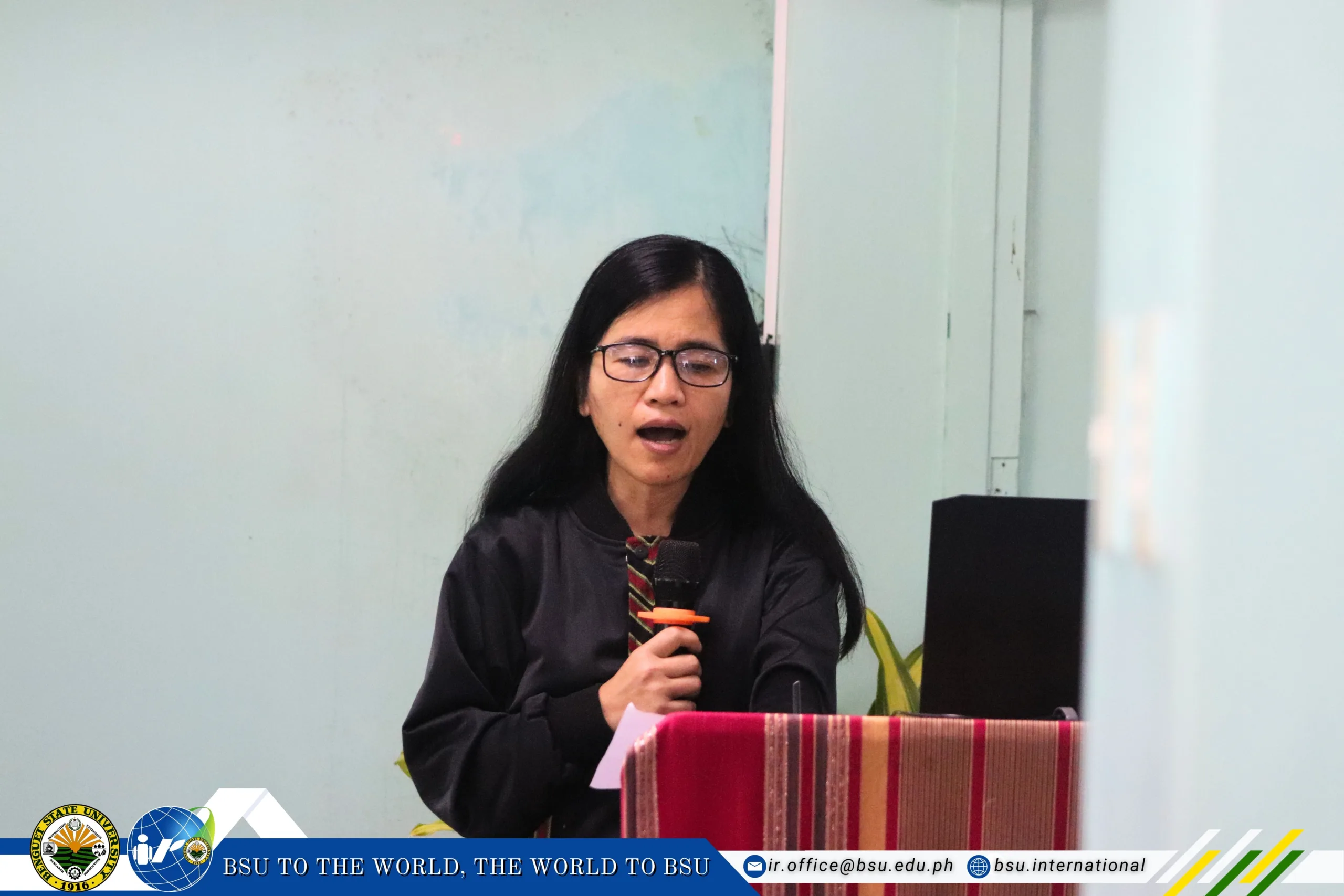
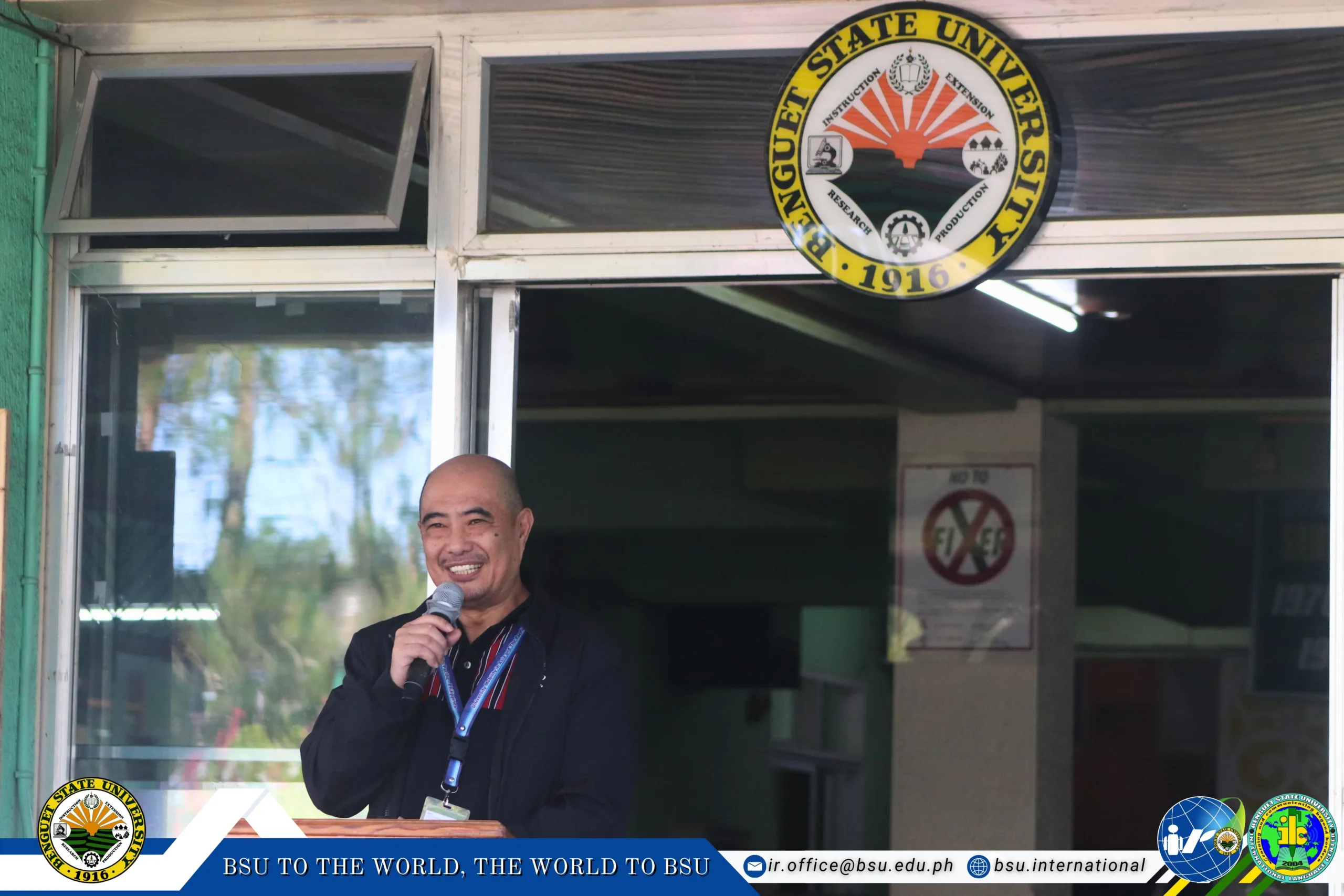
The program opened with an Indigenous prayer led by Dr. Penelope A. Tica-a, followed by the opening remarks of Rex John G. Bawang, Director of the BSU International Relations Office. Bawang expressed his appreciation to Dr. Tica-a for sharing the Cordilleran chant and highlighted the similarities between the Indigenous cultures of Taiwan and Benguet.
BSU President Kenneth A. Laruan welcomed the delegates and recalled his early career as a research assistant at the university. He emphasized the importance of learning through experience and collaboration and challenged the students to bridge formal sciences and traditional sciences.
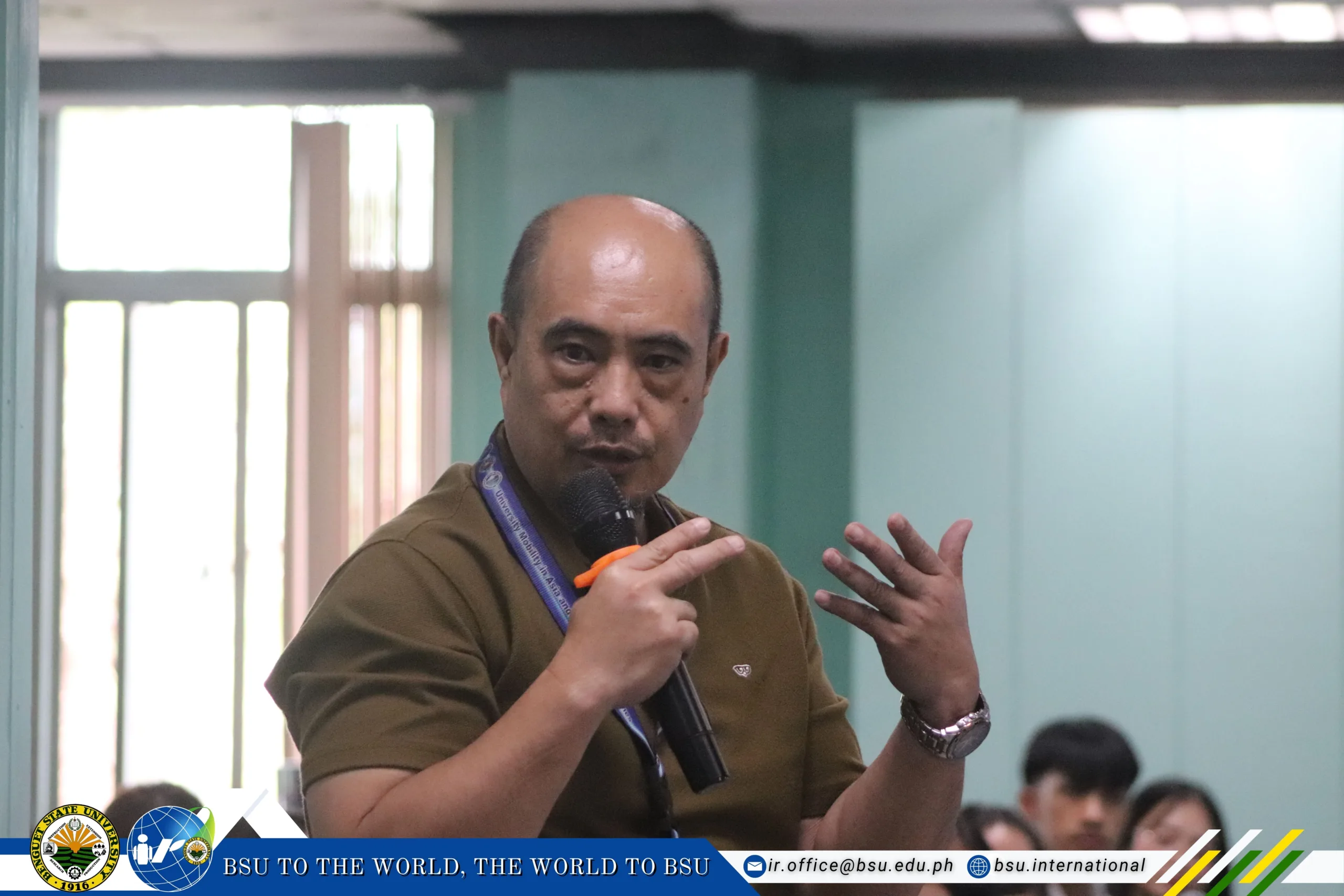
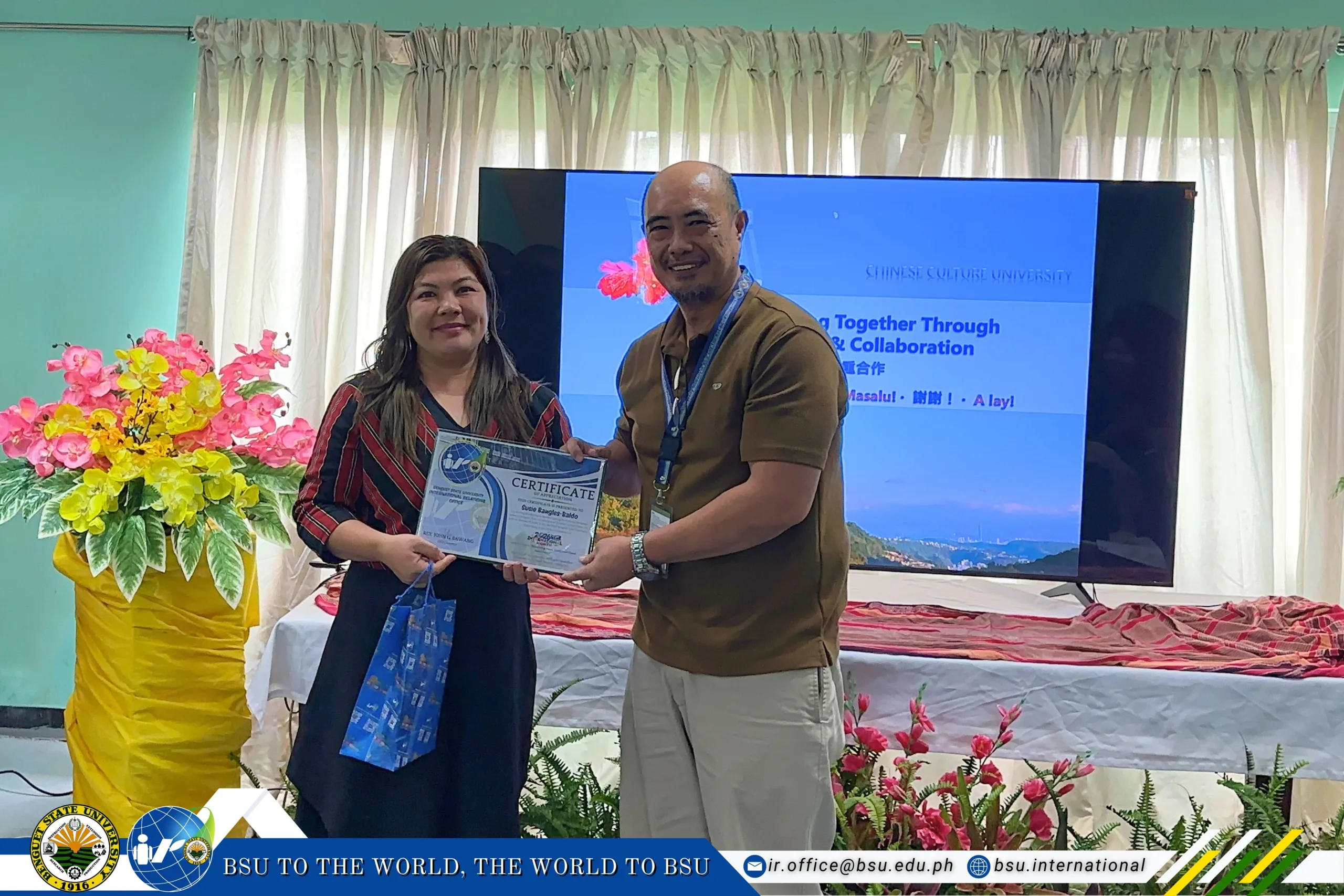
The first set of presentations focused on cultural identity and peace. Susie Bangles-Baldo discussed the Indigenous communities of the Cordillera Administrative Region, emphasizing that cultural identity is deeply connected to land, culture, clan, and family. She also discussed the Bodong system as a traditional framework for community relations and conflict resolution.
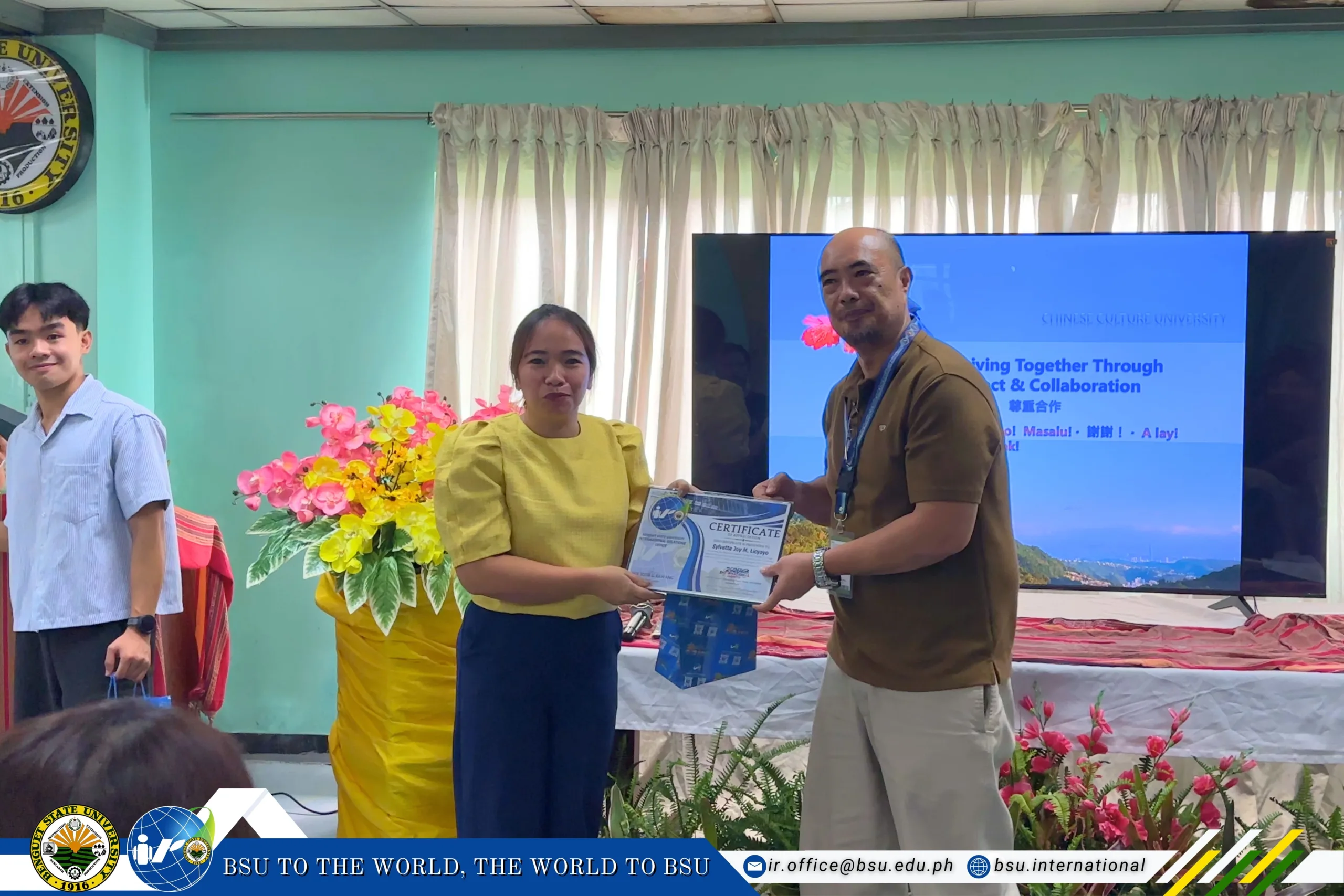
Sylvette Joy M. Licyayo followed with a presentation on integrating peace into education. She emphasized the importance of considering local experiences and Indigenous perspectives in peace education. She also discussed Tawid Cordillera, highlighting the importance of viewing people as stewards of their cultural heritage. Her presentation further touched on the relationship between environmental protection and peace within communities.
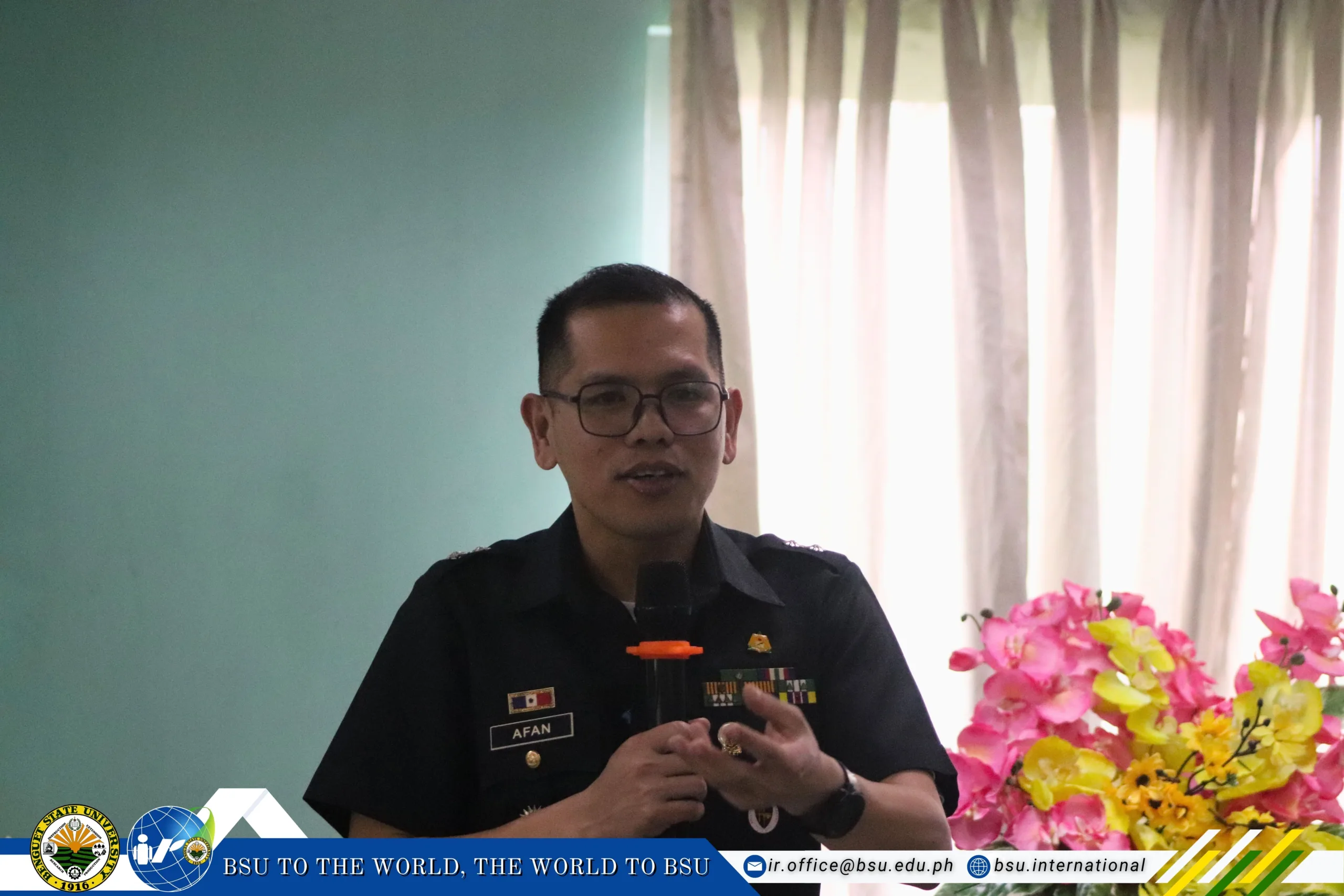
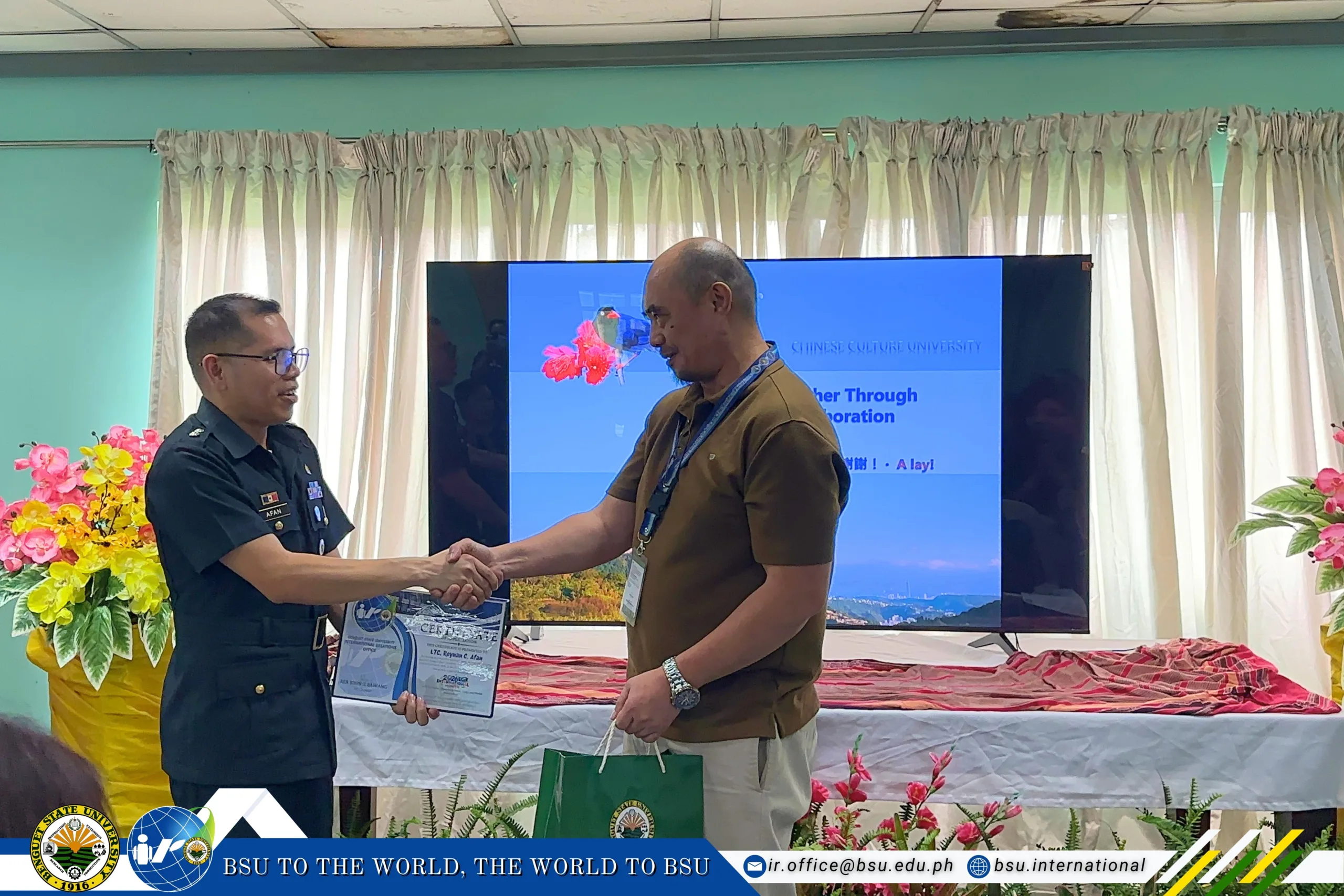
LTC. Reynan C. Afan then discussed regional identity and the challenges faced by communities today. He highlighted the distinctiveness of Cordilleran identity while cautioning against romanticizing regional experiences. He also discussed the challenges of putting policies into practice, as well as concerns involving tolerance, cooperation, and digital manipulation.
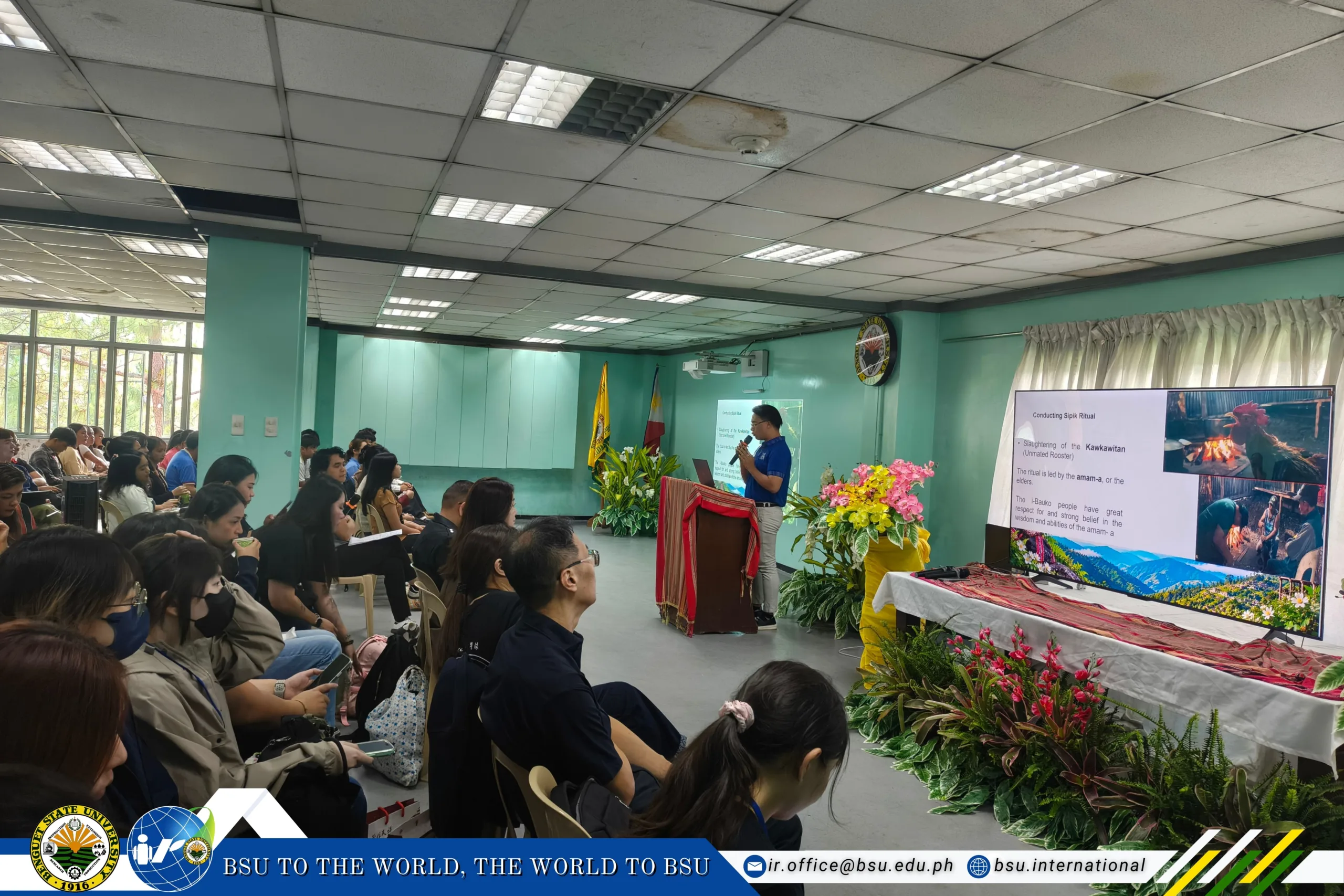
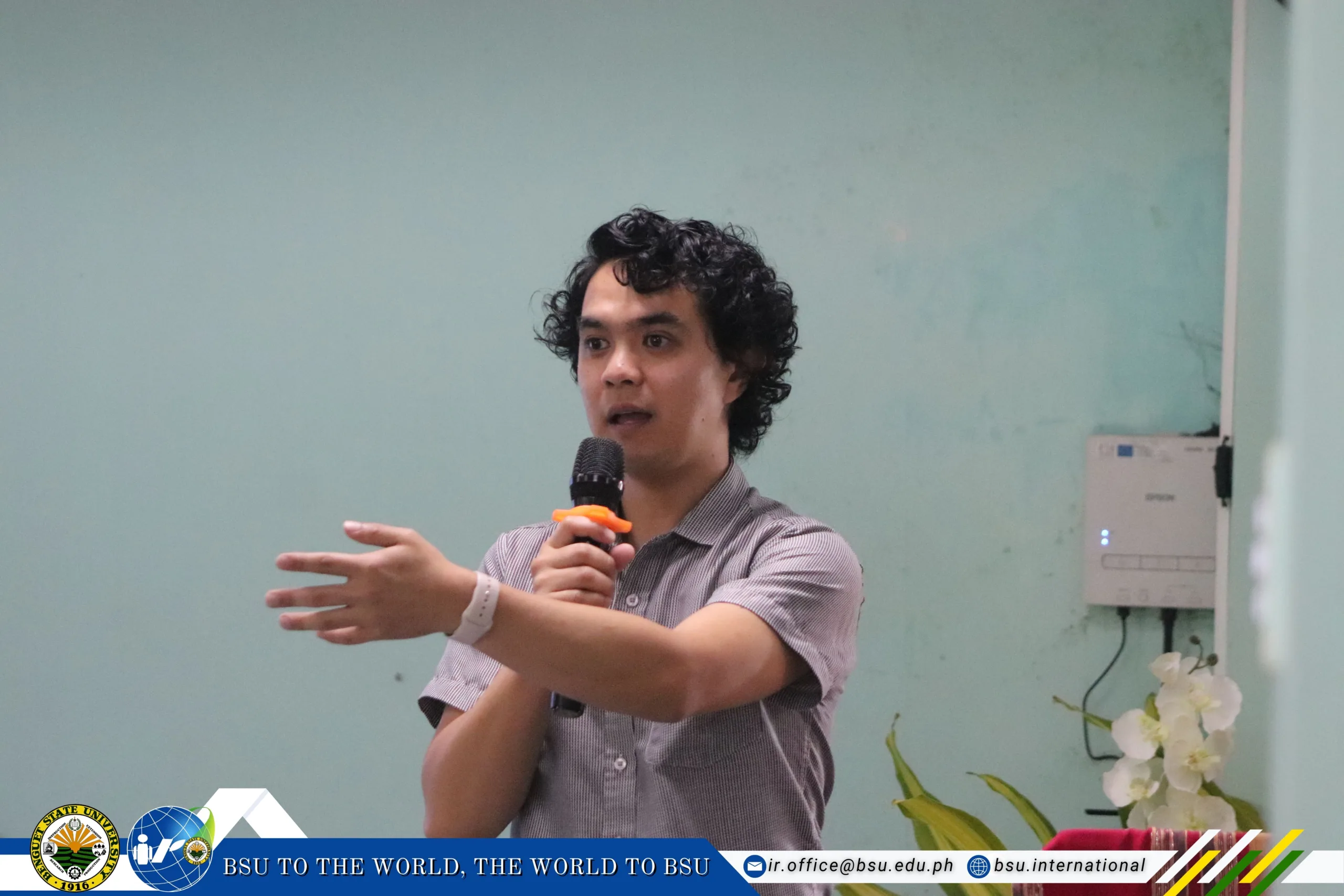
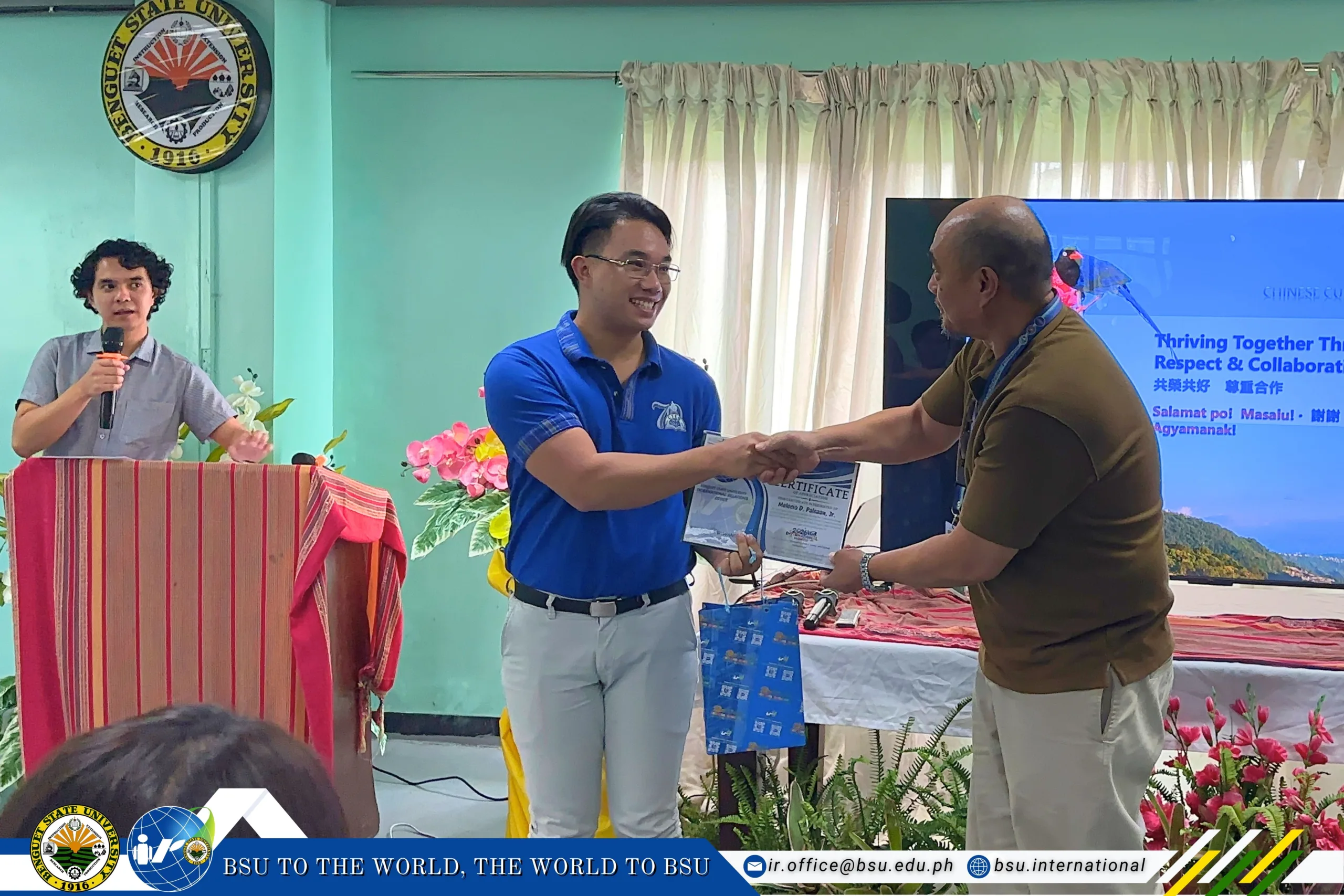
The program continued with thematic presentations on Indigenous traditions and culture. Melecio D. Palsaan Jr. discussed Begnas in Bauko, explaining its significance as an expression of the community’s identity, beliefs, values, and spirituality. Through its eight distinct rituals, the tradition reflects respect for elders, gratitude, the seeking of blessings, and harmony between the community and the spiritual world.
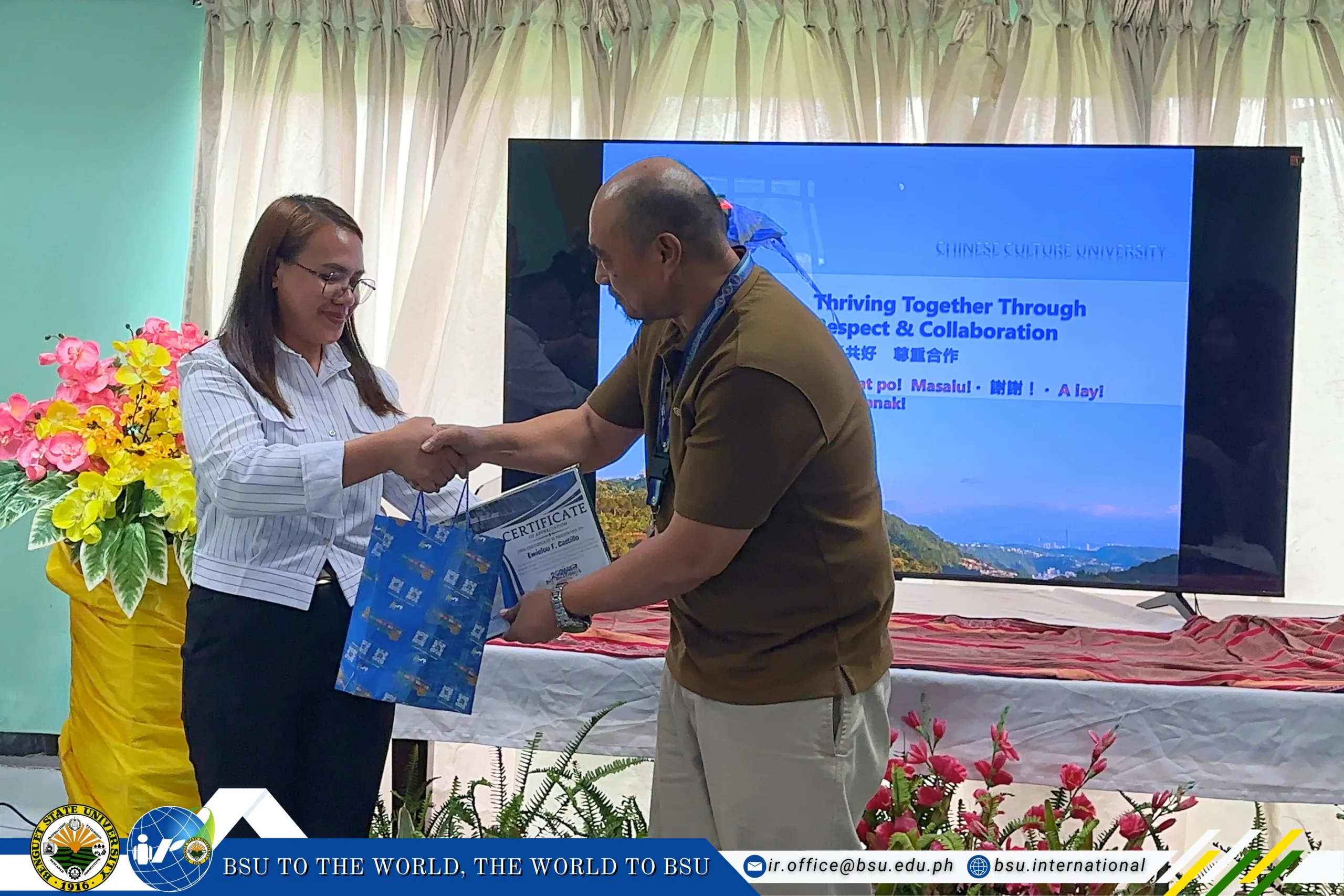
Emielou F. Castillo followed with a presentation highlighting the connection between language, culture, and society. The discussion emphasized the importance of understanding how language and cultural practices shape people’s experiences and relationships.
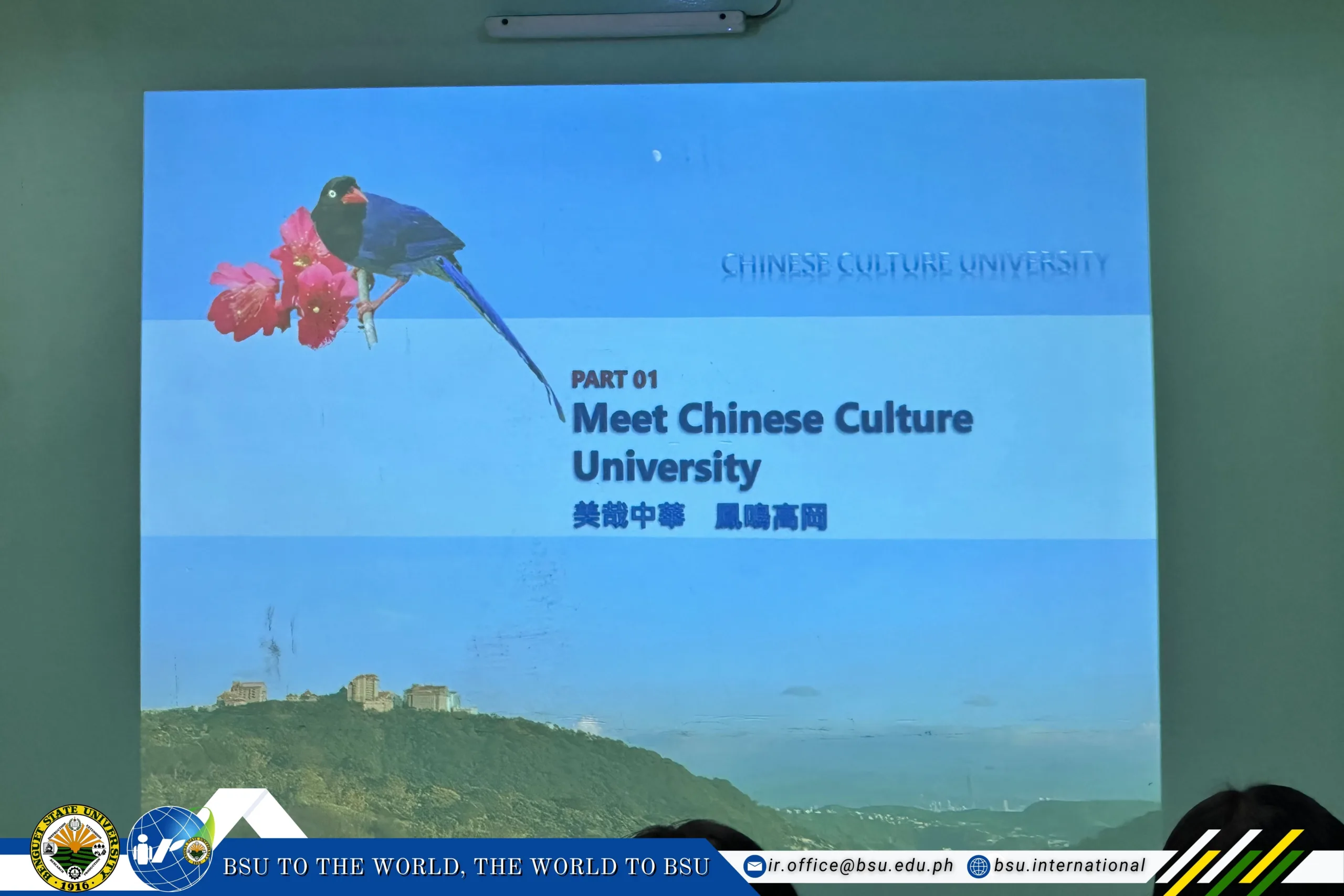
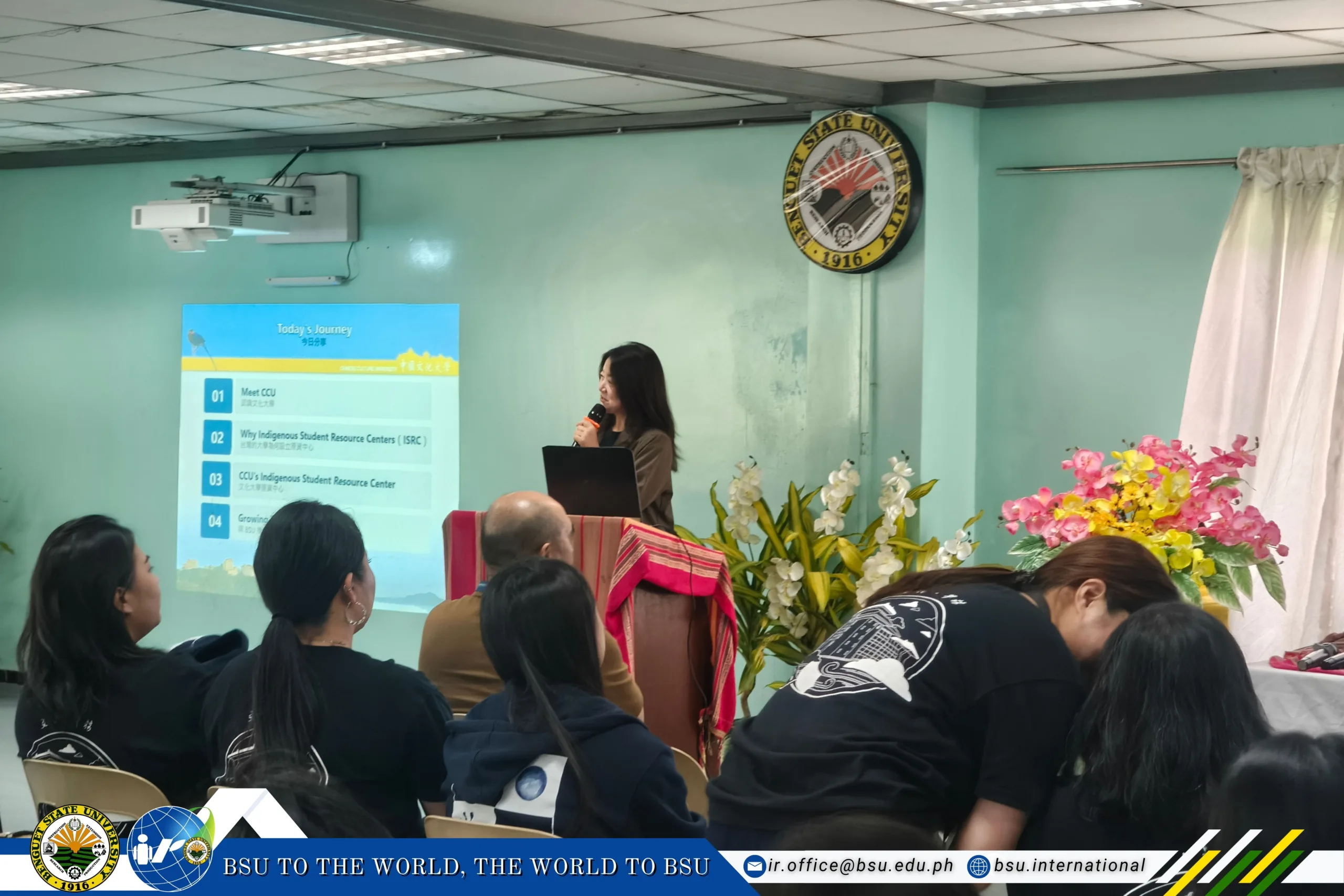
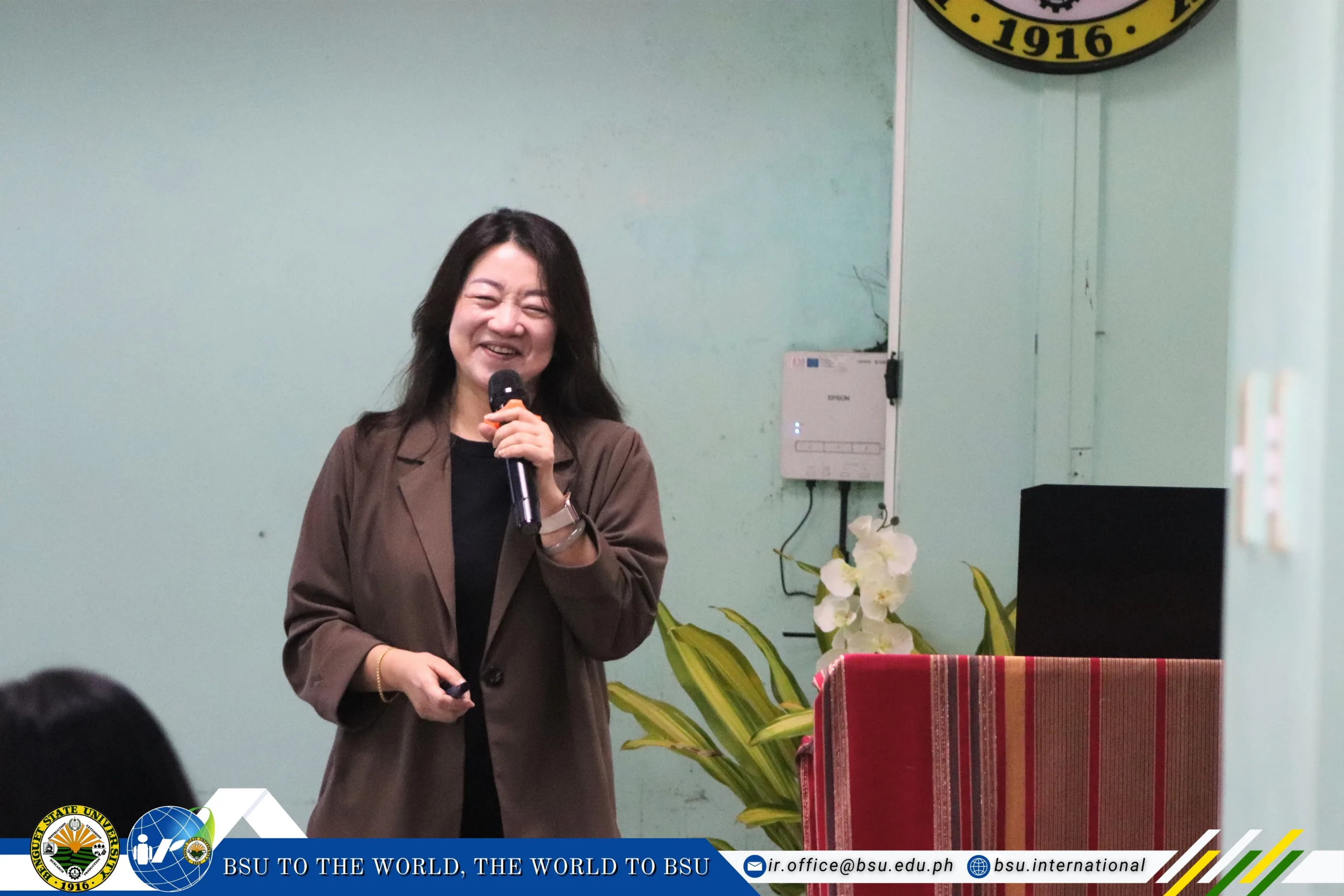
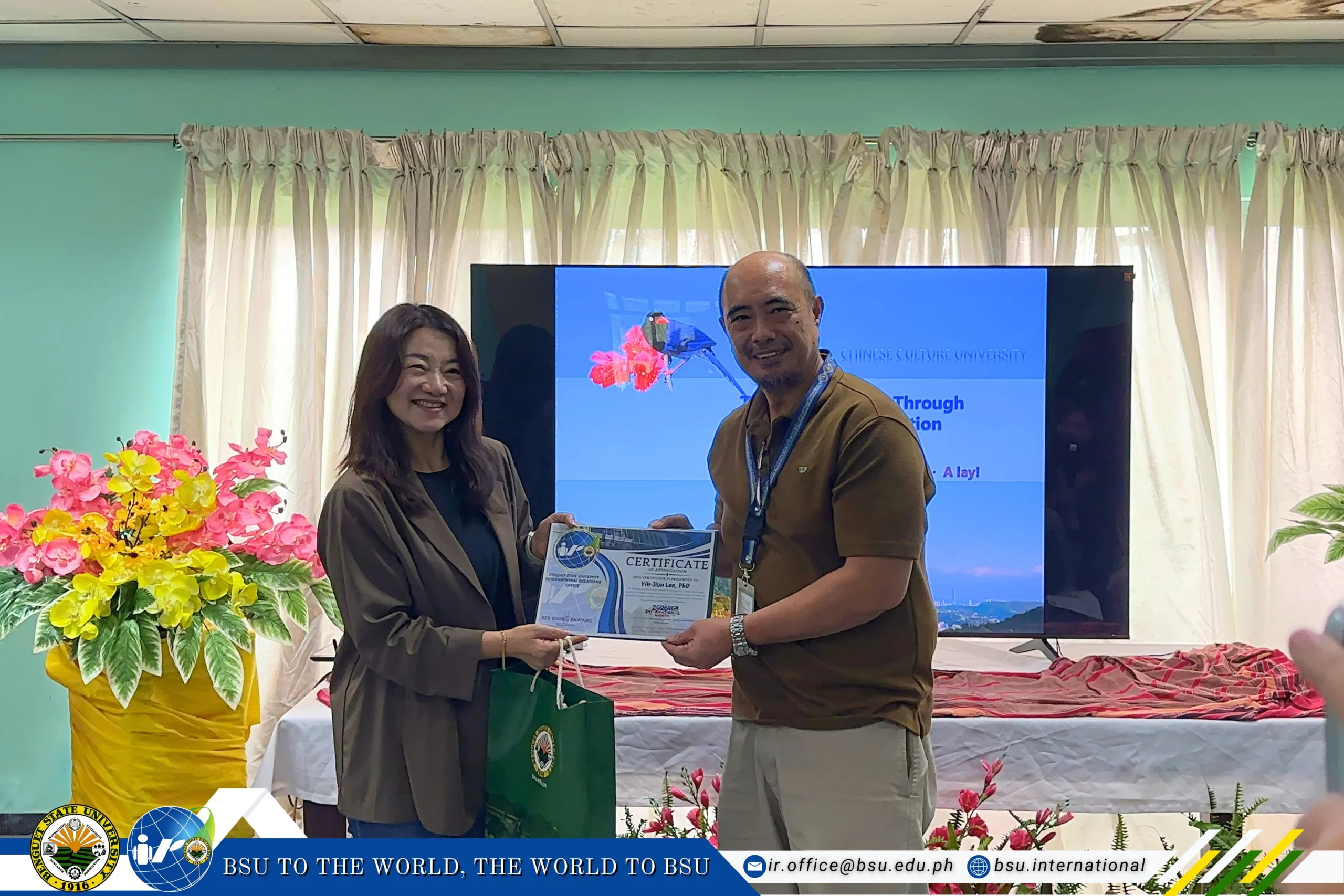
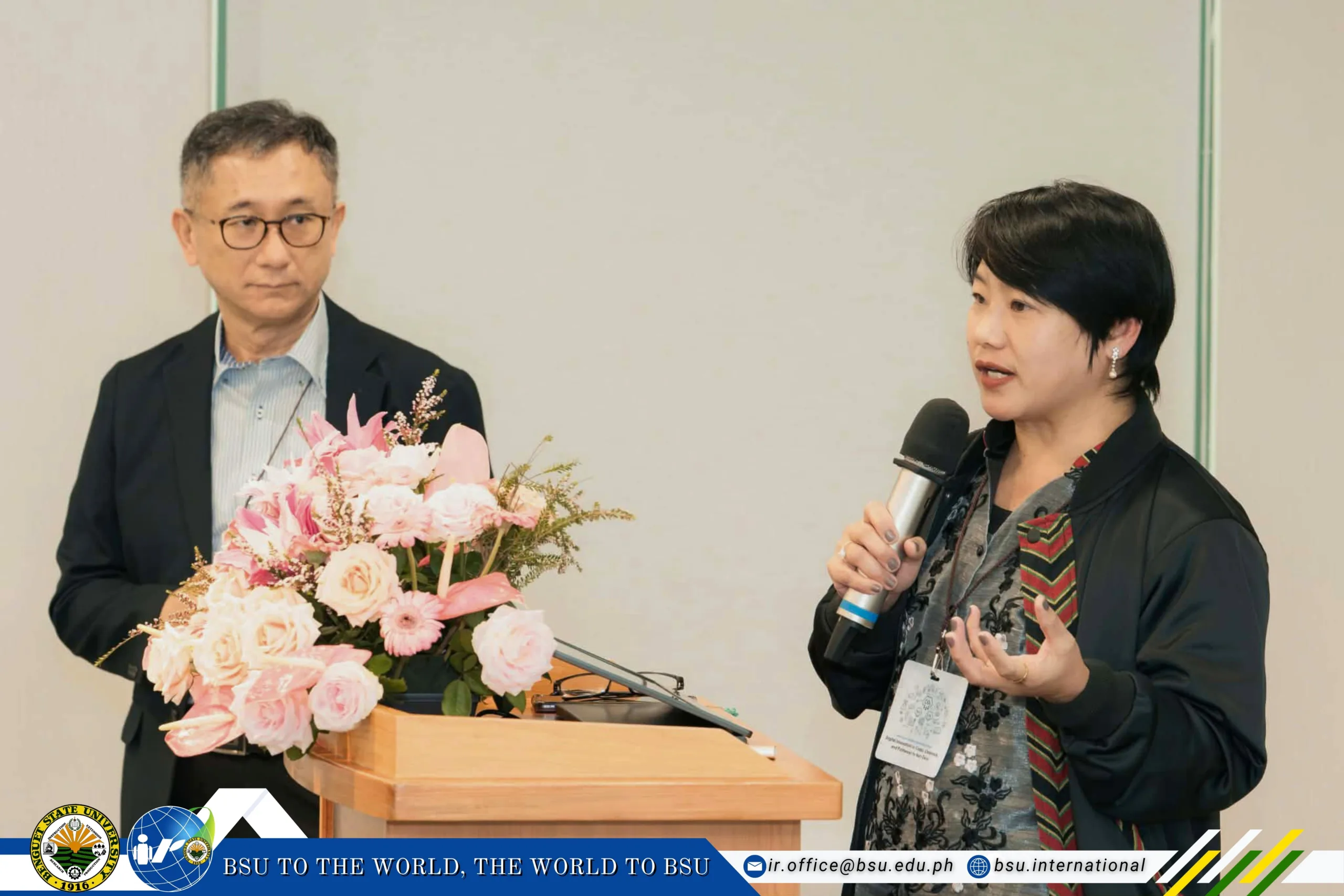
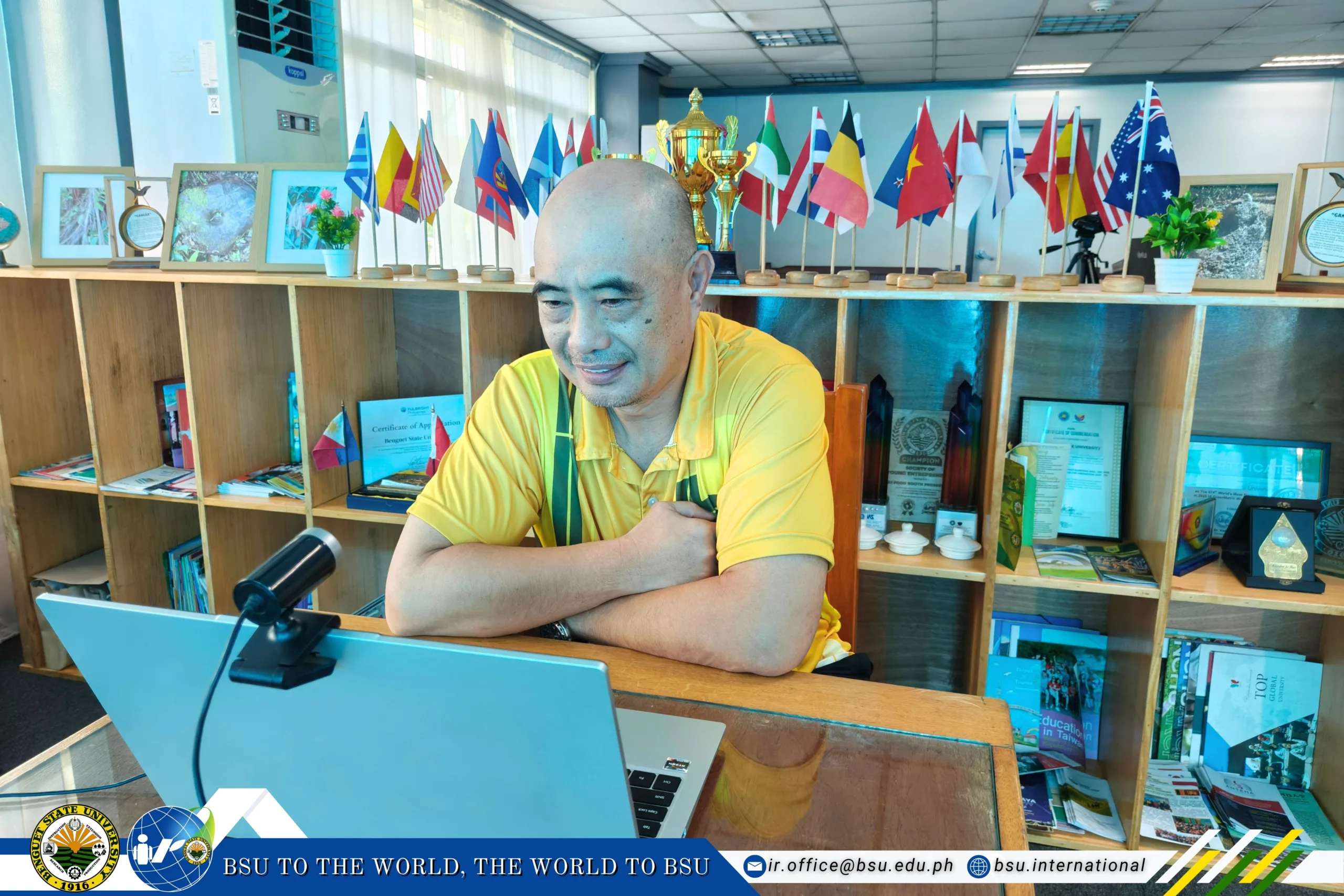
The session concluded with a presentation by Dr. Yih-Jiun Lee of Chinese Culture University, who introduced CCU and its Indigenous Student Resource Center (ISRC). She shared the center’s background, vision, and mission, highlighting its commitment to supporting Indigenous students, promoting multicultural understanding, and building academic and cultural connections with partner institutions.
✍️K. Komicho, CSS History Intern