













Advancing Gender and Development Through Client and Organization-Focused GAD Initiatives at Benguet State University
Research and Client-Focused Activities
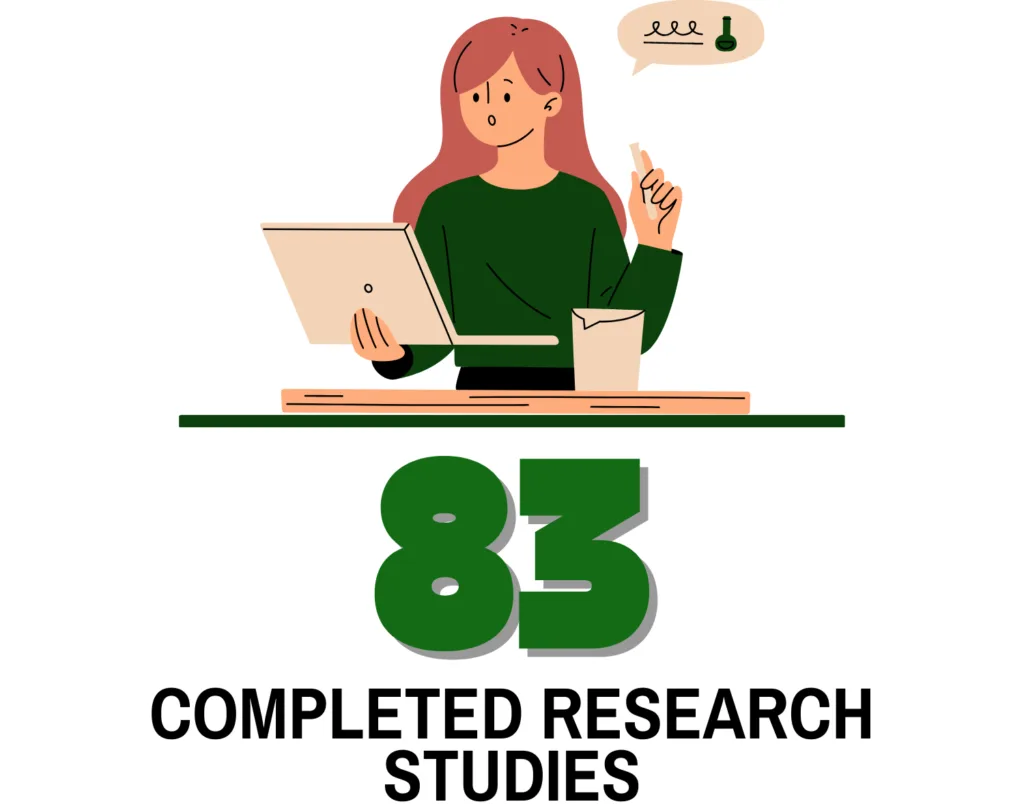
Benguet State University continued to strengthen its commitment to SDG 5 through extensive client-focused initiatives designed to promote gender equality, empowerment, and inclusive participation among students and community partners. The University sustained its Gender-Responsive Extension Program by delivering 82 GAD-related research and extension projects involving technology transfer, livelihood support, advocacy, and technical assistance to partner communities. To further enhance women’s engagement in sports, BSU conducted the First Martial Arts Festival and integrated female-centered activities in student intramurals in line with national policy mandates. The University also implemented a comprehensive GAD orientation series for all new students across 14 colleges and external campuses, ensuring that concepts of mutual respect, safety, and gender awareness were embedded early in students’ academic journeys. Complementing this, GAD-responsive leadership training was delivered to student leaders across La Trinidad, Bokod, and Buguias Campuses.
Organization-Focused Activities



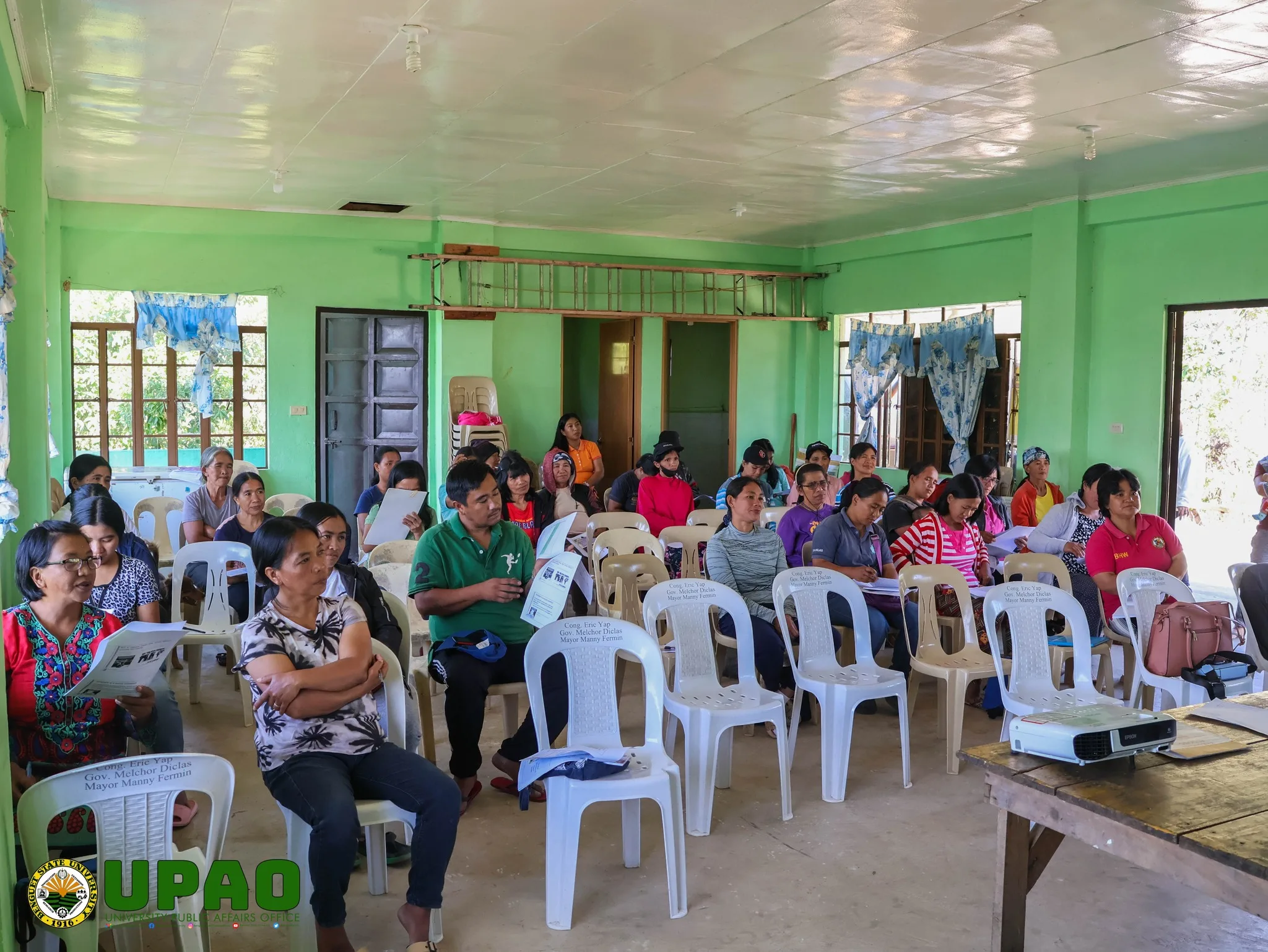

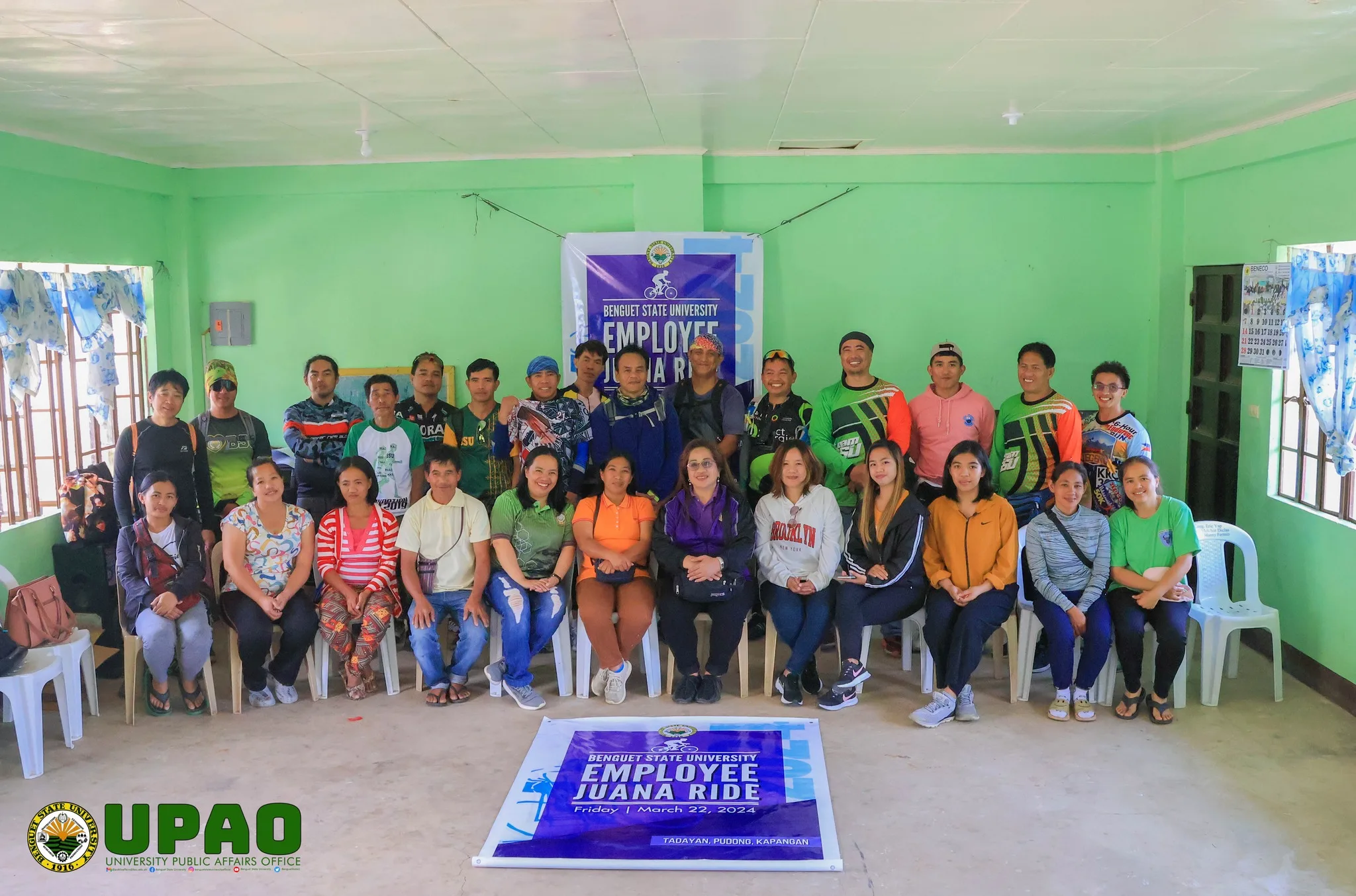
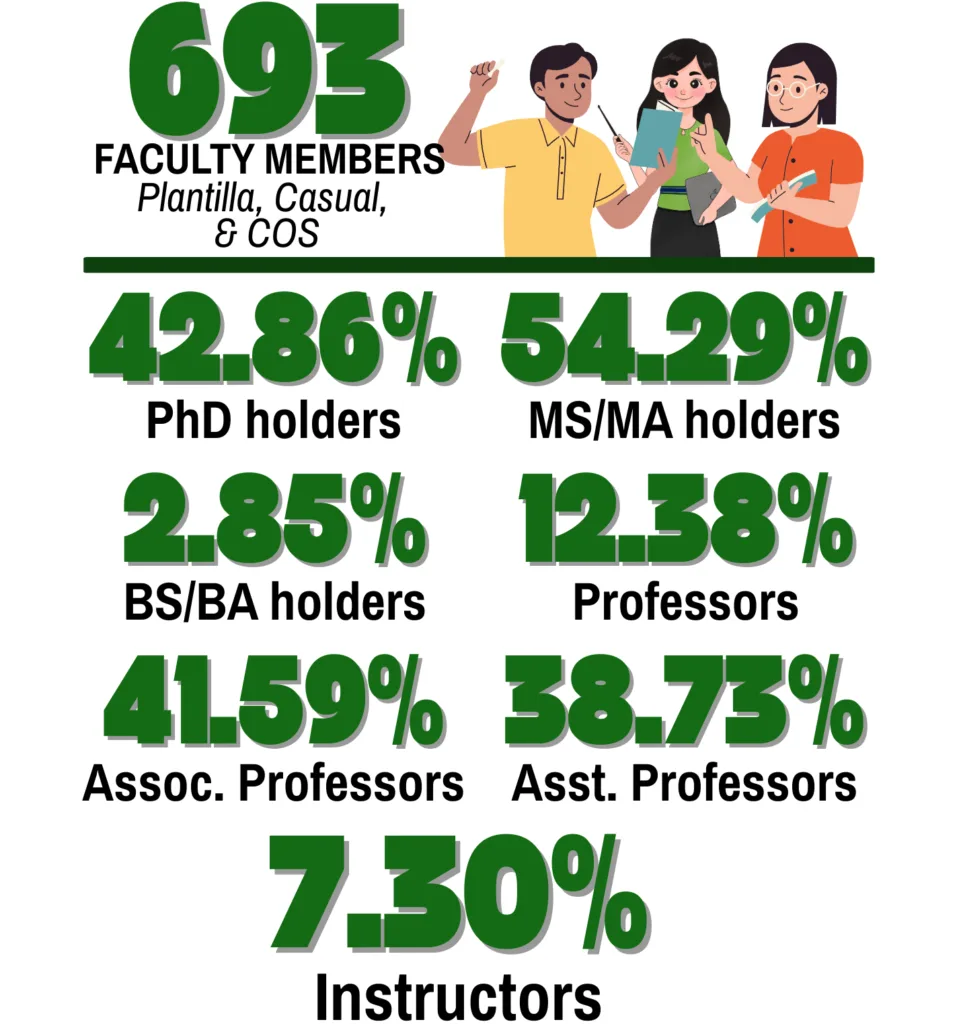
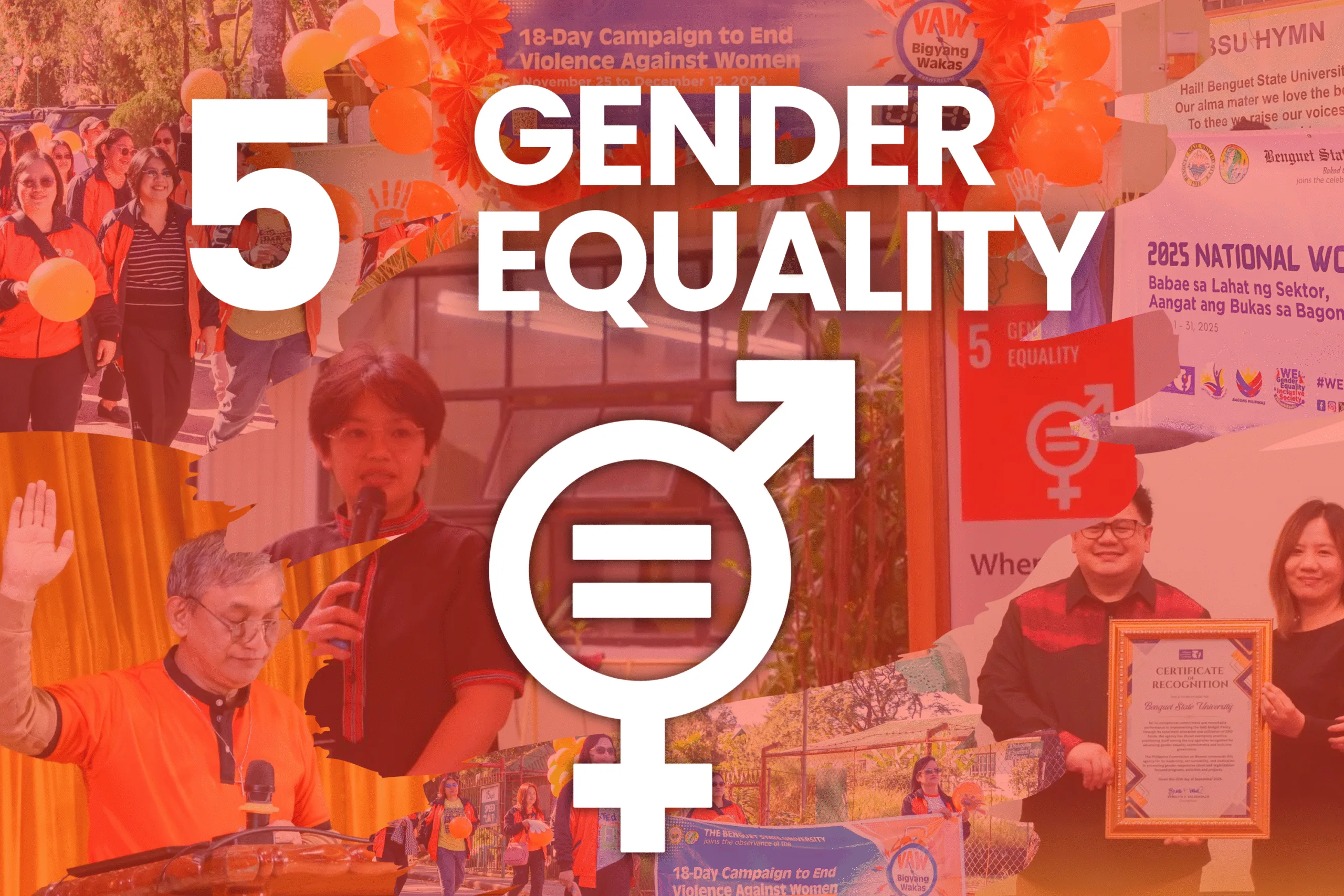
On the organizational front, BSU advanced gender mainstreaming through recognition initiatives, capacity development programs, and strengthened GAD mechanisms. The Office of Student Services received the Gender and Development Advocate Award during the University’s 108th Foundation Anniversary, highlighting exemplary GAD implementation. The University rolled out an extensive slate of capability-building activities addressing gender-responsive pedagogy, disaster preparedness, inclusive infrastructure, safety, wellness, and policy review. Institutional support mechanisms were expanded through the maintenance and establishment of lactation stations, child-minding centers, and the launch of the Reproductive Healthcare Center. These initiatives helped reduce absenteeism and supported personnel and students with childcare needs. Continuous training for the Gender and Development Focal Point System (GFPS) further reinforced institutional capacity, complemented by regular GFPS meetings, gender sensitivity orientations for newly hired personnel, procurement of gender-responsive learning materials, and seminars addressing sexual harassment, GBV, and the Safe Spaces Act. Curriculum integration progressed through the development and adoption of gender-sensitive instructional materials involving 674 faculty members across three campuses.

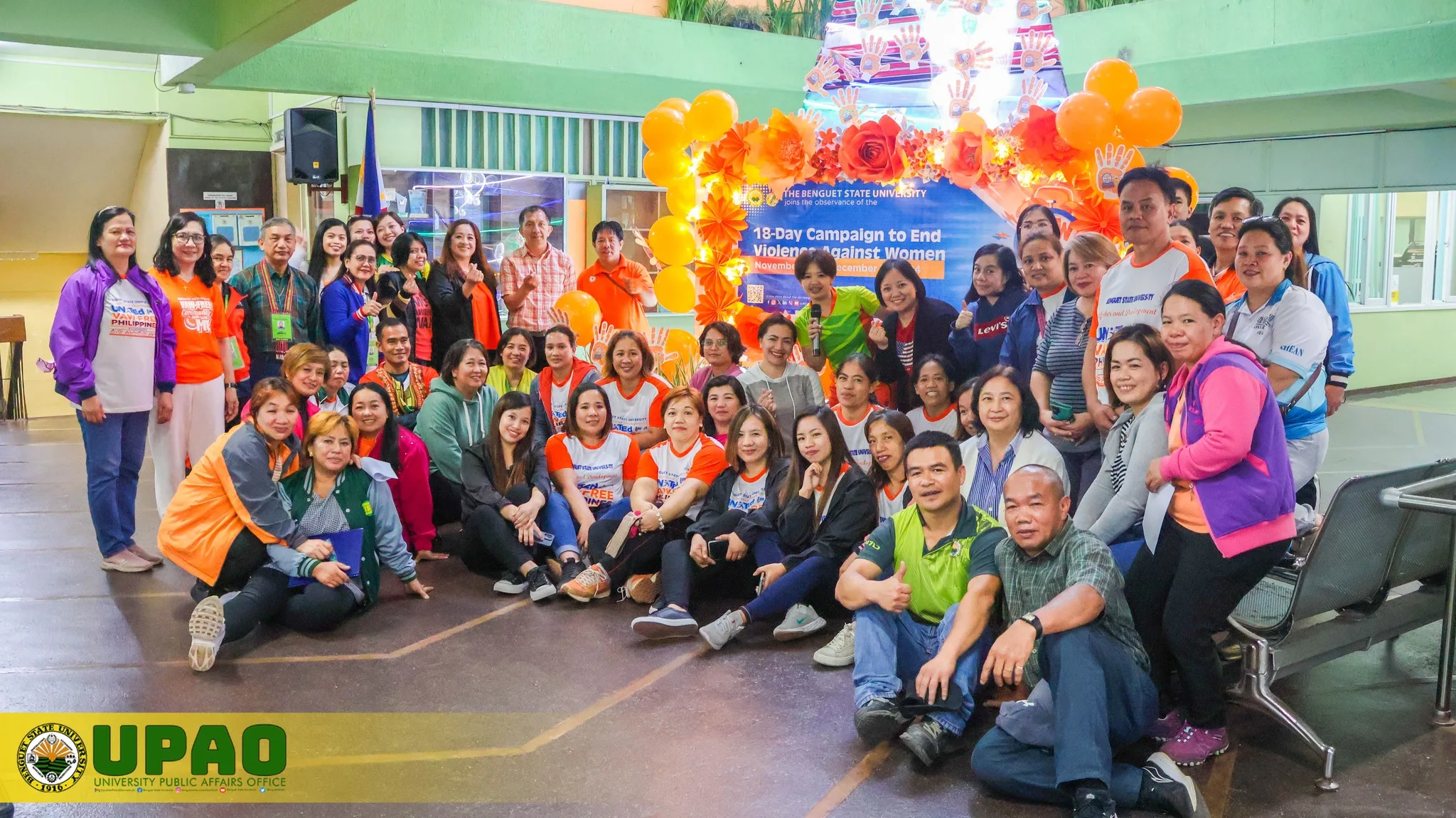

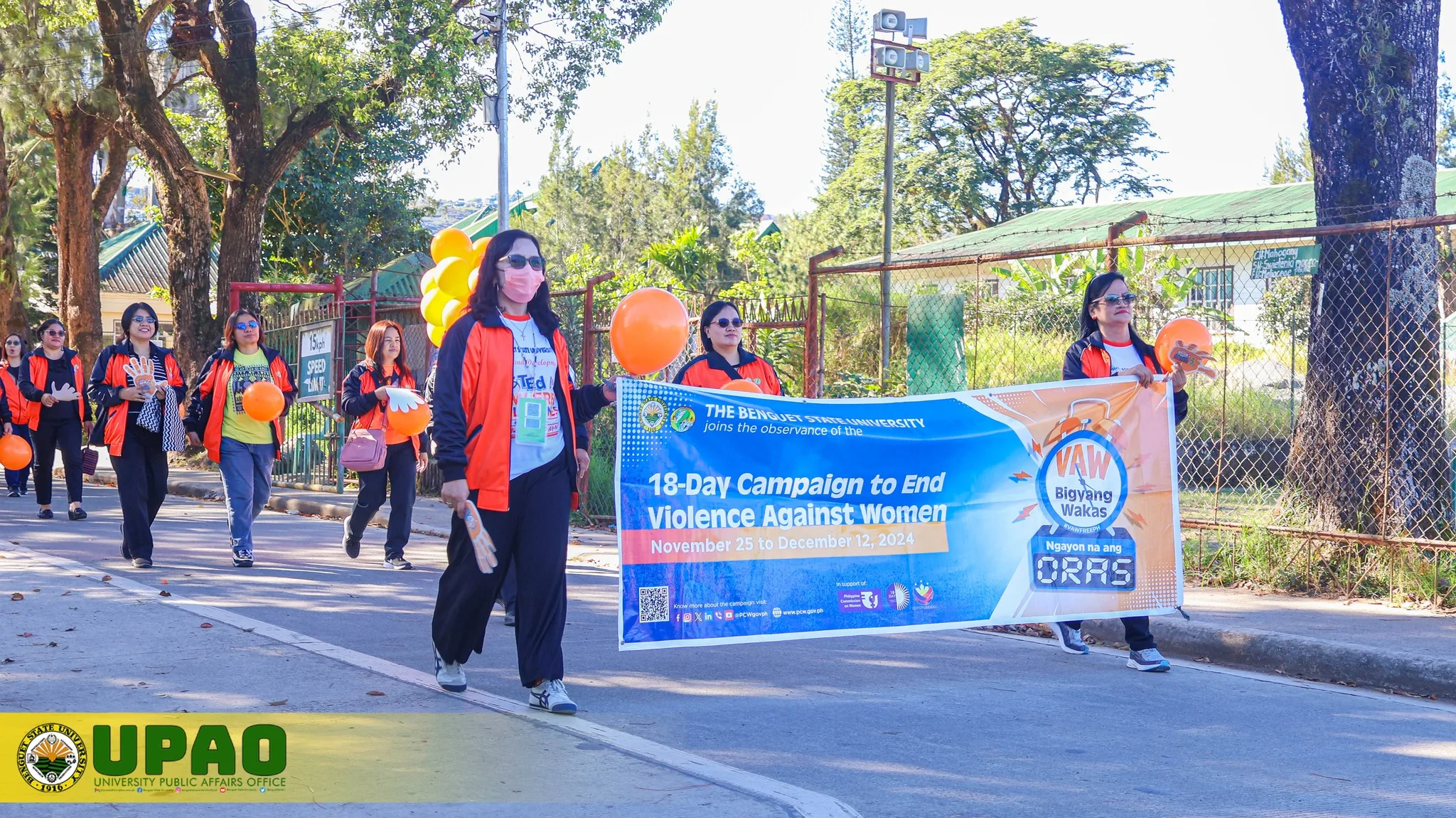


The University also intensified awareness and advocacy campaigns through its annual participation in the National Women’s Month Celebration and the 18-Day Campaign to End Violence Against Women, delivering a series of campus-wide activities, healthcare services, forums, and information drives. Concurrently, BSU enhanced its centralized database by updating sex-disaggregated data for personnel and students, enabling more robust monitoring and gender analysis. Lastly, the University sustained its COVID-19 Response and Recovery Strategy, ensuring that gender-responsive measures remained integrated in all institutional programs. Collectively, these accomplishments reflect BSU’s strong and holistic advancement of SDG 5 through both client-centered interventions and internal gender mainstreaming efforts.
Women’s Progress Measures

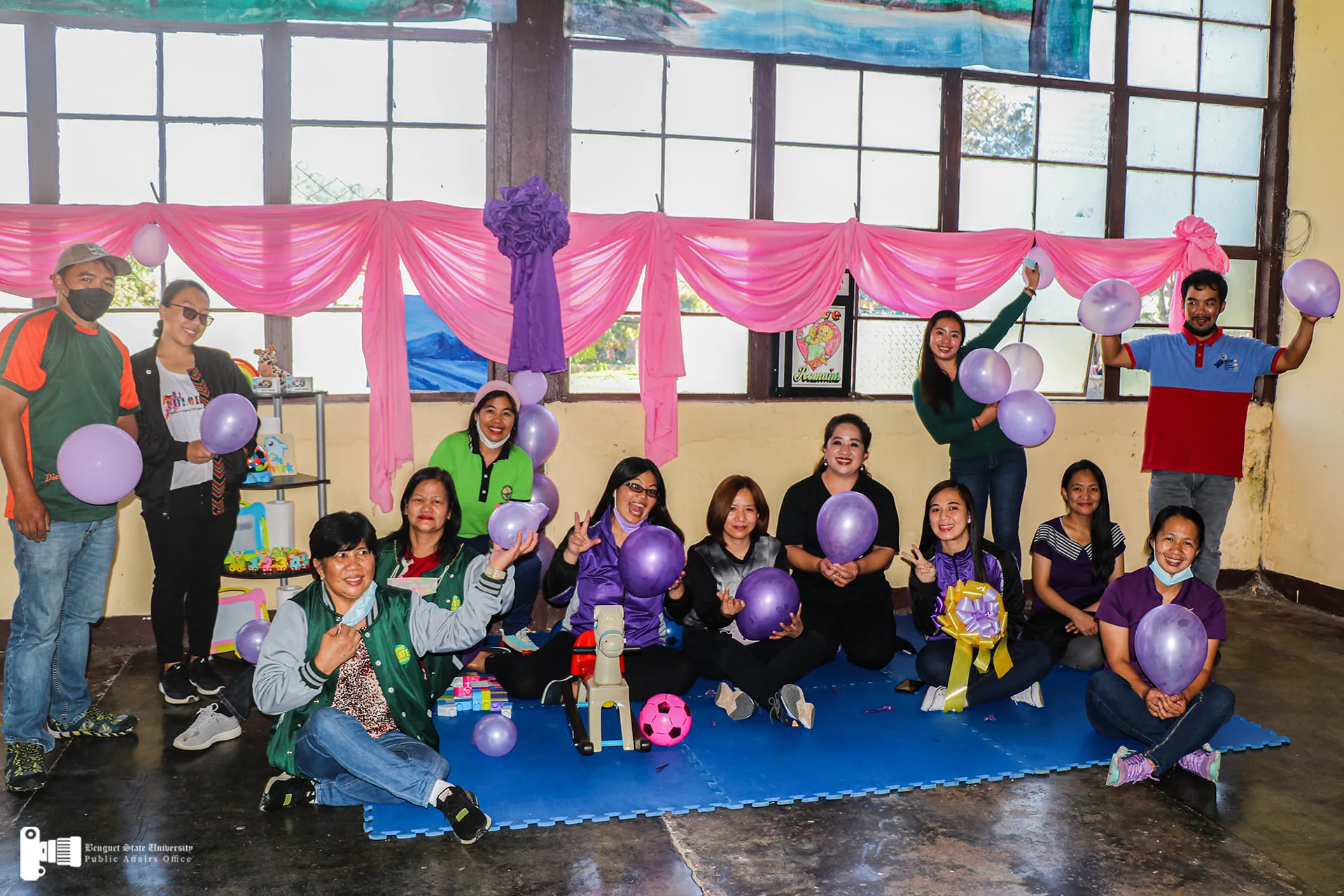
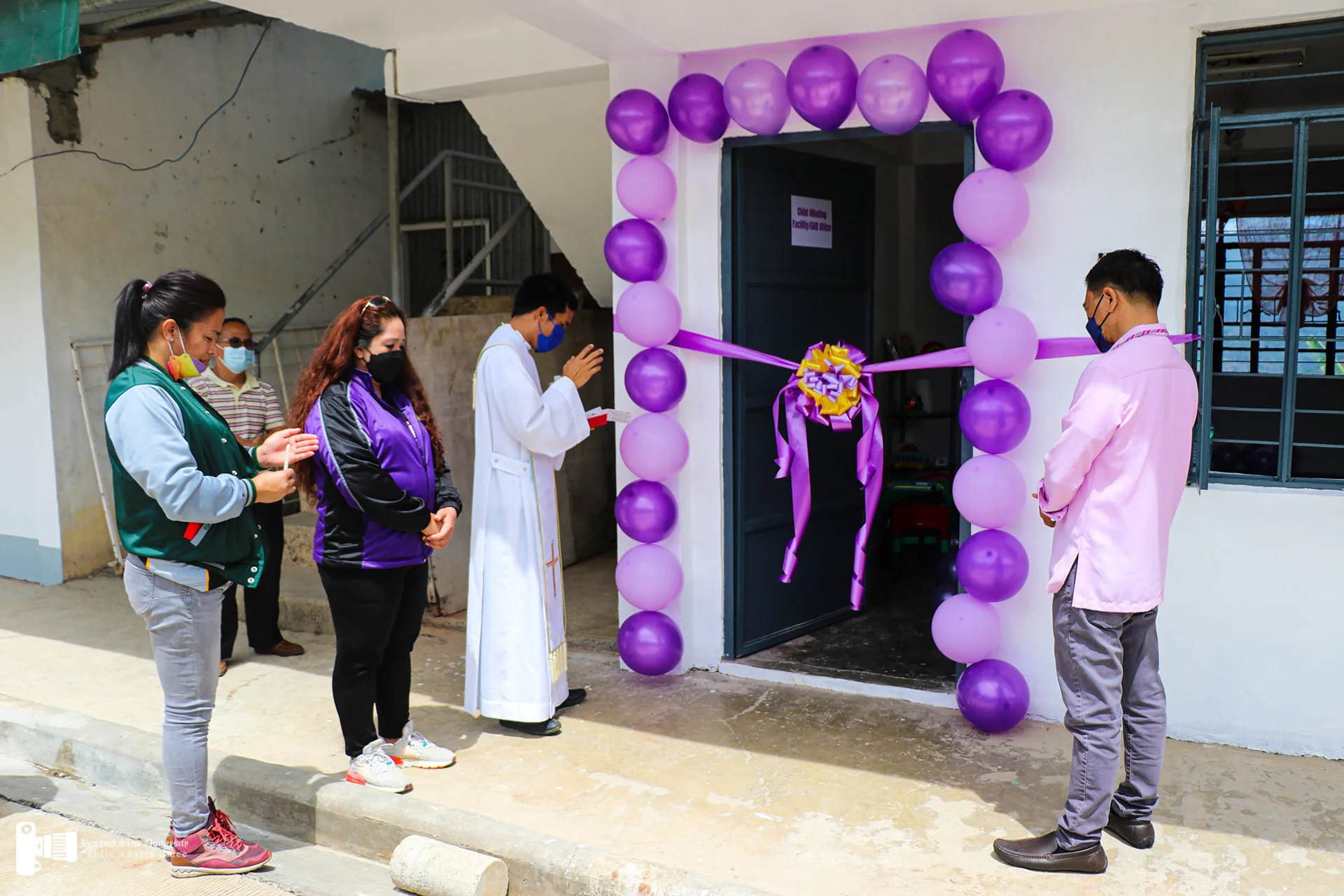

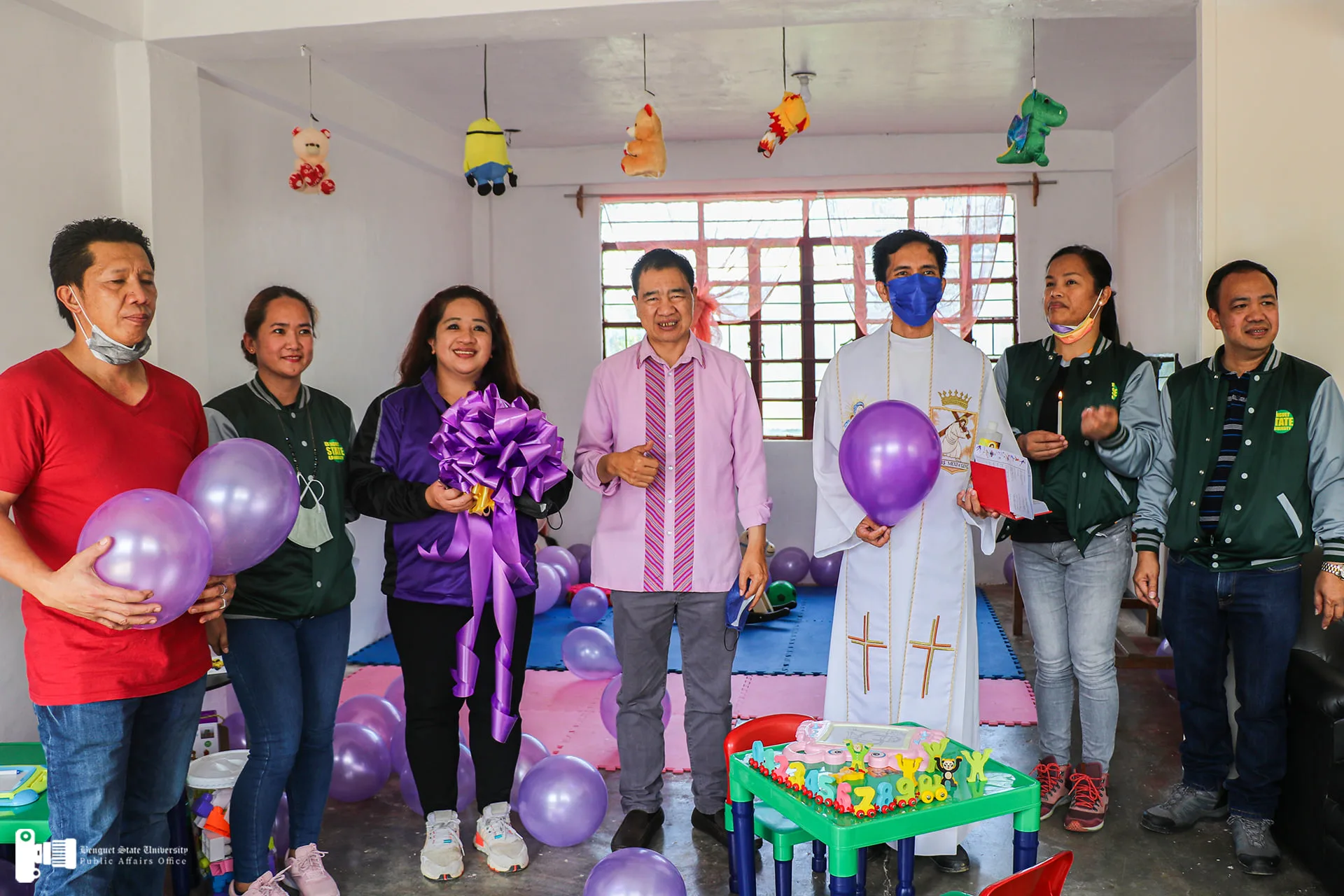
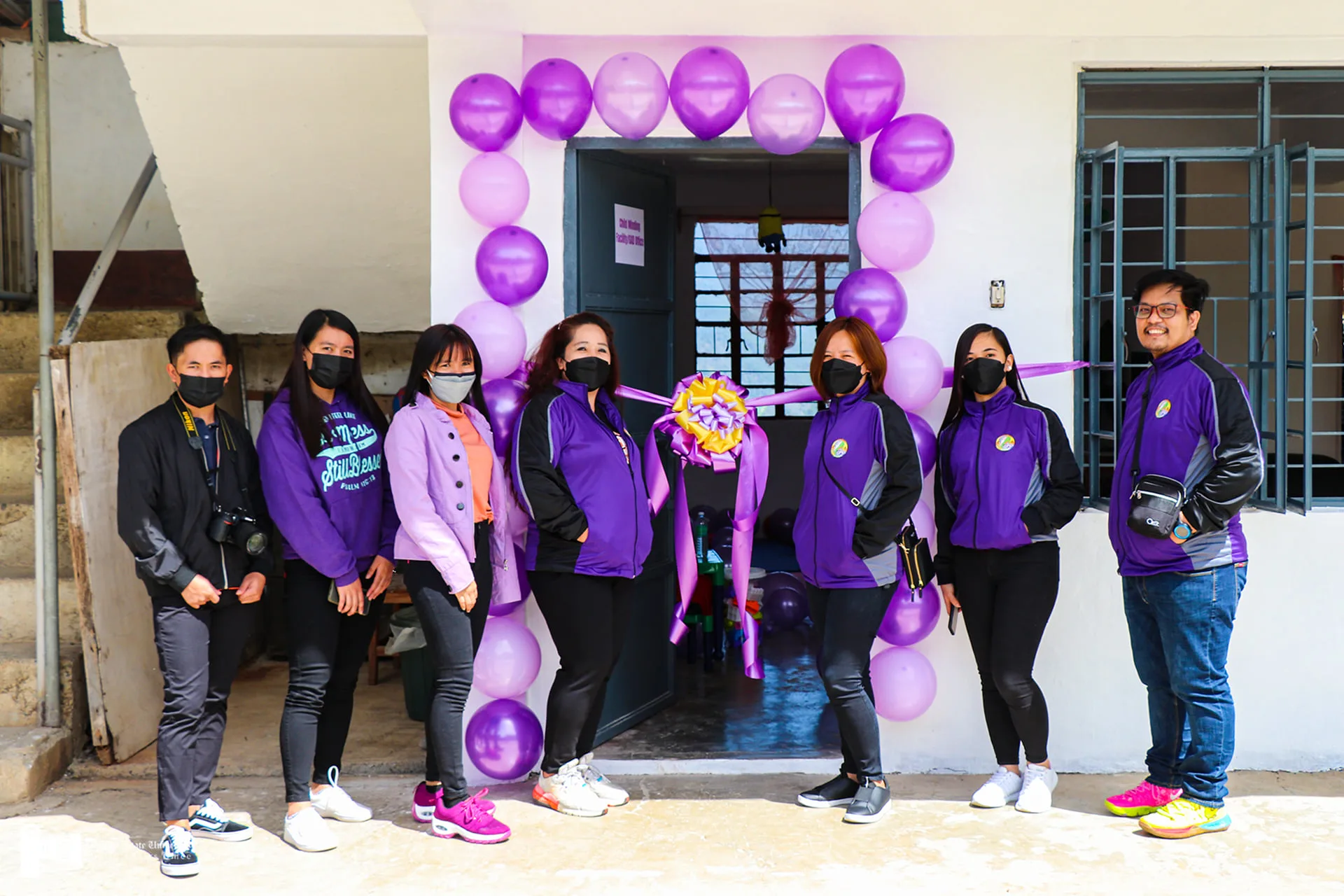
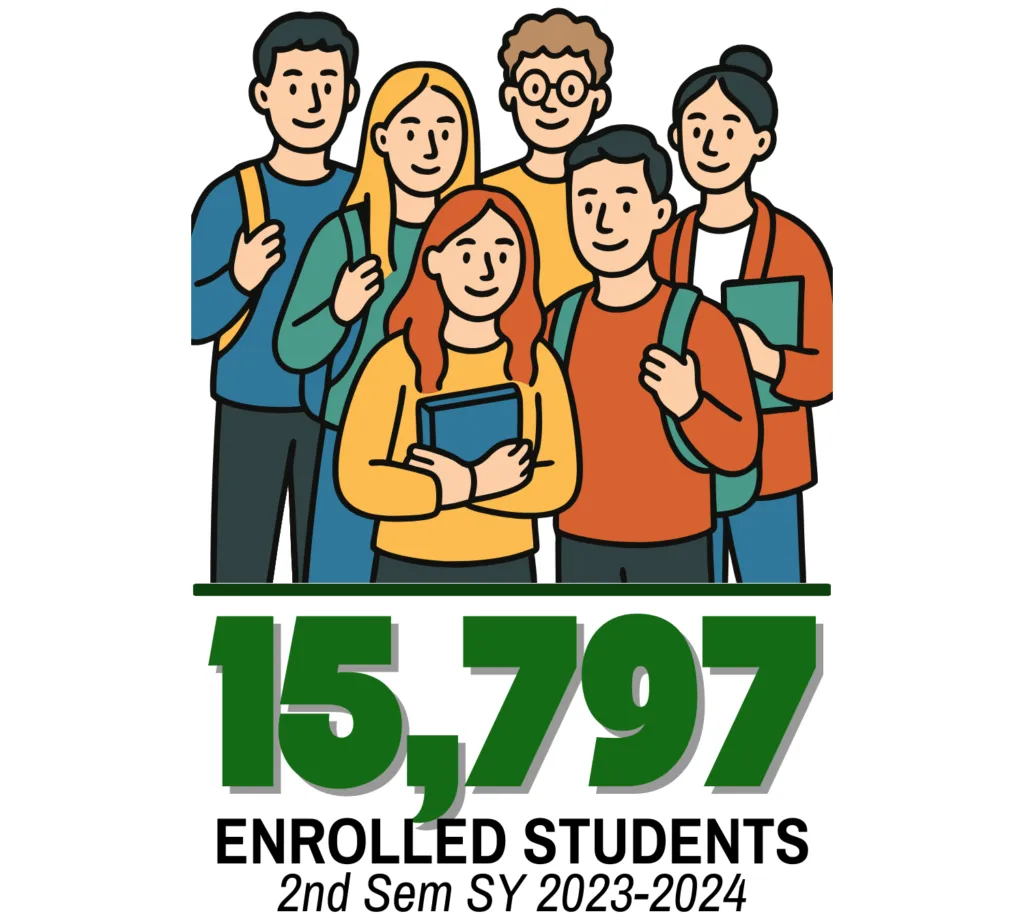
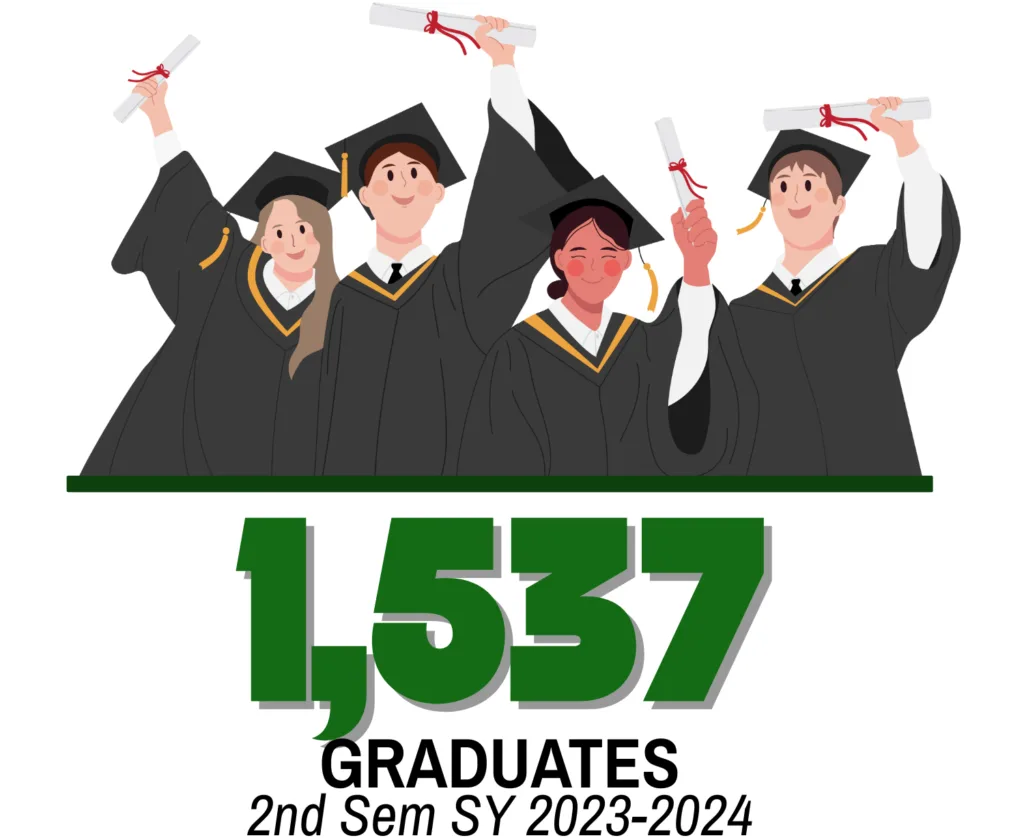
BSU upholds the Magna Carta of Women by enforcing strong protective mechanisms against discrimination and all forms of violence, including the implementation of institutional anti-sexual harassment policy that ensures a safe and inclusive environment for women and transgender individuals. It promotes work–life balance through maternity-related provisions aligned with CSC-MC-41-s-1998, supported by six lactation stations and four child-minding centers that provide safe, health-promoting spaces for employees and clients with childcare needs. Women across the University are further supported through structured mentoring initiatives, including capacity-building programs for the GFPS Technical Working Group to strengthen gender mainstreaming in institutional activities. Academic progression is monitored through the University’s Retention Policy, applied equally to all students, ensuring timely completion of studies; notably, recent institutional data show that women have consistently higher enrollment and on-time graduation rates compared to men.