





Benguet State University (BSU) has deepened its commitment to SDG 16 by implementing extension programs that strengthen justice, inclusion, and institutional trust. Through a range of partnerships, educational services, and awareness-raising campaigns, BSU has worked to ensure that more people have access to justice, participate meaningfully in institutions, and live in safer, more equitable communities.
University Governance Measures
ELECTED REPRESENTATION
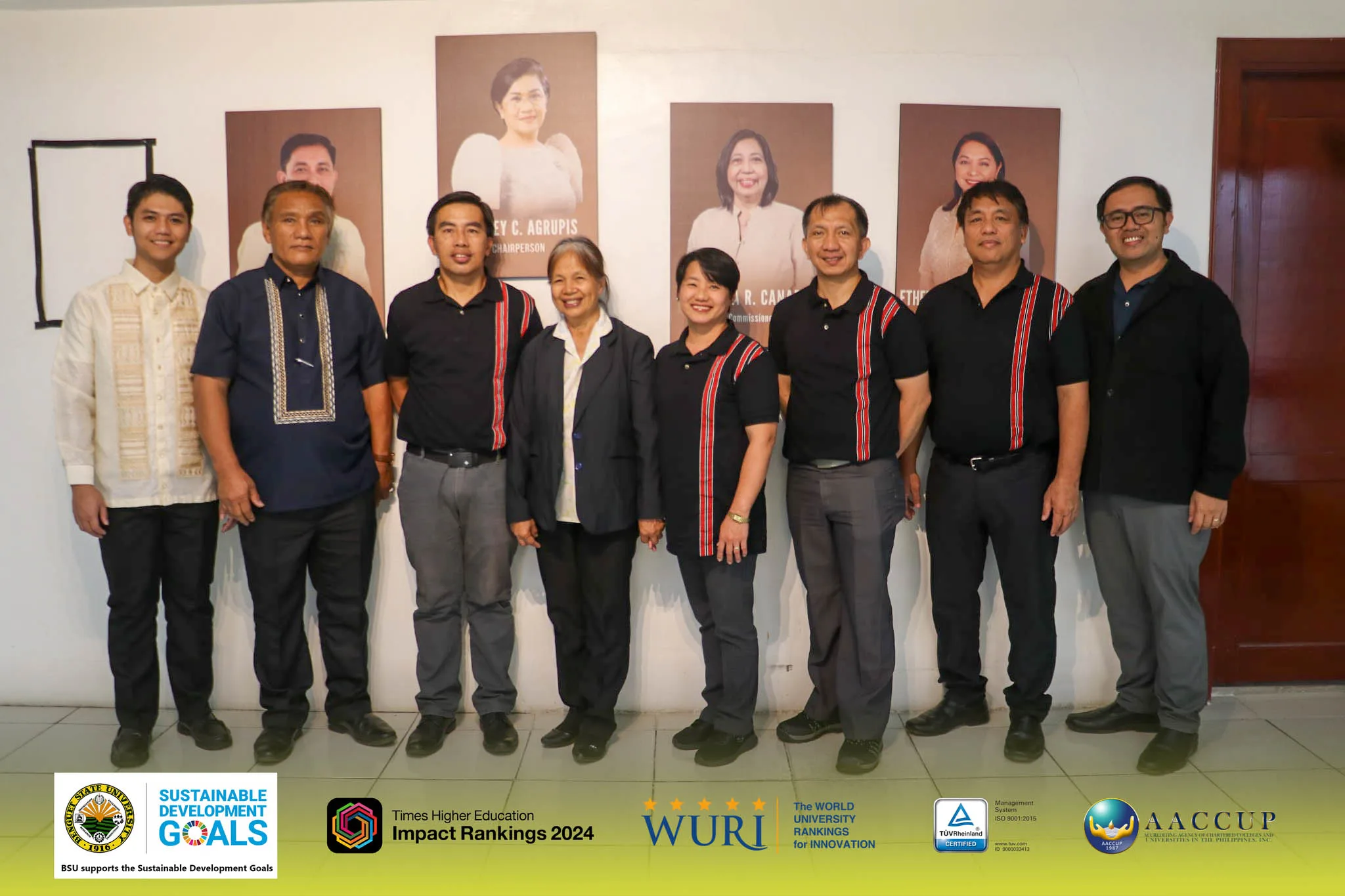
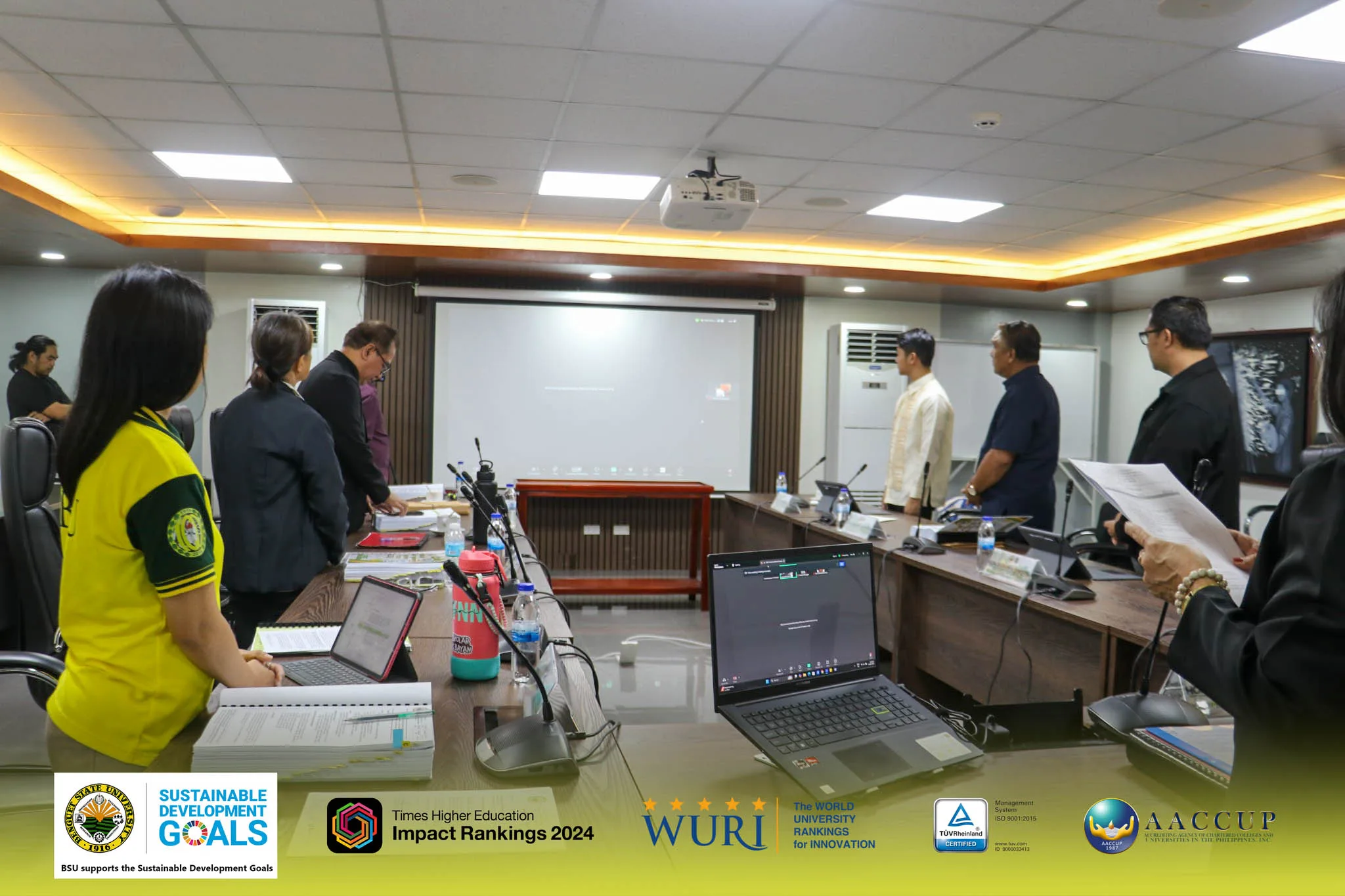
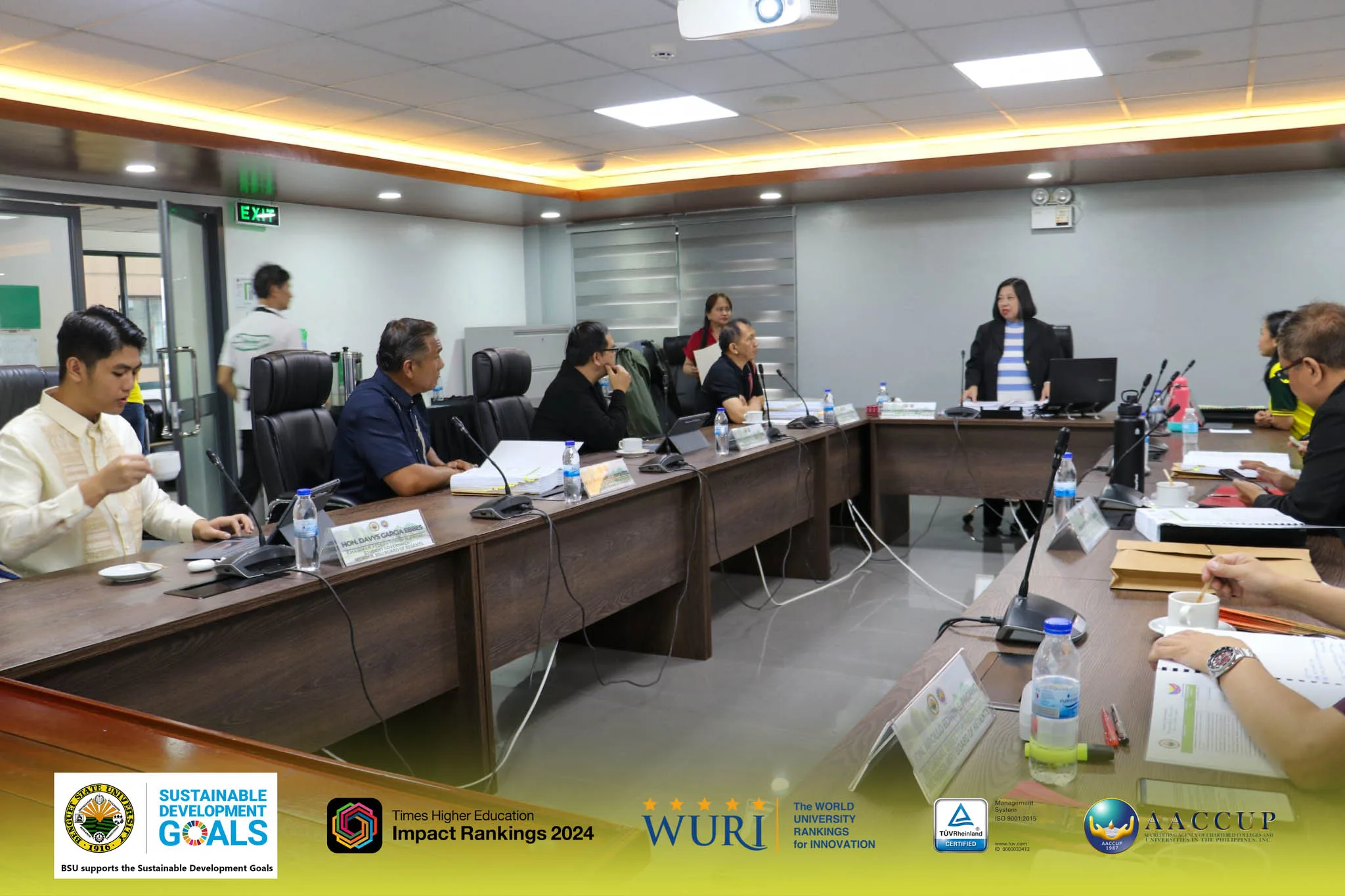
Benguet State University values shared and transparent governance by ensuring representation from elected representatives from the major sectors, including students, faculty, non-faculty employees, alumni, the private sector, and other stakeholders in the highest governing body, the Board of Regents(BOR).
In line with Republic Act 8292 and the University Charter, the BOR, which includes elected faculty regent for faculty and elected student regent for the student body, involves the Benguet State University Non-Teaching Association, which is the staff representative, in all the university-wide decision-making.
Through these elected representatives, BSU guarantees that faculty, students, and staff have a voice in the university’s policymaking and decision processes. This inclusive structure reflects BSU’s commitment to accountable and representative governance in support of Sustainable Development Goal 16: Peace, Justice, and Strong Institutions.
STUDENTS’ UNION
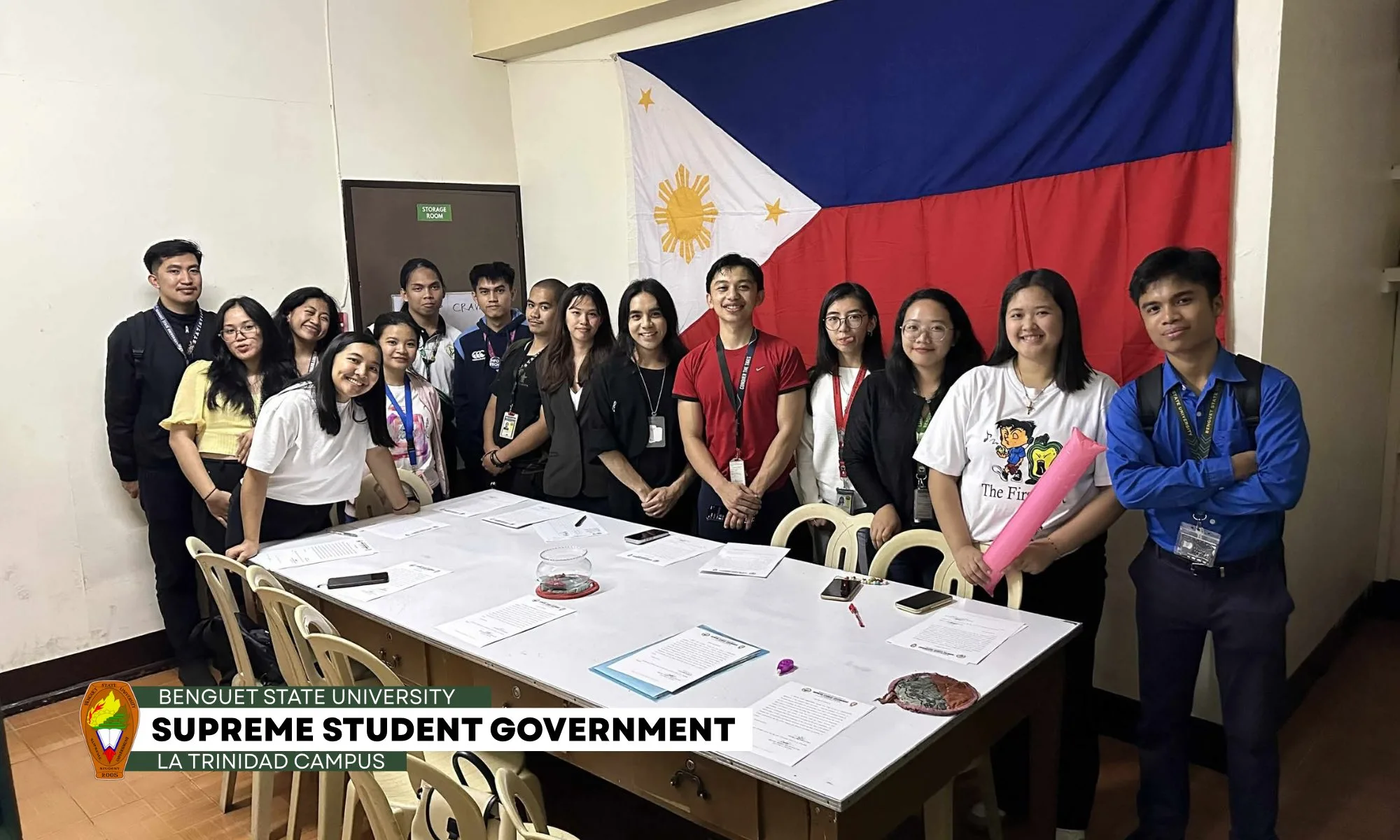
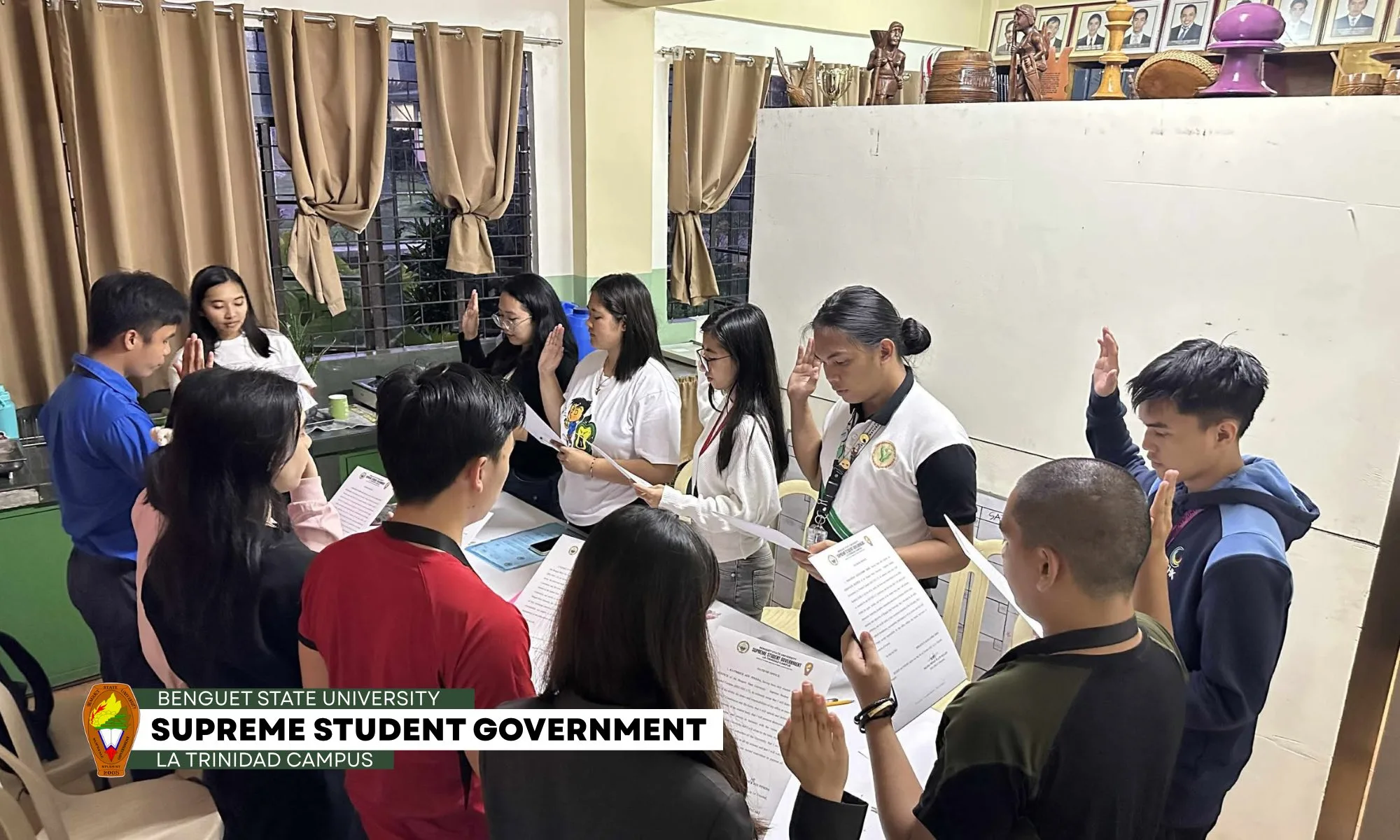
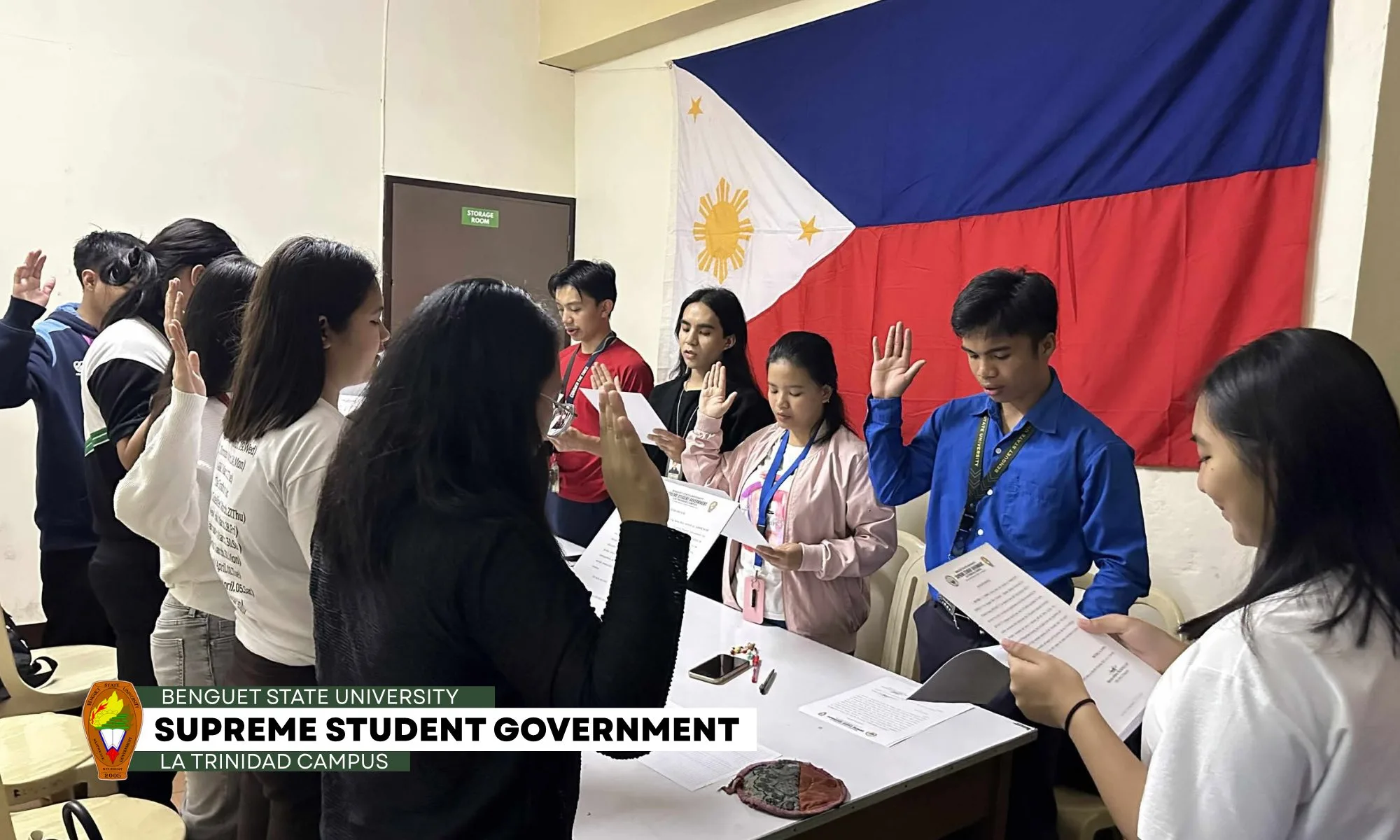
Benguet State University recognizes the Supreme Student Government (SSG) as the official and independent student body representing the students’ voice. It is a mandated student organization and serves as the mother organization of all other recognized student organizations of the university. The SSG, elected by the student body and guided by its own constitution and by-laws, gives input to university governance through the SSG President, who is the student regent in the Board of Regents. It also supports student welfare and leadership programs and organizes social, cultural, and extracurricular activities that enrich student life. Through the SSG, BSU fosters democratic values, student empowerment, and active participation in decision-making, reflecting its commitment to inclusive governance and Sustainable Development Goal 16: Peace, Justice, and Strong Institutions.
IDENTIFY AND ENGAGE WITH LOCAL STAKEHOLDERS
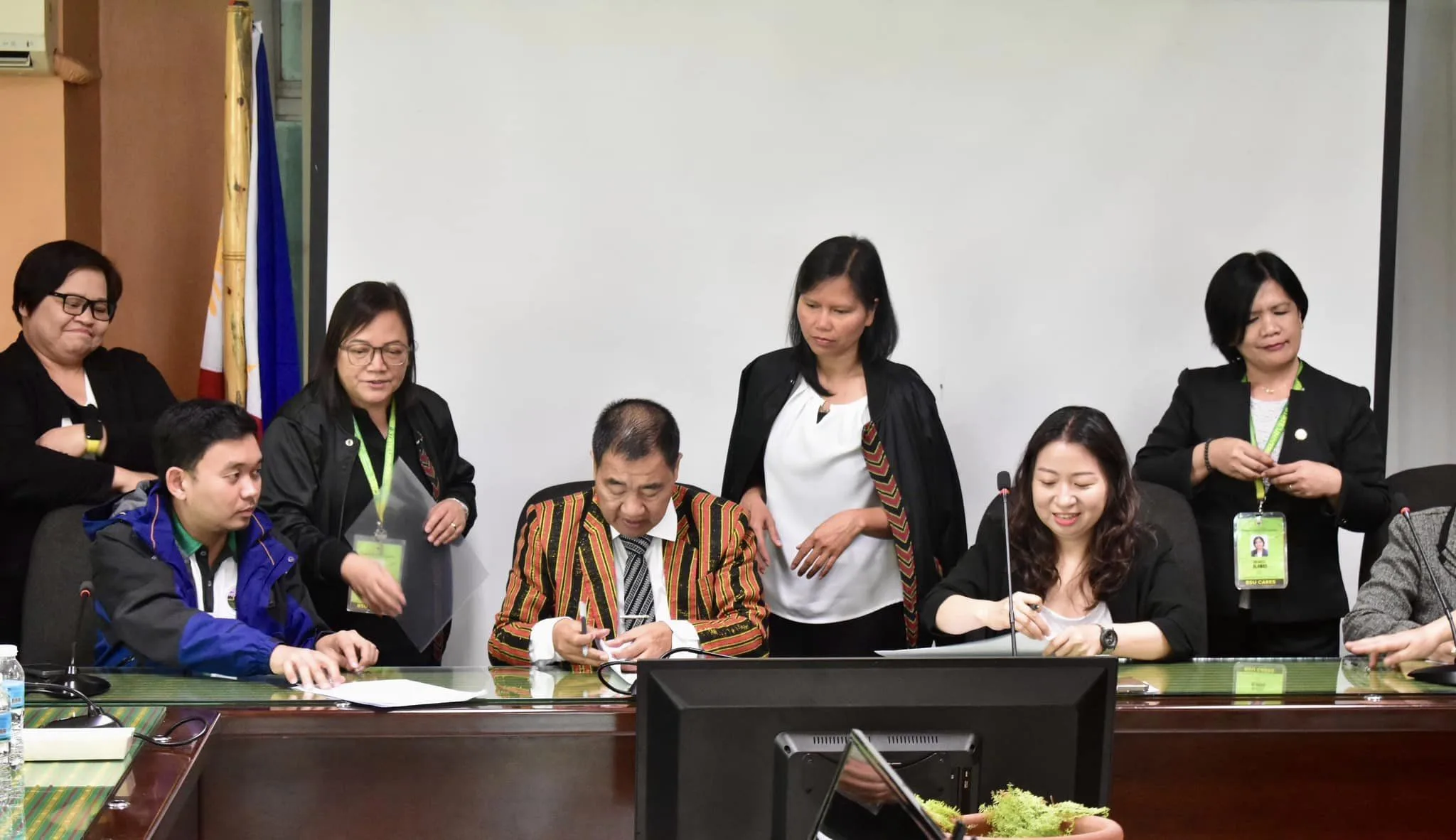
Benguet State University has a clear policy and procedure for identifying local partners outside the university. The “BSU Criteria in Selecting Local Partners” was approved during the Administrative Council meeting on March 31, 2021, through ADCO Action No. 31‑2021 and by the BOR through Board Resolution No. 204‑2021 during its 197th meeting on November 8, 2021. This shows the procedure and criteria for identifying stakeholders and has been in use since approval, resulting in the establishment of over 93 MOUs/MOAs with local governments, organizations, and private partners. This policy is part of BSU’s quality management framework, as outlined in the Quality Manual, which ensures the University regularly engages with stakeholders. By following this process, BSU ensures partnerships are fair, transparent, and mutually beneficial, supporting accountable and well‑governed institutions.
PARTICIPATORY BODIES FOR STAKEHOLDER ENGAGEMENT
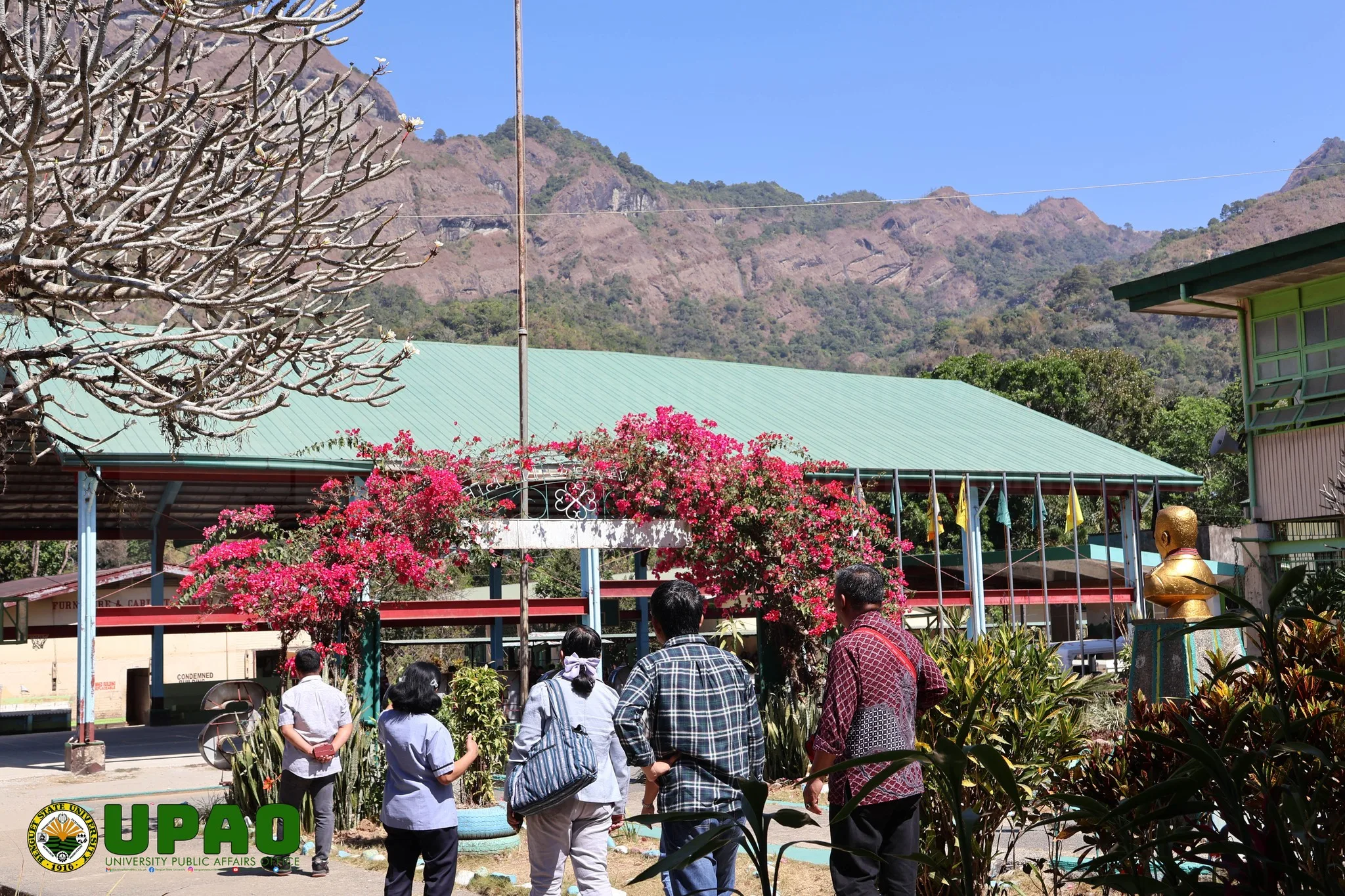
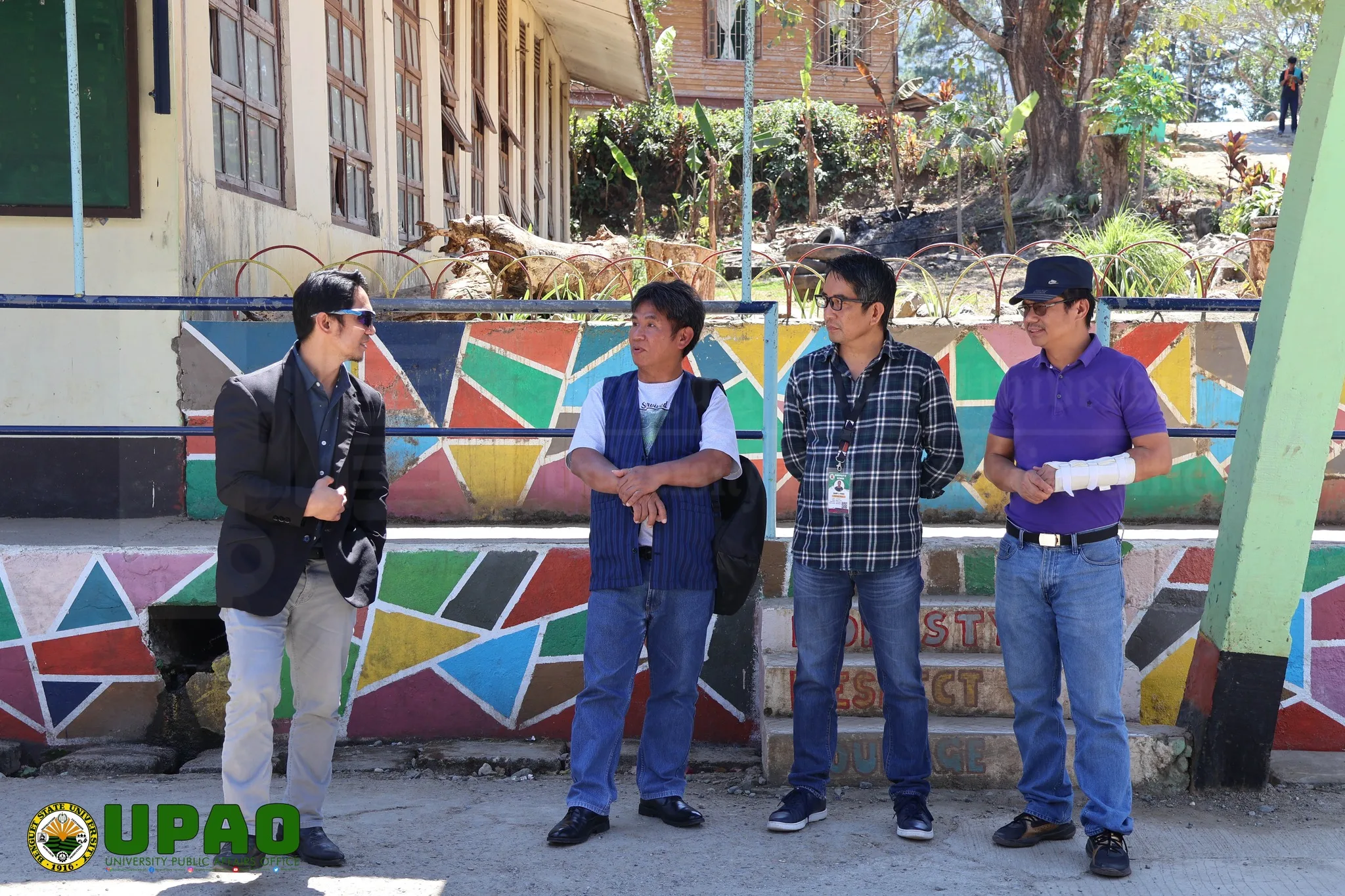
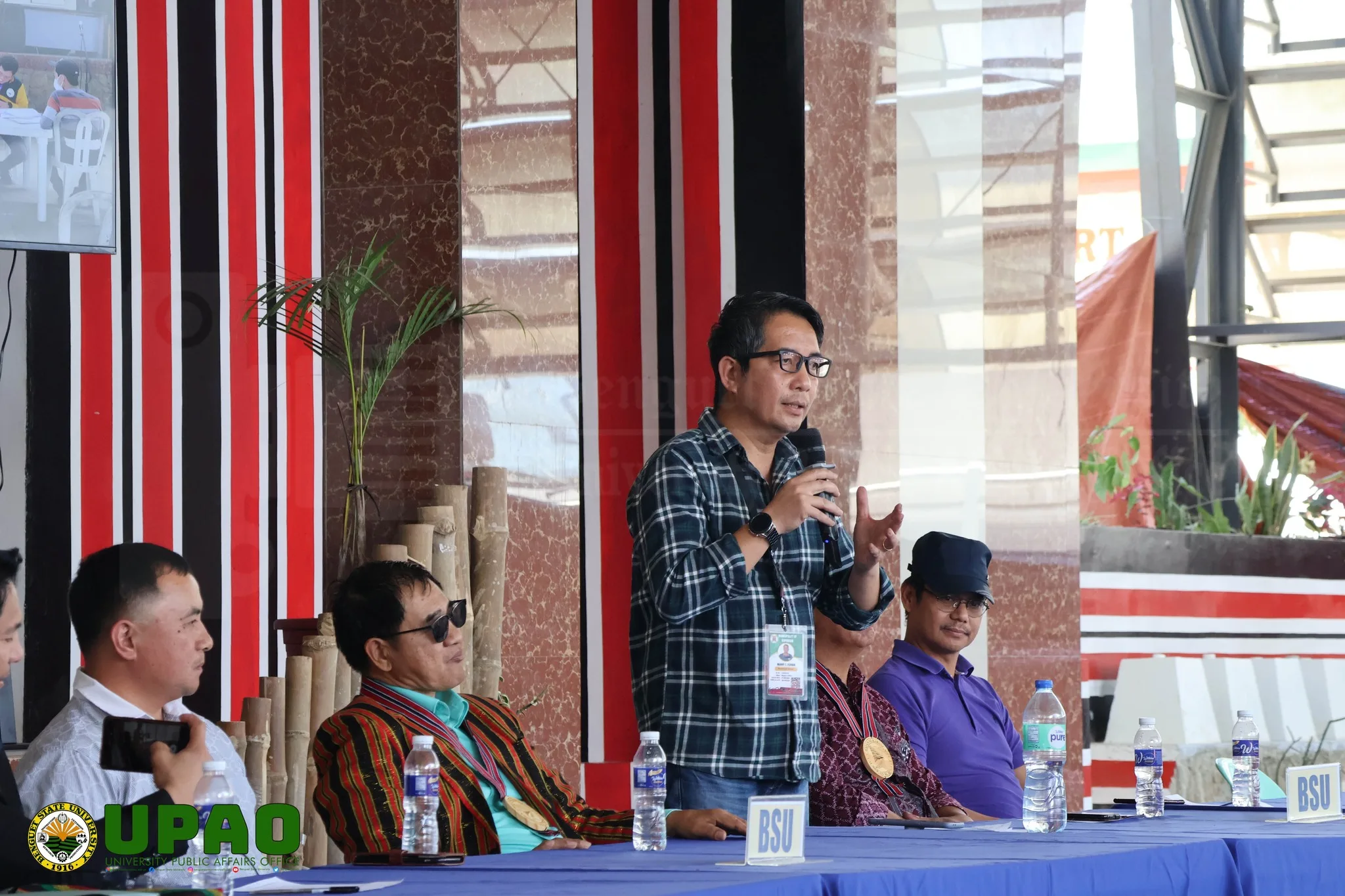
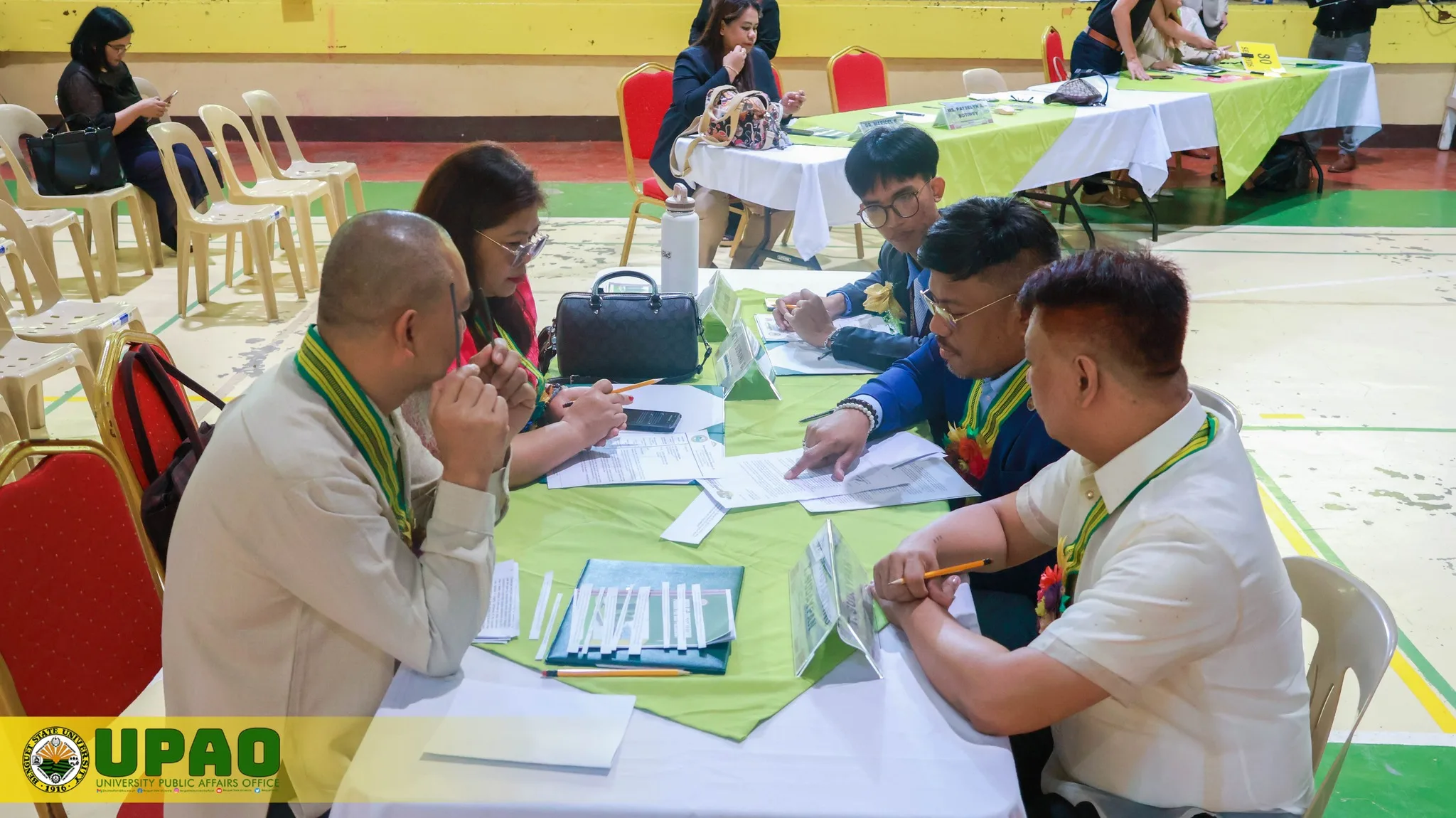
Benguet State University ensures that local stakeholders have meaningful opportunities to participate in university decision-making and planning. For example, in March 2024, BSU, in partnership with CHED and the Kapangan Local Government Unit, conducted a consultation meeting for the BSCrim extension program. Students, parents, and local officials were invited to share their views, raise concerns, and provide input on the program’s design and implementation. This consultation exemplifies BSU’s structured approach to engaging stakeholders, ensuring that programs respond to the needs and priorities of the communities they serve.
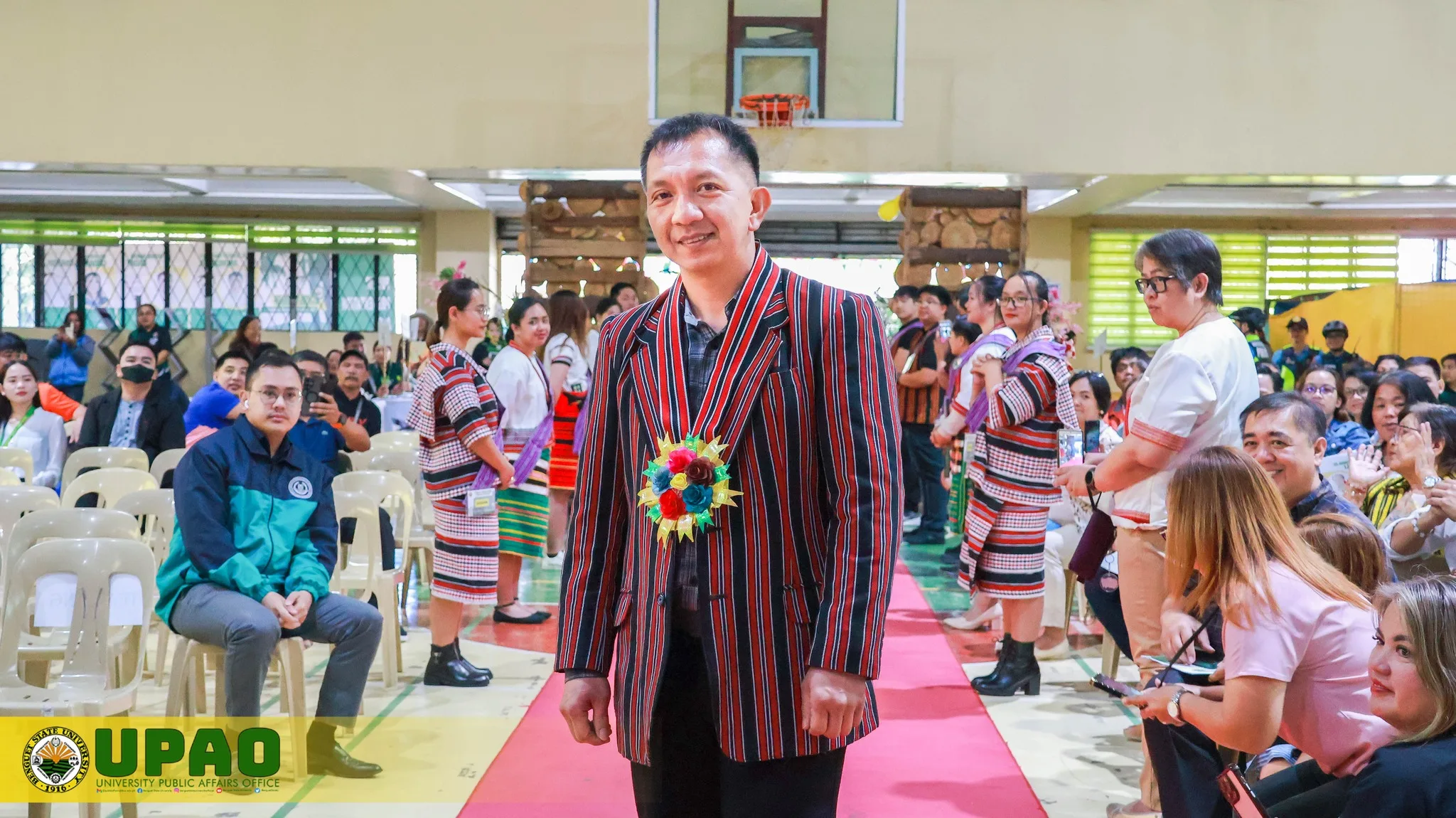
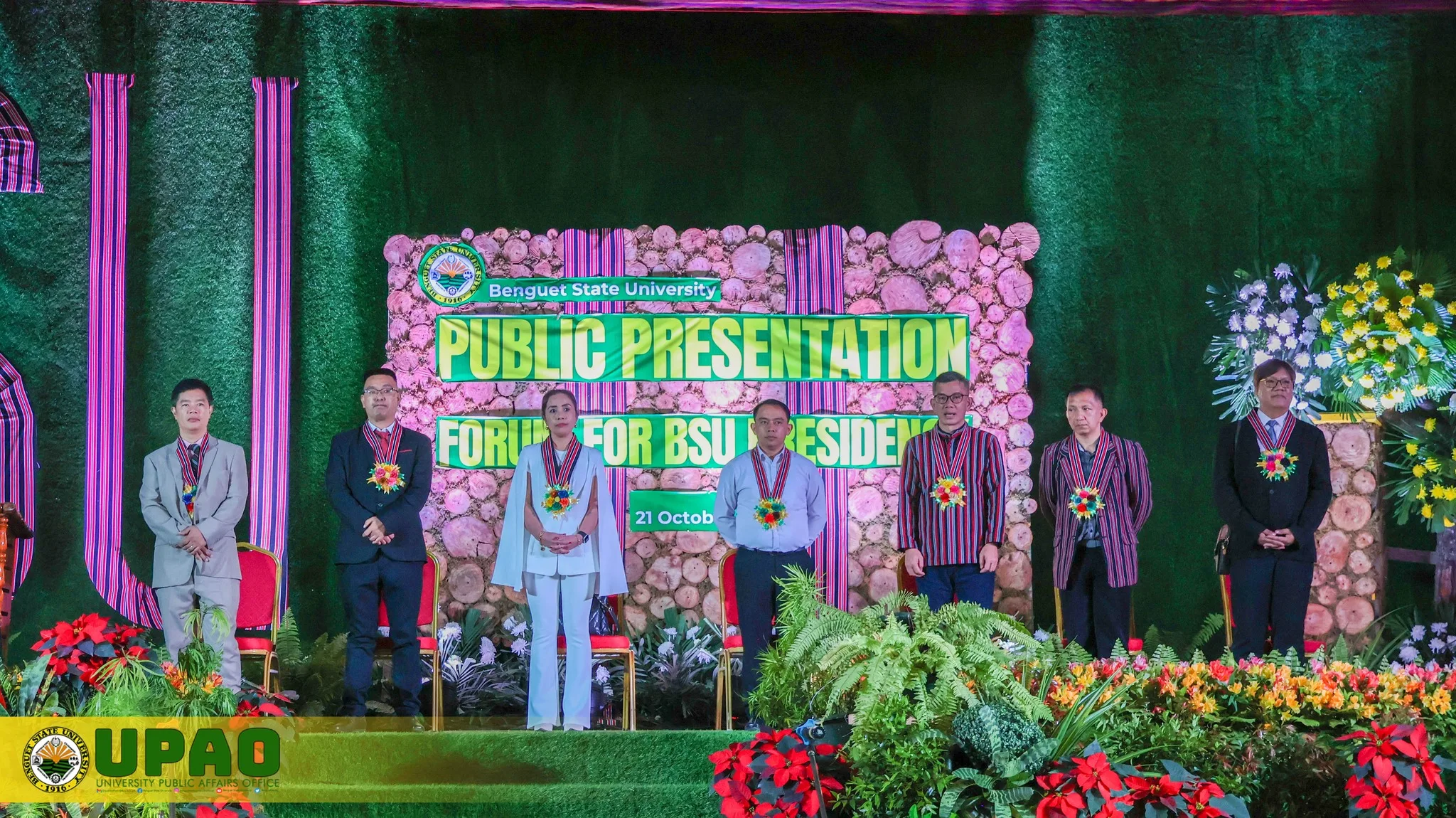
This mechanism is complemented by other consultative activities, such as the Public Presentation and Forum for the Search for the BSU President, where students, faculty, alumni, and community members were able to safely ask questions and provide feedback on leadership candidates. BSU also organizes forums on Indigenous Knowledge, bringing together the NCIP, DepEd, and community representatives to inform policies and academic programs with local and cultural perspectives.
These engagements provide multiple avenues for students, faculty, staff, local government units, and community members to have a voice in governance, program planning, and policy development. Aligned with Republic Act 8292, which requires participatory and transparent governance in state universities, these processes strengthen inclusiveness, accountability, and evidence-based decision-making. By listening to and incorporating diverse perspectives, BSU promotes responsive, fair, and community-centered governance, reinforcing trust and collaboration between the university and its stakeholders.
UNIVERSITY PRINCIPLES ON CORRUPTION AND BRIBERY

Benguet State University publicly affirms its stand against organized crime, corruption, and bribery through its Citizens’ Charter Handbook and other governance policies. The Charter is a publicly accessible document that clearly lays out the University’s service standards, timelines, procedures, and accountability measures for all transactions and processes. It guides students, faculty, staff, and the public on how to access services, what requirements are needed, and the expected duration of processes, helping prevent delays, favoritism, and unethical practices. The Charter is updated annually, whenever there are updates, to reflect improvements, ensure compliance with national regulations, and respond to the evolving needs of stakeholders.
BSU also maintains a Transparency Seal on its official website, which is a government-mandated platform that provides open access to critical information such as financial statements, procurement plans, annual reports, and performance indicators. The Transparency Seal allows the public to monitor the University’s financial performance and administrative actions, ensuring that resources are used responsibly and in accordance with the law. Together, the Citizens’ Charter and the Transparency Seal provide a dual framework for openness: the Charter focuses on service delivery and operational transparency, while the Seal highlights financial transparency and institutional accountability.
Under Goal 5 of its strategic plan, BSU emphasizes good governance and responsible management of resources. Complementing these tools, the University enforces its Equal Employment Opportunity Policy, ensuring fairness and inclusivity in hiring and other personnel processes. Through these combined measures, BSU fosters a culture of integrity, strengthens trust among stakeholders, and demonstrates its commitment to transparent, accountable, and effective governance in higher education.
ACADEMIC FREEDOM POLICY
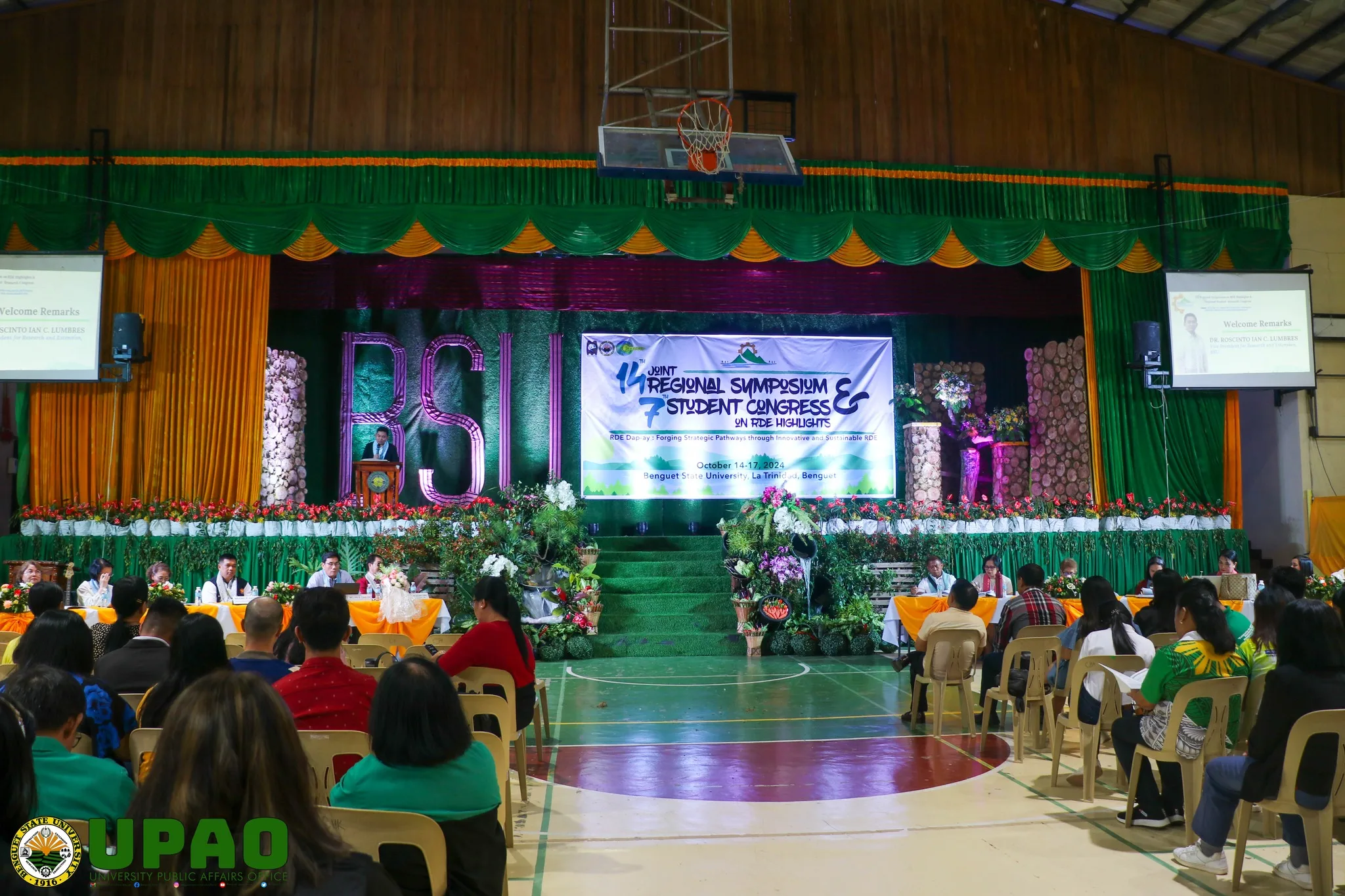
Benguet State University upholds academic freedom as guaranteed by Article XIV, Section 5(2) of the 1987 Philippine Constitution and reinforced by CHED Memorandum Order No. 07, s. 2022 Rule X, Section 26, which affirms that all higher education institutions shall enjoy academic freedom and institutional autonomy. Guided by this mandate, BSU ensures that its faculty, researchers, and students have the freedom to teach, study, and choose their areas of research without undue interference. This commitment is embedded in the 2019 BSU Student Handbook, which promotes student freedom balanced with accountability, and in the Research and Extension Manual of Operations, which protects research integrity, ethical standards, and institutional autonomy. These frameworks ensure that BSU promotes open inquiry, responsible scholarship, and evidence-based teaching by helping build a culture of integrity, accountability, and good governance.
PUBLISH FINANCIAL DATA
Benguet State University promotes transparency and accountability by making its financial information available to the public. Through the University’s Transparency Seal on its official website, BSU publishes annual financial documents such as the Financial Accountability Reports, Audited Financial Statements, and other required reports. These include the Detailed Statement of Financial Performance, which shows the University’s revenues, expenses, subsidies received, and overall financial standing.
By openly sharing these reports, BSU ensures that its financial operations are clear and well-monitored, and that the public can see how funds are used to support instruction, research, extension, and development programs. This practice helps strengthen institutional integrity and builds trust in BSU as a publicly funded higher education institution.
Working With Government
PROVIDE EXPERT ADVICE TO THE GOVERNMENT
Benguet State University provides expert advice and technical guidance to local, regional, and national governments through research, training, and policy engagement. Its initiatives help improve governance, promote accountability, and support evidence-based decision-making across all levels of administration.
Locally
Benguet State University extends expert advice and capacity-building support to local government units and community partners through policy-oriented orientations and training programs. The College of Public Administration and Governance conducted an orientation on Civil Service Resolution No. 2100064, which clarified the Revised Administrative Disciplinary Rules on Sexual Harassment Cases. This helped strengthen ethical governance and promote safe, respectful workplaces within public institutions. BSU also organized the Basic Bookkeeping and DOLE Compliance training in partnership with government agencies and cooperatives to equip local entrepreneurs with essential business management and labor compliance skills. These initiatives enhance transparency, accountability, and professionalism in local governance and entrepreneurship.
Regionally
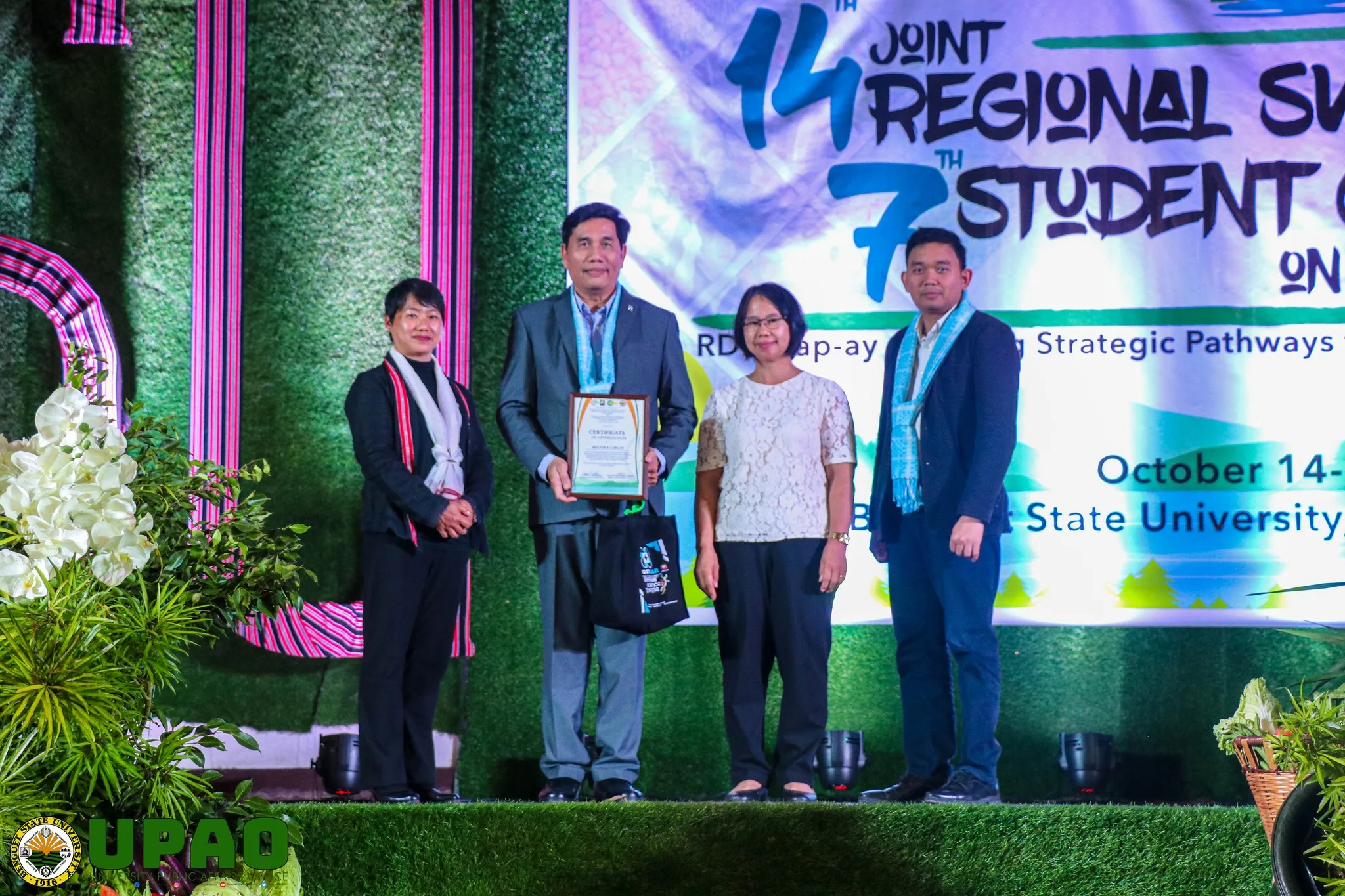
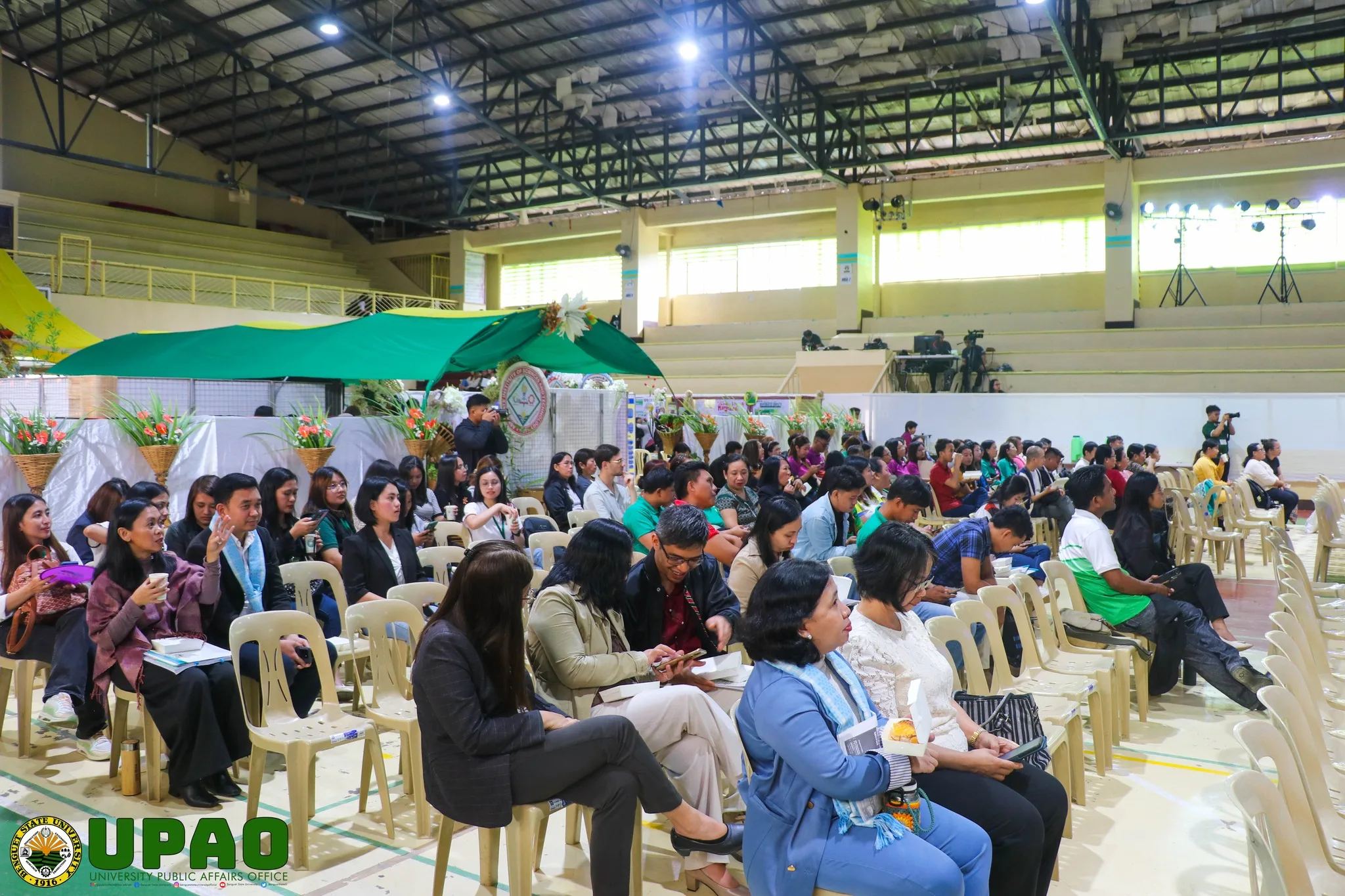
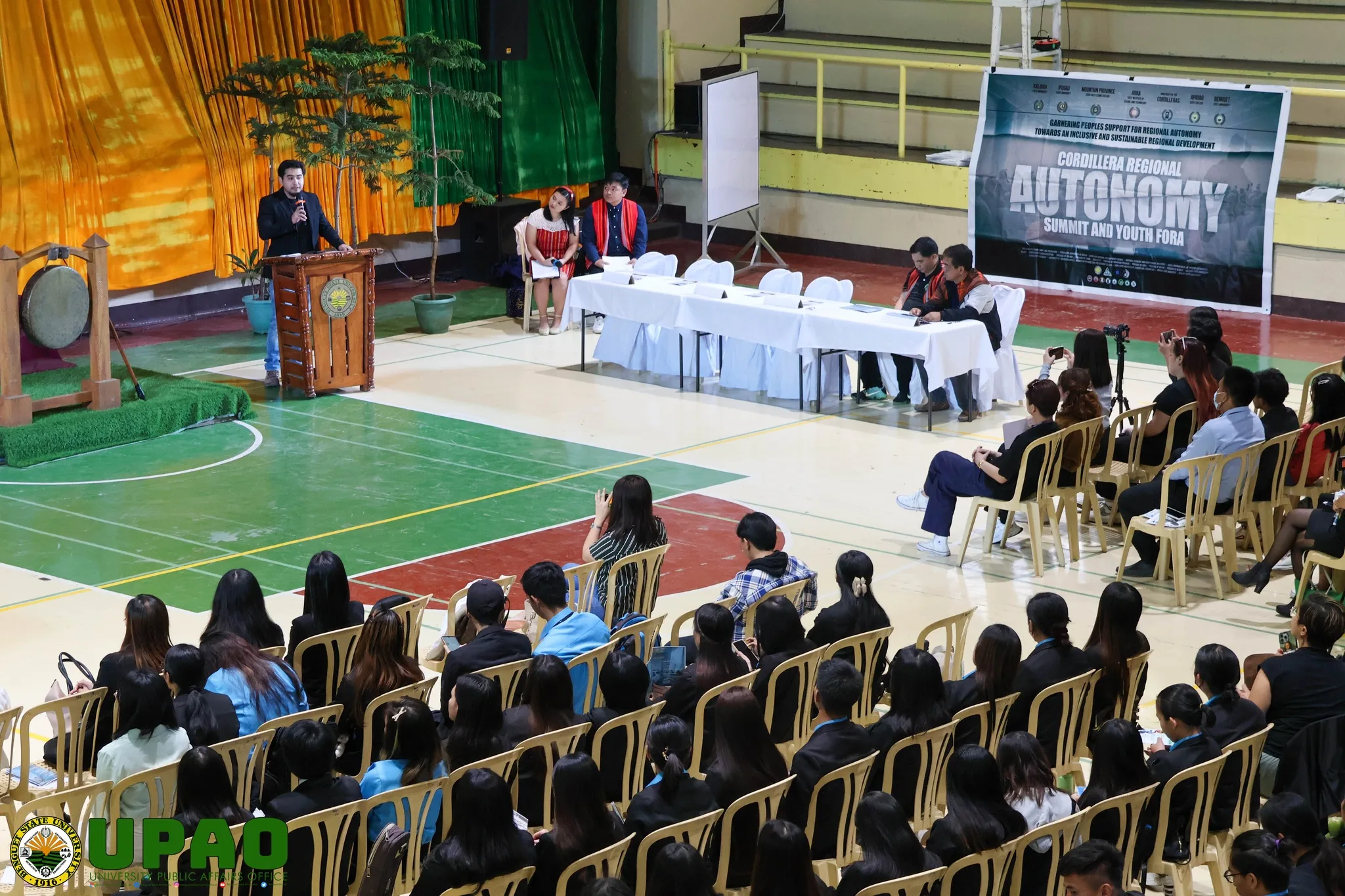
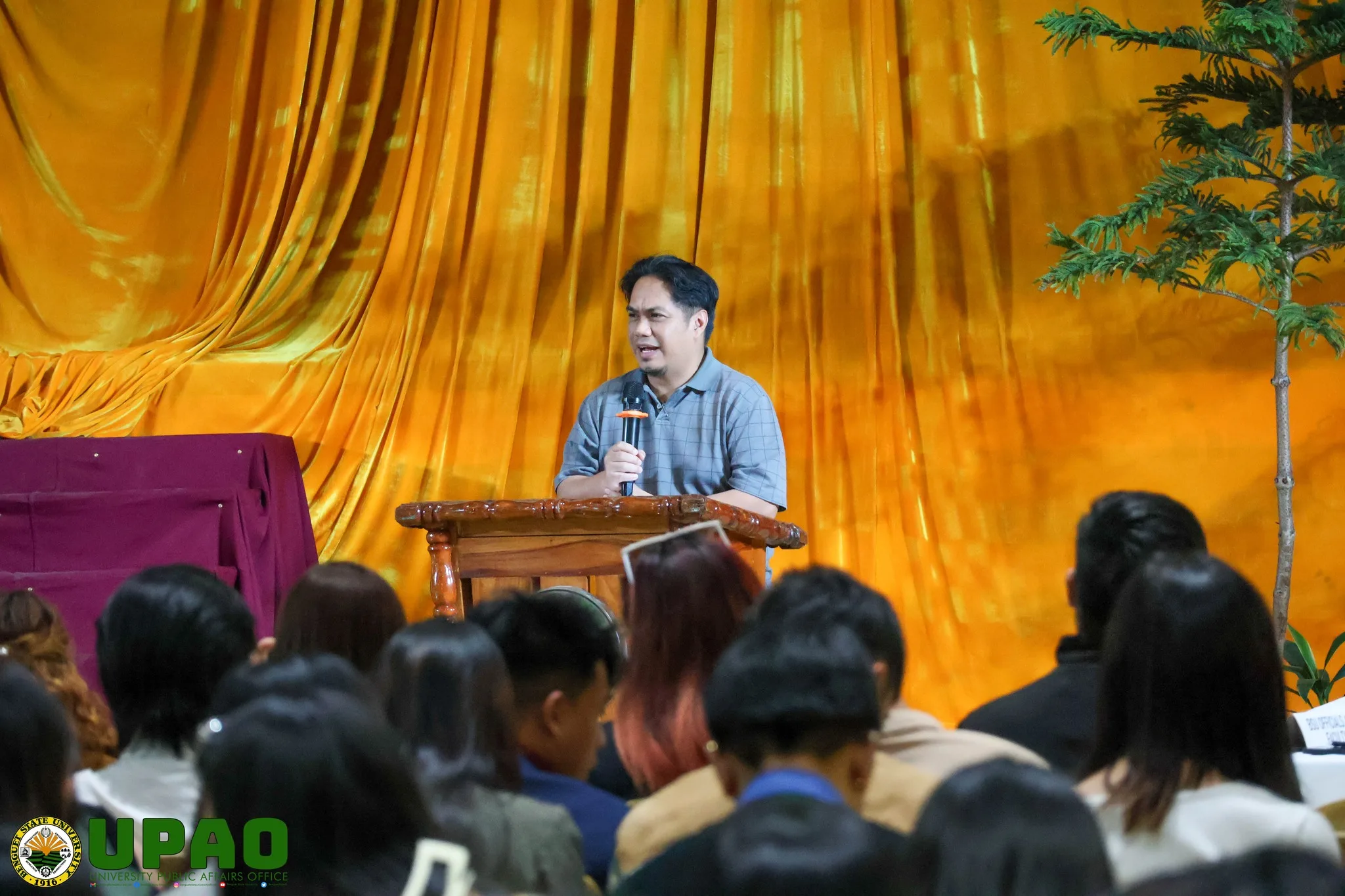
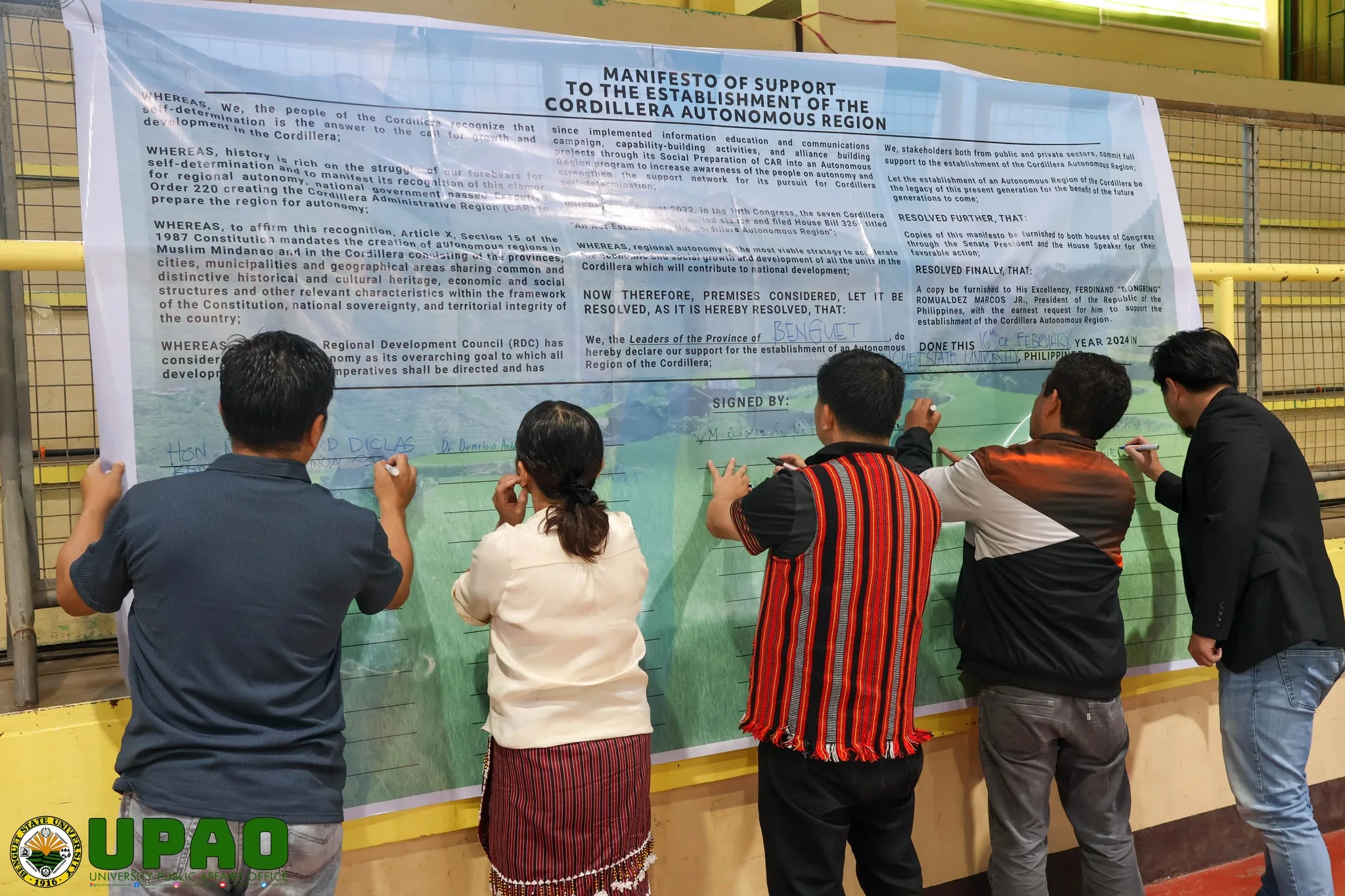
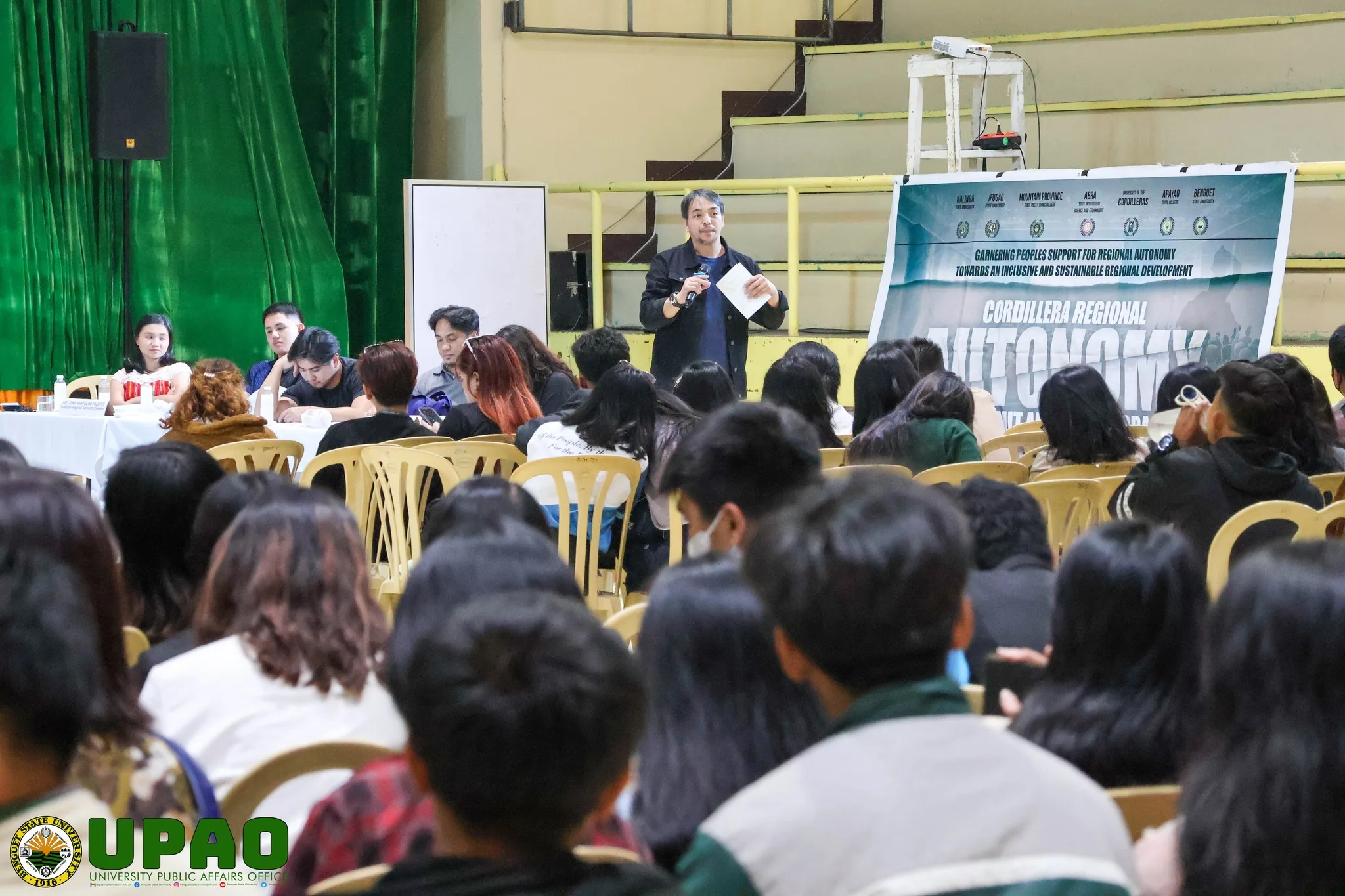
Benguet State University continues to strengthen institutional partnerships and promote good governance across the Cordillera region through research collaboration, policy engagement, and civic education. In 2024, BSU and the Cordillera Consortium for Agriculture, Aquatic, and Resources Research and Development formalized the Enhanced Regional Collaborative Program to foster joint research, policy innovation, and institutional development in the region. BSU also hosted the 14th Regional Symposium on Research, Development, and Extension Highlights and the 7th Regional Student Research Congress, where researchers, educators, and policymakers shared findings that inform regional policy and governance. BSU likewise hosted the Cordillera Autonomy Summit and Youth Fora, aligning with the Cordillera Regional Development Council’s Information, Education, and Communications Campaign toward regional autonomy. The forum gathered students, local officials, and regional representatives, including NEDA-CAR, CHED-CAR, and municipal mayors, to discuss the implications of autonomy and civic participation. It was highlighted by an open forum, manifesto signing, and mock plebiscite that encouraged youth engagement in regional self-governance.
These regional initiatives promote participatory leadership, transparency, and collaborative governance, further advancing Peace, Justice, and Strong Institutions.
National
Benguet State University provides expertise to national governments through its Informing Policy and Practice program. The IPP series produces policy briefs that translate research findings into actionable recommendations on agriculture, forestry, public administration, Indigenous health, and community development. For example, gender responsiveness in strawberry processing cooperatives helps governments design more inclusive programs for farmers. Faculty and researchers also participate in committees, technical working groups, and policy consultations, ensuring that government programs and policies are guided by reliable evidence. These activities help improve decision-making, service delivery, and governance, strengthening institutions and promoting accountability. By providing accessible, research-based policy guidance at all government levels, it supports the advancement of strong institutions, effective governance, and inclusive, evidence-informed public policy.
POLICY AND LAWMAKERS OUTREACH AND EDUCATION
Benguet State University provides capacity-building programs for policymakers, local government units, and community leaders as part of its commitment to strengthening governance and supporting informed public service. Several units contribute to this work, including the College of Public Administration and Governance (CPAG), the College of Social Sciences, and the Institute of Social Research and Development, along with other BSU offices involved in community engagement and extension programs.
In 2024, BSU helped organize the “AP-APAT: Valuing and Promoting Indigenous Knowledge towards Transformative Leadership and Governance” forum, which brought together lawmakers, policymakers, government officials, educators, and local stakeholders to promote inclusive and culturally grounded leadership. CPAG also continues to offer its regular programs, CPAG sa BATAS, CPAG BEAMS, and CPAG Aralan, providing legal literacy, governance innovation, and leadership development.
Through these combined efforts, BSU supports stronger institutions, encourages evidence-based decision-making, and promotes active, inclusive participation in governance.
PARTICIPATION ON GOVERNMENT RESEARCH
Benguet State University actively supports evidence-based policymaking by working closely with government agencies through research and open dialogue. One of the key ways BSU does this is through the Tongtongan, a local term that means “conversation,” “dialogue,” or “community discussion.” True to its name, Tongtongan is a platform where BSU researchers, teachers, government partners, and community members come together to openly talk about issues, share findings, and identify what policies or programs need improvement.
In November 2024, BSU, through the Higher Education Regional Research Center, College of Teacher Education, the Research and Extension Publication Office, and the Office of Extension Services, hosted the 3rd Educators’ Forum or “Tongtongan.” This annual gathering helps bridge the gap between research and policymaking. It brought together DepEd-Benguet, CHED-CAR, local government education committees, faculty researchers, and other education stakeholders. BSU researchers shared studies related to learning, school programs, and local education challenges, giving government partners updated information that can guide decisions.
A key highlight of the 2024 forum was the reverse pitching session. Instead of only listening to researchers, government officials and policymakers presented their own research needs and policy concerns. They explained what information they needed from BSU to help them develop or improve programs. This open exchange helped both sides understand each other better and align their priorities.
Through the Tongtongan, BSU strengthens cooperation between the university and government partners, making sure that research directly supports real-life policies and services. It also helps ensure that decisions are grounded in data, experience, and community voice. By keeping these dialogues open and inclusive, BSU supports better governance, transparent decision-making, and stronger public institutions.
NEUTRAL PLATFORM TO DISCUSS ISSUES
Benguet State University provides safe and neutral platforms where different groups can openly discuss important issues that affect the university and the wider community. One key example is Kapihan sa BSU, a regular public conversation held during major university events. In these sessions, media personnel, civil society groups, local residents, students, faculty, and staff are informed about the current state of the university and are encouraged to raise questions or concerns. These dialogues help clarify issues, strengthen transparency, and build trust between the university and the community.
Another major mechanism through a forum, one example is the Public Presentation and Forum for the Search for the BSU President held on October 21, 2024. During this event, all presidential candidates were given equal space to present their vision, mission, and plans for the university. Students, faculty, staff, alumni, local officials, and community members were invited to listen and to ask questions freely. The open-question format allowed people to raise concerns about governance, academic programs, partnerships, and student welfare. This ensured that the leadership selection process was transparent, participatory, and aligned with community expectations.
These platforms are part of BSU’s broader commitment to participatory governance. They create opportunities for sectoral groups, including youth, local government units, partner agencies, parents, and indigenous communities, to safely share their experiences and offer ideas that can shape university policies, plans, and programs. Through these open consultations and public forums, BSU promotes accountability, encourages honest dialogue, and strengthens democratic practices across the institution.
By maintaining these inclusive and trusted spaces, BSU contributes to building institutions that are responsive, transparent, and community-oriented. These efforts directly support the principles behind SDG 16 by helping ensure that decisions are made through fair, informed, and people-centered processes.
EXTENSION ACTIVITIES
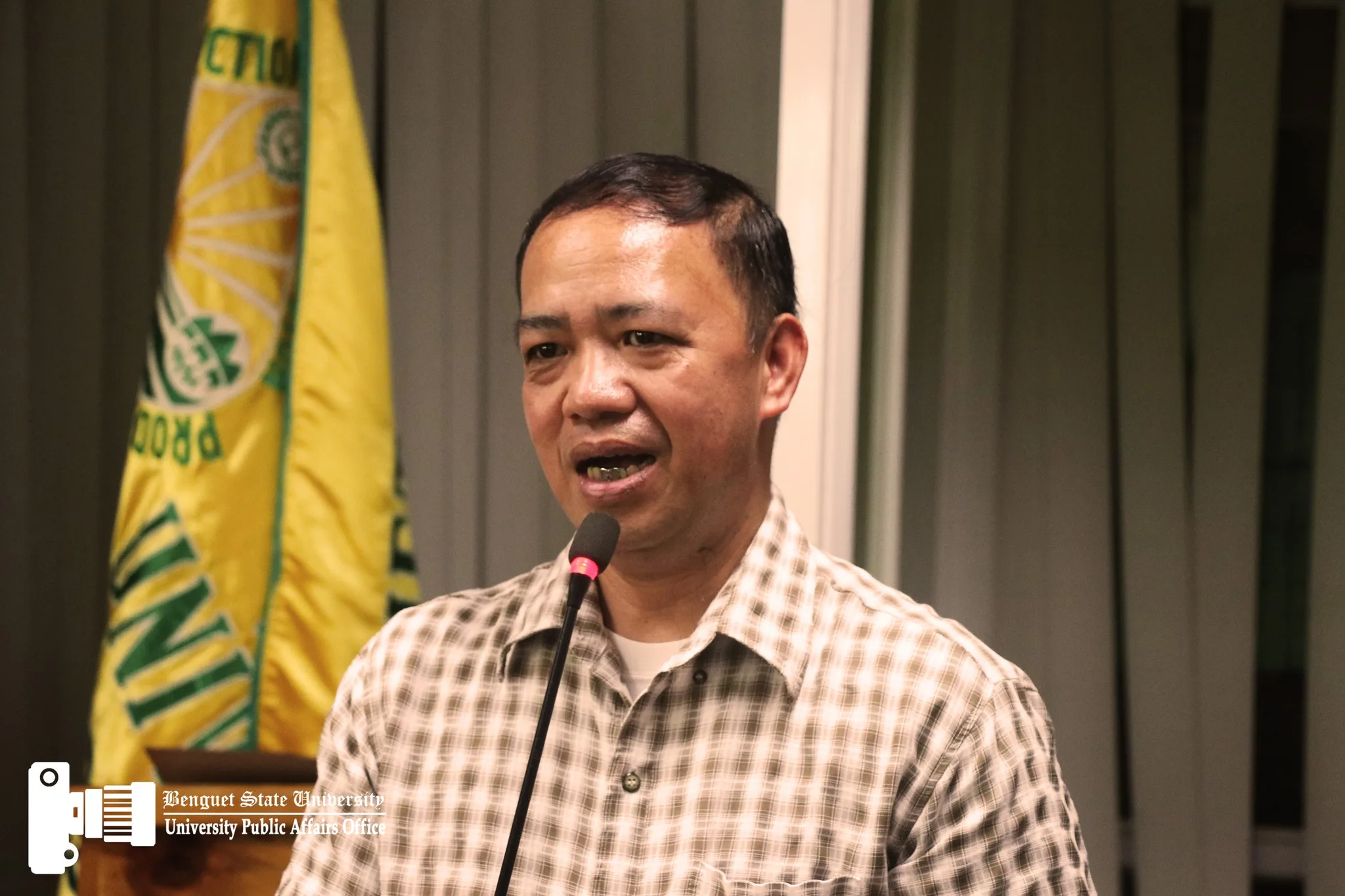
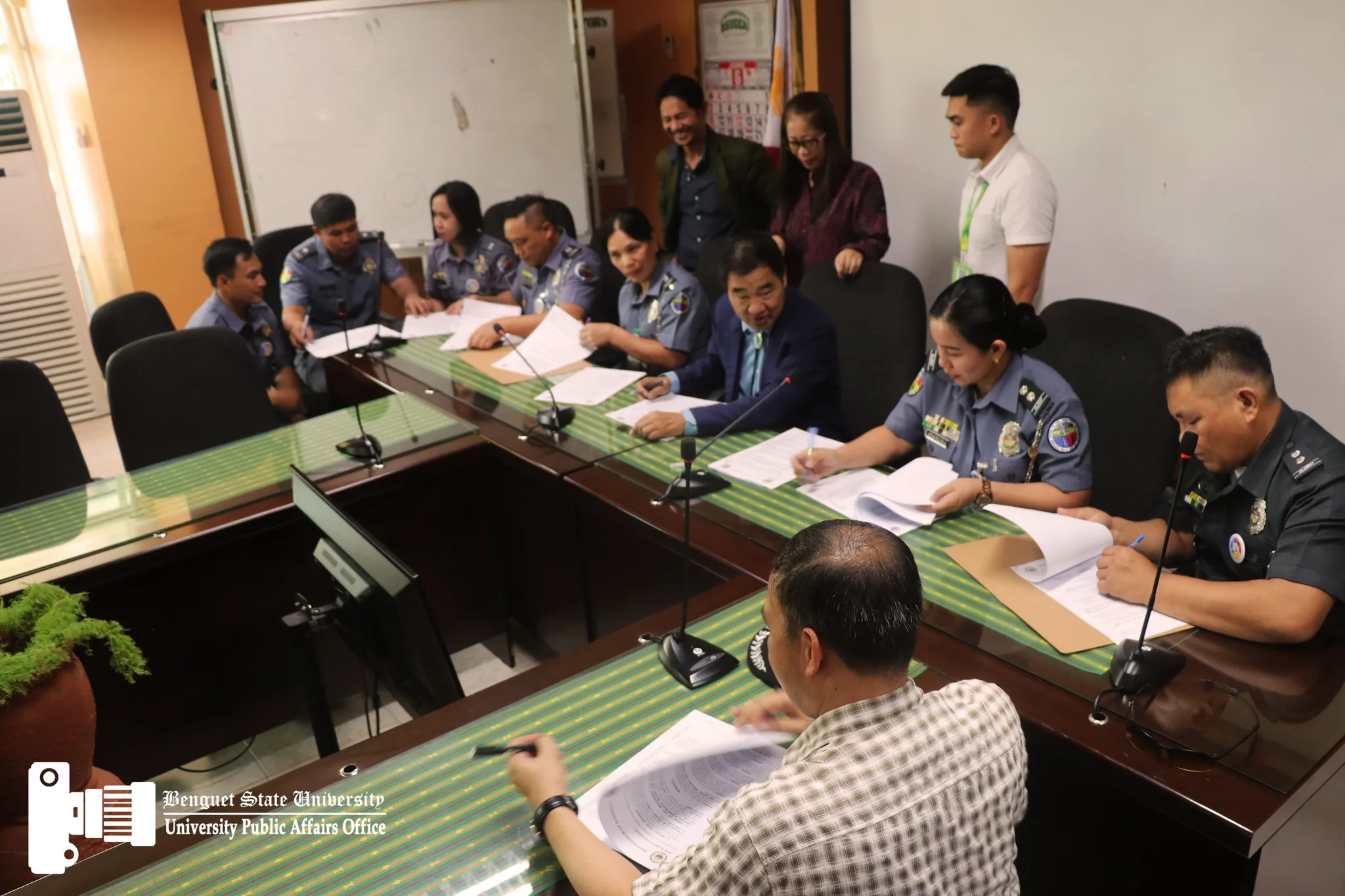
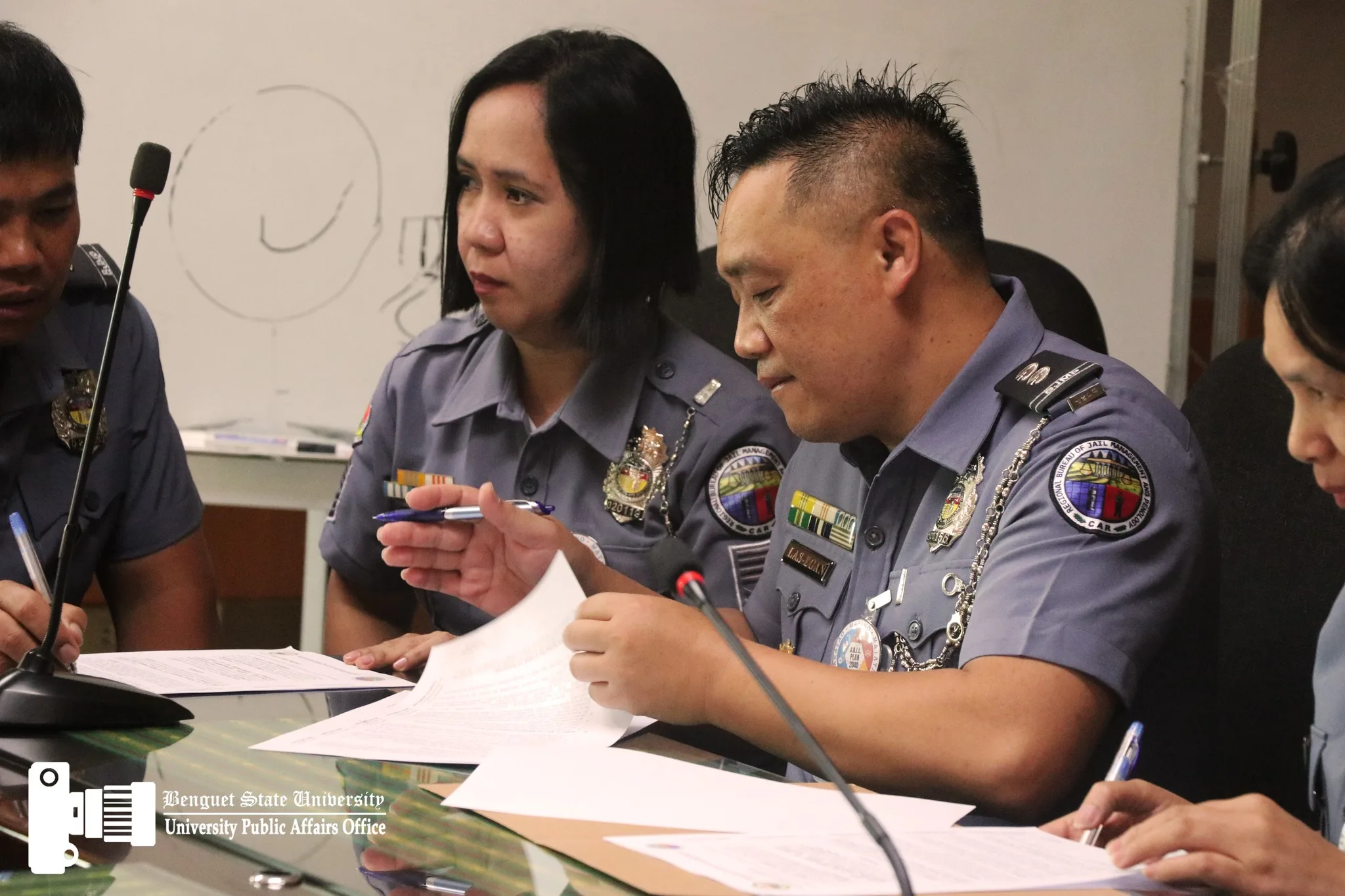
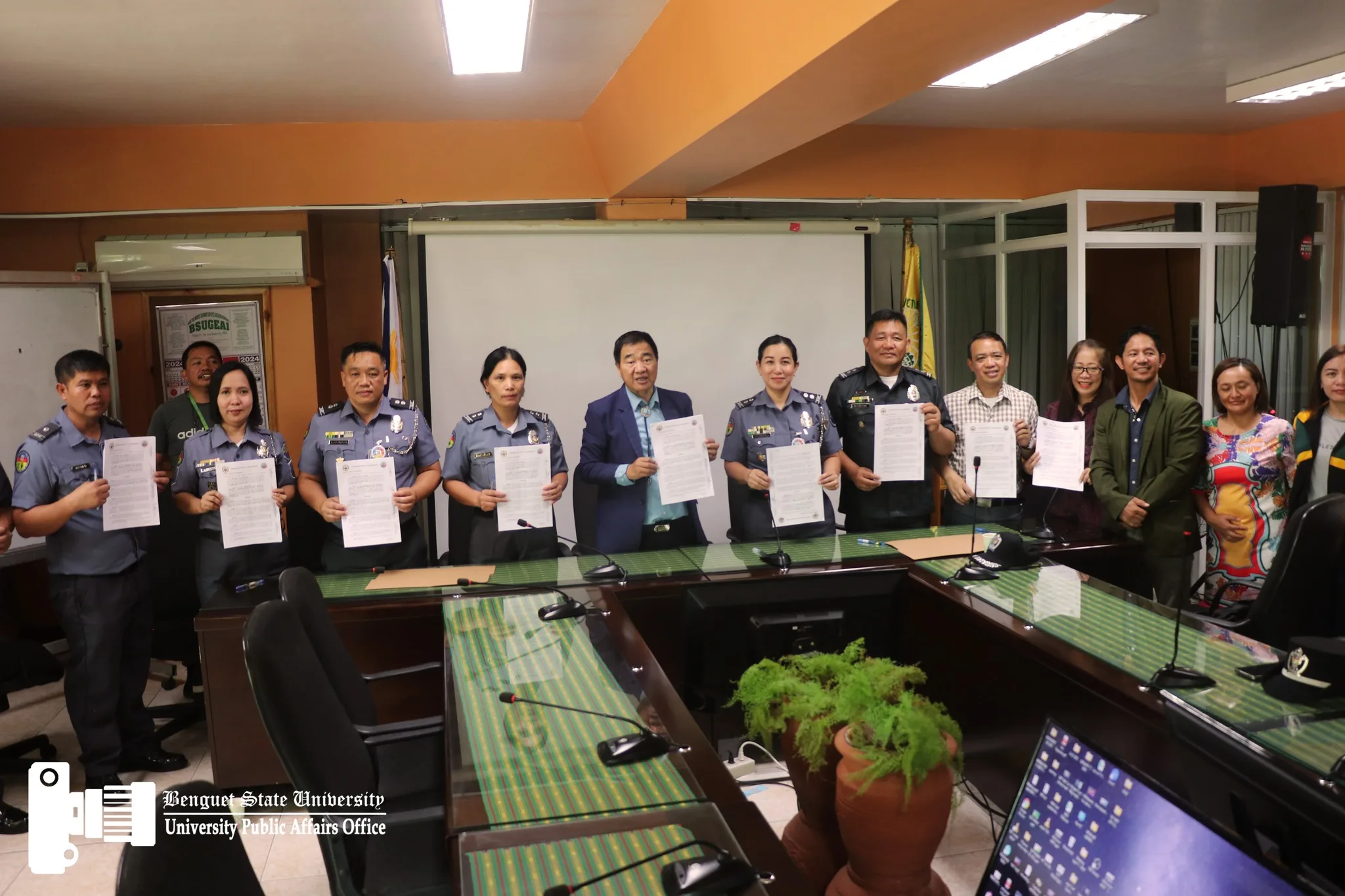
BSU BEAMS (Balik Eskwela Advocacy and Mentoring Services for Persons Deprived of Liberty)
In February 2024, the BSU Board of Regents approved the Balik Eskwela Advocacy and Mentoring Services (BEAMS) program. In June 2024, BSU signed a Memorandum of Agreement with the Bureau of Jail Management and Penology in La Trinidad and Baguio. The program provided education materials and mentoring to Persons Deprived of Liberty (PDLs) who had completed high school or senior high school. It was limited to PDLs with light sentences. The initiative gave access to education for a marginalized group and supported reintegration into society. It also promoted restorative education, which could reduce repeat offenses and build trust in justice and correction systems.
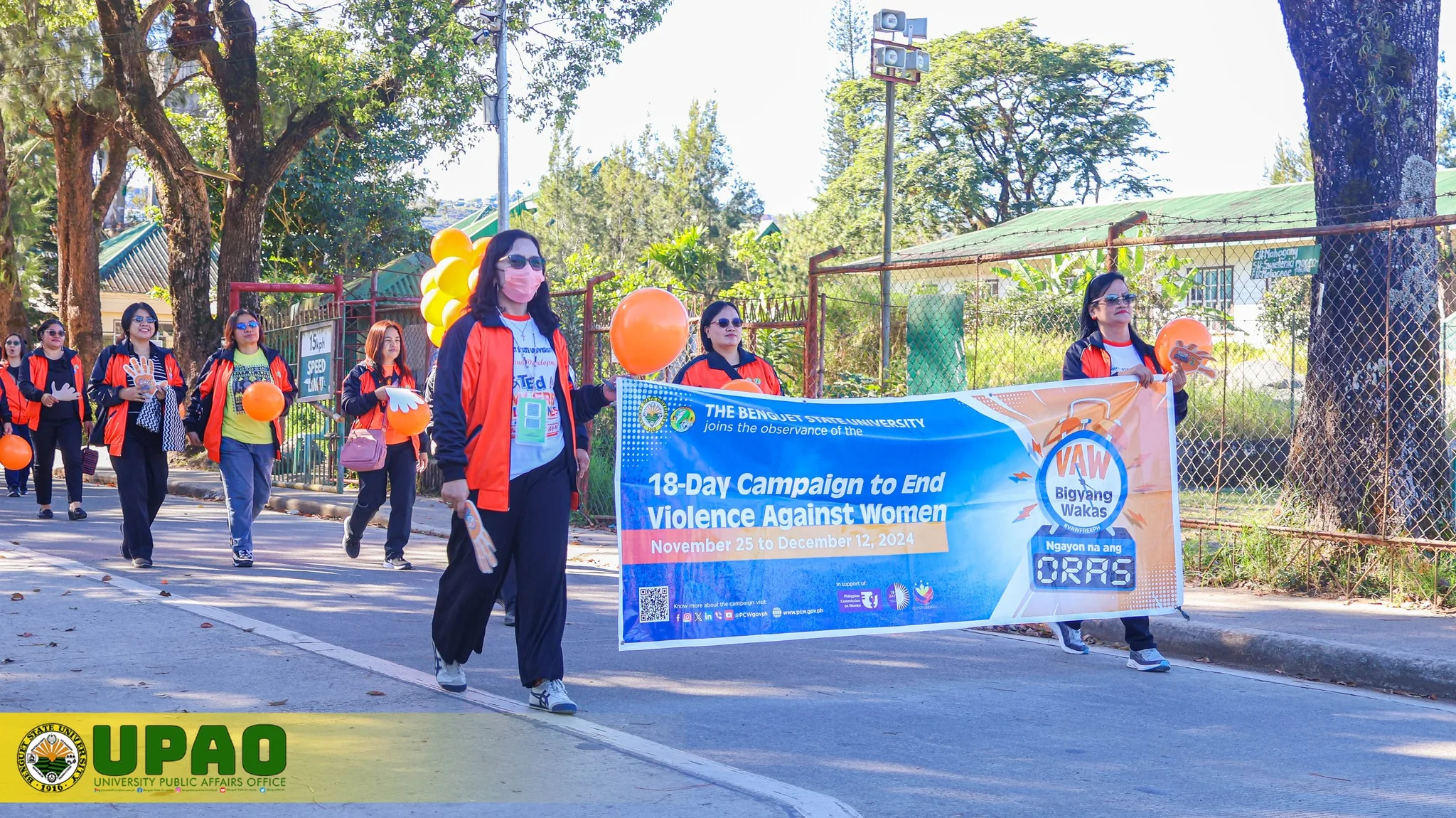
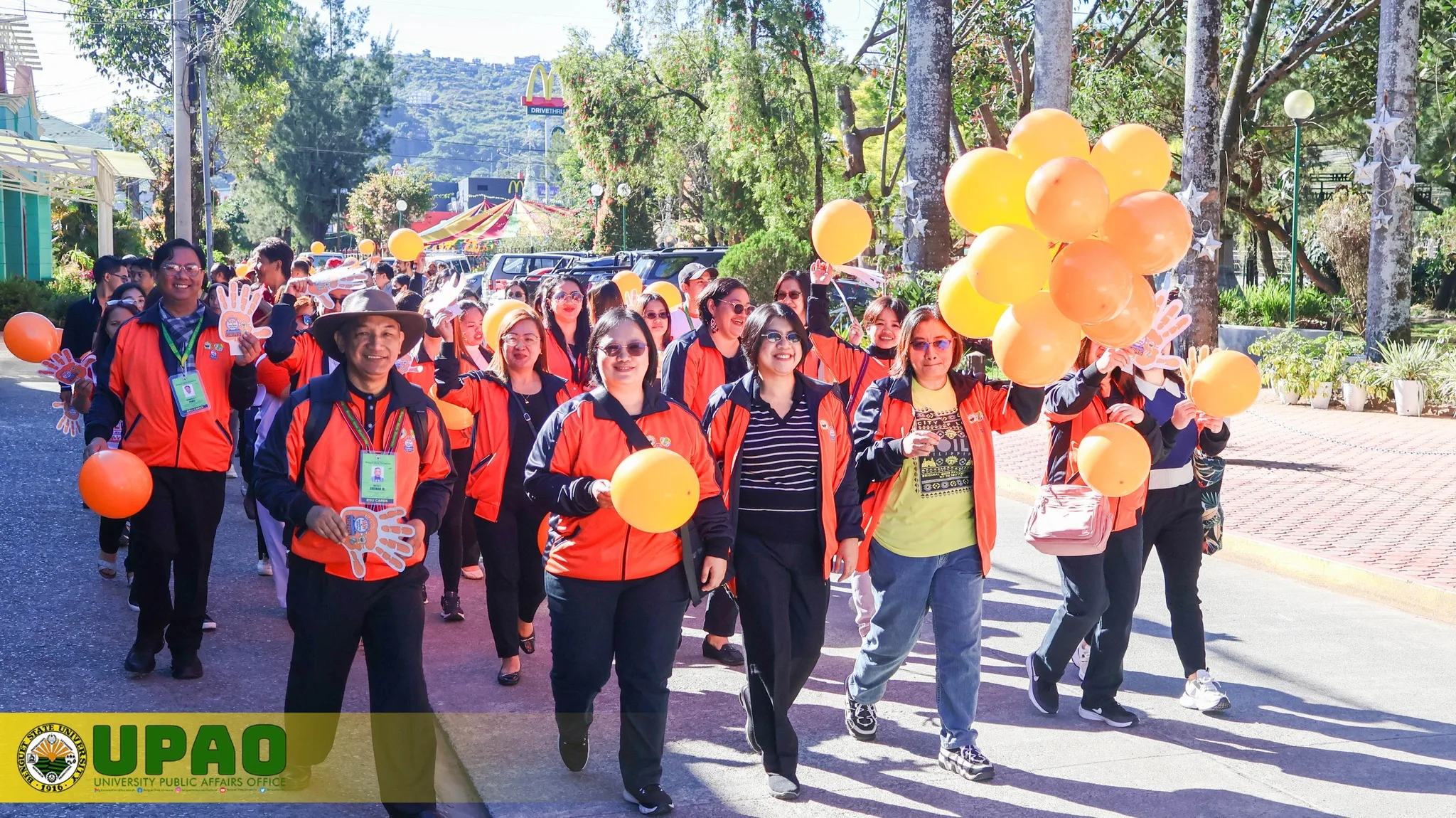
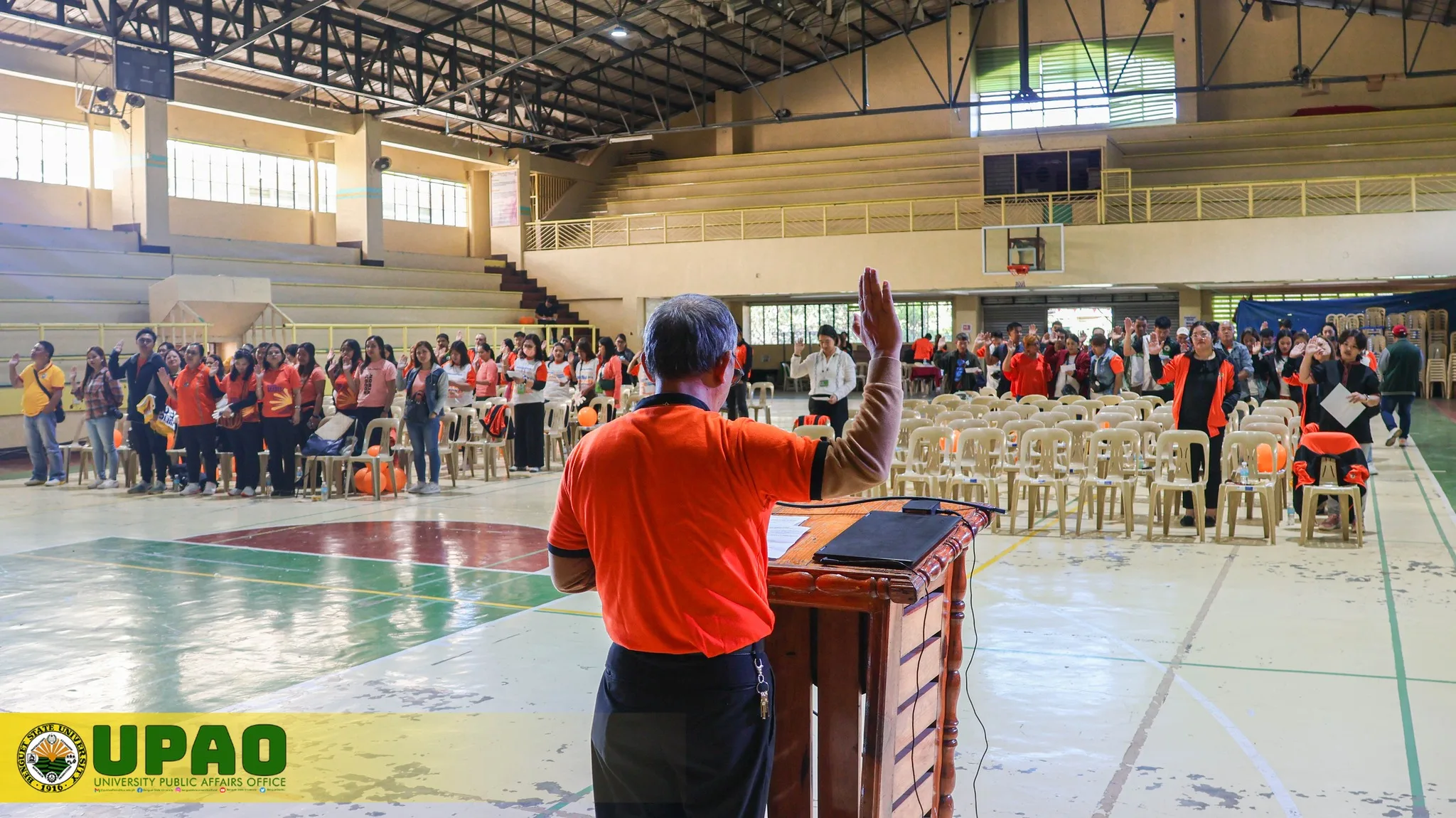
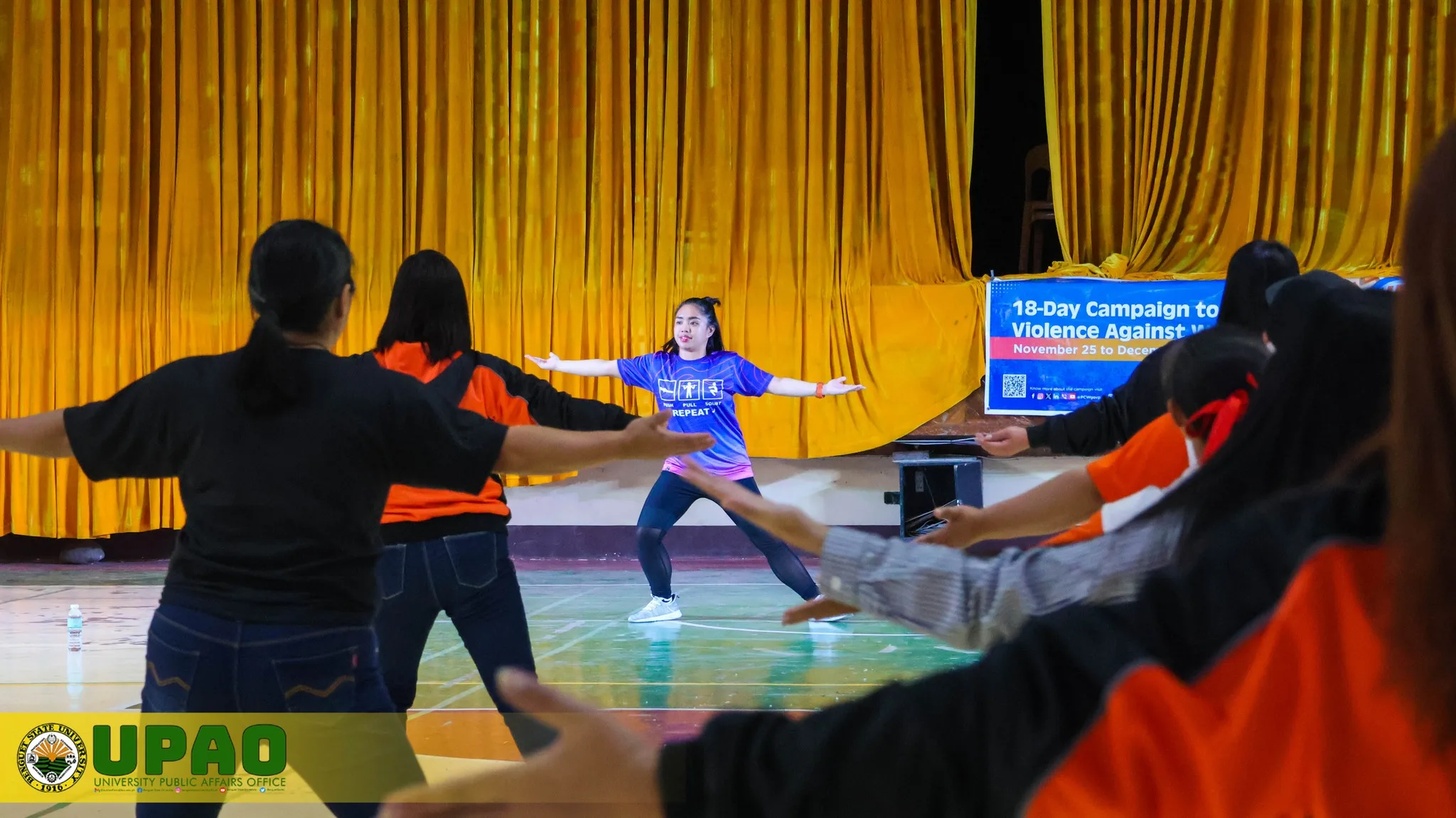
18-Day Campaign to End Violence Against Women
From November 25 to December 12, 2024, BSU joined the national campaign to end violence against women. The Gender and Development Office and the wider university community took part in the activities. These included seminars, a Fun Ride, the Safe Spaces Pledge, legal service extensions, and a culminating program. The campaign increased awareness of gender-based violence and strengthened institutional capacity to respond to such cases. It also encouraged safe environments and supported the protection of rights.
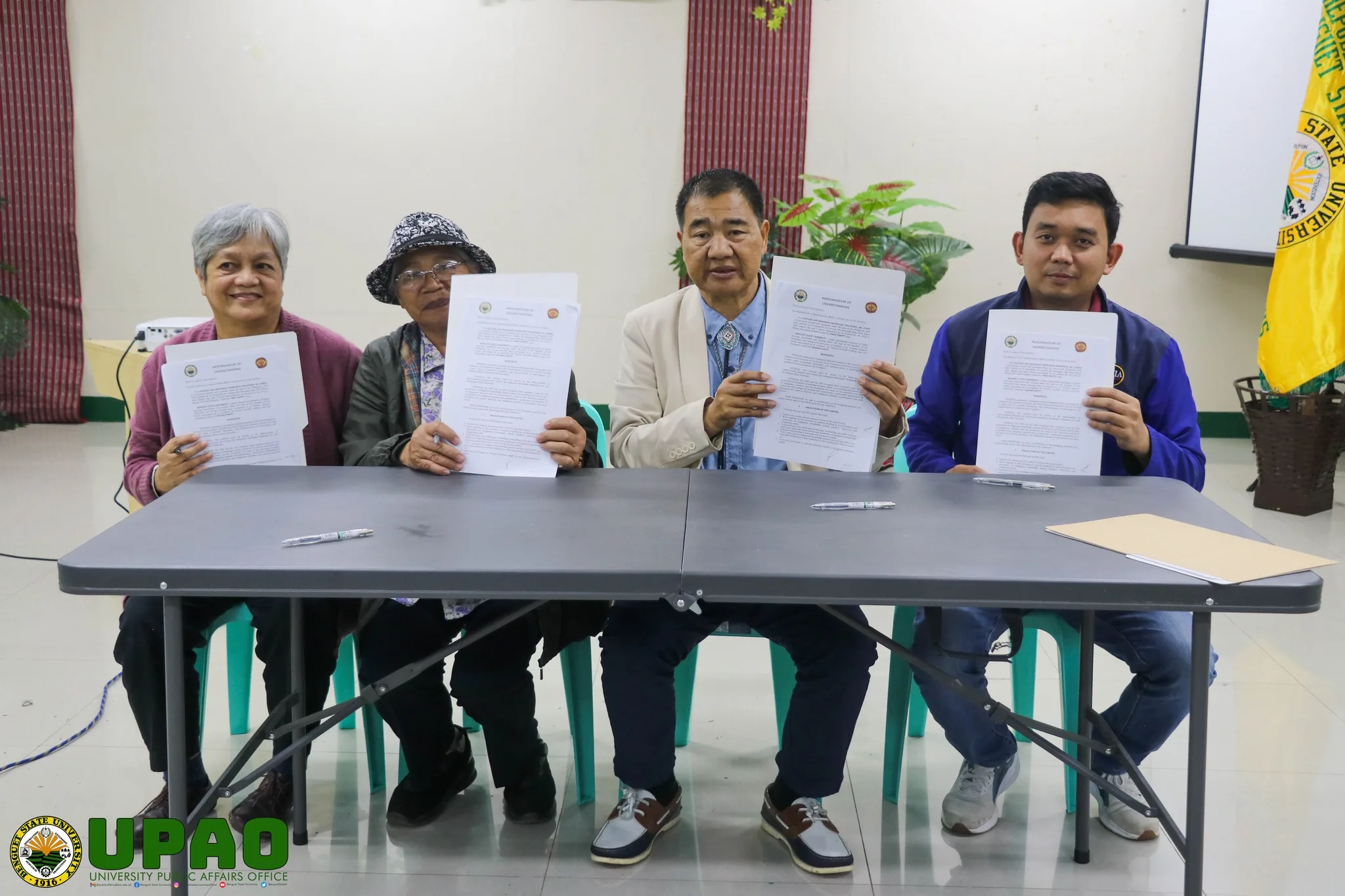
Indigenous Knowledge Systems Collaboration with PIKP
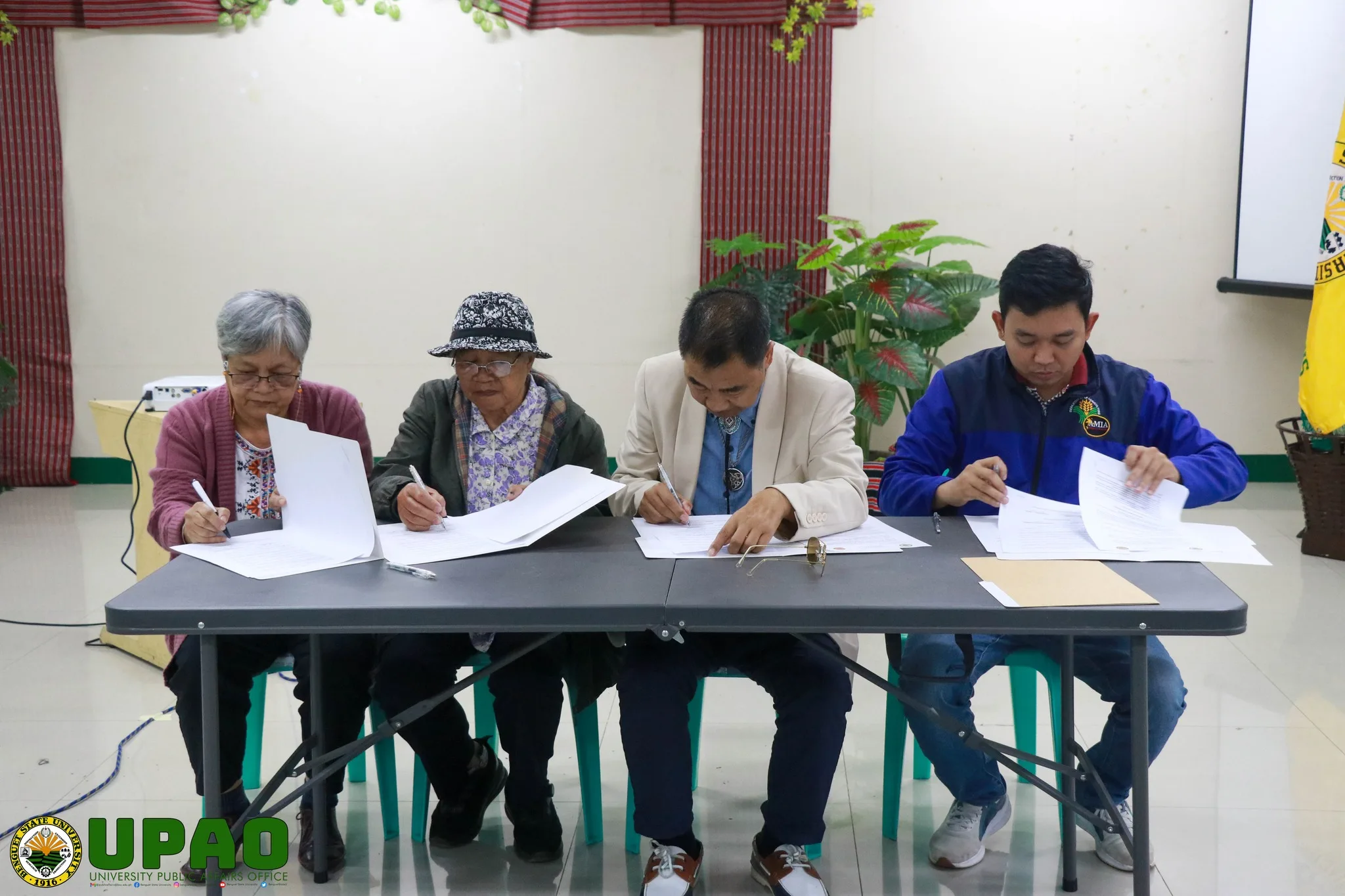
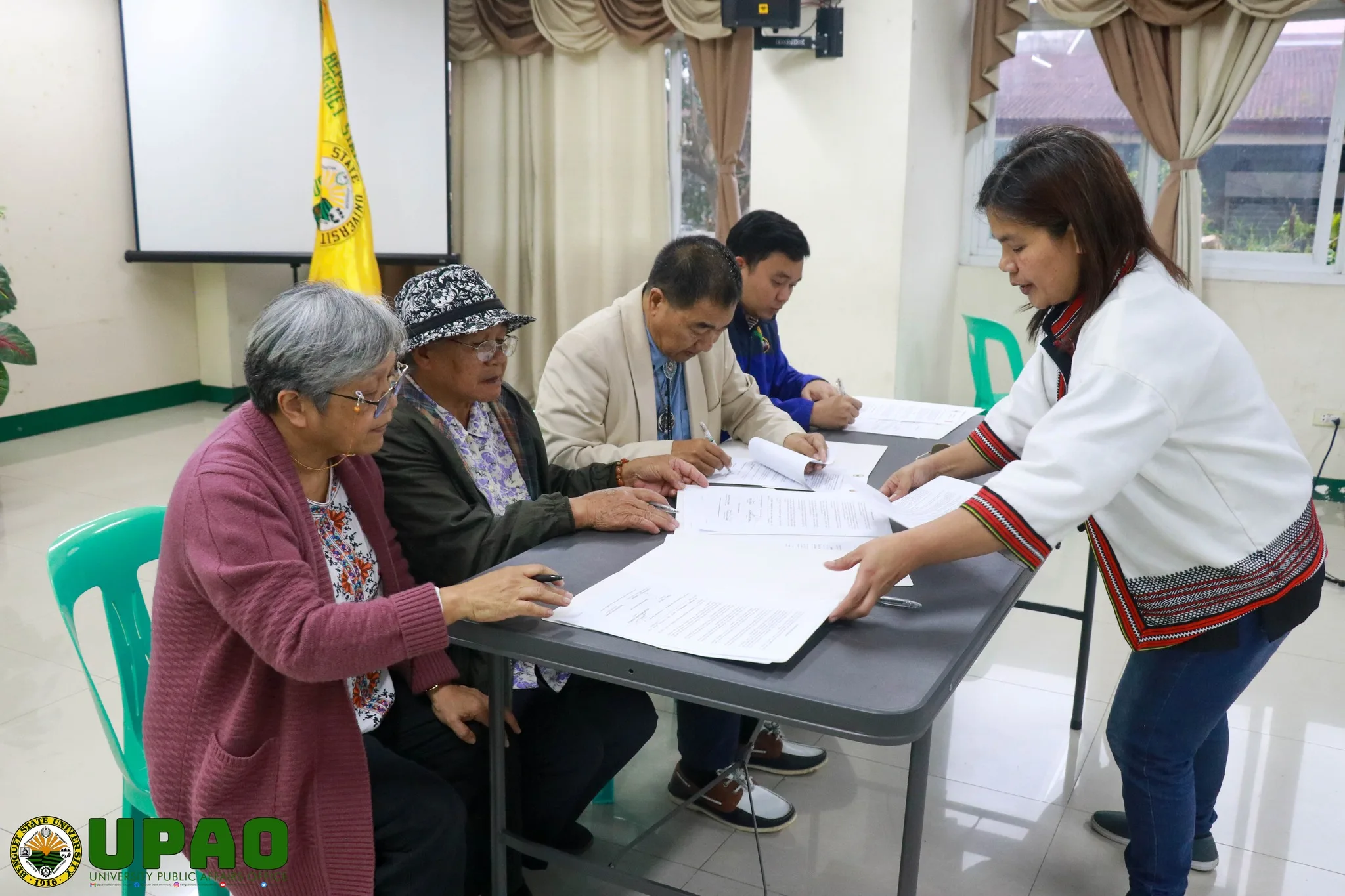
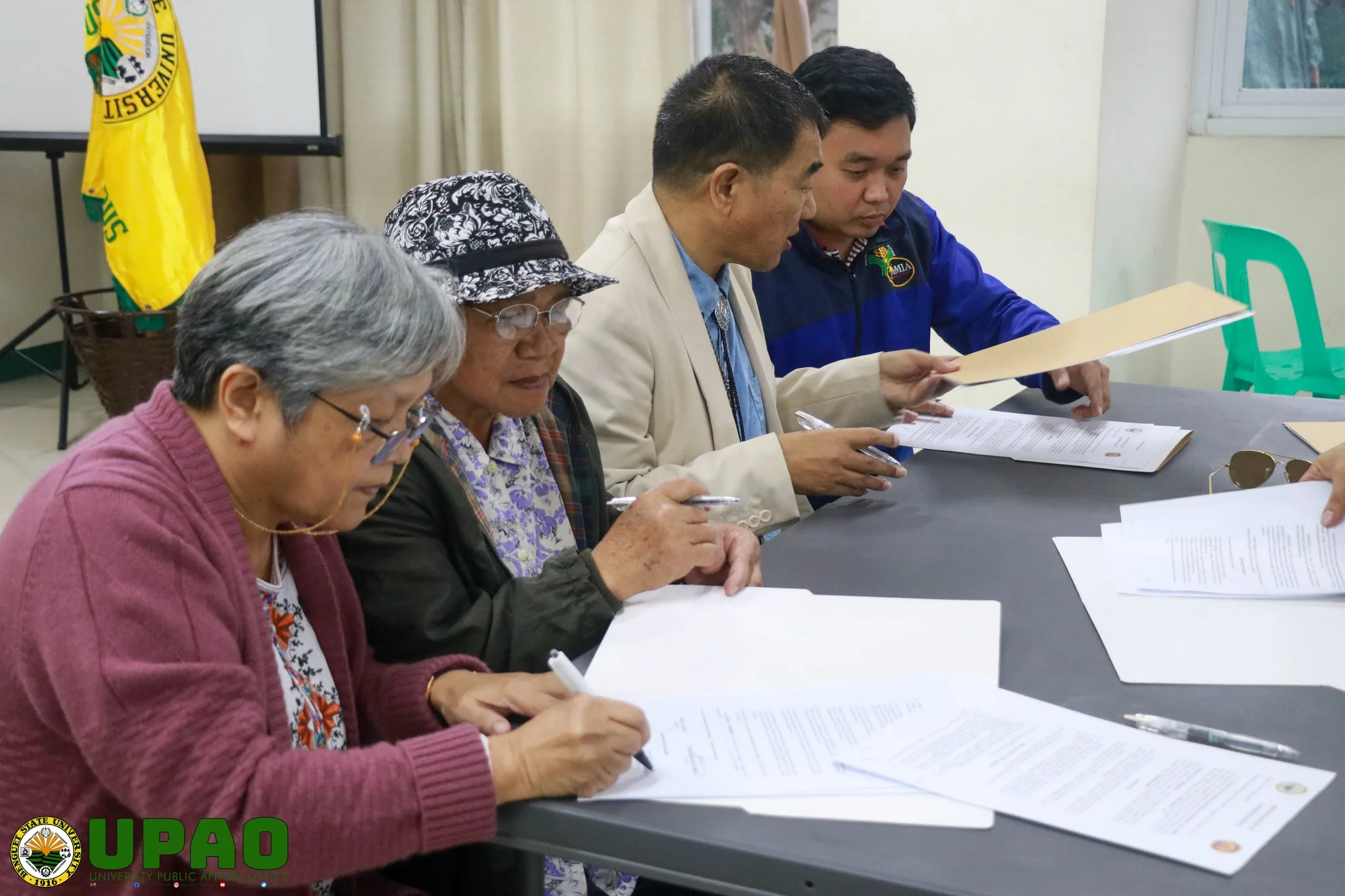
In October 2024, BSU signed a Memorandum of Understanding with the Partners for Indigenous Knowledge Philippines (PIKP). They organized a forum titled “AP-APAT: Valuing and Promoting IK Towards Transformative Leadership and Governance” on October 29–30, 2024. Participants included BSU, the National Commission on Indigenous Peoples (NCIP), the Department of Education, and other stakeholders. Research presented in the forum documented community practices such as the pakde ritual and examined Indigenous leadership and stewardship of the environment. In December 2024, BSU also relaunched the Encyclopedia of Benguet Indigenous Knowledge Systems. These activities preserved indigenous culture, promoted inclusive governance, and strengthened links between institutions and communities.
Lock in Workshop: Towards a Gender Sensitive CPAGawa
On February 15, 2025, the College of Public Administration and Governance conducted a Lock-In Workshop as part of its commitment to developing gender-sensitive extension service outputs. The workshop served as a collaborative platform to prepare a need-based and gender-sensitive extension project or program, fostering a renewed dedication to inclusivity and equality within the university community.
The activity was attended by CPAG faculty, staff, student representatives, and other stakeholders. It also became an avenue for mentoring as senior faculty members guided new faculty in crafting effective extension proposals. By the end of the session, participants successfully developed a gender-sensitive extension proposal ready for submission and implementation.
This initiative strengthens CPAG’s goal of ensuring that all its programs and extension activities are inclusive, equitable, and responsive to community needs. It supports SDG 5 Gender Equality by promoting gender-sensitive practices, SDG 10 Reduced Inequalities through inclusive program design, and SDG 16 Peace, Justice, and Strong Institutions by encouraging ethical and participatory governance in extension initiatives.
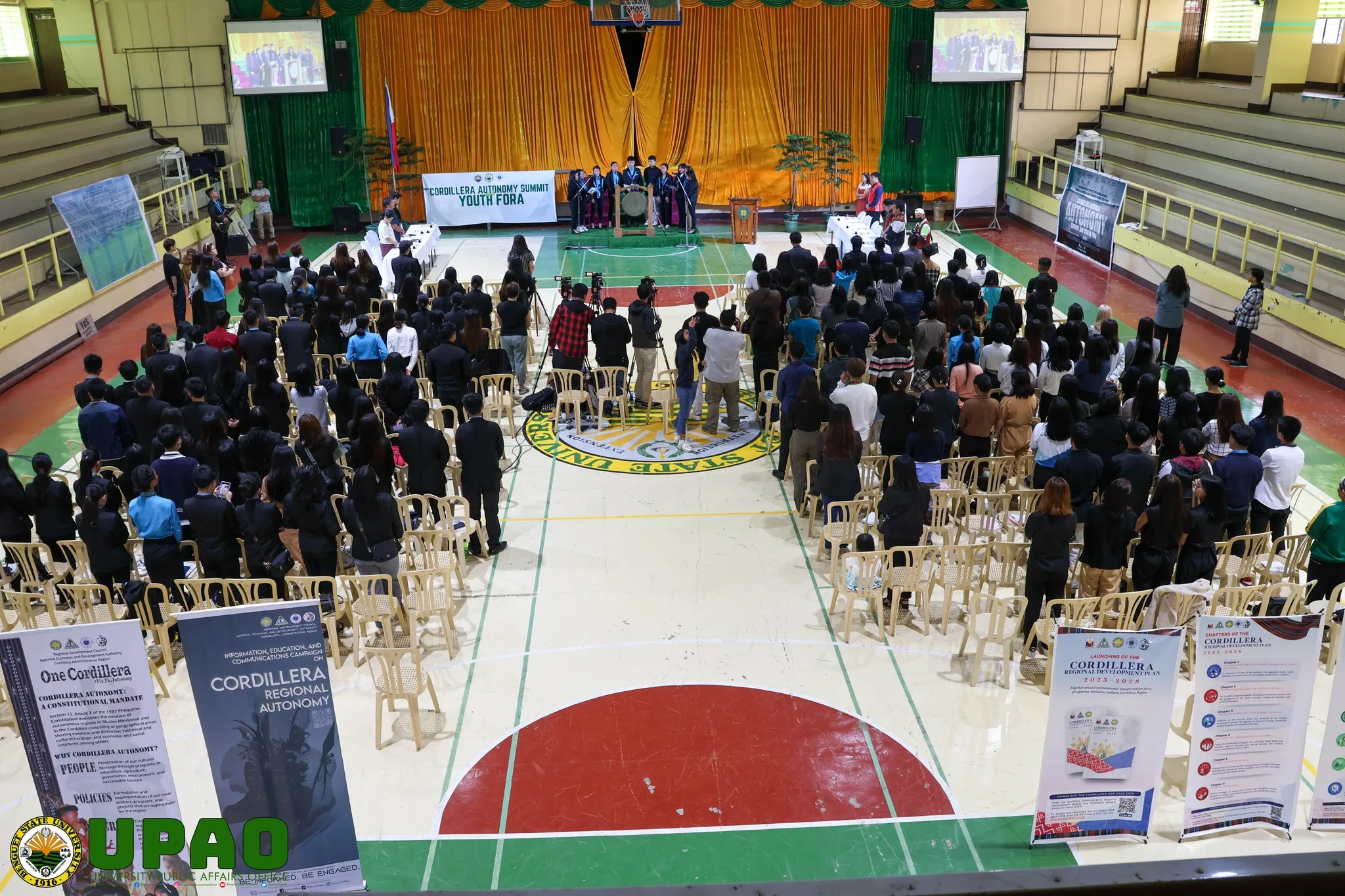
Cordillera Autonomy Summit and Youth Fora
The Cordillera Autonomy Summit and Youth Fora, convened by Benguet State University on February 16, 2024, marked an important milestone in promoting the Sustainable Development Goals (SDGs) and advancing the advocacy for regional autonomy in the Cordillera.
The event aimed to provide an avenue for meaningful discussions on regional autonomy, governance, and sustainable development. With over 243 participants from various sectors, including media, local government units, academic institutions, regulatory agencies such as CHED and NEDA, non-government organizations, and students, the summit became a vibrant platform for knowledge sharing, civic participation, and collaboration. Conducted through a hybrid setup, combining onsite sessions and Facebook livestreaming, the event reached a broader audience and fostered inclusivity in public dialogue.
Renowned speakers from NEDA-CAR, CHED-CAR, and local government units shared valuable insights, complemented by virtual endorsements from Senator Robin Padilla, Governor Elias K. Bulut Jr., and several Benguet mayors, expressing their support for autonomy. Presentations emphasized the benefits of self-governance, followed by an open forum where participants engaged in constructive discussions and clarifications. The event concluded with the signing of a manifesto supporting Cordillera autonomy and a mock plebiscite, symbolizing the region’s shared commitment to self-determination and unity.
This activity reaffirmed Benguet State University’s role as a hub for informed dialogue, civic participation, and regional cooperation. It supports SDG 16 (Peace, Justice, and Strong Institutions) by promoting inclusive governance and dialogue; SDG 10 (Reduced Inequalities) by advocating for regional empowerment and equitable representation; SDG 5 (Gender Equality) by ensuring equal participation in discussions and decision-making; and SDG 17 (Partnerships for the Goals) through collaboration among government, academia, and civil society.
CPAGawa: A Day Crash Course Program for Civil Service Exam
The College of Public Administration and Governance conducted a one-day course program for Civil Service Exam applicants on February 17, 2024, at the Chrysanthemum Hall, CPAG Building. The activity was attended by over 20 students and teachers, both online and onsite, who were preparing for the March 2024 Civil Service Examination.
The program aimed to equip participants with practical knowledge and effective strategies to help them perform well in the examination. With the guidance of experienced speakers, participants were provided with essential tools to maximize opportunities and address challenges they may face in the test.
Two key topics were discussed during the session. Atty. Julie M. Binaldo-Velasco tackled Current Events and Public Administration, while Dr. Genevieve Tabon presented insights on Environmental Management. These discussions helped participants understand not only the exam content but also the broader responsibilities of becoming a competent and ethical public servant.
Beyond exam preparation, the program aimed to develop future government employees who are committed to good governance, public accountability, and service excellence. This initiative contributes to SDG 4 (Quality Education) by providing accessible and skill-enhancing learning opportunities, SDG 16 (Peace, Justice, and Strong Institutions) by nurturing responsible and ethical public servants, and SDG 5 (Gender Equality) by ensuring that both men and women have equal opportunities to enter and excel in public service.
CPAG sa Kaalaman sa Karapatang Pangtao: Orientation on CSC Resolution No. 2100064, Safe Spaces Act, and VAWC and Special Protection of Children Law
The College of Public Administration and Governance successfully conducted an orientation on Civil Service Resolution No. 2100064, which covers the Revised Administrative Disciplinary Rules on Sexual Harassment Cases, on March 27, 2024, at the SB Hall, La Trinidad, Benguet. The activity was attended by faculty, students, and staff from Benguet State University, as well as employees from the La Trinidad Municipal Office.
The orientation aimed to provide participants with a clear understanding of the updated policies, procedures, and sanctions related to sexual harassment in the workplace. It reinforced the importance of creating and maintaining a safe, respectful, and inclusive environment for all.
Resource speakers gave detailed discussions on the legal framework, complaint mechanisms, and preventive measures outlined in the resolution. Participants also engaged in case study analyses and interactive discussions that enhanced their awareness and ability to respond appropriately to harassment-related incidents.
This activity strengthens the university’s commitment to gender sensitivity, ethical governance, and human rights advocacy, ensuring that current and future public administrators are informed and proactive in promoting workplace protection and accountability. It also advances SDG 16 (Peace, Justice, and Strong Institutions) by fostering integrity and justice in governance, and SDG 8 (Decent Work and Economic Growth) by promoting safe and fair working environments for all.
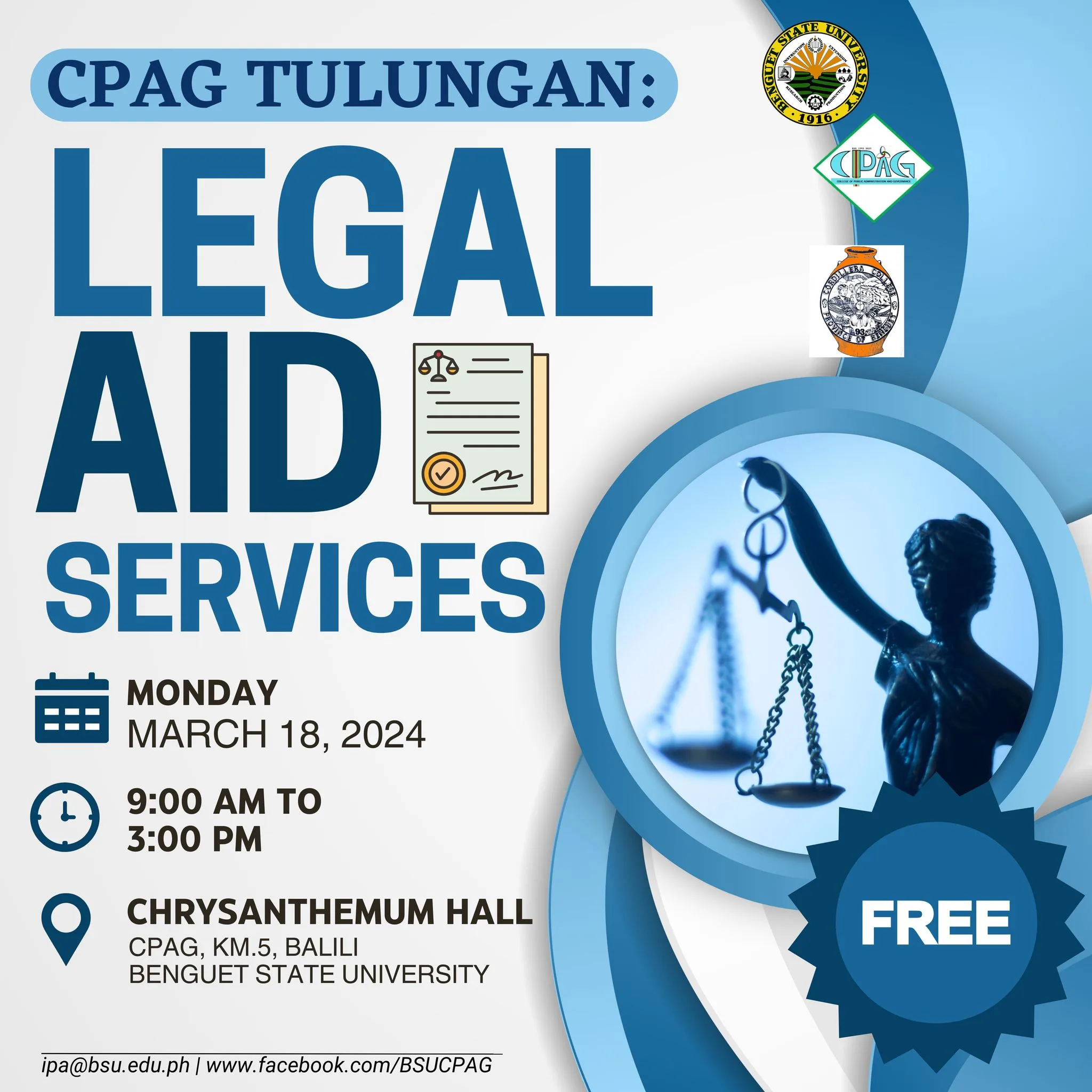
CPAG Tulungan: Legal Aid
In celebration of the Strawberry Festival and in partnership with the Local Government Unit of La Trinidad, the College of Public Administration and Governance extended free legal aid services on March 18, 2024, at the Chrysanthemum Hall, CPAG Building.
The activity served over 40 participants, offering services focused on notarization and legal consultations. The legal aid was facilitated by Atty. Julie M. Binaldo-Velasco, CPAG Faculty, assisted by seven law student practitioners from the College of Law, Cordillera Career Development College. Together, they guided clients through the notarization process for various informed consents, ensuring legal validity and protection for individuals involved in personal and community transactions.
Atty. Binaldo-Velasco also provided expert legal advice and consultation, helping clients understand their rights and make informed decisions regarding their legal concerns. By empowering participants with legal knowledge and support, the activity promoted access to justice and inclusive community service.
This initiative advances SDG 16 (Peace, Justice, and Strong Institutions) by promoting access to legal services and strengthening trust in institutions; SDG 5 (Gender Equality) by ensuring that both men and women have equal access to justice; and SDG 10 (Reduced Inequalities) by providing free legal aid to vulnerable and low-income individuals who may otherwise lack such opportunities.
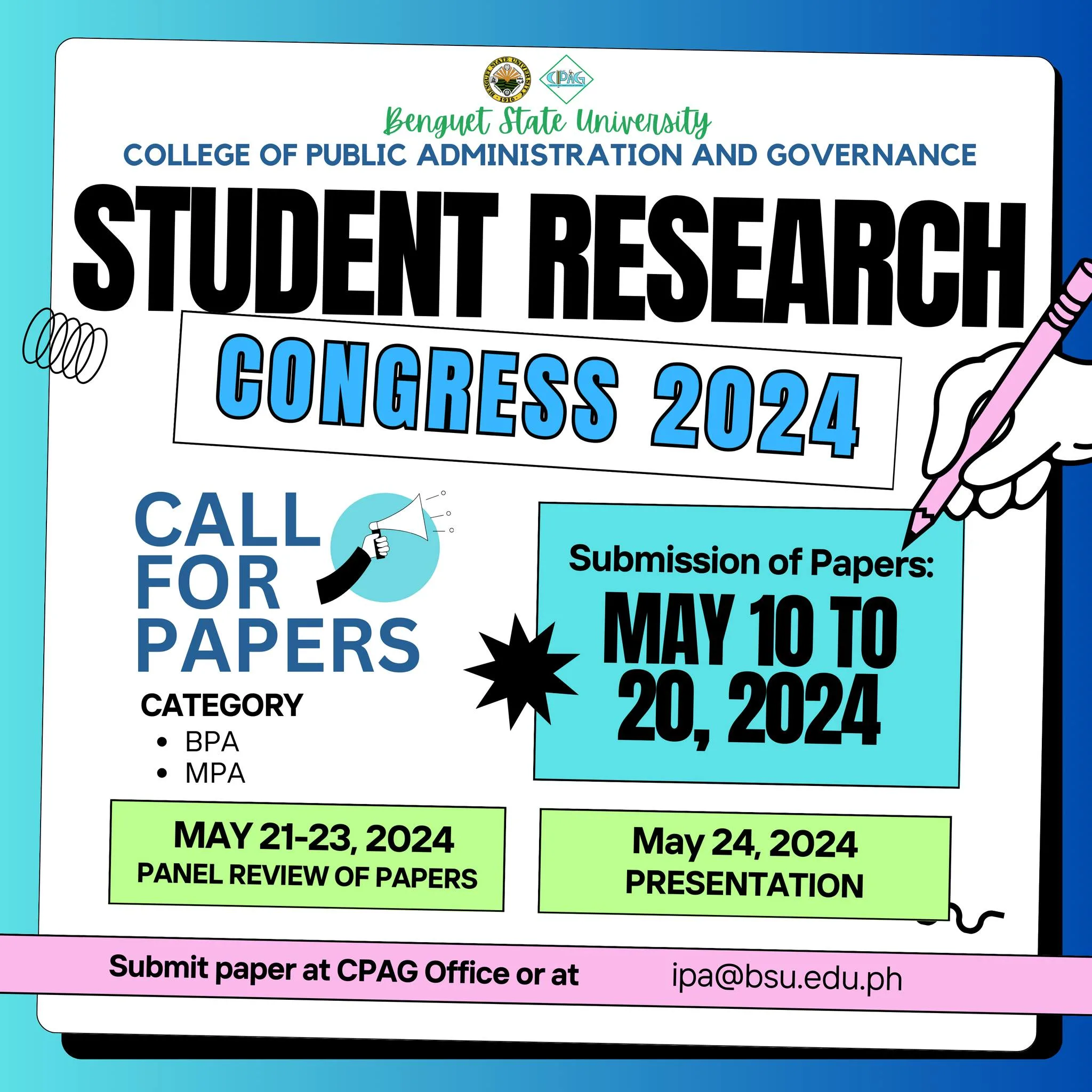
2024 CPAG STUDENT RESEARCH CONGRESS
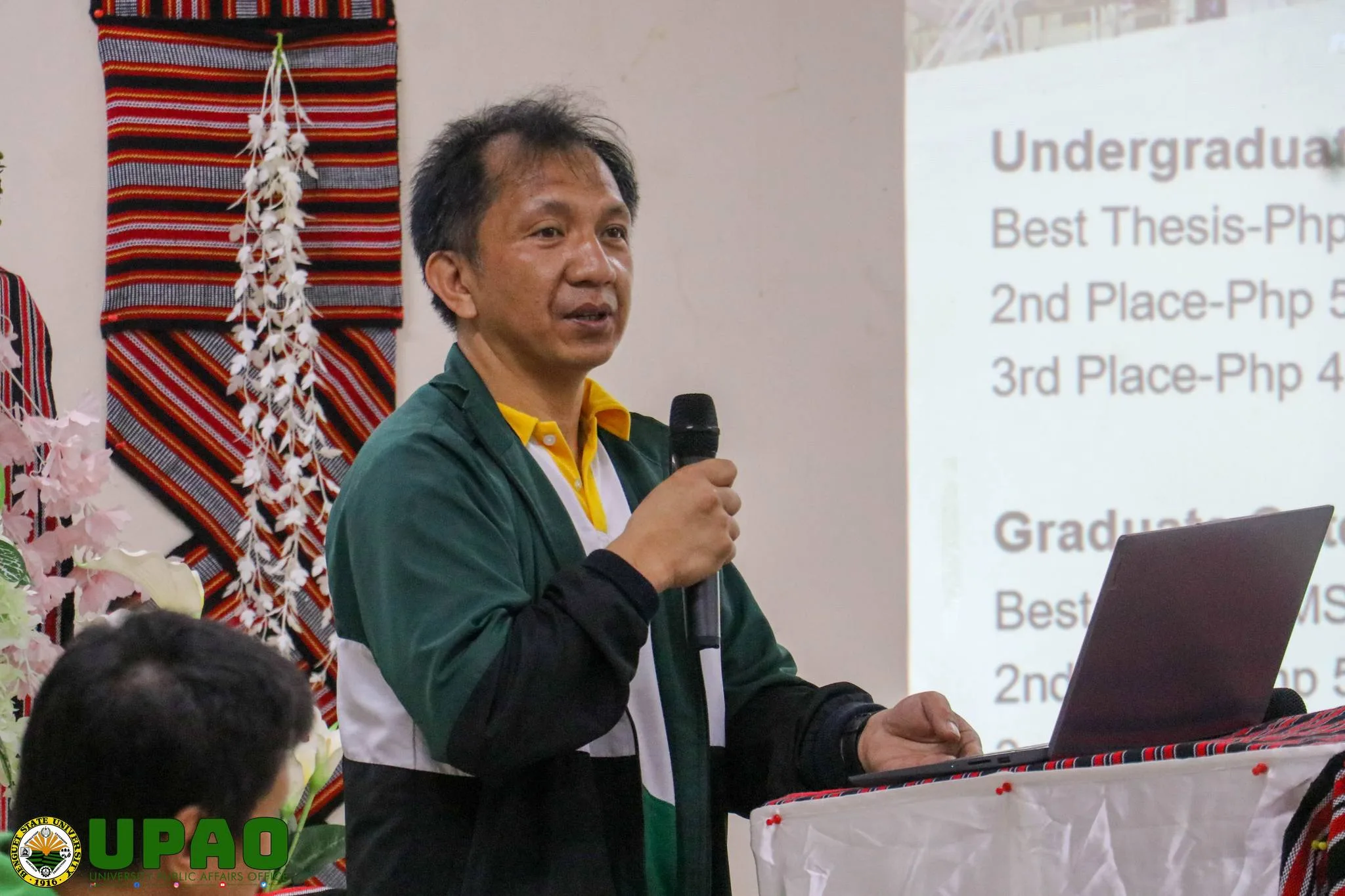
The College of Public Administration and Governance held its Annual Student Research Congress on May 24, 2025, at the Chrysanthemum Hall, CPAG Building. The event gathered 31 participants, consisting of four undergraduate research groups and nine graduate students from the Master’s in Public Administration program. In addition, five undergraduate groups and four graduate students participated in the research poster presentation.
The Best Thesis Paper (Undergraduate Category) was awarded to Rona Mae A. Antero, Catherine P. Friaz, Vincent D. Kilino, and Carla B. Tolo-an for their study titled “Learning While Traveling: Experiences of Benguet State University Students on International Mobilization Programs.”
For the Master’s Program, Nikki A. Agsiweng received the Best Thesis Paper Award for her research titled “Empowering Voices: Civil Engagement in Policy-Making and Implementation in Quirino, Ilocos Sur.”
The activity provided students with an opportunity to showcase their research outputs, receive feedback from panelists, and prepare for the upcoming University Research Congress. It also encouraged critical thinking and collaboration among future public administrators.
This initiative supports SDG 16 (Peace, Justice, and Strong Institutions) by fostering evidence-based policymaking, civic engagement, and transparent governance. It also contributes to SDG 5 (Gender Equality) by promoting equal opportunities for both men and women researchers to participate, present, and be recognized in academic and public service fields.
CPAG Tulungan: COMELEC Registration
In partnership with the Commission on Elections and the Local Government Unit of La Trinidad, the College of Public Administration and Governance successfully conducted the CPAG Tulungan: COMELEC Registration, an outreach activity aimed at bringing COMELEC services closer to the community, particularly voter registration.
The activity was held on September 6, 2024, at the Chrysanthemum Hall, CPAG Building. It was implemented in collaboration with COMELEC La Trinidad, headed by Atty. Grace M. Faustino, along with staff members Emmanuel A. Tadeo, Reygorio E. Palileng, and Robein M. Osacdin. The event gathered over 80 participants from La Trinidad and Baguio City, who took part in the registration and voter assistance activities.
This initiative supports SDG 16 (Peace, Justice, and Strong Institutions) by promoting inclusive participation, access to justice, and transparent governance through voter registration and education. It also contributes to SDG 5 (Gender Equality) by ensuring that both men and women have equal access to exercise their right to vote and take part in democratic decision-making processes.
Basic Bookkeeping and DOLE Compliance for Local Entrepreneurs
The College of Public Administration and Governance, in partnership with the Department of Agriculture – Regional Field Office-CAR Institutional Development Unit and the Benguet Heirloom Rice Farmers Agricultural Cooperative, successfully conducted the Basic Bookkeeping and DOLE Compliance for Local Entrepreneurs on September 26–27, 2024, at the Sab-atan Hall, ATI-CAR, BSU Compound.
The two-day training gathered over 25 local entrepreneurs and aimed to equip them with essential bookkeeping skills and knowledge on labor compliance. The activity focused on helping both men and women manage their businesses effectively, sustain their operations, and ensure fair and lawful workplace practices.
On the first day, participants joined discussions on basic bookkeeping followed by hands-on workshops, where they practiced recording transactions and preparing financial statements. On the second day, sessions focused on general labor standards, helping participants understand the laws that govern working conditions and employee rights. They also learned about workers’ associations and the process of forming or joining one, highlighting the benefits of collective representation and worker advocacy.
Throughout the activity, participants shared their experiences and insights, fostering collaboration, practical learning, and empowerment within the group.
This initiative supports the UN SDG, particularly SDG 8 (Decent Work and Economic Growth) by encouraging sustainable business practices and fair employment; SDG 16 (Peace, Justice, and Strong Institutions) by promoting transparency, compliance, and accountability; and SDG 5 (Gender Equality) by empowering both men and women entrepreneurs to participate equally in economic and community development.
CPAG sa BATAS: Legal Aid Services
In celebration of the annual CPAG Week and in partnership with the College of Law of Cordillera Career Development College, the Benguet State University College of Public Administration and Governance held the CPAG sa BATAS: Legal Aid Services on October 15, 2024, at the Chrysanthemum Hall, CPAG Building.
The activity aimed to provide free legal services, lectures, consultations, and advice to clients. Around 800 participants attended the event, with over 60 individuals benefiting from the free legal aid services offered by volunteer lawyers and law students.
The event also featured a series of seminars designed to help participants gain practical knowledge and skills useful for their future roles in public service. Each seminar was open to different groups of students, allowing them to select the sessions that best fit their interests.
The first seminar, led by Dr. Maricris P. Lad-ey Neyney, focused on the changing nature of families in today’s society. She discussed issues such as single-parenthood, same-sex couples, blended families, and multigenerational households. Dr. Neyney emphasized the importance of creating inclusive and fair policies that recognize and support diverse family structures, helping future public administrators develop programs that promote equality and social inclusion.
The second session, facilitated by Dr. Marnelie M. Aguiguid, centered on the Anti-Red Tape Act. She explained how this law improves public service delivery by reducing delays, preventing corruption, and ensuring that government institutions remain transparent and accountable to the people.
Finally, Atty. Julie M. Binaldo-Velasco concluded the day with an engaging discussion on Election Law. She talked about the importance of protecting voter rights and ensuring a fair and transparent electoral process. Her insights helped students better understand how public administrators contribute to maintaining the integrity of democracy and promoting trust in government institutions.
This session also supports SDG 16 (Peace, Justice, and Strong Institutions) by strengthening awareness of the rule of law and encouraging active, ethical participation in governance. It aligns with SDG 5 (Gender Equality) by emphasizing that every individual, regardless of gender, has an equal right to participate in democratic processes and decision-making.
CPAGARALAN for Local Government Units
From October 8-31, 2024, the College of Public Administration and Governance conducted a lecture on Understanding the Fundamental and Political Dynamics for Local Government in the Philippines under the CPAG-Aralan on Demand for Local Government Project via the FB Page with over 400 participants. The activity aimed to increase knowledge of Local Government Structures and Functions by equipping participants with the necessary knowledge and insights. The seminar sought to empower them to actively engage in local governance and processes, fostering a culture of inclusive and effective governance.
The session provided valuable insights into the roles, responsibilities, and challenges faced by local government units. Mr. Kurt Seus Dizon, a distinguished faculty member from the department of Political and Social Sciences at Saint Louis University, Baguio City, and an alumnus of Benguet State University’s Master in Public Administration program, served as the resource speaker. During the lecture, Mr. Dizon discussed critical aspects of governance, including the evolving landscape, decentralization, and the importance of local autonomy in fostering community development. Participants gained a deeper understanding of the complexities of local governance and the significance of effective leadership at the grassroots level. The session equipped attendees with fundamental knowledge essential for navigating the dynamics of public administration in a local setting and underscored the role of informed civic engagement in strengthening democratic processes.
Proportion of Graduates in Law and Civil Enforcement
Proportion: 12.24%